
Smart home technology blends convenience with a potential little risk, so you’ll adopt systems that protect privacy, deliver real savings, and stay interoperable as your setup evolves. Start by prioritizing privacy: ongoing consent, transparent disclosures, and routine firmware checks. Look for energy monitors that give real, actionable feedback with real-time data. Beware interoperability pitfalls and hidden costs from vendor lock‑in or extra subscriptions. Favor open standards for future‑proof setups and enforce strong security practices across devices. If you keep exploring, you’ll discover practical, higher‑value tactics.
Key Takeaways
- Smart home privacy is ongoing: assess data flows, not just device controls, with transparent disclosures and routine permission reviews.
- Real savings come from actionable energy feedback, real-time dashboards, and compatibility with solar and existing automation gear.
- Interoperability pitfalls include hidden costs, vendor lock-in, and the need for sandbox testing and clear specifications.
- Open standards future-proof setups rely on universal protocols, open APIs, local control, and modular designs for easy upgrades.
- Everyday security requires automatic updates, strong auth, network segmentation, and quarterly recovery and change-log checks.
Smart Home Privacy: What Makes It Different

Smart home privacy differs because its risks are ongoing, context-dependent, and often invisible to users. You face evolving threat models as devices update, networks shift, and third parties update terms. In practice, you must assess data flows across platforms, not just the device you control. Data encryption protects transit and storage, but you should verify end-to-end capabilities where available and understand fallback behaviors when keys are exposed. You’ll want clear records of what data is collected, where it travels, and who accesses it. User consent isn’t a one-time checkbox; it’s an ongoing obligation. Seek opt-outs for nonessential data sharing, and demand transparent disclosures about analytics, diagnostics, and integrations. Keep firmware current, document configurations, and routinely review permission requests from new skills or apps.
Energy Monitors That Deliver Real Savings
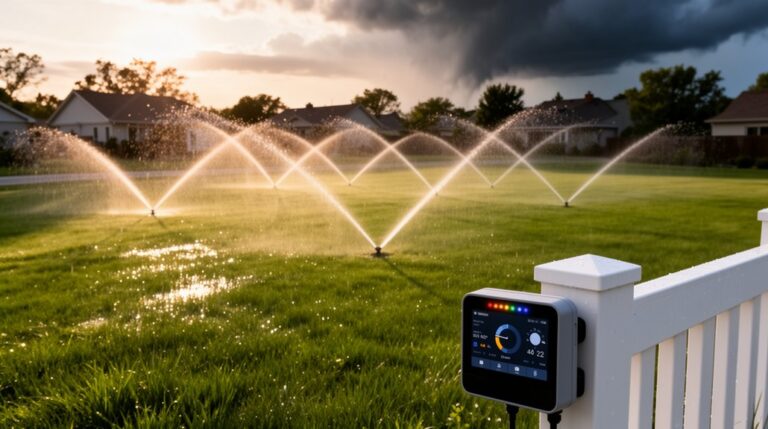
Energy monitors that deliver real savings cut through the noise by giving you concrete, actionable feedback on how and when you use power. You’ll see which devices spike consumption and when, enabling targeted changes that reduce bills without sacrificing comfort. Choose models with clear dashboards, real-time data, and straightforward alerts, so you can act quickly. Prioritize energy efficiency by focusing on high-usage loads first, then optimize schedules and thermostats to shave peaks. Confirm device compatibility with your existing circuits, solar setup if any, and home automation gear to avoid gaps in data or control. Look for predictable reporting formats, export options, and reliable calibration. A practical monitor pays for itself by guiding disciplined tweaks, not just cataloging consumption.
Interoperability Pitfalls and Hidden Costs to Watch For
Interoperability pitfalls and hidden costs can quietly undermine even the best energy setups, so you should assess compatibility before you buy. When evaluating devices, verify adherence to interoperability standards and supported ecosystems to avoid feature gaps or failed automations. Incompatibilities often manifest as delayed responses, limited scene control, or inconsistent data reporting, forcing you to replace hardware or add bridging hubs. Be wary of vendor lock-in, which can suppress updates or vendor support, raising long-term expenses. Investigate potential hidden subscription fees for cloud services, advanced analytics, or premium integrations, and estimate total ownership beyond sticker price. Demand transparent specifications, test interoperability in a sandbox if possible, and document each device’s minimum requirements. A disciplined, standards-based approach minimizes surprises and sustains reliable, scalable performance.
Open Standards: How to Pick a Future-Proof Setup
Open standards matter most when you’re designing a future-proof setup, because they guarantee devices from different makers work together now and years from now. To pick resiliently, focus on universal protocols and tangible device compatibility. Prefer hubs and ecosystems that advertise open APIs, standardized data models, and interoperable interfaces rather than proprietary stacks. Verify real-world testing, certification programs, and stated backward compatibility. Map your needs to core functions: sensing, control, automation, and cloud access. Favor products that expose local control options and predictable latency, so automations don’t stall during internet outages or vendor shifts. Favor modular designs over boxy, all-in-one solutions to ease upgrades. Question how updates affect integrations, and prioritize platforms with broad, active support communities. In practice, insist on clear upgrade paths and ongoing developer participation.
Everyday Tweaks for Smarter, Safer Living
With open standards in mind, everyday tweaks should prioritize practical protections and reliable automation you can depend on. You’ll tighten security by enforcing consistent Security protocols across devices, ensuring updates auto-install, and using unique, device-specific passwords. Favor voice-enabled control only after securing a strong authentication layer, so Voice commands don’t bypass protection. Disable unused features and remote access unless necessary, and prefer hubs that segregate devices into trusted zones. Implement routine firmware checks and a monitoring routine that flags unexplained activity. Use network segmentation to limit damage from breached gear, and enable audit trails for device actions. Maintain documented change logs for configurations and upgrades, and test recovery procedures quarterly to confirm resilience. Prioritize clarity, minimal latency, and predictable behavior in every smart routine.
Frequently Asked Questions
How Secure Are Voice Assistants From Eavesdropping and Data Leaks?
Voice assistants aren’t fully immune; they’re vulnerable to privacy concerns and hacking vulnerabilities. You should enable strong encryption, review mic access, disable wake words when unused, update firmware promptly, and monitor permissions to minimize risk.
Can Smart Devices Operate During a Power Outage Reliably?
During a power outage, your smart devices operate only on backup power with appropriate batteries or UPS units; guarantee device compatibility before setup, and verify that critical functions stay online without frequent reboots or interruptions.
Do Smart Homes Require a Dedicated Hub for Maintenance-Free Operation?
You don’t necessarily need a dedicated hub for maintenance-free operation, but it helps. You’ll minimize wireless interference and guarantee device compatibility by choosing compatible, well-supported gear and keeping firmware current across your network.
What Hidden Costs Come With Upgrading Ecosystems Over Time?
In 2023, 62% of households faced unexpected upgrade costs. Hidden fees and firmware updates often rise over time as ecosystems diverge, so you’ll need budgeting for ongoing maintenance, compatibility tweaks, and potential professional services to stay current.
Are Smart Devices as Energy-Efficient in Practice as Claimed?
Smart devices aren’t always as energy-efficient as claimed; you’ll see variability. Monitor actual energy consumption, optimize power schedules, and prioritize devices with better energy performance ratings. Consider device longevity to balance upfront gains with long-term energy savings.
Conclusion
You’ve skimmed the surface of smart homes, but the real story starts when you decide what you’ll protect and maximize. Imagine your devices whispering insights—quietly learning your routines, yet exposing you to unseen costs. The next move isn’t more gadgets; it’s choosing standards, tuning privacy, and policing energy. Stay skeptical, plan your setup, and test rigorously. The finish line isn’t a smarter home—it’s a reliable, future-proof system you can trust, day after day, without surprises.
About the Author