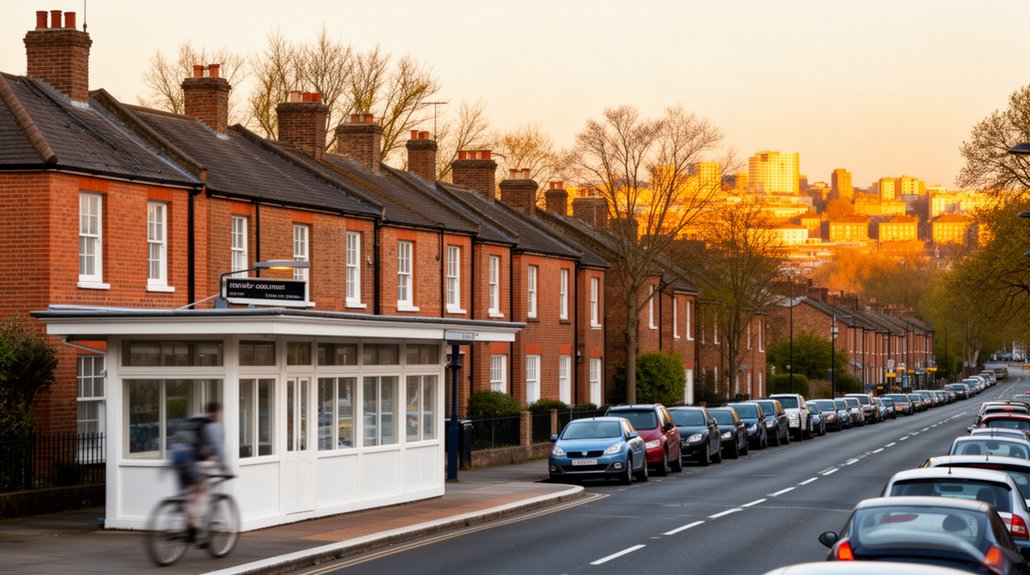
You’re weighing city-center crowds against the calm of commuter towns, where more space, predictable costs, and reliable transit redefine daily life. Suburban living brings quieter streets, walkable layouts, and neighborhood routines that fit work-from-home and hobbies. Towns with strong digital connectivity and green spaces boost productivity and wellbeing, while proximity to cities preserves culture and city access. Yet you may trade urban density for slower pace and new trade-offs. Curious what a balanced move could really look like next? You’ll uncover more.
Key Takeaways
- Suburbs offer more space, quieter streets, and practical rooms with lower costs, appealing to renters seeking balance and comfort outside city centers.
- Reliable transit and proximity to city hubs enable easy commutes while preserving access to urban amenities and nightlife.
- Community-focused streets, walkable layouts, and greener environments improve safety, wellbeing, and daily routines for residents.
- Remote work trends boost demand for larger flats, yards, and reliable broadband in commuter towns with urban connections.
- Urban growth shifts center rents upward, prompting migration to commuter towns with cohesive development, infrastructure investments, and affordable living.
Suburban Living for Renters: Is the City Core a Thing of the Past?

Suburban living isn’t just a trend; it’s reshaping renters’ expectations about space, speed, and community. You’re choosing homes where space isn’t a luxury but a baseline, and that shift changes how you measure daily life. Urban sprawl pushes you toward quieter streets, larger kitchens, and rooms you can actually use without feeling crowded. You’ll notice faster, more predictable routines too, as shorter commutes trim late-night detours and curbside chaos. City noise recedes, replaced by a cadence you can anticipate: fewer interrupters, more breathing room, and a neighborhood rhythm that supports small, practical routines. The city core isn’t erased, but its edges soften as you balance access with autonomy, crafting a lifestyle where comfort and practicality coexist.
What Commuter Towns Really Offer for Daily Life
You’ll notice a quieter, more close-knit vibe in commuter towns, where everyday life feels calmer yet still connected. You’ll gain space and affordability without sacrificing essential comforts, from larger homes to practical amenities. You’ll also find solid transit links that keep your mornings smooth and your evenings free for what matters most.
Quiet Community Vibe
Tucked away from the hustle of city centers, commuter towns offer a calmer rhythm and a tighter-knit daily life that many renters value. You’ll notice a quieter cadence that still supports connection, from local markets to orderly streetside chats at a café. The vibe isn’t hollow; it’s intentional, with neighbors who greet you and a sense of belonging that grows week by week. You’ll trade extreme urban density for more space to breathe, while still accessing essential services within minutes. You’ll also see that the balance isn’t about retreat but focus: fewer interruptions, more predictable routines, and you reclaim evenings. If you miss city nightlife, you’ll find it in nearby hubs, a short ride away, coloring weekends without cluttering weekdays.
Space And Affordability
For many renters, space and affordability here translate into tangible daily life benefits: more room to stretch, work, and relax without paying a premium for location. You’ll find larger flats and yard space that fit a home office, a hobby corner, or a family nook without squeezing margins. Lower rents let you balance essentials with experiences, so you can cook, entertain, or simply decompress without clocking hours on a commute. Urban density remains efficient, but at a gentler pace, offering nearby amenities without the price tag. Cultural diversity enriches daily life, from dining to events, while preserving a calmer, more predictable rhythm. In short, you gain flexibility, value, and a steadier scale of everyday life.
Transit Access Benefits
Transit access reshapes daily life by putting reachable destinations within easy reach. In commuter towns, you’re not waiting for precious gaps between buses; you expect reliable schedules, frequent services, and nothing gimmicky about quick hops into the heart of a region. You’ll notice how rail and bus links knit urban density into a calmer routine, broadening work options without the dead time of city congestion. Evenings feel different when you can switch from a quiet suburb to city nightlife with minimal planning. You gain flexibility for errands, healthcare, or spontaneous meetups, all while preserving a lower-stress pace. The payoff isn’t just speed—it’s balance: faster access, steadier budgets, and a daily rhythm that respects your energy and time.
How Affordability Fuels the Suburban Shift
Affordability is driving the suburban shift, as rent and home prices in city centers outpace wages and savings rates. You feel the math every time you compare a lease to a mortgage, and the numbers tilt toward suburbs where monthly costs soften without sacrificing access. When you crave space, you gain it—extra bedrooms, quieter streets, and real-running plans for the future. This isn’t just about price tags; it’s about value, reliability, and predictability in your budget. Urban sprawl clusters housing and transit demand, driving congestion and uncertainty, while local amenities in towns provide groceries, schools, and care close to home. You migrate not away from city life, but toward balance, efficiency, and tangible everyday savings.
The Role of Remote Work in Choosing Towns

You’re weighing how remote work patterns shape where you live, not just whether you work from home. Location flexibility lets you swap a tighter city radius for towns with better balance, shifting what you value in a neighborhood. Consider the tradeoffs of commute time as a bonus or a burden, and how scalable remote setups influence your choice.
Remote Work Patterns
Remote work has reshaped how people choose where to live, since flexibility in where you work now often outweighs proximity to the office.
You plan your week around core hours, not commuter queues, and towns with reliable broadband become your quiet hubs. Local rhythms influence you—cafés with consistent power outlets, parks for midday breaks, and libraries that feel like work sanctuaries. You balance productivity with leisure, seeking communities that nurture focus and social connection. A town’s cultural cues matter: Historical architecture inspires confidence, while local cuisine becomes a daily reward after deadlines.
- Flexible work zones in town centers boost appeal
- Short commutes to green spaces matter
- Broadband reliability drives location choices
- Community amenities shape daily routines and cadence
Location Flexibility Impact
Location flexibility reshapes where people plant roots, as the freedom to work from anywhere makes distance a trade-off rather than a constraint. You’re choosing towns that balance affordability, amenities, and signal of community growth. Remote work loosens the lockstep city center pattern, letting you anchor where quality of life improves, not just where salary momentum points. Towns edging toward urban revitalization attract employers and startups seeking lower overhead paired with vibrant ecosystems. You’ll notice improved local services, more coworking options, and renewed streetscapes that signal investment. Cultural diversity emerges as a feature, not a perk, enriching social life and idea exchange. In this shift, location becomes strategic leverage—a lever for balance, community, and opportunity that transcends traditional commute calculations.
Commute Time Tradeoffs
Commute time becomes a practical compass when remote work loosens the ties to a single hub. You weigh distance against flexibility, accepting slightly longer trips if morning starts are quieter and evenings finish earlier. Towns with predictable transit gains become appealing, yet you’ll notice urban density isn’t always the same as vibrancy. You seek cultural amenities that justify the extra minutes, from libraries to local galleries, not just big-name attractions. The right balance saves productivity while preserving life outside work.
- Shorter peak commutes in compact towns don’t guarantee better work-life balance
- Flexible schedules multiply options for urban density and village-scale access
- Remote collaboration shifts value toward reliable connectivity and transit quality
- Cultural amenities amplify satisfaction beyond mere travel time optimization
Realistic Commuting: Trains, Roads, and Time
Trains, roads, and time shape your daily routine more than any glossy brochure can reveal. You weigh predictable schedules against the lure of space, balancing early departures with late returns. Urban congestion isn’t just a headline; it hit-tests your patience and your planning, nudging you toward off-peak trains or quieter weekdays. On the road, you feel the variability: lane closures, weather, and rush-hour spikes all compress your margins. Yet commuting isn’t a trap if you design it into your day—pods of productive time, quiet or social, become routine. You’ll discover cultural amenities along the line or in town centers, turning travel into opportunity rather than ordeal. The rhythm you choose mirrors your priorities, not the timetable alone.
Space and Value: Why Bigger Homes Appeal
If you’ve ever measured a home by how much you can grow into it, you’re not alone: bigger spaces offer tangible flexibility that smaller flats can’t. You’ll feel the pull of a room to host, work, or unwind without cramming, turning a house into a durable long‑term value. Space fuels adaptability in everyday life and future plans, making a larger footprint feel like a smart bet in a market of rising costs. Yet size isn’t everything: the right balance with urban density and nearby cultural amenities sustains convenience and lifestyle, even in commuter towns. Bigger homes can translate into lasting equity, easier resale, and a sense of permanence amid shifting housing trends.
- Flexible layouts that adapt with your needs
- Potential for home offices, gyms, or studios
- Proximity to transit hubs and services
- Access to cultural amenities without city crowds
Streets, Schools, and a Community Feel in the Suburbs

Suburban streets shape more than just daily routes; they knit communities through pace, safety, and shared spaces. You feel that in how neighbors greet you, how front gardens trim the view, and how schools anchor routines without the congestion of the city core. When kids bike to nearby parks, you notice street aesthetics in the careful placement of lighting, benches, and branches that soften traffic lines. Local amenities—corner shops, cafés, and clinics—extend your day, turning errands into quick social moments rather than chores. The sense of belonging grows as you navigate quieter mornings and lively weekends, where conversations on gateposts, school gates, and leaf-strewn pavements reinforce a collective calm. Suburban life, it seems, compounds connection.
Case Studies: Towns Redefining Proximity to Cities
Consider towns on the edge of major cities that aren’t chasing the quick commute so much as redefining proximity itself. In these cases, you’ll see urban design that prioritizes walkability, green corridors, and mixed-use blocks, weaving work, recreation, and home into a single loop. Local governance plays a pivotal role, coordinating services, funding, and zoning to deliver predictability and opportunity. The aim isn’t just faster trains but a stronger sense of place, where daily routines flow without constant relocation.
- Strategic placemaking that blends housing, offices, and culture
- Transit-oriented development paired with accessible neighborhoods
- Transparent, inclusive decision-making across councils and communities
- Measured investment in public sphere and safety to sustain growth
The Impact on City Centres: Rents, Demand, and Spillover
City centres are feeling the ripple effects as more renters migrate to commuter towns, driving up demand for housing, amenities, and flexible workspaces in core areas. You’ll notice higher rents, tighter vacancies, and selective margins as landlords adapt pricing to new demand curves. This shift hastens urban revitalization, with developers prioritizing mixed-use projects that blend living, working, and leisure in walkable districts. Simultaneously, spillovers emerge—neighbors benefit from upgraded services, while some areas experience gentrification pressures that reshape demographic balance. Local councils respond with targeted infrastructure investment, expanding transport links and public spaces to retain momentum. The result is a more dynamic, those-centred city core that remains essential to regional resilience, even as demand migrates outward to suburbs.
Budgeting for a Suburban Move: Hidden Costs to Plan
Moving costs aren’t just the obvious fees—you’ll also face smaller, cumulative charges that add up quickly. As you plan, focus on Hidden Moving Costs, from deposits and removals to utility setup fees and timing gaps between leases. This is where Budgeting For Shifts and forecasting the Long-Term Financial Impact helps you avoid budget busts and stay on track.
Hidden Moving Costs
Hidden costs can quietly derail a suburban move, so you’ll want to map them out early. You’ll spot hidden fees and moving expenses that aren’t obvious at first glance, from deposit slips to service charges. Plan for small, recurring costs that add up the moment you switch addresses, like insurance, utilities setup, and storage if timing shifts. By anticipating these, you avoid budget blowouts and friction on move day.
- Unexpected insurance fees
- Utility activation and reconnect charges
- Short-term storage costs
- Miscellaneous service markups
Careful budgeting helps you keep momentum when you’re trading city bustle for quieter streets. You’ll gain confidence by naming every potential drain and securing quotes in advance, so the move stays smooth, efficient, and aligned with your broader financial plan. Hidden fees and Moving expenses don’t derail your suburban transition.
Budgeting For Shifts
To budget effectively for a suburban move, you’ll want a clear forecast of all costs, both obvious and hidden. You’ll map known expenditures—removal, deposits, utilities, and interim storage—then probe less obvious line items that creep in during urban sprawl or city congestion. Give yourself a buffer for peak demand periods, demand surcharges, and seasonal price jumps. Consider transport-time costs, parking permits, and insurance adjustments for multiple dwellings. Don’t overlook connection fees, council tax reallocation, and utility setup charges that differ by postcode. Build a contingency based on a percentage of total spend to absorb unexpected delays. Track expenses weekly, comparing estimates to reality. This disciplined approach keeps your shift predictable, preventing budget creep while you navigate the move through urban sprawl and city congestion.
Long-Term Financial Impact
As you weigh the short-term shifts, it’s essential to look at how a suburban move shapes long-run finances. You’ll encounter hidden costs that accumulate beyond sticker prices, from moving day decisions to ongoing maintenance. Consider how urban density in city cores contrasts with suburban layouts, affecting property values and resale prospects. Think about lifestyle choices, such as opting for luxury apartments nearby amenities versus larger but costlier homes further out, and how that trade-off shifts your budget over time. Tax implications, insurance, and potential landlord-tenant dynamics also vary with location. Planning ahead reduces surprises and protects long-term wealth, not just monthly cash flow.
- Budget for transfer fees, stamp duties, and closing costs across both markets
- Compare property taxes, insurance, and maintenance across urban density scenarios
- Factor potential rent vs. mortgage normalization and resale trajectory
- Plan for renovations, utilities, and homeowners association fees in suburban layouts
Digital Infrastructure and the Suburbs’ Readiness for Work
Digital infrastructure will determine how quickly suburban towns can support remote work, hybrid teams, and gig-based schedules. You’ll notice connectivity isn’t just about speed; it’s about dependability, coverage, and affordable access that lets you stay productive outside city centres. In these towns, investment in fibre, mobile networks, and public Wi‑Fi matters, but so do coordinated approaches to electricity resilience and emergency power. Local governance shapes planning approvals, utility coordination, and funding streams that accelerate improvement projects. Community engagement matters too: residents who participate in forums or consult on corridors help ensure that upgrades meet real needs, not just top-down agendas. When suburbs collaborate with employers and schools, you create a stronger platform for flexible work and sustained economic vitality.
The Housing Ladder: How Renters Transition to Ownership
You’ll start to see how households climb the housing ladder, balancing savings, credit, and timers on their path to ownership. As you map Mortgage Milestones, you’ll note when deposits, credit scores, and stability align to access financing. This conversation opens with the practical rhythm of planning, risk, and the shared goal of turning rent into equity.
Path to Ownership
For renters eyeing a path to ownership, the journey often begins with a clear plan and steady steps rather than a sudden leap. You’ll map a savings target, assess credit, and pick a realistic timeline that fits your lifestyle in a commuter town. Small, consistent actions compound—auto-pays, budget trimming, and exploring shared ownership or starter homes. Urban renewal and evolving housing policies can nudge prices and opportunities, so stay attuned to local schemes and incentives. Cultural shifts toward long-term tenure may reward patience as markets adjust. Your path isn’t a straight line, but deliberate, informed moves compound your leverage and confidence.
- Build a tailored savings plan aligned with your income
- Research local schemes, councils, and potential shared ownership
- Monitor market cycles influenced by urban renewal trends
- Align goals with long-term affordability and potential relocation plans
Mortgage Milestones
Mortgage milestones mark the bridge from renting to ownership, turning a vague goal into a concrete plan. You’re sizing steps like deposits, credit health, and affordability, not chasing a distant dream. Each milestone anchors progress and clarifies your path through a housing ladder that rewards timing and discipline. You’ll weigh mortgage types, consider fixed versus variable rates, and map monthly payments against living costs, urban density, and commute quality. The urban density of commuter towns can offer practical affordability without sacrificing access to essential amenities. As you approach key benchmarks—pre-approval, saving milestones, and loan-to-value thresholds—you gain leverage in negotiations and confidence in your budget. A mindful sequence keeps your plans realistic, your expectations measured, and your progression from renter to owner steadily within reach.
Quality of Life Dividends: Health, Safety, and Daily Rhythm
Quality of life isn’t just about cheaper rents or calmer streets; it’s also about the daily rhythm that towns outside the city center enable. You’ll feel healthier routines thanks to walkable layouts, accessible parks, and lower pollution peaks that city cores often struggle with. Safety gains come from tighter community oversight, slower traffic, and neighbors looking out for one another, not just police presence. You’ll notice cultural amenities spread more evenly, offering varied activities without the pressure of dense urban schedules. Urban density becomes a background nuance rather than a driver, letting you design days that balance errands with rest. The result is steadier wellbeing, predictable routines, and a clearer sense of place.
- Enhanced walkability and open-air activity
- Reduced noise and air quality fluctuations
- Accessible health and safety resources
- Diverse cultural programming at a human scale
Weighing Suburban Trade-offs for Renters
Suburban living comes with tangible trade-offs you’ll notice as you weigh options: more space and quieter streets, but longer or less convenient commutes. You’ll trade faster city access for steadier rhythms and room to breathe, so assess how travel times align with work and family needs. Urban density in towns can feel intimate yet modest, shaping how you move, shop, and meet neighbors. You’ll also notice cultural amenities—concerts, restaurants, libraries—that may be smaller or more selective than city cores, but often more accessible without peak-hour crowds. Consider outdoor appeal, schools, and local services, too, since these reinforce daily life beyond the commute. Weigh consistency of routines against spontaneity, balancing affordability with long-term value and your personal pace.
How to Evaluate a Commuter Town: a Practical Checklist
To evaluate a commuter town effectively, start with a practical checklist that translates vibes into measurable factors: commute time, transit reliability, and access to key services. You’ll gauge daily practicality, then layer in tone and resilience. Consider urban decay signals, like maintenance of public spaces and street-level safety, to assess long-term livability. Weigh cultural amenities—libraries, galleries, cafés—against housing costs and growth plans. Map schools, healthcare, and green spaces to expectations, not headlines. Hold municipal reviews to account for investment tempo and permit processes. The aim is a crisp, usable snapshot you can actually act on, not a glossy pitch.
- Commute patterns and transport reliability
- Access to essential services (schools, clinics, groceries)
- Urban decay indicators and safety
- Availability of cultural amenities and green space
The Future Trajectory: Will the Suburban Surge Sustain?
The surge in renters moving toward commuter towns has sparked a bigger question: will this suburban magnet endure as economic and housing pressures evolve? You’ll weigh demand against affordability, infrastructure strain, and policy shifts that could reshape growth. The trajectory depends on how communities adapt: preserving affordability, upgrading transport links, and balancing local services with new residents. Urban decay can accelerate if investment stalls, yet targeted renewal and mixed-use development can rejuvenate town cores. Cultural shifts matter, too: preferences for work-life balance, greener living, and smaller carbon footprints may sustain the appeal. But headwinds exist—rising interest rates, zoning constraints, and competing urban renewal regimes. If towns align incentives with renters’ evolving needs, the surge stands a credible chance of lasting.
Actionable Steps to Start Your Own Suburb-To-City Balance Plan
Kicking off your suburb-to-city balance plan starts with a clear, practical map: identify your commute sweet spot, budget constraints, and must-have amenities, then map them to a few target towns. You’ll evaluate urban renewal prospects and infrastructure, not just price tags, so you understand long‑term value. Align property taxes with your financial plan and anticipated service quality, ensuring sustainability over blink-and-you-miss-it deals. Then test each town for transit reliability, school quality, and local vibrancy to avoid buyer’s remorse.
- Define nonnegotiables for work travel, housing type, and daily errands
- Research urban renewal plans and their impact on property values
- Compare tax implications and service levels across candidates
- Run a short pilot: visit, observe, and measure commute time changes
Frequently Asked Questions
How Do Commuter Towns Impact City Tax Revenues and Services?
You’ll see tax revenue shifts as more residents in commuter towns pay local taxes, while city centres face reduced demand; this strains service funding, prompting prioritization cuts, payroll tweaks, and smarter partnerships to sustain essential city services.
What Are the Key Signals of a Thriving Suburban Job Market?
A thriving suburban job market signals rising pay, diverse roles, and steady hiring. You’ll notice strong entrepreneurship, flexible work options, and active networking. Expect vibrant Suburban lifestyle, robust Community engagement, frequent local collaboration, and durable demand for talent.
Do Suburban Towns Offer Equal Healthcare Access to City Cores?
You’ll find healthcare equity isn’t identical—some suburbs face gaps in service accessibility. But many towns improve access through expanded clinics and outreach, narrowing disparities as demand shifts. Proactive planning boosts coverage, equity, and timely care for you.
How Reliable Is Public Transport Connectivity to Major Employment Hubs?
Coincidence hits: you’ll notice public transport connectivity to major employment hubs is improving, yet reliability varies. You’ll feel it in commuter satisfaction as public transit improvements roll out, shaping smoother journeys you depend on daily.
What Long-Term Mortgage Risks Come With Suburban Expansion?
Long-term mortgage risks in suburban expansion include higher exposure to mortgage interest fluctuations and potential loan defaults if property values stall. You’d face higher debt service during rate hikes and possible equity erosion if demand softens.
Conclusion
In you, a seed pins its roots beside a distant, humming city. The suburb is a patient compass, offering shelter, space, and a gentler clock. You dip a toe into quiet streets, taste cheaper nights, and watch trains carve silver threads to work. Yet stories persist—city lights tug, price tags bite, time slips. You aren’t fleeing the core; you’re learning its rhythm from a slower heartbeat. Grow where balance meets belonging, and let both towns teach you to live.
About the Author