
To pick the right hardscaping materials, start by defining your goals and local climate: what functions you need, your budget, sun, wind, frost risk, and soil conditions. Then compare options for durability, maintenance, and lifespan, considering substrate strength, slip resistance, and how texture affects wear. Weigh cost, availability, and installation needs, including lead times and warranties. Assess aesthetics—color, style, and how materials hold up under lighting and traffic. Plan for pitfalls and contingencies; deeper insights await.
Key Takeaways
- Assess goals, climate, and site conditions to define function, aesthetics, and sustainable options for hardscaping projects.
- Compare materials by durability, maintenance, lifespan, texture, and color stability under varying weather and use.
- Evaluate costs, availability, lead times, installation needs, warranties, and procurement strategies with contingencies.
- Align aesthetics with architectural context, ensuring color, texture, and grip meet lighting and safety requirements.
- Anticipate practicalities and pitfalls, including drainage, permits, delivery reliability, and vendor reputation.
Define Your Hardscaping Goals and Local Climate
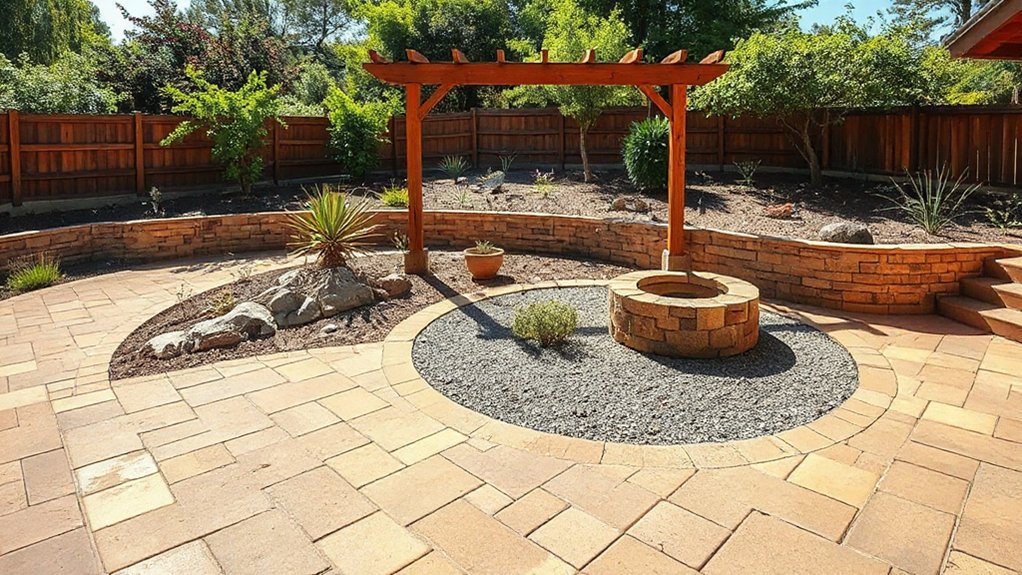
Before choosing materials, clarify your hardscaping goals and assess your local climate. You map outcomes first, defining function, aesthetics, and budget, then translate them into actionable criteria. Identify traffic patterns, drainage needs, and seasonal variation to forecast maintenance and replacement cycles. Assess sun exposure, wind, freeze-thaw risk, and soil conditions; these factors determine material performance and installation complexity. Align goals with landscaping trends to guarantee longevity without chasing fads, while prioritizing eco friendly options that minimize environmental impact. Document how each area will be used—entertainment, circulation, privacy, and accessibility—and set measurable success markers. Your final plan should balance durability with style, optimize water use, and allow for future changes. Clarity now prevents costly redesigns later and guides informed material selection.
Compare Hardscaping Materials: Durability, Maintenance, and Lifespan
Having defined your goals and climate, you’re ready to compare materials by how they perform in real use. Durability hinges on substrate strength, frost resistance, and slip safety, so you’ll prioritize structural integrity and load-bearing capacity. Maintenance demands vary: some surfaces resist staining, others require sealing or periodic resurfacing. Lifespan expectations depend on exposure, traffic, and maintenance diligence; expect longer cycles with proper upkeep. Material textures influence wear patterns and traction, guiding you toward combinations that preserve grip and aesthetics. Color coordination matters over time, as fading or weathering can shift the palette; choose hues and finishes that mask wear while remaining cohesive with surroundings. Evaluate performance data, then align choices with your climate, usage, and maintenance willingness for a robust, enduring hardscape.
Assess Cost, Availability, and Installation Fit
Assess cost, availability, and installation fit by aligning material options with your budget timeline and project constraints. You’ll analyze purchase costs, delivery fees, and potential bulk discounts upfront, then map them to your schedule to avoid delays. Compare lead times and reorder points for each option, noting季ical fluctuations and supplier reliability. Consider installation compatibility, required labor, equipment access, and site prep needs to prevent surprise workarounds. Evaluate material sourcing to guarantee consistent supply and reasonable prices, prioritizing options with transparent sourcing practices. Weigh environmental impact alongside performance, choosing materials that minimize waste and disruption. Document decision criteria, obtain written quotes, and verify warranty terms. Finalize a phased procurement plan that accommodates contingencies, ensuring choices remain within budget while meeting your timeline and project constraints.
Evaluate Aesthetics, Style, and Longevity

Evaluating aesthetics, style, and longevity starts with translating your vision into tangible design criteria and performance expectations. You assess how materials read from curb appeal to weathered patina, then align with your project’s function and longevity goals. You compare color options under different lighting, ensuring consistent tones across paths, walls, and seating. Texture variations matter for grip, slip resistance, and tactile experience, so you evaluate how each surface feels under foot and in hand. You map the style to architectural context—modern, rustic, traditional—and test whether the material’s density, porosity, and joint design sustain daily use and seasonal stresses. Your conclusions are precise, documenting expected color stability, fade resistance, and maintenance needs to protect long-term aesthetics.
Plan Practicalities: Pitfalls to Avoid
Choosing materials for hardscaping means you’ll want to anticipate real-world constraints rather than assume ideal conditions. Plan practicalities by mapping every step from excavation to finishing, identifying where delays, weather, or permits can derail progress. Confirm site dimensions, drainage, and load requirements so you don’t overbuild or underperform. Check product warranties and installation manuals to align expectations with reality, and prepare contingency budgets for common surprises. Prioritize materials with proven performance in your climate, and weigh ongoing maintenance needs against upfront costs. Consider Material sustainability early, ensuring your choices reduce resource strain over time. Evaluate supplier reputation: verify delivery reliability, accurate stock, and support after purchase. Document decisions, keep records of communications, and establish a clear project schedule to avoid rework and friction between trades.
Frequently Asked Questions
How Do I Balance Eco-Friendliness With Cost When Selecting Materials?
You balance eco-friendliness with cost by prioritizing sustainable sourcing and performing a rigorous cost analysis, weighing upfront prices against long-term durability, maintenance, and environmental impact. You compare options, negotiate bulk deals, and select materials that maximize value and sustainability.
Can I Combine Multiple Materials for a Cohesive Look?
Yes, you can combine multiple materials for cohesion. Start with color coordination and texture variation, layer thoughtfully, and keep proportions balanced; this creates visual harmony, durable contrasts, and a polished, intentional hardscape you’ll admire daily.
What Are Hidden Maintenance Needs Not Obvious at Purchase?
Hidden maintenance needs aren’t obvious at purchase: expect hidden costs and unseen repairs that emerge over time; inspect drains, compaction, drainage, sealants, and substrate stability, and budget for annual upkeep to prevent escalating, costly problems later.
How Will Climate Shifts Affect Material Longevity Over Time?
When you plan, imagine a cedar deck lasting decades while others crack short-term; climate resilience guards longevity, but you must choose material durability now. You’ll monitor wind, moisture, and heat exposure as trends push performance benchmarks.
What Warranty Coverage and Service Options Should I Expect?
You should expect solid Material durability assurances and clear Installation warranties detailing coverage scope, duration, and exclusions. You’ll receive responsive service options, including expedited repairs, documented processes, and on-site assessments to validate performance and guarantee timely, precise resolutions.
Conclusion
You stand at the crossroads where your yard learns to endure and flourish. Think of materials as travelers: each promises shelter, but only the seasoned one endures storms, heat, and time with quiet dignity. Choose the steadfast option, not the flashy mirage. Align it to your climate, budget, and daily life, and it will repay you with steady strength. When the right material finally clicks into place, your hardscaping becomes a trusted companion for years to come.
About the Author


