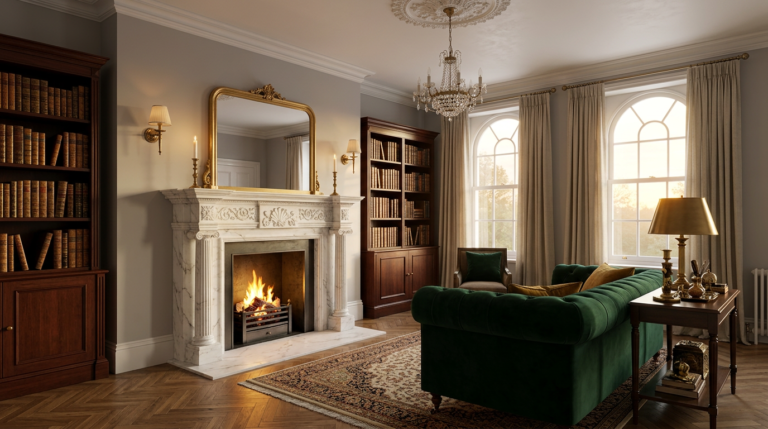

Start by pinpointing the 1970s features you’ll preserve, like rooflines, window configurations, built‑ins, and textured interiors, then blend them with a cohesive 1970s–modern direction—warm stone and taupe palettes, vintage furniture anchors, and restrained pops of pattern. Make interiors comfy and energy‑smart with airtight glazing, zone HVAC, and warm, layered textures. Refresh curb appeal by highlighting original architecture with vintage landscaping and period lighting. Quick wins include authentic lighting, retro color accents, and updated hardware that keep character while cutting costs—more practical tips ahead.
Key Takeaways
- Identify and preserve authentic 1970s architectural signatures (rooflines, window configurations, built-ins) while avoiding overdominance.
- Create a cohesive 1970s–modern direction using warm neutrals, layered textures, and vintage furniture as anchors.
- Prioritize energy efficiency with airtight glazing, insulation, programmable controls, and warm-dim LED retro lighting.
- Refresh curb appeal by highlighting original features, using period-appropriate lighting, and restrained color palettes.
- Implement quick wins: period-inspired fixtures, retro color accents, era-appropriate hardware, and durable textiles.
Pinpoint the 1970S Features You’Ll Preserve
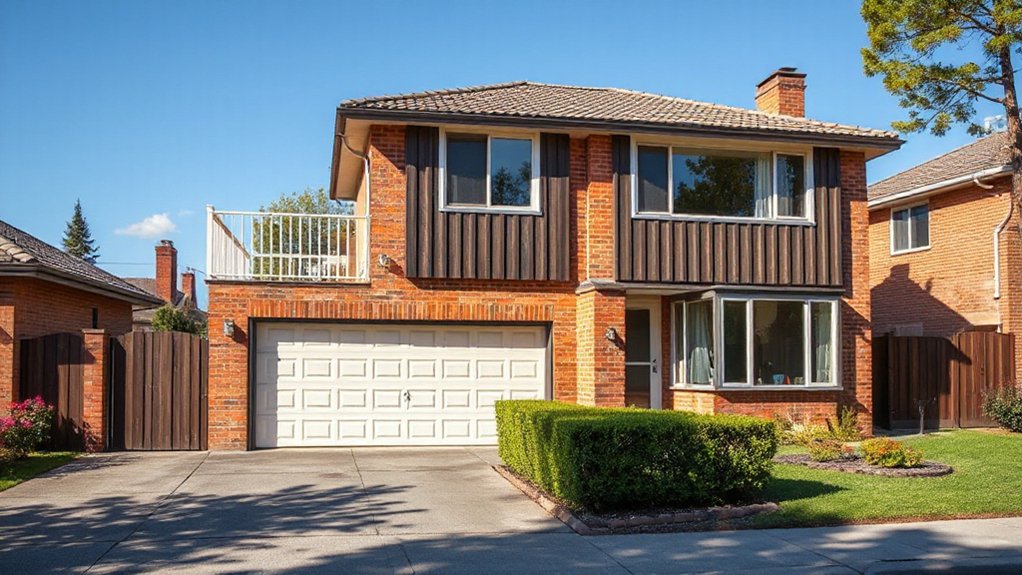
Identifying the 1970s features worth preserving sets the tone for your renovation. You’ll map architectural signatures that define the era while balancing modern relevance. Focus on structural traits: rooflines, window configurations, and built-in storage that carry authentic character without overpowering. For interior clues, consider vintage architecture cues like exposed wood, paneled walls, and subtle terrazzo or stone detailing, then assess how these elements integrate with your daily use. Preserve focal fixtures that endure, such as original lighting niches, fireplace mantles, or mid-century cabinetry loops, updating hardware only where necessary. When evaluating color and texture, lean toward warm neutrals, wood tones, and muted pops that echo the period. Incorporate retro furnishings thoughtfully to complement, not overpower, the preserved fabric of the home.
Set a Cohesive 1970s–Modern Design Direction
To harmonize preserved 1970s character with today’s living standards, establish a clear design direction that blends warmth, texture, and restraint. You’ll define a cohesive palette that anchors vintage cues to modern neutrals, guaranteeing the space reads as deliberate rather than eclectic. Start with a tonal backbone—stone, taupe, and warm greys—then layer with selective contrasts. Introduce Vintage furniture as statement anchors, pairing them with streamlined, contemporary silhouettes to avoid nostalgia overload. Use Retro textiles to weave tactile interest—density in upholstery, subtle geometric patterns, and restrained color pops. Maintain proportion across zones: keep access routes uncluttered, align lighting with the design rhythm, and ensure materials read as cohesive rather than competing. Document a mood board and implement in iterative, measured steps.
Make Interiors Comfy and Energy-Smart
To keep the home both comfy and energy-smart, start with high-value, low-effort upgrades that boost comfort without inflating costs. Prioritize airtight glazing, draft sealing, and programmable thermostats to cut heat loss while maintaining stable interiors. Choose insulation enhancements in attic and crawl spaces that pay for themselves through lower utility bills. Next, refine comfort with zone-aware HVAC and smart controls, aligning heated spaces with occupancy patterns. Introduce soft textures, layered fabric, and sustainable materials to elevate warmth without energy penalties. Accent with Vintage charm through carefully chosen finishes and furniture silhouettes that don’t compromise efficiency. Integrate Retro lighting with LED equivalents, pairing warm color temperatures with dimmable options to preserve atmosphere while reducing consumption. These moves deliver a cohesive, energy-conscious interior that remains welcoming and durable.
Refresh Curb Appeal Without Losing Character

Smart curb appeal reinforces the home’s character while boosting value, so start with a focused refresh that preserves its era-defining details. You’ll refine approach paths and plantings to emphasize original architecture, not conceal it. Prioritize vintage landscaping elements that echo mid-century geometry—structured beds, low shrubs, and brick edging—avoiding heavy modern ornamentation. Choose a restrained color palette that complements brick tones and window frames, then guarantee sightlines to architectural features remain clear.
Implement retro lighting to highlight key façades, entryways, and pathways, balancing ambiance with function. Use wall-mounted lanterns and ground-level uplights that read as period-appropriate rather than flashy. Replace dated hardware with period-correct finishes, and keep signage minimal. Finally, maintain clean simplicity: a tidy lawn, consistent edging, and unobtrusive irrigation to sustain the refined, character-forward exterior.
Budget Wins: Quick, Era-Respecting Tweaks
Small, low-cost tweaks can add immediate punch without undermining the era-defining character you’ve just refreshed. Budget wins arise from targeted, reversible changes that respect 1970s DNA while delivering modern utility. Start with lighting intent: install authentic-looking vintage lighting or contemporary fixtures that nod to the period’s forms, avoiding generic modern chrome. Next, curate retro color schemes for accent walls or cabinetry—think earthy oranges, olive greens, or mustard yellows used sparingly to refresh without overpowering. Update hardware with period-appropriate pulls and hinges to reinforce tone without a full overhaul. Flooring and textiles can be refreshed with peel-and-stick patterns or durable, era-inspired repeats. Finally, maximize daylight reflectivity through smart layout tweaks and window treatments that echo the era without feeling dated. These moves preserve character while delivering immediate, measurable impact.
Frequently Asked Questions
How Can I Update Insulation Without Removing Period Charm?
You can update insulation by adding high-performance, breathable layers within walls and roofs, preserving historical accuracy while retrofitting discreetly, and ensuring structural integrity with careful, professional detailing that minimizes intrusion into period features.
Which Lighting Upgrades Maximize Energy Efficiency and Mood?
Smart lighting upgrades maximize energy efficiency and mood by switching to LED upgrades, dimming scenes, and layered ambient, task, and accent layers. You’ll gain consistent color, reduced bills, and responsive controls that adapt to daily rhythms.
What Are Budget-Friendly Period-Accurate Material Substitutions?
Budget-friendly period-accurate substitutions include ply veneer, linoleum look vinyl, brass-tone hardware, cork flooring, and wool-blend rugs. You’ll verify vintage finishes and retro furnishings deliver authenticity, while staying affordable and durable for everyday living and lasting style.
How Do I Preserve Original Windows While Improving Efficiency?
You preserve original windows by careful restoration, then pursue efficiency with tight seals and modern VCTL glazing as needed. Window restoration techniques protect trim, while vintage window upgrades improve performance without compromising character or period details.
What Permits or Codes Apply to 1970S Renovations?
You’ll need to check local building codes and permit requirements for 1970s renovations, considering historical significance and zoning restrictions. You must obtain approvals before work, ensuring compliance with energy standards, fire safety, and preservation guidelines applicable to your property.
Conclusion
You’ll finish with a home that respects its 1970s soul while feeling revitalizing and livable. By preserving signature features, steering a clear 1970s–modern direction, boosting comfort and energy efficiency, and smartly rejuvenating curb appeal, you create lasting value without erasing character. If you worry about dated taste, remember: thoughtful updates can modernize without stripping charm. Stay disciplined with a tight budget, lean on proven tactics, and you’ll enjoy a standout, cohesive revamp that ages gracefully.
About the Author