

To refurbish a coastal cottage in Pembrokeshire, start with a structural, moisture-aware assessment: check for settlement, framing integrity, and moisture intrusion, then document defects with precise measurements. Select weather-resistant windows and doors, and use corrosion-resistant frames, multi-point locks, and proper drainage. Plan exterior waterproofing, robust insulation, and vapor management. Choose moisture-resistant, low-VOC finishes and coastal textures. Coordinate permits, budgets, and timelines with clear contractor communications; expect ongoing protection measures for wind and salt exposure as you progress, and you’ll uncover more practical steps ahead.
Key Takeaways
- Prioritize moisture management and corrosion-resistant fixtures to combat Pembrokeshire’s coastal humidity, salt spray, and potential mold risk.
- Inspect structural integrity and foundation dampness, documenting misalignments, rot, and rust with precise measurements for targeted remediation.
- Use marine-grade materials, low-VOC finishes, and water-resistant surfaces for floors, cabinetry, and countertops to reduce maintenance.
- Implement airtight insulation, ventilation strategies, and energy audits to achieve a comfortable, cost-efficient coastal interior.
- Embrace coastal-inspired design: driftwood textures, sea-tone color palettes, and low-maintenance textiles to reflect Pembrokeshire’s environment.
Assess the Cottage: Structure, Moisture, and Baseline Energy

Assess the cottage’s current condition by inspecting the structure for visible settlement, framing integrity, and any signs of moisture intrusion. You’ll chart baseline energy by noting insulation levels, air leakage, and window performance, linking these observations to anticipated post-refurbishment gains. In parallel, evaluate moisture indicators in walls, roof, and foundations, and identify potential condensation risks specific to coastal humidity. Document structural quirks, such as differential movement or era-specific fasteners, as these influence remediation strategy and material selection. Consider how coastal flora nearby may affect fungal risk and microclimate, and plan drainage and ventilation accordingly. You’ll also assess how Seaside acoustics, including wind-driven noise and solar gain, informs sealing, glazing choices, and thermal mass decisions for reliable comfort.
Pembrokeshire Permits and Planning Essentials
You’ll start by mapping the permitting timeline, identifying critical milestones and any potential delays that could impact your refurbishment schedule. Next, you’ll align your plans with Coastal Building Regulations and property-specific constraints to guarantee compliance from the outset. Finally, you’ll reference Approved Material Guidelines to select compliant, durable finishes and components for Pembrokeshire’s coastal environment.
Permitting Timeline Essentials
Managing the permitting timeline in Pembrokeshire requires a clear sequence of steps and accurate timing. You’ll map approvals, consultations, and submission windows to minimize delays. Begin with a pre-application review to identify constraints, such as site constraints or listed status, and align your plan with local objectives. Prepare essential documents: site plans, elevations, and a concise, technical justification for changes. Track statutory deadlines for Historic preservation and wildlife conservation considerations, and build in buffer periods for agency responses. Prioritize phased submissions where feasible, itemizing dependencies between permits and potential conditions. Maintain a centralized timeline, noting required action dates, responsible parties, and status updates. Regularly revalidate your schedule against evolving local policies to avoid late changes or rework.
Coastal Building Regulations
Coastal building regulations in Pembrokeshire set strict standards for shoreline siting, flood risk management, erosion control, and heritage constraints, and they directly influence permit scope and timing. You assess site constraints early, documenting coastal hazard zones, drainage paths, and access routes to prevent adverse impacts. Compliance hinges on robust flood defenses, restricted demolition near cliffs, and enhanced foundation detailing for subsidence-prone soils. You’ll need to integrate coastal wildlife considerations into planning submissions, ensuring habitat disturbance is minimized and seasonal work windows respected. Marine safety requirements dictate temporary works planning, coastal access management, and appropriate barrier systems during construction. Permitting authorities scrutinize cumulative coastal impact, alignment with local development plans, and long-term resilience. Adherence reduces retrofit risk and sustains coastal integrity while enabling prudent refurbishment.
Approved Material Guidelines
When selecting materials for refurbishment, guarantee all choices comply with Pembrokeshire’s planning standards, eco-credentials, and durability requirements; this includes sourcing from approved suppliers, verifying documentation, and documenting material performance under local climate and coastal conditions.
Approved Material Guidelines demand provenance traceability, conformity certificates, and performance data aligned with tidal exposure and salt spray. You’ll prioritize durable, low-maintenance substrates rated for coastal damp, ensuring corrosion resistance and fire-safety compliance. Prefer certified timber treatments, non-toxic coatings, and recycled-content options where feasible, without compromising integrity. Document material specs, installation methods, and warranty terms for inspections. Maintain a Coastal garden aesthetic with materials that resist weathering while enabling seamless integration with Seaside decor. Finalise selections via planning-approved schedules, updating project briefs to reflect any changes in material performance or regulatory guidance.
Set a Realistic Refurbishment Budget
Set a realistic refurbishment budget by outlining core costs and expected timelines, so you can track spend against a defined plan. Prioritize essential upgrades first to guarantee structural integrity, weatherproofing, and key systems are funded before discretionary finishes. Build in contingencies for unforeseen issues and market shifts to maintain momentum without derailing your schedule.
Set Realistic Budget
Creating a realistic refurbishment budget starts with a clear scope and honest cost estimates, then aligns expectations with what you’re willing to invest. You’ll define line-item categories—structural, mechanical, finishes, and contingencies—based on site assessments of the Pembrokeshire coast. Gather quotes from trades familiar with historical architecture and sensitive coastal environments, noting excavation, damp treatment, and wind-driven loads. Build a contingency buffer of 10–20% for unseen conditions, especially near salt-laden air and variable tides. Prioritize durable, low-maintenance materials that resist moisture and corrosion, while preserving character. Chronologically sequence work to minimize double handling and downtime. Track changes in real time, revising forecasts as bids evolve. Guarantee the budget remains aligned with achievable outcomes, avoiding scope creep while accommodating essential coastal flora considerations and heritage constraints.
Prioritize Essential Upgrades
Prioritize essential upgrades by distinguishing must-haves from nice-to-haves, ensuring the core envelope, moisture control, and structural integrity are addressed before embellishments. You’ll conserve budget by prioritizing systems and materials that prevent damage and field failures, then align aesthetics with long-term value. Use sustainable materials where feasible, balancing performance with cost, durability, and low maintenance. Coastal aesthetics should harmonize with function, avoiding frivolous alterations that threaten moisture management or stability.
- Define non-negotiables: insulation, vapor barriers, drainage, and load-bearing elements.
- Allocate contingency and phased milestones to avoid scope creep.
- Choose durable finishes and local, sustainable materials that resist salt, humidity, and wear.
This approach yields reliable protection, lower lifecycle costs, and a cohesive coastal character.
Build In Contingencies
To build in contingencies, establish a realistic refurbishment budget that accounts for inevitable overages, scope changes, and latent conditions. You’ll quantify risk factors, assign a contingency percentage, and document assumptions in a formal budget, with traceable approvals. Contingency planning begins with a baseline cost model, then layers potential variances by trade and phase, including procurement delays and design iterations. Maintain separate reserves for unforeseen structural issues, weather exposure, and material substitutions common to Pembrokeshire coastal projects. Reconcile contingency allocations against project milestones, updating forecasts as real data arrive. Embed emergency preparedness reviews into the budgeting cycle, ensuring access routes, temporary protections, and safety measures are funded. Clear communication of reserved funds reduces decision friction and supports controlled change management throughout the refurbishment. Cite oversight, audit trails, and governance to sustain financial discipline.
Inspect the Frame: What to Check First
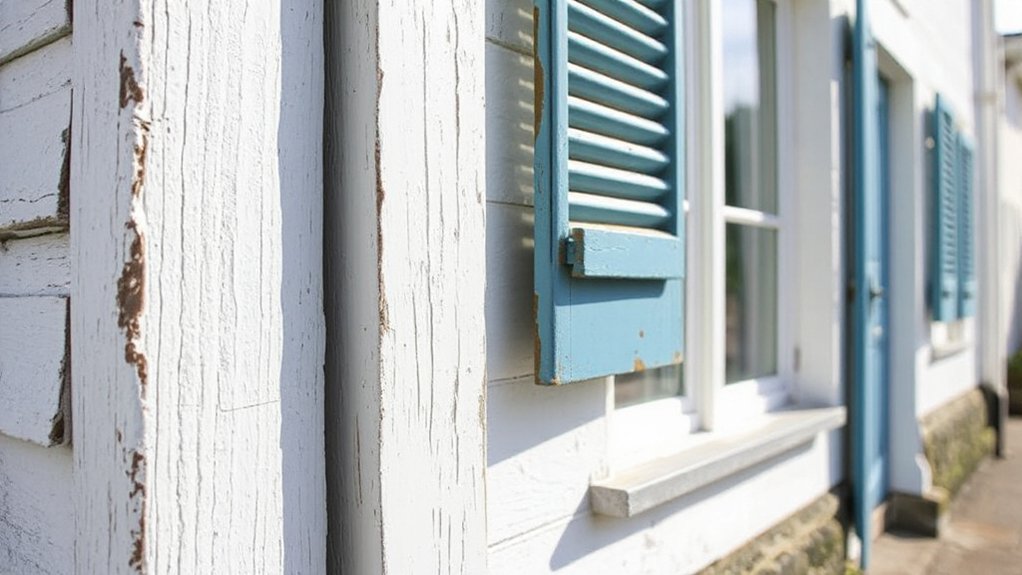
Inspecting the frame comes first because a sound skeleton supports every other repair. You’ll assess the structural integrity by inspecting joints, studs, and connections for signs of weakness, corrosion, or movement. Prioritize areas exposed to salt spray and moisture, where wood rot and rust appear earliest. Document defects with specific measurements and note any misalignments that could compromise loads.
- Check for cracks, bowing, and nail or screw pull-out at key joints
- Examine timber with moisture meter readings and look for soft, spongy feels
- Inspect fasteners, brackets, and plates for corrosion or loosening
Frame inspection demands thoroughness and record-keeping. Maintain a clear log of findings, related risks, and remediation steps to guarantee ongoing structural integrity throughout the refurbishment.
Choose Weather-Ready Windows and Doors
You should prioritize weather-resistant materials that withstand coastal exposure and salt spray. Choose windows and doors with durable frames, corrosion-resistant hardware, and seal systems designed for high-humidity conditions. Plan installations that guarantee continuous air and water management, emphasizing durability in harsh Pembrokeshire winds.
Weather-Resistant Materials
Weather-resistant materials are essential when selecting weather-ready windows and doors for a coastal cottage, as salt spray, humidity, and wind-driven rain demand durable, low-maintenance performance. You’ll prioritise corrosion-resistant frames, sealed joints, and protective coatings to minimise maintenance cycles while preserving aesthetic integrity. Choose hardware and glass that resist salt corrosion and glare, ensuring reliable operation in harsh coastal conditions. This approach supports Seaside architecture by maintaining clean lines and long-term stability, while respecting Coastal flora by reducing environmental impact through durable, energy-efficient choices.
- Corrosion-resistant frames with anti-slam seals
- Low-maintenance coatings and energy-efficient glazing
- Hardware designed for salt-spray environments and easy servicing
Durable Coastal Installations
Choosing weather-ready windows and doors for a coastal cottage means prioritizing durability without sacrificing performance. You’ll select frames and seals designed to withstand salt spray, wind-driven rain, and temperature swings, ensuring long service life. Opt for marine-grade timber or corrosion-resistant alloys with low-maintenance finishes, and install multi-point locking systems for enhanced security. Verify gasket quality and drainage routes to prevent moisture intrusion and mould risk. Prioritize UV-stable glazing and laminated panes to resist glare and impact from debris during storms. Consider shallow-sill designs to reduce water pooling and plan for proper flashing and ventilation to counter coastal erosion effects. Account for marine wildlife interactions, ensuring components are robust yet non-intrusive to the local ecosystem and safe for routine upkeep.
Insulation and Damp Control for Coastal Climates
Coastal damp presents unique insulation challenges, so start with a tight envelope and moisture management. You’ll implement robust air barriers, continuous insulation, and vapor control to minimize heat loss and condensation risks. Focus on materials with low vapor permeability and high moisture tolerance, paired with strategic detailing at joints and penetrations for a seamless layer.
- Insulation techniques that resist salt-laden air and humidity without degradation
- Damp prevention through controlled ventilation strategies and moisture buffering
- Precise detailing around windows, doors, and roof penetrations to prevent interstitial damp
Ensure the setup supports ventilation rates that balance humidity removal with energy efficiency. Regular inspections identify leaks, mold activity, and insulation settling early, preserving performance and comfort in this coastal environment.
Flooring That Withstands Salt, Humidity, and Wear
When selecting flooring for a Pembrokeston coastal cottage, you must prioritize materials that resist salt exposure, high humidity, and mechanical wear while remaining stable under temperature swings. Choose engineered hardwoods with minimal swelling, sealed with UV-cured finishes for moisture barriers and abrasion resistance. Consider stone-look porcelain tiles or quarried limestone alternatives that tolerate salt spray and wet zones without warp. Install with enhanced moisture barriers, proper expansion gaps, and airtight connections to deter salt creep and humidity ingress. Opt for low-VOC adhesive systems and seamless joints to reduce maintenance. Integrate sea-life-inspired features through Seaweed decor accents and driftwood-inspired textures without compromising durability. Pair with Driftwood furniture to echo coastal aesthetics while preserving long-term structural integrity and easy cleaning in wet conditions.
Coastal Textures and Fabrics: Softening the Sea-Wind

In Pembrokeston coastal homes, textures and fabrics must balance softness with resilience against salt spray and humidity, so select materials that remain inviting yet durable. You’ll optimize comfort by layering performance textiles with natural fibers, ensuring that softness meets longevity in sea-wind interiors. Seek breathable weaves, moisture-wicking blends, and fade-resistant finishes to preserve Seaside serenity without sacrificing practicality. Pair tactile surfaces with reinforced underlayers and tight weaves that resist abrasion from sand and grit, while maintaining a refined nautical aesthetic. Focus on color fastness and low-lint fabrics to minimize maintenance after storms and damp. Incorporate nautical textiles sparingly alongside smooth, wipeable textures to achieve cohesive, low-maintenance spaces.
- Seaside serenity through durable upholstery
- Nautical textiles with moisture resistance
- Layered textures balancing softness and longevity
Paint Palettes: Sea, Sky, and Sunlit Hues
Sea-blue walls and sun-washed neutrals form the backbone of a Pembrokeshire coastal palette, where hue choices reinforce both mood and resilience. You select paint palettes that balance depth and reflectivity, ensuring surfaces read as calm rather than brittle under coastal light. Begin with sea-toned bases for main walls, then layer sky-inspired accents in restrained, lighter tones to preserve openness. Introduce sunlit neutrals on trims and ceilings to maximize luminosity without glare. Consider finish variations: eggshell for living zones, satin for kitchens, matte for ceilings, to manage glare and maintenance. Consolidate color stories with cohesive swatches across furniture and built-ins, avoiding over-saturation. Finally, test in natural and artificial light at different times, validating coastal colors against durability, washability, and long-term harmony.
Heating and Energy Efficiency for a Tight Cottage
Is your tight Pembrokeshire cottage ready to maximize heat retention and minimize energy waste?
You’ll approach heating and efficiency with measured steps, prioritizing robust performance and minimal loss. Start with targeted energy audits to reveal heat leaks and quantify retrofit ROI. Then select insulation types suited to coastal conditions, focusing on continuous membranes, cavity fills, and vapor barriers that deter condensation. Pair this with airtightness measures and efficient heating controls to sustain comfortable temperatures without overspending.
- Energy audits guide retrofit priorities and monitor impact
- Insulation types optimized for moisture resistance and thermal mass
- Airtightness and smart controls minimize waste while maintaining comfort
With precise implementation, you’ll achieve a tighter envelope, steadier warmth, and lower running costs across seasons.
Kitchen Refreshes for a Cozy Pembrokeshire Kitchen

To refresh a Pembrokeshire kitchen efficiently, start with a practical plan that prioritizes moisture resistance, durable finishes, and smart storage. You’ll select moisture-tolerant cabinetry, sealed benchtops, and stainless hardware to withstand coastal humidity. Choose wipe-clean surfaces and low-maintenance tiling with a slim grout line for easy cleaning after sea air exposure. Implement hidden or compact storage solutions to maximize space without clutter, such as pull-out spice racks and corner carousels. Prioritize ventilation with a quiet extractor, and pair it with humidity sensors to maintain finish longevity. Color schemes should reflect the coast; texture can echo Coastal wildlife and Seaside flora through natural wood tones and subtle greens. Finally, document maintenance tasks, seasonal checks, and warranty details to guarantee long-term performance.
Bathroom Updates With Coastal Character
After revitalizing the kitchen with moisture-resistant finishes and smart storage, you’ll apply the same coastal-focused rigor to the bathroom to maximize durability and ease of maintenance. You’ll install moisture-tolerant tiling, corrosion-resistant fittings, and sealed cabinetry to withstand sea air. Choose Seaside decor accents and marine inspired colors to maintain a cohesive palette without clutter. Prioritize practical layout, efficient lighting, and simple ventilation to prevent moisture buildup and mold. Use non-slip floors and accessible storage to boost safety and usability. Maintain a restrained, durable finish that ages well in coastal conditions.
- Moisture-tolerant tiling with slip-resistant surfaces
- Corrosion-resistant fittings and sealed cabinetry
- Coastal palette and concealed storage for clutter control
Outdoor Spaces: Decking, Walls, and Weatherproofing
You’ll assess decking material choices, weighing durability, maintenance, and coastal suitability for Pembrokeshire’s winds and salt exposure. We’ll review wall weatherproofing techniques that protect against damp, salt spray, and temperature fluctuations, ensuring continuous performance. Finally, you’ll establish an outdoor space maintenance plan that sustains finishes, timber integrity, and overall weather resilience.
Decking Material Choices
Choosing the right decking material is essential for a coastal Pembrokeshire cottage, where exposure to sun, salt, and wind demands durability and low maintenance. You’ll evaluate performance, lifespan, and maintenance cycles to minimize future upkeep, while aligning with Beachcomber decor and marine inspired color palettes. Consider structural in-ground versus elevated framing, drainage, and slip resistance to guarantee safety and longevity.
- Durability under salt spray and UV exposure
- Slip resistance, drainage efficiency, and maintenance cadence
- Aesthetic fit with Beachcomber decor and marine inspired color palettes
Synthetic boards (composite) and treated timber offer balance between cost and longevity. Composite resists rot and stains but can show color fading. Treated softwoods provide affordability with proper finish and sealing. Your choice should meet local environmental conditions, confirm fastener compatibility, and support long-term coastal living.
Wall Weatherproofing Techniques
Wall weatherproofing for a coastal Pembrokeshire cottage blends robust barrier systems with low-maintenance care, ensuring walls resist salt spray, wind-driven moisture, and UV exposure. You optimize assemblies by selecting continuous air barriers, vapor retarders, and drip edges to prevent ingress and condensation. Apply marine grade paint to exterior surfaces for durable film protection, ensuring even coats and proper cure times against humidity cycles. Where masonry remains, use compatible salt resistant sealants to joint and cap exposed edges, reducing capillary draw. Seal penetrations with elastomeric sealants, detailing around windows and doors to promote drainage and ventilation. Prioritize breathable, moisture-tolerant finishes on stucco or timber, allowing substrate equilibrium while maintaining appearance. Regular inspections identify microcracks, enabling timely repairs before moisture compromise.
Outdoor Space Maintenance
Outdoor space maintenance combines proactive protection with practical upkeep for decking, walls, and weatherproofing. You’ll implement a systematic plan that preserves structure, aesthetics, and safety while enhancing usable area.
- Select durable decking boards and fasteners, then apply a weatherproof coating seasonally to minimize moisture ingress.
- Maintain wall treatments and seal gaps to deter wind-driven salt spray, inspecting joints and repointing where needed.
- Integrate garden furniture and low-voltage outdoor lighting to maximize usability without compromising protection.
This approach keeps outdoor areas cohesive with interior design, reduces future repairs, and supports responsive maintenance. You’ll schedule inspections after storms, clean surfaces to prevent staining, and verify drainage flow. Emphasize symmetry between furniture layout and lighting zones, ensuring accessibility and longevity for Pembrokeshire coastal conditions.
Local and Sustainable Materials: Sourcing Guide

Local and sustainable material sourcing should start with a clear material brief and verified supply chain. You define performance requirements, durability, and environmental impact, then verify origin and traceability across all inputs. Prioritize Coastal material selection by evaluating salt tolerance, moisture resistance, and UV stability for Pembrokeshire conditions. Compare timber species, joinery methods, and fasteners for longevity and low maintenance, ensuring certification where available. For masonry and insulation, choose breathable, low-embodied-energy options that align with local climate patterns. Document supplier declarations, delivery footprints, and waste streams to enable transparent decision-making. Integrate recycled content and responsibly sourced materials where feasible, balancing cost with performance. This approach supports Sustainable sourcing and reduces long-term operational costs while preserving coastal heritage.
Lighting for Brightness Without Glare
Effective lighting design balances brightness with glare control to maintain visual comfort and task accuracy. You’ll employ focused task lighting alongside diffuse ambient illumination to minimize hotspots. Choose lighting techniques that separate glare sources from work planes, using indirect lighting and baffles to sweep ceilings and walls. Dimmer controls enable responsive adjustments for day-to-night transitions and seasonal brightness shifts. For Pembrokeshire interiors, select color temps around 2700–3000K to preserve warmth without sacrificing clarity.
- Opt for layered lighting: ambient illumination, task lighting, and accent points
- Use indirect fixtures and anti-glare diffusers to reduce reflections
- Implement dimmers and occupancy sensors to optimize energy and comfort
Coordinating Work: Timelines and Contractors
Coordinating work on a Pembrokeshire refurbishment requires a clear, milestone-driven plan that aligns timelines with contractor availability and site conditions. You begin with contractor selection, evaluating track records, health and safety compliance, and capacity to meet coastal constraints. Once you shortlist candidates, conduct concise briefings to surface risk factors, access limitations, and permit requirements, then document responses for objective comparison. Project scheduling follows, translating milestones into a sequential calendar that respects dependencies, weather windows, and tidal considerations if external work is involved. Allocate buffers for material lead times and inspection cycles, and establish a centralized communications log to track decisions, changes, and approvals. Finally, require written confirmations of scope, cost, and schedule from each party before work starts to minimize disputes and delays.
Protecting Finishes From Wind and Salt Air
Coastal finishes face distinct challenges from wind and salt air, making robust protective strategies a prerequisite after selecting suitable materials. You protect surfaces by selecting sealants with proven Salt resistance and by applying a high-build, UV-stable topcoat. Use barrier primers on bare substrates to hinder moisture ingress and salt spray penetration, then complete with coats that cure to a low-gloss, smooth film for easier future maintenance. Periodic inspection identifies micro-damage early, enabling targeted repairs before corrosion or delamination sets in. Maintain ventilation to reduce humidity-driven corrosion and wash downs after storms to prevent salt buildup. Schedule reapplication timelines aligned with local exposure levels to sustain Wind protection and finish integrity.
- Sealant selection and priming sequence
- Regular inspection and targeted repair
- Timely topcoat reapplication
Personal Touches: Art, Textiles, and Coastal Cues
Art, textiles, and coastal cues infuse a Pembrokeshire cottage with character while preserving the practicality required for snug, weathered living. You integrate curated art installations to establish focal points without overpowering architectural lines, selecting pieces that resist coastal humidity and salt spray while remaining visually cohesive. Prioritize scale and provenance, documenting placement to minimize unnecessary handling. For textiles, opt for textile choices that balance durability with tactile appeal: marine-inspired palettes, fade-resistant fabrics, and weaves that withstand sun exposure and abrasion from coastal breezes. Implement repeats and motifs that resonate with the coastline, ensuring consistency across cushions, throws, and drapery. Maintain a restrained approach, allowing natural materials and architectural features to lead, while refining the space through measured contrasts and purposeful contrasts.
Frequently Asked Questions
How Long Will the Renovation Realistically Take in Pembrokeshire?
Renovation in Pembrokeshire typically takes 8–14 weeks, depending on scope and permits. You’ll experience seasonal delays, but plan for weather windows. You’ll preserve sea breeze while restoring coastal charm, ensuring finishes meet coastal exposure and humidity demands.
What Are Typical Coastal Restoration Costs in This Region?
What do coastal restoration costs typically look like in this region? You’ll budget for Beachfront landscaping and Coastal weatherproofing, with average ranges influenced by materials, permits, and accessibility, yet expect precision-driven estimates rather than guesswork. Are you prepared to plan?
Which Local Planners Are Known for Coastal Schemes?
Local planning contacts in Pembrokeshire include county and unitary authorities active with coastal schemes; consult coastal regulations early. You’ll engage planners like coast-focused teams, ensuring compliance, permit timing, and adaptive reuse considerations for sensitive shoreline developments.
How to Protect New Finishes From Wind-Driven Salt?
To protect new finishes from wind-driven salt, apply protective coatings and dedicated sealants, then regularly inspect for salt spray exposure. Maintain ventilation and recoat as needed, ensuring film integrity and adhesion to resist salt spray effectively.
What Compliance Standards Apply to Coastal Energy Upgrades?
You must comply with relevant building and energy upgrade standards (e.g., performance and safety codes) for coastal projects, ensuring marine biodiversity and coastal erosion considerations are integrated into design, materials, and monitoring throughout implementation.
Conclusion
You’ve mapped the path from structure to charm, and your plans stand on solid ground. With careful assessment, compliant permitting, and a tight budget, your coastal cottage will endure salt air and wind while feeling like home. Stay rigorous on inspection checklists, select weather-ready fittings, and coordinate trades to keep timelines tight and costs predictable. The result is a durable, bright retreat—where every detail hums in harmony, like a well-tuned instrument guiding you home.
About the Author