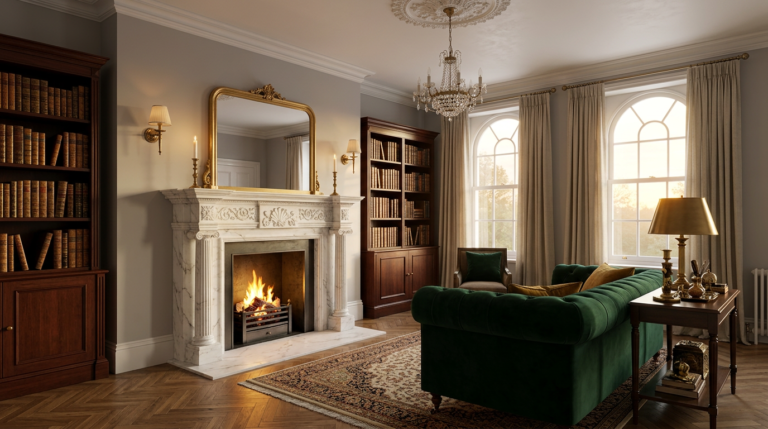

The best way to modernise a cottage in the Lake District is to start with set heritage goals and a sympathetic material palette that ages well. Prioritize local, durable materials and breathable finishes, like lime plaster and timber, and insulate carefully to reduce moisture swings without compromising character. Use low-mass heating, smart controls, and energy-efficient glazing. Plan around planning rules and local craft, sequencing work to maintain fabric integrity. If you want more, you’ll uncover further practical steps and tweaks.
Key Takeaways
- Prioritize heritage-aligned renovation goals with measurable criteria and staged budgets, ensuring modernization respects Lakeland character.
- Use local, breathable materials (stone, lime plaster, timber) and honest finishes that patina gracefully over time.
- Insulate and ventilate to minimize moisture, while keeping lime plaster, stone, and timber breathable for a comfortable climate.
- Optimize windows and lighting for daylight, warmth, and views, using high-performance glazing and proportionate framing.
- Plan flexible, cozy interiors with compact storage, modular furniture, and zoning lighting to suit seasonal occupancy.
Why a Lake District Cottage Feels Special

The Lake District cottage feels special because its setting blends intimate, time-honored charm with expansive nature. You sense this balance as soon as you arrive: stone walls, slate roofs, and a hearth that invites quick conversation. The landscape amplifies value without demanding display. Wildflower meadows frame your view, offering seasonal color that shifts with the weather yet remains consistently authentic. Mountain panoramas provide a dramatic backdrop, guiding your daily rhythms and inspiring efficient, purposeful living. This environment supports practical design choices that prioritize warmth, durability, and energy efficiency, while preserving character. You won’t chase trends here; you’ll integrate modern comforts into a proven vernacular. By honoring scale, materials, and natural light, you cultivate a cottage that feels timeless, resolute, and distinctly Lake District.
Set Heritage-Focused Renovation Goals
Set clear heritage goals from the outset to guide every choice, ensuring your renovation respects the cottage’s story. Choose materials that nod to local craft and history, not trends that will date quickly. Align every decision with authentic Lake District construction practices to preserve character while you modernize.
Heritage Goals Clearly Defined
How will you guarantee your cottage’s heritage informs every renovation decision from day one? You define clear, measurable goals that balance modern needs with heritage preservation. Begin with a concise brief: which elements express the building’s character, and which improvements must support accessibility, energy efficiency, and longevity without erasing history. Establish decision criteria tied to cultural significance, ensuring every change passes a heritage-impact test. Document approved scope, budgets, and durations, with quarterly reviews to prevent scope creep. Engage stakeholders—owners, builders, and conservation bodies—to secure consistent expectations. Prioritize essential fabric, documented construction methods, and historically informed details. By codifying these aims, you create a framework that keeps renovations aligned with the cottage’s story, delivering authentic results that respect the Lake District’s heritage preservation ethos.
Respectful Material Selection
Careful material choices anchor a heritage-focused renovation by prioritizing authenticity over fashion. You define standards that honor the cottage’s lineage while supporting modern living. Source materials with proven longevity and appropriate provenance, avoiding trendy shortcuts. Timber should come from sustainable forests or reclaimed sources; when new, it must resemble traditional species and grain, finished to a warm, period-appropriate patina. Stone, brick, and plaster deserve honest detailing and compatible textures, installed with breathable, lime-based mortars where applicable. For finishes, favor low-VOC paints and matte sheens that resist wear without shouting era. Integrate modern lighting and vintage furniture thoughtfully, ensuring they complement, not dominate, the space. Your goals balance comfort, durability, and respect for context, guiding every material choice you make.
Align With Local Craftsmanship
Aligning with local craft is where heritage meets place. You set renovation goals that honor regional skills and keep the cottage rooted in its landscape. Begin by identifying a few nearby tradespeople—local artisans whose work embodies Lakeland character. Prioritize projects that emphasize durable, low-impact materials and timeless details over fleeting trends. Seek handcrafted finishes that age gracefully, exposing natural textures and subtle imperfections as a mark of authenticity. Require clear documentation of craft credentials, provenance, and sustainability practices to assure each choice supports the local economy. Integrate traditional techniques—slate roofing, lime plaster, timber framing—where appropriate, while validating modern performance needs. Your objective is a coherent, legible narrative of craft that enhances place without erasing age or memory.
A Sympathetic Material Palette That Ages Well
A sympathetic material palette relies on timeless choices that age gracefully, from stone and timber to muted brick tones. You’ll want textures that weather naturally and patinas that deepen with time, rather than shout for attention. By prioritizing materials with inherent longevity and local resonance, you establish a cohesive, enduring Lake District character.
Timeless Material Choices
Timeless material choices anchor a cottage in the Lake District by balancing durability with character, ensuring the house ages gracefully rather than dating itself. You select materials that respond well to damp summers and brisk winters, maintaining integrity without shouting novelty. Embrace local timber for structure or cladding to evoke rustic charm while remaining practical through decades of use. Stone, quarried or reused, delivers enduring texture and a sense of place, reinforcing timeless elegance. Plaster and lime-based finishes breathe and age gracefully, avoiding slick, modern contrasts. Heating and insulation should be concealed within traditional shells, not revealed as overt modernization. Avoid trends that stiffen with time; prioritize honest material behavior and patina. The result is cohesive, durable, and subtly remarkable rather than flashy or fleeting.
Natural Weathering Appeal
Natural weathering is the honest counterpart to timeless materials, elevating a Lake District cottage with a palette that ages gracefully. You’ll benefit from a sympathetic material approach that respects context, scales, and climate, avoiding jarring contrasts. Choose finishes that reveal texture rather than disguise it, fostering rustic charm through natural patinas. Exposed timber, stone, and lime render develop nuanced tones as they weather, creating depth and character without constant maintenance. Prioritize breathable, low-synthetic coatings that allow moisture to move, reducing risk of failure. Pay attention to joinery, framing, and detailing to ensure weathered surfaces harmonize with contemporary interventions. Conservation-minded choices, like matching existing plaster or stone where feasible, reinforce authenticity. The result is understated elegance—quiet, durable, and distinctly Lake District.
Insulate for Comfort Without Losing Character
When you insulate, prioritize materials and details that boost warmth without compromising the cottage’s character. You’ll focus on seamless, breathable options that suit lime plaster, timber framing, and stone walls, preserving authenticity while tightening gaps. Choose high-performance batts or blown-in solutions that fit irregular cavities, with careful air-sealing at eaves, sills, and joints to minimize drafts. Aim for a balanced approach: insulation that enhances Thermal efficiency without creating moisture traps. Consider natural, low-VOC products to maintain indoor air quality and stave off odor or resin issues in older timbers. Acoustic comfort matters too; install discreet, density-minded layers to dampen impact and external noise. Document junctions for future maintenance, ensuring every retrofit respects character and long-term durability.
Heating Options Suited to Old Walls and Seasons
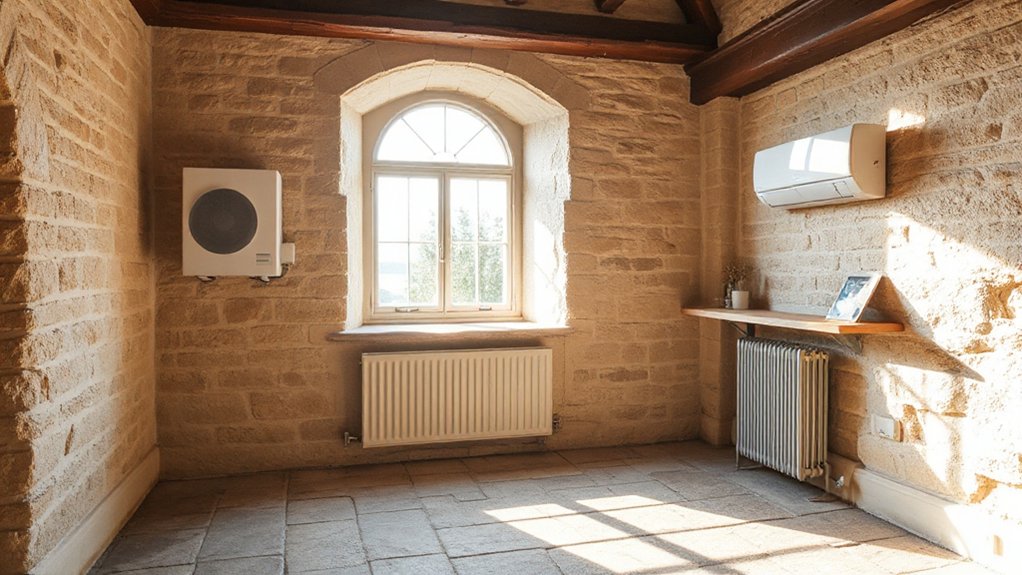
If you’re heating an old wall system, start with options that respect breathable materials and fluctuating seasons: consider low-mass, controllable heat sources like modern radiators paired with smart thermostats, or underfloor heating systems that won’t overwhelm lime plaster or timber framing. Modern heating should prioritize compatibility with stone, lime, and timber, minimizing moisture swings and structural strain. Wall insulation remains essential to reduce thermal losses, so combine discreet insulation with thermal bridging care. Opt for sealed, controllable zones that allow gradual warm-up, avoiding sudden temperature spikes that stress old walls. Choose heating elements that can be turned down when storms lash the Lake District, and maintain even temperatures to protect finishes. This approach balances comfort, heritage, and efficiency without compromising airflow or breathability.
Windows, Doors, and Light in Lake District Cottages
You’ll optimize light and layout with precise window sizing to maximize daylight and warmth. Choose door styles that frame views without compromising insulation, and select materials that balance durability with aesthetic of the Lake District. Consider frame options and glazing that enhance insulation while keeping the space bright and inviting.
Window Sizing And Light
Natural light is about balance: you want enough daylight to lift the mood and illuminate the space without creating heat gain or glare. You approach window sizing with precision, aligning proportions to room function and furniture layout. Proper scale matters: choose window sizes that frame views without overwhelming walls, ensuring openings support healthy natural illumination throughout the day. Consider sash ratios, insulation, and glazing performance to minimize heat loss in winter and glare in summer. Optimise light distribution by prioritising continuous vertical glazing for living areas and strategically placed smaller openings for circulation rooms. Position windows to capture key views while avoiding hotspots and draft paths. Window placement should serve ergonomics, energy efficiency, and visual comfort, not merely aesthetics.
Door Styles For Views
Door styles can dramatically shape views from a cottage, guiding how outdoor scenery is framed and experienced from inside. You’ll prioritise proportion, glazing, and swing to maximise light and landscape alignment. Select door styles that create seamless sightlines to key vistas, such as lake reflections or valley folds, without sacrificing ingress efficiency or security. Narrow, tall frames emphasize vertical drama, while wide, uninterrupted panels invite expansive horizon views. Consider flush thresholds and low-profile sills to reduce barriers between interior and exterior spaces, enhancing view enhancement. Material choices should balance durability with clarity of glass, ensuring minimal distortion of seasonal color. Finish and hardware influence perceived openness; opt for unobtrusive ironmongery that supports a modern cottage aesthetic. Aim for consistent geometry with surrounding landscape to sustain visual cohesion.
Frame Materials And Insulation
Frame materials and insulation set the baseline for comfort, performance, and views in Lake District cottages. You choose frame materials that minimize heat loss, resist damp, and preserve character—timber for warmth, aluminum-clad, or UPVC where maintenance matters most. Consider sash or casement designs that maximize light without compromising energy efficiency. Insulation techniques should prioritize airtightness, with continuous cavity insulation and high-performance glazing to reduce drafts. In windy fells, frames must tolerate movement and moisture, so coatings and detailing matter as much as the core specification. Favor triple- or double-glazing with low-emissivity coatings and warm edges. Balance cost against lifecycle performance, ensuring good U-values and solar gain where appropriate. Your aim: durable, quiet, bright spaces that age gracefully. Frame materials choices and insulation techniques define long-term comfort in a Lake District cottage.
Making the Most of Sloping Ceilings and Compact Storage
Even with sloping ceilings, you can maximize space and light by prioritizing low-profile storage, smart zoning, and purposeful lighting. In compact cottages, ceiling optimization becomes a blueprint for function: choose built-ins that nest under eaves, install shallow wardrobes, and insert drawers within knee walls to keep floor space clear. Use vertical channels—tall shelving beside doorways and alongside stair nooks—to draw the eye upward and reduce clutter. Zone rooms with contrasting lighting tasks: warm ambient glow for living areas, focused task lighting at desks, and hidden LEDs under shelves to illuminate corners. Select modular pieces that flex with seasons and occupancy. Prioritize storage solutions that balance accessibility with invisibility, preserving openness while sustaining practical, daily use.
Finishing Stone Walls and Plaster for Modern Living

Stone walls and plaster can define the mood of a modern cottage, so plan finishes that feel both timeless and low-maintenance. You’ll balance rustic texture with clean lines, choosing methods that endure. Focus on stone restoration where joints are sound and faces are solid, then treat surfaces for uniform appearance. For plaster techniques, use thin coats, controlled trowel strokes, and breathable mixes to preserve breathability and reduce cracking. Keep color palettes neutral with warm whites or soft greiges to reflect Lake District light. Maintain, seal, and test for damp before full finish. Prioritize repair over replacement to sustain character while meeting contemporary demands. Communicate expectations with trades upfront to ensure a calm, cohesive result.
- Assess stone restoration needs before plastering
- Choose breathable plaster mixes for longevity
- Use controlled trowel finishes for restraint
- Plan repairs to preserve texture and charm
- Test moisture and seal appropriately
Practical Floor Plans for Living Spaces and Cozy Nooks
Start with a practical layout that prioritizes flow, daylight, and flexible use, because a cottage lives and breathes through how you move through it. You’ll optimize room adjacency so daily routines feel seamless: living area near the entry, dining close to the kitchen, and work zones tucked away from noise. Prioritize floor plan flow by minimizing hallways and using open sightlines that visually expand compact spaces. Integrate built-ins and multipurpose furniture to conserve square footage without sacrificing comfort. Create Cozy corners where you can pause, read, or chat, framed by warm lighting and soft textiles. Use zoning cues—varying ceiling heights, rug delineation, and color shifts—to define functions without clutter. Remember, every choice reinforces cohesion, practicality, and the cottage’s intimate character.
Kitchen and Bath Upgrades That Respect Cottage Charm
A cottage kitchen and bath should blend practicality with delicate charm, so upgrade with durable, period-appropriate materials that age gracefully.
You’ll balance modern needs with timeless touches, using period-inspired cabinets, stone sinks, and wide shelves that echo Lakeland craft. Prioritize storage that stays tidy, not cluttered, and choose finishes that resist weather and humidity. Modern lighting highlights character without overpowering it, while energy-efficient Kitchen appliances keep daily routines simple and quiet. Install controls and fixtures that feel tactile and reliable, not clinical.
- Choose warm LED lighting to mimic candlelit evenings
- Integrate pull-out pantries and clever corner storage
- Fit resilient, easy-clean countertops
- Select compatible, compact Kitchen appliances
- Use soft-close doors for authentic, quiet operation
Sustainable, Local Sourcing for Lakeland Renovations

You’ll set the tone by prioritising Local Materials Sourcing, choosing stone, timber, and finishes that come from Lakeland quarries and mills. Embrace Lakeland Craftsmanship Values by supporting skilled trades who understand the landscape, its history, and its future. Adopt Sustainable Renovation Practices from the outset to minimize waste, maximise energy efficiency, and preserve the character of your cottage.
Local Materials Sourcing
Local materials aren’t just a detail in Lakeland renovations—they’re a foundation. You’ll source responsibly to reduce transport, support trades, and match the landscape. Prioritize local stone for walls and cladding to guarantee durability and thermal mass, while preserving regional character. Use handmade tiles where possible to add texture and authenticity, timeline permitting. Concrete and synthetic substitutes are kept minimal to honor craftsmanship and efficiency.
- Choose suppliers within the Lake District for reduced emissions and robust warranties
- Inspect stone batches for color, texture, and masonry compatibility
- Favor lime-based mortars to breathe and adapt with seasonal shifts
- Specify handmade tiles to sustain traditional patterns and finish
- Plan storage and stewardship to avoid waste and reuse offcuts
This approach delivers lasting performance, a cohesive aesthetic, and genuine Lakeland integrity.
Lakeland Craftsmanship Values
Lakeland craftsmanship rests on sustainable practice and immediate local engagement. You’ll prioritize enduring materials and skilled tradespeople who understand how the landscape shapes technique. Traditional craftsmanship informs every decision, from timber joinery to stone detailing, ensuring joints breathe with the weather and time. You’ll value local heritage by selecting suppliers who trace provenance, preserve historic methods, and sustain regional repertoires rather than chase novelty. Practical choices, like repairing existing fabric before replacement, demonstrate respect for the cottage’s character and the village economy. You’ll insist on transparent sourcing, minimal transport, and measured finishes that patina gracefully. The goal is cohesion between old and new, where function and form reinforce Lakeland identity without compromising performance.
Sustainable Renovation Practices
Sustainable renovation starts with sourcing and practice that respect place and people. You’ll prioritize local materials, lean on skilled Lakeland trades, and design for long life, reducing waste and transport. Seek eco friendly paint that minimizes volatile compounds while preserving colour and durability. Insist on high-efficiency insulation, timber from responsible forests, and heritage-compatible restoration techniques. Energy planning should favour Renewable energy options where practical, integrating heat pumps or solar while preserving character. Reuse existing fabric where possible, document provenance, and choose coatings and finishes with low environmental impact. Your approach blends modern performance with local identity, ensuring comfort without compromising the landscape.
- Local sourcing and skilled trades underpin responsible renovation
- Prioritise durable, low-waste materials
- Eco friendly paint selections for healthier interiors
- Renewable energy integration when feasible
- Prolonged lifespan through careful detailing and reuse
Planning Permissions and Lakeland Regulatory Context
Managing planning permissions in the Lake District requires a clear grasp of both national guidance and local regulations. You’ll navigate a layered framework: national planning policy, local authority housing and conservation aims, and Lakeland-specific overlays. Verify whether your cottage sits in a designated conservation area, a listed status, or within a National Park boundary, as these affect approvals and conditions. You’ll need to assess impact on landscape, heritage, and residential amenity, then prepare robust design justifications. Consider building regulations alongside planning criteria, ensuring structural integrity, accessibility, and energy standards are met. Be aware of zoning restrictions that might limit extensions, alterations, or changes of use. Early pre-application discussions can streamline decisions, saving time and avoiding costly revisions later in the process. Maintain precise documentation and respond to consultees promptly.
Project Sequencing: Budgeting, Timelines, and Contractors
Effective project sequencing starts with a clear budget, a realistic timeline, and a reliable contractor roster. You’ll map scope, costs, and contingencies up front, then align milestones with procurement and permit queues. Budget discipline prevents scope creep and protects interior lighting and landscape design priorities. Timelines should reflect weather, site access, and coordination between trades, with buffer for unexpected delays. Contractors must be vetted for reliability, capacity, and communication. Establish a single point of contact, transparent progress updates, and a change-management process to avoid rework. Resource planning, risk registers, and staged handovers keep the project moving with minimum friction. You’ll track costs, schedule, and quality against a written plan, then adjust tactically to protect overall value.
- Define budget, milestones, and approvals early
- Vet contractors and set one clear point of contact
- Schedule trades with buildable sequence and buffers
- Prioritize interior lighting and landscape design early
- Implement change control and regular progress reporting
Finishing Touches: Textures, Textiles, and Seasonal Mood Care

Textures, textiles, and seasonal mood care are the finishing touches that define a cottage’s character. You translate your modernisation into tactile warmth by prioritising textile textures across key surfaces: seating, throws, rugs, and window treatments. Choose durable, natural fibers—hemp, wool, cotton—paired with refined weaves and layered neutrals to temper bold accents. Seasonal decor should be subtle, switching with the calendar without repeated overhauls; think muted palettes for winter, airy brightness for spring, and restraint at peak summer. Balance pattern with solid blocks to maintain legibility in compact spaces. Consider acoustics: plush textiles soften echoes and improve comfort. Guarantee maintenance is feasible in rural dampness; treat fabrics and timbers with appropriate finishes. The result is cohesive, inviting, and aligned with Lake District living. Textile textures elevate everyday living.
Frequently Asked Questions
How Long Does a Lake District Cottage Renovation Typically Take?
You’ll typically need 8–16 weeks for a Lake District cottage renovation, depending on scope. You manage Interior lighting and Exterior landscaping efficiently, coordinate trades, and anticipate weather delays while keeping the project on track and within budget.
What’s the Average Budget for a Sympathetic Refurbishment?
Your average refurbishment budget sits around £50,000–£150,000, depending on finishes. Budget planning should start now, aligning with a realistic renovation timeline. You’ll balance materials, labor, and permissions, ensuring a steady renovation timeline and confident financial footing.
Can I Renovate Without Planning Permission?
Yes, you can renovate without planning permission in some cases, but you must follow building regulations and permitted development rules. You’re responsible for ensuring compliance, obtaining approvals where required, and preparing documentation to demonstrate safety, scale, and impact.
Which Local Craftspeople Excel in Lakeland Finishes?
Modern Lakeland shines where traditional craftsmanship meets you, and local artisans excel. You’ll want to hire those who prioritize authentic finishes; they deliver durable, period-appropriate results. Trust expert recommendations; connect with skilled locals, not just generic contractors. Anachronism—“galaxy-wide.”
How Do We Maintain Historic Charm While Adding Modern Tech?
You maintain historic charm by prioritizing Traditional aesthetics while pursuing Modern integration, ensuring discreet tech that respects materials, proportions, and craftsmanship, so you retain character yet enjoy contemporary comforts with seamless integration.
Conclusion
You’ve chosen careful, cohesive comfort, courting character without compromising modern ease. Commit to deliberate consistency, conserving craft and climate, championing local lime, wool, and heritage hues. Plan pragmatically: phased fixes, fixed budgets, finite timelines, and trusted trades. Personal, pragmatic, perceptive, place-aware—preserve _past_ while propelling _present_. Seek sympathetic sourcing, solid scaffolding, and sheltering insulation. Succeed through steady stewardship, sensible sequencing, and seasonal sensibility, shaping a cottage that captivates, comforts, and continues.
About the Author