

Wood sash windows offer classic character, natural insulation, and durable frames, making them a solid long‑term choice if you maintain them well. You’ll enjoy authentic aesthetic, various finishes, and genuine wood value, but they require regular upkeep, higher upfront costs, and careful moisture management to prevent warping or rot. They perform well with proper sealing and energy upgrades, yet repairs can be needed over time. If you want more details, you’ll find practical guidance ahead.
Key Takeaways
- Wood sash windows offer timeless aesthetics, warm natural grain, and versatile finishes to suit traditional or modern designs.
- They provide good natural insulation when paired with proper timber, seals, and finishes, reducing drafts.
- Maintenance is essential: regular sealing, painting, and weatherproofing prevent moisture damage and warping.
- Durability depends on wood species, treatments, and hardware; improper care can lead to rot or sticking sashes.
- Restoration is often feasible and cost-effective compared to full replacement, preserving character and potential energy improvements.
What Are Wood Sash Windows?
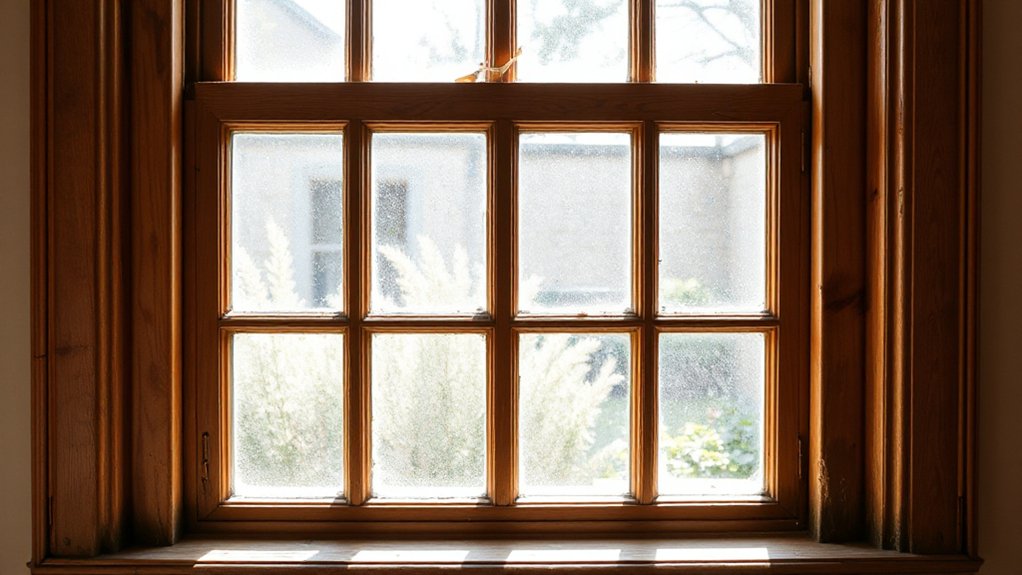
Wood sash windows are traditional window units with hinged sashes that slide vertically or horizontally within a wooden frame. You see a design rooted in craftsmanship, where each sash moves in guided tracks, allowing controlled ventilation and easy cleaning.
The core simplicity rests on three elements: sash, frame, and seals. Wood grain informs character, varying from fine smooth grains to bold patterns, giving each unit a unique aesthetic.
A solid frame provides rigidity and long-term durability, while the sash design supports reliable operation.
Paint finish matters: it protects, seals, and enhances color depth. Proper preparation and high-quality finishes resist moisture and UV exposure.
You’ll appreciate the tactile feel, thermal inertia, and the traditional silhouette that complements classic architecture.
Regular maintenance keeps performance steady and appearance vibrant.
How Wood Sash Windows Stop Heat Loss
Wood sash windows cut heat loss mainly through insulated timber frames and tight-sealing joints. You’ll notice fewer drafts as the timber provides natural insulation, while improved seals trap warm air inside.
This approach sets up a discussion on how sealing tech further enhances energy efficiency.
Insulation Through Timber Frames
What keeps heat from slipping through timber frames? Your sash windows rely on precision timber craftsmanship to minimize gaps and thermal bridging. The frame’s tight joints, mitered corners, and well-fitted sashes reduce air leakage, while thoughtfully chosen timber species stores and moderates temperature fluctuations.
Insulation begins at the frame interface: dense, stabilized wood resists seasonal expansion, maintaining a snug seal around operable parts. Subtle wood grain textures inform you of moisture behavior and finish compatibility, guiding maintenance that preserves insulating performance.
When properly finished, coatings minimize surface conduction and protect against moisture ingress, supporting long-term stability. Remember, consistent maintenance sustains the frame’s thermal barrier, ensuring that heat stays inside during winter and outside during summer.
Sealing Tech for Heat Loss
Sealing tech matters because the smallest gaps drive heat loss in wood sash windows. You can cut this loss with targeted sealing, edge treatments, and precise installation.
Start by inspecting frames for cracks, then use flexible, paint-compatible sealants that move with wood. Focus on sashes, blank gaps around glazing beads, and the meeting rails.
For glazing, choose innovative glazing options that pair well with existing frames, reducing heat transit without sacrificing aesthetics.
Implement thermal barriers where routes exist, such as reinforced weatherstrips at sashes and counterweights, to block drafts without hindering operation.
Sealants should cure cleanly and maintain flexibility across seasons.
Track performance with simple air-tightness checks, and re-seal as needed to sustain efficiency over time.
Aesthetics: Wood Sash Windows’ Timeless Look
Aesthetics alone can define a room, and wood sash windows deliver a timeless appeal that’s hard to match. You’ll notice how natural grain and warm tones complement traditional and modern palettes, elevating character without shouting for attention. The look ages gracefully, matching architectural eras from Craftsman to contemporary minimalism, while offering subtle texture that paints can’t replicate.
Color options and design flexibility matter here: stain, paint, or clear finishes let you tailor mood, contrast, and harmony with surrounding elements.
- Color options: stains and paints that highlight grain or create bold accents
- Design flexibility: operable sashes, trim profiles, and glazing choices
- Timeless appeal: classics endure as trends shift, maintaining value and elegance
Wood Framing vs Alternatives: Pros and Cons
Wood framing offers solid, natural rigidity and traditional charm, but alternatives like aluminum, vinyl, and composite can deliver lower maintenance, improved insulation, and greater design flexibility.
You weigh strength, durability, and cost, then decide how it aligns with your project timeline.
Wood frames excel in aesthetic integration and repairability, yet they demand more upkeep and seasonal attention.
Aluminum resists corrosion and stays slim, expanding design options without bulk, while vinyl minimizes maintenance with stable performance and quick fabrication.
Composite blends wood’s feel with synthetic stability, offering consistent dimensions and reduced warping risk.
Consider color options to match interiors and exteriors, and hardware styles to fit your hardware budget and style.
Your choice should balance maintenance, budget, and visual cohesion, delivering reliable operation and consistent window performance.
Durability: Weather Resistance and Warping Risk

Weather resistance and warp risk hinge on wood type, treatment, and assembly details; with proper care, sturdy wood frames shrug off moisture and temperature swings, but neglect invites swelling, cracking, and shape distortion.
- Wood grain alignment and selective texture impact moisture paths, affecting long-term stability.
- Weather durability hinges on exterior-grade finishes, proper sealing, and regular maintenance cycles.
- Correct joinery and fasteners minimize warping under load and seasonal stress.
You’ll maximize performance by choosing durable species, applying a robust, breathable finish, and ensuring airtight, well-aligned joints. Regular inspection catches finish wear and minor cracks before they grow. Avoid soaking indiscriminately and monitor for warping signs in changing seasons.
With disciplined care, your wood sash windows resist moisture intrusion and maintain true, functional frames, preserving opening efficiency and structural integrity.
Seasonal Performance: Drafts, Seals, Condensation
Are drafts undermining comfort in extreme temps, or do seals and condensation tell a clearer story about seasonal performance? You evaluate wood sash windows by how well gaps are controlled, how seals hold, and what condensation reveals about moisture management.
Drafts signal insulation gaps, so you’ll notice room-to-room temperature swings and increased HVAC load. High-quality weatherstrips and properly aligned sashes reduce air leakage without compromising operation.
Condensation indicates interior humidity balance and window surface temperature; excessive buildup points to either failed glazing seals or inadequate interior ventilation.
In practice, address seasonal performance with precise sealing, compatible caulks, and controlled ventilation. This affects interior decoration by maintaining consistent aesthetics and comfort, while improving soundproofing by lowering transmitted vibrations through tightened joints and fewer air channels.
Maintenance Essentials: Painting and Sealing
You’ll start with proper prep and a fresh coat—prime and prime coats set your finish up for long life. Maintain the seal by inspecting edges and reapplying as needed to keep moisture out.
This approach, focused on sustained seal maintenance, minimizes peeling and guards against wood damage.
Prep and Prime Coats
Before applying finish to wood sash windows, prep and prime coats are essential steps that protect the substrate and guarantee lasting adhesion. You’ll create a stable base by cleaning, repairing, and sanding as needed, then applying a suitable primer for your chosen finish.
This reduces peeling and improves color uniformity, while extending the life of the paint job. Focus on compatible products for wood and moisture exposure, and address any damage before priming.
- Establish a cleaning schedule that targets dust, grime, and mildew before priming
- Fill cracks, gaps, and nail holes for a smooth surface
- Select primers and topcoats that tolerate wood movement and protect against moisture
Note: consider Glass replacement as part of ongoing maintenance planning.
Sustained Seal Maintenance
Sustained seal maintenance keeps wood sash windows moisture-resistant and looking sharp by enforcing timely inspection, cleaning, and re-coating as needed. You should routinely inspect for cracks, peeling paint, and softened areas, then address them before moisture penetrates the wood.
Clean surfaces with a mild cleaner and dry thoroughly to prevent mildew and rot, then select high-quality, exterior-grade sealants or paints compatible with wood. Reapply caulk where gaps appear to maintain a continuous barrier against weather.
Schedule painting or sealing on a regular cycle to maintain energy efficiency, reduce drafts, and extend life. This practice supports energy conservation by preserving insulation boundaries.
It also aids climate adaptation by resisting temperature swings and moisture intrusion, keeping frames stable and reducing maintenance surprises over time.
Energy Efficiency: Insulation Mechanisms Explained
Insulation is the core of a wood sash window’s energy performance, controlling heat flow through frames, sashes, and glazing. You improve efficiency by targeting material quality, joint tightness, and glazing techniques, not gimmicks.
Vintage charm meets modern upgrades when you choose well-sealed frames, low-conductivity glass, and properly aligned sashes. Precision matters: air leaks dilute insulation far more than thickness alone, so focus on gaps and weatherstripping.
- Seal integrity: tighten joints, replace worn weatherstrips, and use glazing beads that fit snugly
- Glass and glazing: opt for double or triple glazing with low-emissivity coatings
- Frame controls: reinforce headers, insulate cavities, and address cornerstone drafts
This approach delivers measurable comfort and lower energy use without sacrificing style.
Installation Realities: Fit, Restoration, DIY
You’ll confront fitment challenges as you install or restore sash windows, so expect precise measurement, shimming, and potential frame tweaks.
Restoration techniques vary in complexity, from careful rot repair to finishing and weatherization, each demanding patient, skilled handling.
If you DIY, weigh time, tools, and safety against professional results to decide what you can confidently tackle.
Fitment Challenges
What’re the practical hurdles when fitting or restoring wood sash windows? You face installation challenges that hinge on precise measurements, ancestral profiles, and frame distortions.
Fitting difficulties arise from square-ness shifts, warped casings, and uneven reveals that disrupt true alignment and operation. You must assess material condition, hardware compatibility, and seal integrity before committing to a method.
Plan for trimming, draft-proofing, and hardware tuning—each step affects final performance and longevity. Efficiency comes from forethought, not improvisation.
- Measurement accuracy and square-ness checks
- Warped frames and deteriorated sashes
- Hardware compatibility and seal optimization
Restoration Techniques
Restoration techniques demand a disciplined approach that respects both the original sash profiles and the realities of aging frames. You assess each sash, noting wood grain patterns and existing joints to determine where restraint, not force, is required. Begin with removal and careful labeling, preserving sash weights and counterbalance alignment.
Clean surfaces without oversanding, then repair cracks with compatible resin or epoxy, matching grain and color for seamless integration. When replacing glazing, source compatible glass thickness and weights, avoiding distortions that alter operation.
Refinish with breathable finishes and minimal buildup to maintain movement. Recycled joinery stays tighter when you reassemble with original fasteners; avoid over-tightening.
Finally, test operation across all sashes, ensuring smooth, balanced movement, precise sealing, and durable longevity.
DIY Considerations
Are you ready for a pragmatic look at installing wood sash windows? You’ll face real installation realities, from fit to restoration, with a DIY mindset.
Precision matters: correct rough opening, plumb frames, and square sashes minimize future movement and drafts. Expect finish prep, sealing, and hardware alignment to dominate time and budget.
Consider hardware upgrades for smoother operation and longer life, and plan for glass options that balance aesthetics, safety, and energy efficiency.
If you don’t have masonry experience, you’ll skip DIY in walls and hire professionals for a clean, stable install.
You’ll need accurate measurements, compatible sash profiles, and secure fasteners. Prepare for potential repainting and seasonal seal checks.
- Hardware upgrades
- Glass options
- Accurate measurements
Historical Homes: Are They Right for Period Properties?
Historical homes bring character and craftsmanship, but they’re not for every property. When you consider period properties, you gauge fit against achievable goals, not nostalgia alone.
You’ll prioritize authentic detailing, sturdy joinery, and proportionate sash movement over quick fixes. Modern aesthetics can clash with original lines, so decide if you’ll embrace a historically faithful look or blend subtle contemporary touches that don’t erase provenance.
You’ll also weigh maintenance demands, like periodic painting, joinery upgrades, and draught sealing, against disruption and cost.
Material sustainability matters, guiding you toward durable woods, responsibly sourced frames, and efficient glazing.
If you value soundproofing, energy efficiency, and long-term heritage preservation, historical homes can align with your project, provided you commit to disciplined restoration and informed material choices.
Environmental Impact: Sustainability and Alternatives
Energy use and material choices drive the environmental footprint of wooden sash windows, so selecting options that minimize embodied and operational impacts is essential. You can reduce this footprint by prioritizing resilient design, efficient glazing, and responsible sourcing.
Consider recycling initiatives that close the loop on waste and extend product life through refurbishing rather than disposal. Opt for environmentally friendly materials where feasible, and favor suppliers with transparent lifecycle data.
Reuse and repair preserve embodied energy while maintaining performance. When replacing, select high-performance frames and low-VOC finishes to improve indoor air quality and energy efficiency.
Assess end-of-life planning to ensure components are recoverable or recyclable, not landfilled.
Common Wood Species for Sash Windows
Wood species matter for sash windows because each type offers a distinct mix of strength, stability, and visual appeal. You’ll encounter common choices like pine, oak, maple, and cedar, each with practical tradeoffs for durability and workability.
Pine is affordable and easy to mill, but softer grains mean more dents unless properly finished.
Oak provides exceptional hardness and a pronounced wood grain, demanding stronger joinery and quality hardware.
Maple offers uniform texture and a smooth surface, though availability and cost vary by region.
Cedar resists decay and warping, yet its lighter color may require more frequent treatment.
Consider wood grain and veneer finish when selecting appearances; veneer can deliver high-end looks with stable dimensions on lower-cost cores.
Choose species aligned with climate, maintenance, and aesthetic goals.
Common Problems and Fixes for Wood Sashes
Warping is a common issue you’ll notice when moisture management fails, so understand its causes and address wood swelling, cupping, or twist early.
We’ll cover practical repair techniques for joints, fasteners, and sashes, plus when to replace sections rather than patch.
Then we’ll outline preventative maintenance tips to minimize future problems and extend sash life.
Wood Sash Warping Causes
When wood sash windows are exposed to moisture and fluctuating humidity, warping becomes a common issue, compromising fit and operation. You’ll see bowed frames, sticking sashes, and misaligned tracks due to uneven swelling and drying. This is wood warping driven by moisture damage, not mere cosmetic flaws. If you ignore it, gaps form, increasing heat loss and draft.
- Moisture exposure from leaks, bathymetric humidity, or poor flashing accelerates warping.
- Duration and cycles of wetting/drying drive tension and shape change.
- Grain orientation and wood species influence susceptibility and repair effort.
Act early: dry conditions, seal joints, and control humidity to minimize warping. In most cases, addressing source moisture curtails progression and preserves operation.
Common Repair Techniques
If your wooden sash won’t latch, sticks, or drags, you’re likely dealing with common repair issues that can be solved with targeted fixes. Start by inspecting wood grain for swelling or rot; cut away damaged areas and treat with preservative before re-glazing.
Tighten or replace loose or worn sash cords and verify sash weights balance the window properly; correct balance prevents rubbing and sticking.
Clean tracks with a stiff brush, then lubricate hardware and hinges with graphite or silicone—not oil, which attracts dust.
Check fasteners and misaligned sashes; adjust or shim as needed to restore proper seal and operation.
Repaint or re-varnish exposed wood to protect against moisture, and seal joints to reduce future binding.
For persistent gaps, re-glaze or replace sections rather than forcing movement.
Preventative Maintenance Tips
Regular preventive checks keep wooden sash windows operating smoothly and extend their life. You should adopt a simple routine: address rot early, seal gaps, and lubricate moving parts to prevent sticking and drafts. Preventative maintenance minimizes costly repairs and preserves efficiency through seasons with minimal disruption.
By performing seasonal inspections, you catch moisture intrusion, paint failure, and sash misalignment before they escalate.
- Inspect for cracks, peeling paint, and wood decay; repair or replace sections promptly
- Re seal and repaint exposed surfaces; apply weatherstripping where needed
- Lubricate hinges, pulleys, and balance mechanisms; test operation and adjust tension
Follow these steps to maintain performance and longevity, ensuring your windows stay functional and energy-efficient year-round.
Restoration vs Replacement: When to Repair or Swap
There comes a point when deciding between restoration and replacement hinges on value, longevity, and cost. You weigh three factors: structural condition, historical integrity, and expected lifespan.
If a sash or frame shows extensive rot, warped components, or compromised glazing, replacement often proves more reliable and cost-efficient long term. Conversely, when frames are solid, muntins intact, and only minor detailing needs attention, restoration preserves authenticity and can be cheaper upfront.
Modern innovations in coatings, sealants, and sash hardware improve performance without sacrificing character, shifting the cost analysis toward longer-term savings. You should also consider energy efficiency, security upgrades, and maintenance cycles.
In many cases, a targeted repair plan extends life and preserves value faster than a full swap.
How to Choose the Right Wood Sash Window
Choosing the right wood sash window starts with understanding your goals for performance, appearance, and longevity. You’ll evaluate materials, profiles, and craftsmanship to match your home’s style and climate.
Prioritize sash operation, insulation, and finish durability to reduce maintenance over time. Consider how artistic embellishments and modern adaptations fit your project, ensuring the final look aligns with historic or contemporary sensibilities.
- Assess energy efficiency, weather sealing, and window spacing for optimal comfort
- Compare profiles, joinery, and finish options to balance heritage value with reliability
- Plan for maintenance needs, hardware quality, and possible decorative upgrades
Focus on reputable mills and installers, request samples, and review warranties.
With careful selection, you achieve lasting beauty, performance, and value.
Frequently Asked Questions
Do Wood Sash Windows Require a Maintenance Plan?
Yes, you should maintain a plan. You’ll schedule annual inspections, repaint and seal wood, and address rot promptly. Wood preservation protects durability, while preserving Aesthetic appeal keeps your home looking classic and valuable.
How Long Do Wood Sash Windows Typically Last?
Wood sash windows typically last 50 to 100+ years with proper maintenance. You’ll preserve Historical authenticity and maximize Aesthetic appeal by sealing, painting, and addressing rot early, ensuring ongoing performance and weather resistance for decades.
Can Sash Windows Be Retrofitted With Energy-Efficient Glass?
Yes, you can retrofit sash windows with energy-efficient glass. You’ll dramatically cut drafts and costs. Glass upgrade boosts energy efficiency, reduces heat loss, and improves comfort, while preserving the sash’s charm and operation.
Are There Fire-Rated Wood Options for Sash Windows?
You can use fire-rated wood options, but check that the product carries appropriate certifications. You should consider fire resistant treatments and coatings, and compare with alternative materials for performance. Confirm compliance, installation compatibility, and long-term maintenance implications.
Do DIY Repairs Affect Property Insurance Eligibility?
Approximately 70% of homeowners underestimate DIY repair risks, and you may face insurance implications. Do not DIY repair; mishandling sash windows can raise premiums or void coverage. Insurance implications hinge on professional work; DIY repairs jeopardize eligibility.
Conclusion
Wood sash windows offer classic charm with solid performance, but they demand upkeep. If you value warmth, natural insulation, and timeless aesthetics, they’re worth the care. With proper maintenance, proper sealing, and selective refinishing, you’ll keep heat in and drafts out. Think of them as a trusted old friend: sturdy, but needing the occasional tune‑up. When lifespan or major rot becomes evident, restoration beats a premature swap. Choose quality timber and professional rehab for lasting appeal.
About the Author


