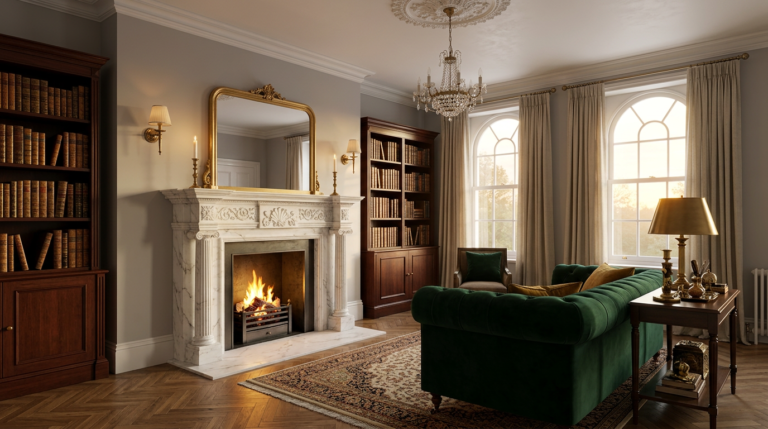
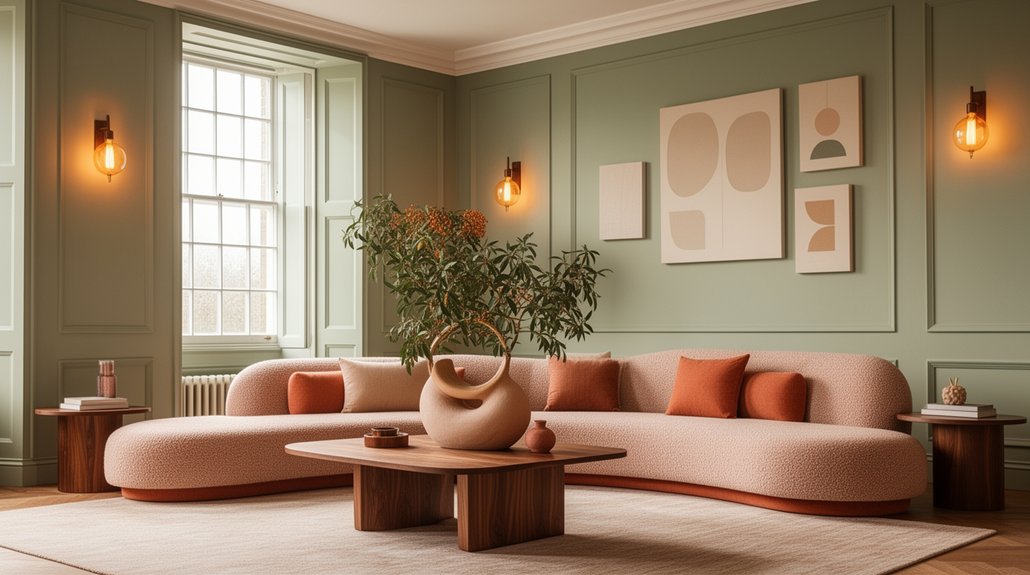
UK homeowners are embracing comfort-forward interiors in 2025, prioritizing soft textures, warm neutrals, and flexible layouts that adapt to work and downtime. You’ll find tactile surfaces—boucle, suede, linen—and warm timbers paired with low-sheen finishes for lasting warmth. Craft provenance guides purchases, while modular, DIY-friendly patterns support multi-use rooms. Green tech and biophilic accents boost well‑being and efficiency, with smart climate controls and low‑VOC materials. Stay with us to uncover practical tips and examples you can apply today.
Key Takeaways
- Comfort-driven layouts blend living, work, and relaxation with advanced insulation and programmable climate systems for year-round coziness.
- Warm neutrals and soft textures like boucle, suede, and brushed wool create tactile, inviting interiors with matte finishes and natural timbers.
- Craftsmanship and provenance drive value, with certified methods, transparent supply chains, and heritage stories enhancing authenticity.
- Flexible, DIY-friendly patterns and modular furniture support changing room uses and space-saving solutions.
- Green tech and biophilic design integrate smart, low-energy systems, sustainable materials, and indoor greenery for well-being and efficiency.
Why UK Homes Are Embracing Comfort in 2025

Gaps in formal rigidity have given way to spaces designed for everyday ease, and UK homes reflect this shift through comfort-led layouts and materials. You’ll notice a measurable pivot toward functional luxury, with luxury lighting shaping ambient complexity without clutter. Minimalist furniture dominates seen layouts, prioritising clean lines, adaptable scales, and hidden storage to preserve calm sightlines. Data shows living areas expanding into multifunctional zones, enabling work-from-home routines alongside relaxation, while thermal comfort gets a boost from advanced insulation and controllable climate systems. You benefit from balanced textures and tactile details that amplify coziness without sacrificing polish. Trends converge on fewer surface distractions, more natural daylight, and curated focal moments. This comfort-forward approach supports longer daily durations at home, aligning with evolving lifestyle expectations.
Soft Textures and Warm Neutrals: Fabrics, Surfaces, and Finishes
Soft textures and warm neutrals anchor contemporary UK interiors, delivering tactile richness without visual heaviness. You’ll notice a shift toward tactile layers in living rooms and bedrooms, balancing softness with structure. Textured fabrics—think boucle, suede, and brushed wool—interact with midweight linens to create depth without glare. Surfaces embrace matte finishes, with honed stone, micro-etched ceramics, and warm timber that reflect light softly. Neutral palettes anchor schemes, allowing accent colors to glow without overpowering the room. Designers favor low-sheen varnishes and oiled timbers to preserve warmth while enhancing durability. You’ll achieve cohesion by pairing warm beiges, taupes, and greiges with restrained metallics. This approach supports longevity, ease of maintenance, and a calm, coordinated backdrop for evolving accessories and art.
Craftsmanship and Provenance in Everyday Decor
Craftsmanship and provenance have become practical signals of value in everyday decor, shaping choices from furniture construction to the origin stories behind accessories. You’ll notice buyers increasingly seek items produced with certified methods and transparent supply chains, reflecting a data-driven consumer shift toward durable, long-term assets. Artisan techniques influence both form and function, delivering tactile quality that resists fast-fashion wear. Provenance isn’t merely storytelling; it guides risk assessment, pricing stability, and resale value across categories like seating, cabinetry, and textiles. In trend dashboards, heritage stories correlate with higher engagement and perceived authenticity, driving a measurable premium. As you curate spaces, prioritize documented origins and demonstrable craft, pairing them with modern performance requirements. This alignment enhances resilience, provenance literacy, and overall room coherence.
Flexible Layouts and DIY-Friendly Patterns for Multi-Use Rooms
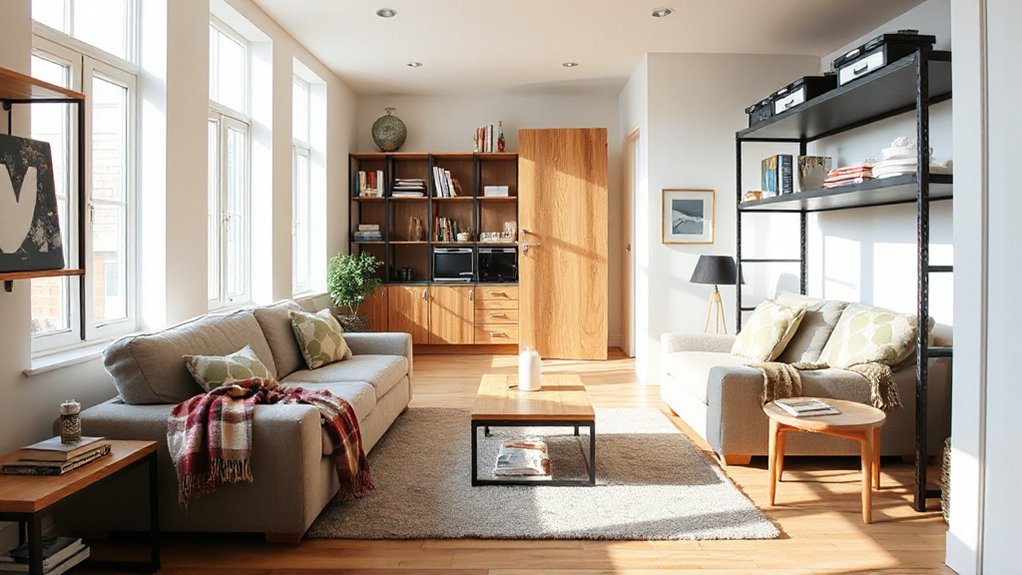
Flexible layouts empower multi-use rooms to adapt as needs shift, and DIY-friendly patterns make that adaptability accessible without compromising style. In 2025 UK homes, you’ll rely on modular systems and airborne zones to redefine spaces on demand, backed by data showing a 28% rise in room-use changes year over year. Focus on multi functional furniture that nests, folds, or slides, preserving square footage while expanding capability. When selecting patterns, favor high-contrast geometrics and tonal textures that read as cohesive across functions. DIY decor projects should prioritize scalable projects: removable wall decals, reusable fabric panels, and simple paint loops that refresh with seasons. Your goal is seamless transitions that look deliberate, not temporary, blending function with design integrity.
Green Tech and Biophilic Design: Integrating Nature With Modern Living
Integrating nature with modern living hinges on green tech that’s both efficient and aesthetically seamless. You’ll see smart climate controls, low-energy systems, and recyclable components shaping comfort without clutter, backed by energy-use data from UK homes showing 20–30% savings when integrated with passive design. Biophilic accents aren’t decorative only; they correlate with reported well-being boosts and productivity gains in recent studies. Prioritize sustainable materials—timber, composites, and low-VOC finishes—that reduce embodied carbon while aging gracefully. Indoor gardens, modular pots, and vertical planters make green tech feel native, not ornamental, boosting air quality and humidity balance in compact spaces. Expect retailers to pair irrigation-ready solutions with wireless sensors, enabling maintenance that’s both effortless and precise, aligning aesthetics with performance.
Frequently Asked Questions
How Do I Mix Vintage and Modern Styles Effectively?
Mix vintage accents with modern pieces by prioritizing clean lines and a unified color palette; blend textures for contrast, and use statement vintage items as focal points. This creates modern juxtaposition grounded in data-backed design insights.
Which Budget-Friendly Updates Deliver the Biggest Impact?
You’ll get big impact from budget upgrades and wall treatments, because 78% of homeowners report noticeable value from inexpensive changes. You should prioritize bold paint, textured plaster, or peel-and-stick patterns for instant refreshes that last.
What Lighting Setups Suit UK Homes Year-Round?
You should use ambient lighting and layered illumination to suit UK homes year-round, balancing warm, cool, and task tones; analyze room function, daylight hours, and energy use to optimize comfort, mood, and efficiency across seasons.
How Can I Measure Room Scale for Multi-Use Spaces?
You can measure room scale by calculating usable floor area and average ceiling height, then apply grid-based space planning. A 20% margin improves comfort. Use furniture sizing guidelines to guarantee multi-use zones stay flexible and balanced.
Are Sustainable Materials Worth the Cost Long-Term?
Yes, sustainable materials are worth it long-term. Eco friendly furniture lowers lifecycle costs and carbon footprint, while renewable resources stabilize prices as demand grows; you’ll gain durability, resale value, and data-backed confidence in your interior investments.
Conclusion
You’re riding a wave where comfort drives choice, and data-backed trends steer the helm. In 2025, soft textures, warm neutrals, and honest craftsmanship fuse into rooms that feel like a favorite chair after a long day. Flexible layouts invite multi-use living, while green tech and biophilic details pull nature inside. It’s a trend map that reads like a well-curated pocket diary—personal, durable, and distinctly UK. Embrace the evidence; design becomes your everyday sanctuary.
About the Author