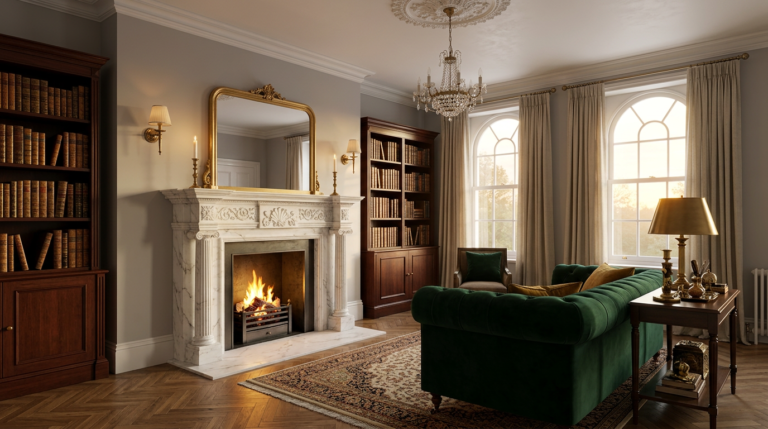

To make your space feel more premium, start with a calm color foundation and restrained textures, then layer lighting to add depth. Choose materials that read high-quality—dense woods, matte metals, durable fabrics—and keep surfaces cohesive with a unified palette. Curate a few purposeful accents, avoiding clutter, and establish a clear visual hierarchy so key pieces stand out. Plan a quick refresh plan for ongoing refinement. If you keep exploring, you’ll discover even deeper, lasting upgrades.
Key Takeaways
- Embrace a restrained material palette and cohesive color harmony to create calm, timeless luxury.
- Layer lighting (ambient, task, accent) with dimmers to add depth and warmth across textures.
- Curate a few high-impact, quality accents rather than clutter, focusing on texture and subtle contrast.
- Prioritize clutter-free growth: clean lines, proportion, and purposeful spacing for smooth flow and movement.
- Use durable, high-quality materials (woods, metals, textiles) that age well and resist wear while maintaining refinement.
What Makes a Space Feel Premium

There’s more to a premium feel than expensive materials: it hinges on thoughtful details, balance, and restraint. You craft it through purposeful choices, aligning form with function. Start with refined textures that invite touch, subtly elevating the room without shouting luxury.
Incorporate luxury textures—grain, matte, and tactile surfaces that age gracefully under daily use. Pair these with elegant furnishings that prioritize proportion, clean lines, and comfort, so each piece earns its spot.
Avoid clutter; space breathes when you curate a small, intentional collection rather than a sprawling display. Lighting should glow with warmth, supporting the texture and furniture without dominance.
Finally, guarantee consistency—materials, finishes, and tones should feel deliberate, cohesive, and quietly confident, signaling premium quality through restraint rather than excess.
Set a Calm Color Foundation for Luxury
A calm color foundation anchors a luxurious space, allowing texture and form to take center stage. You select a restrained palette—soft neutrals, warm greys, or muted earth tones—that underpins every accent. This foundation leverages color psychology to influence perception: cooler hues foster calm, warmer tones invite coziness, and balanced contrast preserves clarity.
With restraint, you maximize mood enhancement without visual fatigue, ensuring furniture lines and materials remain focal points. You pair matte finishes with subtle sheens to add depth, while white or near-white cores brighten rooms without shouting.
Consider undertones carefully, ensuring harmony across walls, floors, and textiles. A deliberate foundation reduces clutter perception and guides the eye, delivering a premium atmosphere that’s timeless, coherent, and quietly confident.
Layer Lighting to Create Depth and Calm
Layer lighting thoughtfully to sculpt depth and cultivate calm. You shape perception by layering light sources at different heights and intensities, avoiding glare while guiding the eye.
Use ambient layering to establish an overall glow, then add task lighting for focused activities without overpowering the space. Introduce wall washes or cove lighting to widen dimensions and create soft shadows that add texture.
Dimmer controls empower you to shift mood—from bright, alert mornings to calming illumination at night. Position lamps and fixtures so light travels across surfaces, not directly into your line of sight.
Prefer warm, balanced color temperatures that feel natural and cohesive with your palette. This measured approach yields a premium feel through spatial rhythm, subtle contrast, and thoughtful illumination.
Choose Materials That Read High Quality

You’ll notice that texture and finish quality signal premium instantly, so prioritize materials with thoughtful surface work and tactile depth.
Consider how longevity and feel align with everyday use, choosing options that age gracefully and feel substantial.
Texture and Finish Quality
Texture and finish quality immediately signals premium credentials; choosing materials that read high quality sets the tone before you even touch them. You’ll notice how subtle textural contrasts create depth without shouting. Pair smooth with tactile surfaces to guide the eye and feel, not just see.
Finish types matter: matte hides fingerprints, satin reads refined under light, and a lacquered edge can sharpen a fireplace centerpiece. Aim for restraint—avoid busy patterns that distract from craftsmanship.
Materials should maintain uniform coloration and consistent grain, signaling deliberate selection. Consider scale: large formats feel luxurious, while restrained detailing prevents visual noise.
The goal is cohesion, where texture and finish align with the space’s palette and lighting, reinforcing perceived value without ostentation.
Material Longevity and Feel
Materials aren’t just about look—they signal value through how long they endure. When you pick materials with proven material durability, you’re investing in consistency and lasting impression.
Opt for cores, veneers, and fabrics that resist wear and age gracefully, not merely while new. Consider how surfaces feel under touch; the tactile sensation should convey substance, not a hollow polish.
Finish quality matters, too: a seamless seam or smooth edge reflects control and care. In practice, prioritize dense, stable woods, high-grade metals, and durable textiles with robust weaves and finishes.
Test counters, panels, and upholstery under daily use, and favor those that resist scratches and fading.
Short-term trendiness fades; enduring material integrity creates a premium, trustworthy atmosphere.
Curate Purposeful Accents With Restraint

Curate with intent by selecting a few standout accents that truly elevate the room. Each piece should feel deliberate, subtle, and luxe, not loud or scattershot.
Embrace restraint: let purposeful details speak louder than quantity.
Curate With Intent
When you curate with intent, every object earns its place by reinforcing your space’s purpose and mood. You select pieces that speak to your daily routines, not trends.
Prioritize a limited, cohesive palette, varied textures, and thoughtful scale so each item supports the whole. Resist clutter by asking: does this enhance function or atmosphere?
Favor quality over quantity, and let negative space breathe between accents. Your aim is refined clarity, not display.
Use artistic expression to convey personality while honoring cultural influences without clichés. Purposeful selections create resonance—one carefully chosen sculpture, one meaningful textile, one statement light can anchor a room.
Curating this way turns a space into a calm, confident environment that feels intentionally yours.
Subtle Yet Luxe
Subtle, yet luxe accents elevate a room without shouting for attention. You curate with restraint, letting a single well-chosen piece speak volumes. Favor quality over quantity, and keep lines clean to avoid clutter.
Introduce luxury textures through tactile surfaces—soft boucle, polished stone, or suede—with careful contrast against smoother materials. Subtle contrasts matter: pair matte finishes with a hint of sheen, or a dark, warm tone against lighter neutrals.
Choose accessories that reinforce your palette rather than distract from it. Place objects where they’ll be noticed, not overloaded; every item should earn its place.
Create Texture With Surfaces and Fabrics
Texture is how you anchor a premium look: layer surfaces and fabrics to add depth, warmth, and contrast. You achieve this by mixing tactile materials and finishes that catch light differently.
Choose textured fabrics to introduce subtle movement without shouting; think boucle, velvet, or woven blends. Pair these with varied surface treatments on furniture and decor—matte woods, satin metals, or lacquered surfaces—to create layered interest.
Keep color restrained to let texture do the talking, and guarantee seams and edges are clean to preserve a refined feel. Introduce depth with finishes that reflect at different angles, then offset them with soft textiles for balance.
Master Proportion and Scale in Furniture
Achieving a premium look hinges on precise proportion and scale in furniture: pieces should relate to one another and to the room’s dimensions to feel deliberate rather than decorative.
In practice, pick furniture that fits the space without crowding. Begin with a correctly sized sofa relative to the room and seating area, then choose chairs and tables that echo its width and height.
Prioritize proportion harmony by aligning leg heights, armrests, and backrests with surrounding surfaces.
Consider scale balance: a oversized focal piece can anchor a room, while petite accessories fill gaps without crowding.
Use negative space to enhance sightlines and rhythm.
Aim for cohesive contrasts—materials, finishes, and silhouettes should reinforce the same design language, reinforcing a refined, intentional atmosphere.
Build Cohesion With a Subtle Material Palette
A cohesive space starts with a restrained material palette that unifies each surface without shouting. You choose a core material and repeat it across key elements—floors, cabinetry, countertops—so *progression* feel intentional, not random.
Favor low-contrast tones and complementary textures to sustain visual calm while adding depth. Material harmony comes from deliberate weight, scale, and finish, ensuring no single surface dominates.
Introduce texture variation through subtle differences in grain, weave, or patina rather than bold contrasts. Use variations of the same material at different thicknesses or sheens to create hierarchy without breaking cohesion.
Proportion matters: a restrained palette invites you to emphasize form, light, and shadow. The result is a premium feel that remains calm, refined, and consistently deliberate.
Prioritize Comfort Without Compromising Style
Prioritize comfort without clutter by choosing soft, inviting surfaces that don’t overwhelm the room. Opt for tactile materials—plush rug, cushioned seating, and textured textiles—that add warmth while keeping lines clean and purposeful.
Balance softness with strong style by pairing calm neutrals with bold accents to create a premium feel that’s both cozy and refined.
Comfort Without Clutter
If you want comfort without clutter, start with a clear plan that prioritizes function and texture over excess decor. You’ll create a space that feels refined by choosing a few high-quality essentials that serve multiple purposes.
Opt for seating with solid silhouettes and soft, durable fabrics, then add throws or pillows in a restrained color palette to signal coziness without crowding surfaces.
Storage should be smart and discreet, keeping surfaces clear while preserving accessibility.
Lean into natural textures—woven baskets, woodgrain, linen—to build depth without visual noise, fostering a minimal clutter aesthetic that reads premium.
Maintain a cozy ambiance with warm lighting and thoughtful accents, avoiding repetition or over-accessorizing.
Simplicity here reinforces luxury: comfortable, organized, and unmistakably intentional.
Soft Surfaces, Strong Style
Soft surfaces define luxury without shouting. You’ll notice how texture anchors a room, making it feel refined rather than fussy. Prioritize comfort without sacrificing style by choosing Silk upholstery as your neutral anchor; its sheen catches natural light and elevates furniture silhouettes.
Pair it with Plush rugs that ground your space, add warmth, and absorb sound for a calmer vibe. Balance heavy and airy pieces: a low-profile sofa, sleek chairs, and a modest coffee table prevent crowding.
Color should stay cohesive—think tonal palettes with subtle contrast rather than bold clashes. Layer textiles thoughtfully, ensuring each piece serves purpose and mood.
With intention, soft surfaces become quiet statements of polish and restraint.
Invest in Statement Details (But Judiciously)
Statement details can elevate a space, but choose them with care so they don’t overwhelm the room. You want impact without clutter, so select a few high-impact elements and let them shine. Focus on quality over quantity, and guarantee every piece serves a purpose.
When you’re deciding, consider statement accents that reinforce your design language rather than compete with it. Pair these bold touches with restraint elsewhere to maintain balance.
Material selection matters: opt for textures and finishes that read premium up close and from a distance. A standout lamp, a sculptural chair, or a graphic rug can anchor a room—just one or two, paired with calm, unified surroundings.
Guard against novelty beyond necessity; let sophistication emerge from thoughtful curation.
Elevate Quiet Drama With Subtle Contrast
A subtler path to premium polish lies in quiet drama—using subtle contrast to sharpen perception without shouting. You blend textures, tones, and scales so edges read crisp while noise recedes.
Start with a dominant, calm backdrop: a refined base color, restrained patterns, and soft lighting. Introduce contrast through a single accent, not a chorus of them. Choose a focal piece with a nuanced material— velvet, leather, or matte metal—paired with understated surroundings.
Let shadows carve depth; avoid overlit spaces that flatten form. Subtle contrast guides the eye, creating distance and emphasis where you want focus.
With quiet drama, restraint speaks louder than excess, elevating premium perception without shouting. Your space feels intentional, cohesive, and subtly sophisticated through deliberate restraint.
Optimize Space Flow for Calm Movement
Start by establishing clear pathways that guide movement with ease, so every step feels intentional rather than rushed.
Use strategic spatial zoning to separate work, relaxation, and circulation, keeping shifts seamless and unobtrusive.
Focus on a comfortable movement pace that matches daily routines, and you’ll create a premium sense of calm throughout the space.
Clear Pathways For Flow
Clear pathways are the backbone of calm movement in any space. You design routes that invite steady gait and minimize indecision, balancing openness with purpose. Begin by clearing clutter in high-traffic zones, then position furniture to create intuitive lines of travel.
Maintain at least 36 inches of unobstructed width for main paths and facilitate transitions between rooms to feel natural, not abrupt. Use color psychology to cue movement: lighter tones near entry points for openness, deeper hues around seating for grounding, while avoiding visual barriers.
Choose luxury textures—polished stone, sumptuous fabric, or matte wood—that reflect light and deter visual crowding without heaviness. Thread rugs and lighting to guide steps subtly, reinforcing flow while preserving a premium, uncluttered atmosphere.
Strategic Spatial Zoning
Strategic spatial zoning orchestrates calm movement by delineating purposeful zones that encourage effortless shifts. You design clear boundaries that guide daily activity, reducing clutter and decision fatigue. Start with primary functions—work, relaxation, dining, and circulation—and assign each a defined footprint.
Thoughtful space utilization guarantees you gain usable square footage without crowding, while smooth transitions keep sightlines open and movement intuitive. Align furniture arrangement to create logical paths; place seating to face focal points, not walls, so conversations flow naturally.
Use subtle separators—rugs, lighting, or low shelves—to delineate areas without obstructing light. Maintain consistent scale and proportion to avoid visual tension.
Finally, anticipate traffic patterns, making sure entrances and exits don’t disrupt activity zones, preserving a premium, effortless ambience.
Comfortable Movement Pace
Ever wonder how a calm, steady pace can transform movement through your space? When you define a comfortable movement pace, you create a natural cadence that guides attention and reduces friction. You’ll notice smoother progressions between zones, fewer bottlenecks, and a sense of effortless arrival.
Consider the width and clearance of main avenues; align them with your typical pace to support consistent movement flow. Use subtle cues—flooring contrast, lighting, and furniture placement—to reinforce the sequence without shouting.
Prioritize predictable intervals for routine tasks, so you don’t interrupt the environment with abrupt stops or zigzags. A deliberate pace becomes a quiet designer tool, shaping perception and enhancing comfort through deliberate, purposeful flow—an essential element of a premium space.
pace rhythm, movement flow.
Choose Simple, Purposeful Tech and Hardware
Choose simple, purposeful tech and hardware that serves a clear role in your space. You curate devices that truly enhance everyday tasks, not just fill gaps. Prioritize reliable performance over novelty, and keep interfaces straightforward to avoid clutter.
Opt for smart gadgets that automate routine routines without demanding your attention, and select sleek accessories that blend with your decor rather than shout for attention. Limit the number of plugged-in cords by choosing wireless or neatly organized options, and store remotes, cables, and chargers out of sight.
Favor modular hardware you can upgrade without replacing whole systems. Establish a minimal, consistent aesthetic—neutral finishes, clean lines, and purposeful placement. Your space feels premium when every tech choice reinforces calm, efficiency, and visual harmony.
Maximize Natural Light and Outdoor Views
Natural light should shape how you arrange every room, because bright, unobstructed views instantly elevate a space. To maximize their impact, optimize layouts, frames, and textures around daylight. You’ll notice a calmer, more premium feel when shadows and glow are balanced throughout the day.
1) Prioritize sightlines: place seating to enjoy outdoor views without glare.
2) Use window treatments strategically: sheer panels for diffusion, heavy drapes for control, calibrated hardware for polish.
3) Integrate indoor plants near bright spots to add life and soften reflections.
Leverage natural light by choosing reflective surfaces sparingly and letting color palettes stay light and cohesive. This approach keeps the room airy, refined, and inviting.
Create a Balanced Sound Environment
To create a balanced sound environment, start with acoustic balance basics to keep frequencies even across the room.
Place speakers thoughtfully to optimize imaging and minimize reflections, then add sound treatment essentials to control echoes and improve clarity.
You’ll notice sharper detail and a more premium feel as balance, placement, and treatment work together.
Acoustic Balance Basics
Acoustic balance is about shaping how sound behaves in your room so music—or dialogue—feels cohesive rather than standalone. You tune reflections, dampen excess reverberation, and guarantee voices stay intelligible across frequencies. Your goal is a natural, immersive listen without hotspots or muddiness.
- Focus on soundproofing techniques to minimize external leaks while preserving internal clarity.
- Choose acoustic panel styles that blend with decor yet remain effective at mid-to-high frequencies.
- Balance surface treatments to create even diffusion, reducing flutter and slap echoes for a smoother timeline.
Implement with purpose: treat first reflection points, pair absorptive panels with diffusers, and verify with quick listening tests. The result is a refined, premium room where every note lands distinctly and comfortably.
Speaker Placement Tips
Smart speaker and stereo setups thrive when speakers are placed for even dispersion and clean imaging. Start by positioning them at ear level and equidistant from walls to minimize boundary gain.
You should then experiment with toe-in angles so the sound converges where you listen most, avoiding harsh reflections from side walls.
Maintain symmetric spacing between speakers and the listening position to preserve a balanced stereo image.
Prioritize secure, unobtrusive mounts or stands to prevent micro-movements that skew imaging.
After positioning, perform audio calibration by setting equal distance gains and verifying level parity with a reliable reference.
Confirm that bass integrates smoothly without boomy hotspots, and guarantee high frequencies retain clarity.
Fine-tune placement with brief listening tests, focusing on cohesiveness, detail, and overall space perception.
Sound Treatment Essentials
Sound treatment isn’t about turning your room into a studio; it’s about removing reflections that muddy detail and throw off imaging. You’ll create a balanced space by focusing on damping early reflections and defining bass weight.
- Soundproofing essentials: seal gaps, manage door thresholds, and isolate sources to reduce exterior bleed without buildup inside.
- Acoustic panel placement: position reflection-free zones at first-arrival points—between speakers and listening seat, and on side walls at ear level.
- Monitoring discipline: treat the ceiling and rear wall to tame flutter and reinforce imaging, then audition with neutral references.
Keep treatments unobtrusive, complementary to decor, and scalable. Your premium space relies on precise integration, not excessive clutter.
Craft a Relaxing Visual Hierarchy
Crafting a relaxing visual hierarchy starts with clarity: guide the eye naturally by ordering elements by importance and using contrast to separate sections. You establish focus by prioritizing key pieces—think a statement artwork or a central seating area—then let secondary items recede.
Use size, color, and spacing to signal what matters, avoiding clutter that competes for attention. A clear grid or organized alignment helps readers move through the space without effort.
Layer lighting to reinforce hierarchy: brighter on focal points, softer elsewhere. Consistency across materials and finishes reinforces premium perception.
Consider artful arrangements that feel intentional rather than random; pair them with ambient scents to subtly anchor zones.
Maintain restraint: one dominant feature, a few complementary touches, and purposeful negative space.
Build a Quick Yet Lasting Refresh Plan
To build a quick yet lasting refresh plan, start by identifying one high-impact change you can implement this week and one longer-term upgrade that will pay off over months.
Then, map a simple sequence: implement, refine, sustain. Use space organization and decor accessories to maximize impact without overcrowding.
- Choose a single focal upgrade you can complete now (e.g., reorganize a key shelf or tray, declutter a main surface).
- Select one longer-term enhancement (e.g., invest in a versatile storage solution or a timeless textile).
- Schedule a 15-minute weekly check-in to adjust and refresh details, ensuring consistency.
This approach delivers immediate polish while preserving lasting appeal, keeping your space premium with minimal disruption.
Evaluate Your Space With a Designer’s Checklist
Start with a clear audit of your space by running through a designer’s checklist: assess layout, lighting, color, texture, and storage, then pinpoint what’s working and what isn’t.
Next, map traffic flow and sightlines to expose clutter and awkward gaps.
Critically evaluate materials and finishes, guaranteeing durability aligns with daily use.
Compare surfaces for cohesion, then identify gaps that stall cohesion or comfort.
Integrate artistic expression by noting where personal or curated objects enhance the narrative without overpowering scale.
Consider cultural influences to guarantee the space reflects intention, not trend alone.
Prioritize fixes that elevate perception of space—lighting upgrades, nuanced color balance, and texture layering.
Conclude with a concise action list, reserving decisions that support timeless premium feel over momentary fads.
Implement a 30-Minute Premium Makeover Routine
A 30-minute premium makeover trims complexity and delivers immediate impact by tackling the levers that readers care about most: lighting, color balance, and texture. You’ll move quickly, focusing on core updates that read as intentional design rather than impulse.
- Rebalance lighting by layering warm and neutral tones, then dimmers to modulate mood.
- Harmonize color with a single cohesive palette, swapping mismatched accents for refined, lasting choices.
- Add texture through a tactile mix—soft fabrics, natural materials, and subtle metallic or matte finishes.
This routine honors artistic expression while nodding to cultural influences, ensuring your space feels curated, timeless, and personally resonant.
You gain immediate polish without overhauling foundations, reinforcing a premium impression that endures.
Frequently Asked Questions
How Long Does a Premium Look Typically Take to Notice?
A premium look can be noticed within minutes when you add luxury accessories and designer accents. You’ll instantly perceive refined detail, quality materials, and cohesive styling that elevate the space, making you feel curated, confident, and subtly opulent.
Can Budget Materials Still Appear High-End Quickly?
Budget materials can look luxier quickly with luxury illusions and smart budget upgrades. You’ll captivate noticeably by choosing cohesive hues, refined textures, and strategic lighting, crafting premium perception through deliberate details, durable finishes, and convincing, polished presentation.
What’s the Fastest Way to Elevate a Space Visually?
Refresh the space instantly by refining your color palette and adding strategic lighting accents; choose a cohesive palette, then layer warm and cool tones, and highlight architectural features to create a polished, authoritative, visually luxurious feel.
Do Premium Vibes Require Professional Remodeling?
Premium vibes don’t require professional remodeling—start now. You can elevate instantly with luxury accessories and high end finishes, choosing cohesive tones and textures that read refined, polished, and timeless in every room you touch.
Which Small Detail Most Boosts Perceived Quality Immediately?
You’ll boost perceived quality fastest by adding luxury textures and refined accessories; studies show texture-rich rooms register higher perceived value. You notice the impact immediately when you pair tactile materials with thoughtful accents, elevating ambiance instantly.
Conclusion
A premium space isn’t a showpiece; it’s quiet confidence you live in. Start with a calm color base, layered lighting, and materials that feel substantial. Add restrained accents and a clear visual hierarchy, then refresh regularly with quick, lasting tweaks. Think of your room as a well-edited bookshelf: every piece earns its place. When you notice the space breathing easier after a single thoughtful change, you’ve found the secret—consistency compounds, turning small steps into lasting upgrade.
About the Author