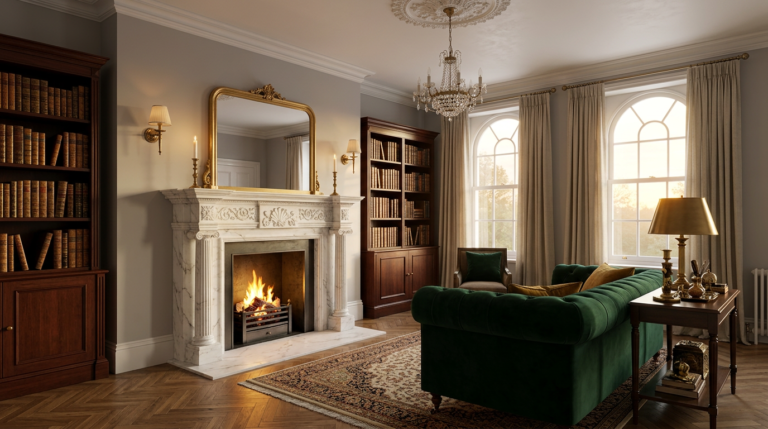
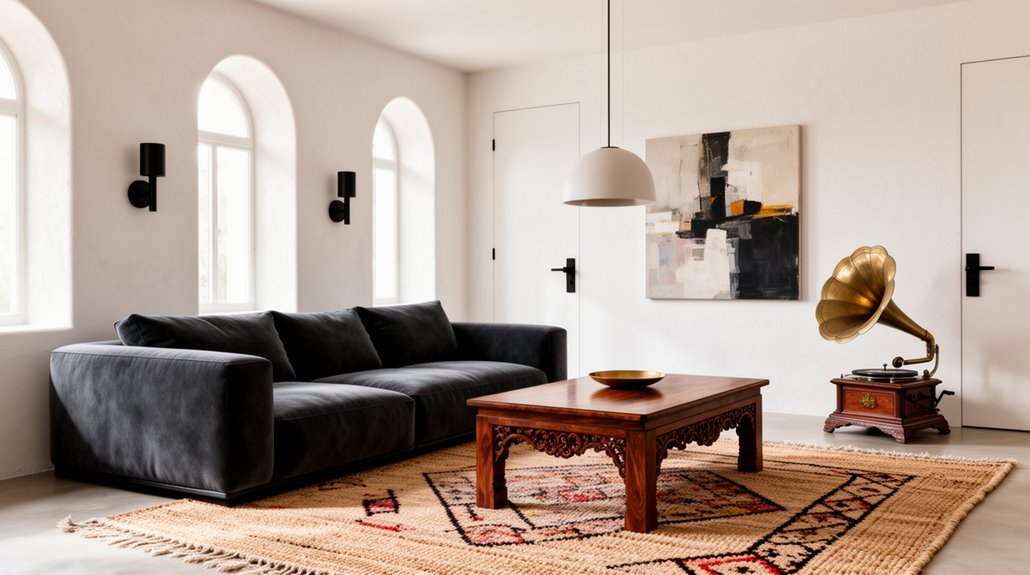
To mix modern and traditional interiors, start with a clear plan: define the blend, map core elements, and keep proportions balanced so neither style dominates. Build a unified palette of timeless neutrals, then layer textures and finishes to add warmth without clutter. Balance clean lines with refined details, and mix materials thoughtfully so one material leads while others support. Focus on room-by-room rhythm, repeating colors or textures, and use lighting to highlight contrasts. Want more practical steps? You’ll find them ahead.
Key Takeaways
- Establish a clear vision that blends streamlined modern forms with timeless traditional details without letting either style dominate.
- Identify core elements from both styles and map a balanced distribution of features, textures, and finishes.
- Create a cohesive palette of neutral base tones, warmed by natural woods and metals, with measured accents for contrast.
- Layer textures and patterns thoughtfully, repeating a few motifs across surfaces to build rhythm and cohesion.
- Anchor rooms with a focal piece and use lighting to emphasize contrasts, ensuring proportional harmony and a unified mood.
Foundations of Modern–Traditional Fusion
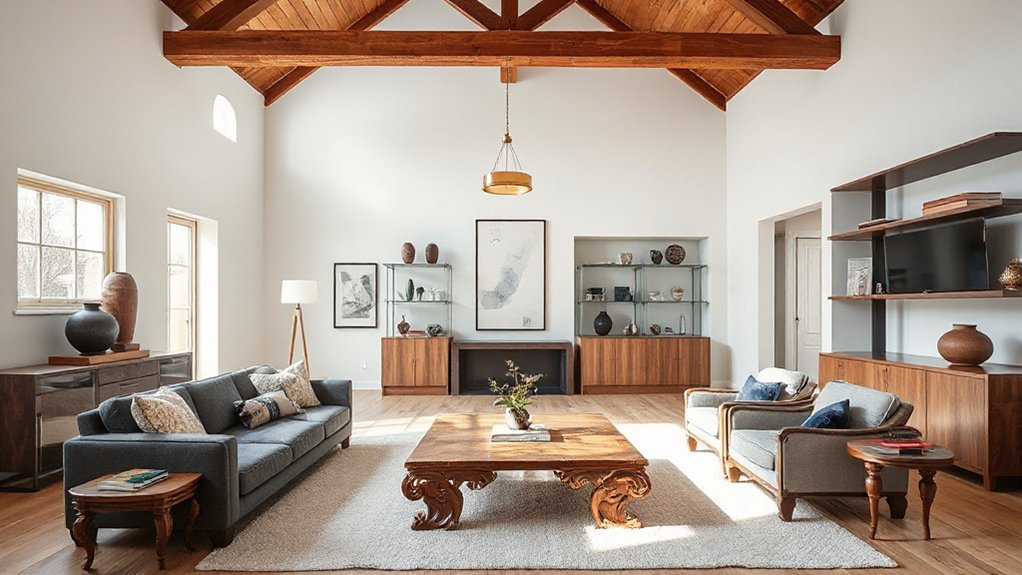
Foundations of Modern–Traditional Fusion establish a clear goal: blend current, streamlined forms with timeless, comforting details without one style dominating. You start by identifying core elements from each side, then map the balance you want to achieve. Prioritize clean lines and functional layouts, but allow warmth through textiles, wood, and curated antiques. Guarantee proportion and rhythm guide decisions, so neither aesthetic overwhelms the other. Historical echoes inform texture choices and hardware accents, linking past and present in a cohesive narrative. Cultural influences shape color palettes and pattern selections, helping you craft spaces that feel relevant yet familiar. Document your criteria for scale, contrast, and texture allowances to maintain consistency. This foundation keeps your project practical, executable, and adaptable across rooms.
Create a Unified Palette for Modern–Traditional Fusion
Start by anchoring your scheme with a Unified Palette that blends warm and cool neutrals for both styles. Balance warmth with cool tones to keep spaces cohesive, then layer in Accent Colors strategically to highlight focal moments. Keep the palette consistent across materials, textures, and finishes to maintain a unified Modern–Traditional fusion.
Unified Palette Foundations
Curating a unified palette is the backbone of a successful Modern–Traditional fusion. You’ll anchor the look with a restrained base, then layer character through texture, finishes, and careful contrasts. Start by selecting a core color family that feels timeless, then introduce accent tones via fabrics, art, and furnishings. Use color psychology to guide mood: choose calming neutrals for serenity, and reserve bolder hues for focal points. Plan lighting techniques to reveal depth and warmth without washing out details. Maintain cohesion by repeating finishes (brushed brass, matte oak) and patterns sparingly. Balance scale and proportion so modern pieces don’t overpower classic silhouettes, and vice versa. Your palette should feel effortless, yet intentional, evolving with textures and light.
- Core color family with strategic neutrals
- Repeated finishes and measured accents
- Lighting and texture as unifying agents
Balance Warmth With Cool
Balancing warmth with cool takes your unified palette from theory to daily living. You’ll blend textures and light to keep spaces inviting yet refined, so neither temperature overwhelms the other. Choose a base of neutral tones—creamy beiges, soft taupes, or stone grays—that anchor both styles. Introduce warmth with natural woods, leather, and linen; add cool via metal accents, glass, or charcoal textiles. Keep contrast intentional: pair a warm sofa with cool draperies, or dimmable lighting to modulate mood. In practice, restrict the palette to three core hues and two accent colors for cohesion. Prioritize cosy ambiance in seating zones and guarantee sleek minimalism through clean lines, uncluttered surfaces, and purposeful accessories. This balanced approach delivers comfort without sacrificing modern-edged precision.
Accent Colors Strategically
How can you sculpt accent colors to unify modern and traditional styles without clashing? You’ll choose a cohesive core palette and add accents that reinforce both aesthetics. Use color psychology to select hues that energize or calm rooms without overwhelming details. Start with two or three anchor tones—one warm, one cool, one neutral—that echo furniture finishes, fabrics, and architectural features. Reserve brighter accents for focal points, then balance them with subdued undertones. Guarantee contrast remains deliberate: high contrast draws attention, while subtle shifts maintain harmony. Test palettes in lighting, textures, and artwork before committing. Keep consistency across rooms to reinforce the fusion rather than fracture it.
- Limit bold accents to 5–10% of surfaces for cohesion
- Pair warm metals with cool neutrals to balance energy
- Use repeat color motifs in textiles, ceramics, and trim for unity
Balance Proportions: Pair Clean Lines With Classic Details
To balance proportions, pair clean lines with classic details so your spaces feel cohesive, not layered. Mix streamlined shapes with timeless textures to merge modern and traditional without crowding the room. Test proportions by swapping one element at a time and watching how lines and finishes play off each other.
Balance Proportions With Lines
When you pair clean lines with classic details, you create a balanced look that feels both fresh and timeless. You control rhythm by alternating bold, linear silhouettes with ornate, refined elements, so no single feature dominates. Use proportion to guide scale: keep furniture in harmonious sizes, and spread visual weight evenly across rooms. Color contrasts and lighting techniques matter; crisp whites and deep charcoals can highlight architectural features without shouting. Balance quiet areas with accent pieces that echo traditional charm. The result is cohesive, not labeled, and easy to live with.
- Mix streamlined furniture with a single, well-chosen vintage detail
- Layer lighting to sculpt shape: use task, ambient, and accent
- Choose a unifying color palette with occasional warm contrast
Merge Clean And Classic
Merging clean lines with classic details creates a balanced look that feels fresh yet timeless. You pair contemporary minimalism with vintage craftsmanship to achieve harmony between eras. Start with a neutral base: crisp sofas, streamlined surfaces, and subtle metallic accents. Introduce classic elements—moldings, carved wood, or an antique chandelier—in controlled doses. Keep proportions in check: let clean forms dominate large pieces, while classic details appear as accents. When selecting materials, favor durable, understated finishes that age well, such as oak, stone, or matte metals. Accessorize with restrained, meaningful pieces, avoiding clutter. Consider lighting to emphasize balance—soft ambient light against sharp, architectural lines. This approach yields spaces that feel intentional and livable, proving you can honor tradition without sacrificing modern clarity or comfort.
Proportion Play In Textures
Textures carry the weight of a room, so balance is about proportion as much as material. In Proportion Play In Textures, you pair clean lines with classic details to create harmony between modern and traditional elements. You’ll guide focus through contrast, using color contrast to highlight texture differences and prevent flatness. Let lighting techniques emphasize tactile variety without overwhelming form. Aim for a coherent rhythm: smooth, matte, and woven surfaces repeat at varying scales to avoid visual fatigue.
- Align scale: oversized modern pieces with smaller traditional embellishments for balance
- Use light strategically to sculpt texture and reveal depth
- Limit bold textures to accent areas, letting neutrals read as connective tissue
Keep it purposeful: measure proportion, test reflections, and adjust until the mix feels unified.
Layer Texture and Pattern Without Clutter

Layering texture and pattern without clutter starts with a clear plan: pick a few textures that complement each other and repeat them thoughtfully across the space. You should prioritize balance over bold disruption, letting one material lead while others support. Use Textile layering to build depth, not chaos; choose a dominant fabric and echo it in cushions, throws, or upholstery in varied but coordinated tones. For Pattern mixing, limit the palette to two or three motifs and vary scale to avoid competition. Pair matte finishes with subtle sheen to add interest without noise. Apply rhythm by repeating the same textile or pattern in small, deliberate doses across rooms. Keep surfaces clean and margins generous, so textures breathe and the fusion remains cohesive.
Furniture and Accessories for Modern–Traditional Fusion
When blending modern and traditional styles, start with a clear focal point—an updated sofa silhouette, a classic wood console, or a sculptural lighting piece—that anchors the room and guides accessory choices. Then layer furniture and accessories that echo both eras through texture, scale, and material mix. Choose streamlined cases with warm wood, curved silhouettes with metal accents, and soft upholstery in neutral or timeless hues. Artistic accents balance contrasts, while lighting strategies emphasize the focal point and create mood. Keep surfaces uncluttered and let a few statement pieces lead the narrative.
- Artful throws and pillows that combine embroidery with minimal shapes
- Sculptural lamps or candelabras paired with modern fixtures
- Vintage-inspired accessories in refined finishes and muted tones
Room-by-Room Fusion Recipes: Apply the Look Confidently
To apply the look confidently, approach each room with a clear fusion plan that anchors the space and guides details. Start with a focal element—a modern sofa paired with a traditional rug—and build around it. Prioritize rhythm: repeat a single material or color across pieces to unify disparate styles. In living spaces, blend ergonomic forms with ornate accents, then let lighting soften contrast rather than shout it. For kitchens and dining areas, mix streamlined cabinetry with vintage hardware to signal intention without clutter. In bedrooms, couple calm neutrals with a statement art piece that reflects artistic influences. Use Cultural symbolism thoughtfully: choose pieces that tell a story while remaining functional. Always test balance in daylight and after dark to confirm cohesion.
Frequently Asked Questions
How Do I Blend Eras Without Design Clashes?
Yes—you blend eras by balancing contrasts with restraint. Use antique accents strategically, pick a cohesive Color harmony, and keep patterns limited. You align furniture lines, textures, and metals, then layer with modern basics for a seamless, timeless result.
What Lighting Styles Unite Modern and Traditional Themes?
“Zombies” aside, you pair Vintage accents with Contemporary fixtures to unite modern and traditional themes. You’ll layer warm ambient lighting, focused task beams, and subtle statement pieces, ensuring balanced contrast, cohesive scale, and practical, timeless appeal in any room.
Can Mixed-Era Interiors Affect Resale Value?
Mixed-era interiors can boost resale value if balanced, but mismatch risks buyer hesitation. You’ll attract niche buyers with Antique furniture and Contemporary art, yet guarantee cohesive flow, quality finishes, and neutral backdrops to avoid turning off general shoppers.
Which Fabrics Maintain Longevity in Fusion Spaces?
“Durability lasts, you’ll see.” You choose textile durability-focused fabrics and prioritize fabric selection that withstands wear, spills, and cleaning. You’ll favor tight weaves, synthetic blends, and performance finishes, ensuring longevity in fusion spaces and daily use.
How Do I Avoid Over-Personalization in Fusion Rooms?
You avoid over-personalization by establishing a personalization balance, prioritizing timeless pieces and cohesive color schemes, then adding subtle, meaningful accents. Maintain decor consistency with a restrained mix of textures and patterns that respect the space’s core style.
Conclusion
Blending modern and traditional styles isn’t about copying trends; it’s about intentional balance. You’ll set a cohesive palette, fuse clean lines with timeless details, and layer textures to avoid clutter. Choose furniture that nods to both eras, mix materials thoughtfully, and let space breath with deliberate contrasts. Tactics like accents, symmetry, and scale keep harmony intact. For a practical nod to history, imagine a Bauhaus chair perched beside a Windsor chair—proof that contrast can be refined, not chaotic.
About the Author