

A modern patio blends lounge and dining zones with clear flow, using low-maintenance materials that read as high-end outdoors. Start with a neutral palette, layered textures, and soft, warm lighting to create depth. Maximize shade with unobtrusive canopies and smart weatherproof textiles, then add subtle water features for calm air. Prioritize durable surfaces, integrated drainage, and modular, compact furniture to keep spaces flexible. If you keep exploring, you’ll uncover how to tailor these ideas to your space.
Key Takeaways
- Define distinct lounge, dining, and circulation zones to guide flow and maximize functional outdoor living.
- Use a neutral color palette with layered textures (concrete, slate, porcelain) for timeless depth and visual interest.
- Incorporate durable, low-maintenance materials and weatherproof textiles with UV stability and mildew resistance.
- Integrate warm, layered lighting (ambient, task, accent) with dimming to adapt for mood and activity.
- Add retractable shade solutions and water features to enhance comfort, privacy, and acoustic calm.
What Modern Patio Design Includes and Why It Matters
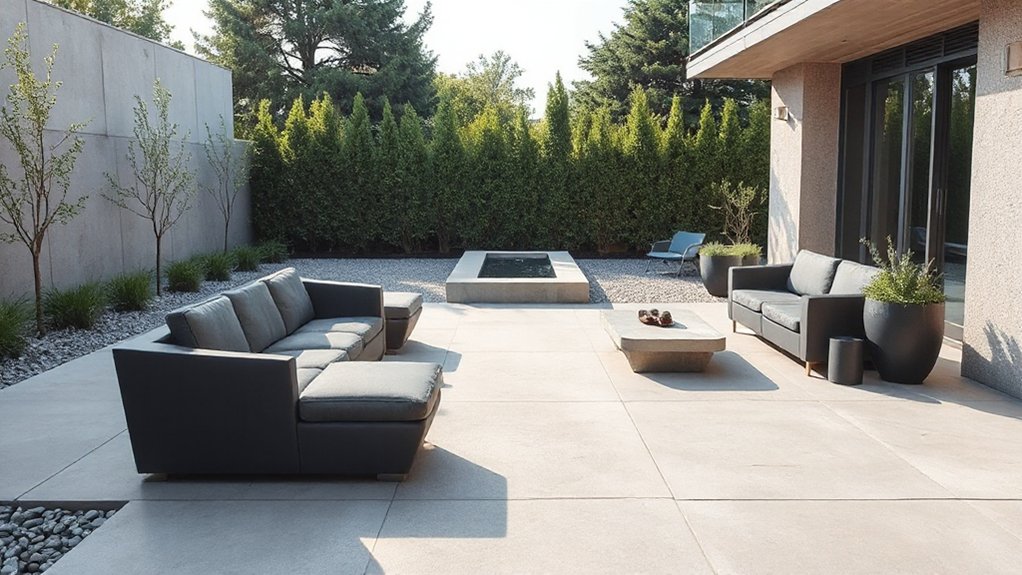
Modern patio design centers on function, durability, and seamless indoor–outdoor flow. You balance form with purpose, choosing layouts that support everyday use and occasional entertaining without clutter. Think: durable materials, weather resistance, and easy maintenance that keep performance front and center. You’ll integrate landscape elements so plants, water features, and lighting feel native rather than tacked on, achieving landscape integration that enhances usability. Consider multi-zone layouts that separate cooking, lounging, and dining while preserving sightlines. You choose materials with sustainability in mind, prioritizing low embodied energy, recyclability, and long life to reduce replacement cycles. The result is cohesive spaces that function across seasons, support outdoor living, and maintain a polished, timeless aesthetic. In short, modern patio design emphasizes practical beauty with responsible choices.
Start With a Clear Layout: Lounge, Dining, and Flow
A clear layout starts with distinct zones for lounge, dining, and circulation, arranged to foster natural movement and sightlines. You design zones to guide the eye and define purpose without crowding. Place lounge areas where traffic naturally pauses, then frame a dining space with proportionate scale and direct access to service zones. Maintain clear pathways that connect entrances, kitchen, and views, avoiding dead ends. Use plant arrangements to provide soft boundaries between zones, supporting privacy while preserving sightlines. Align seating and dining with a cohesive line of sight toward focal points, such as a fire pit or water feature. Choose patio furniture that resists weather and maintains form. Leave elbow room for movement, adjust shading, and guarantee rhythm through evenly spaced furniture groups. This approach yields functional flow and polished outdoor rooms.
Pick Low-Maintenance Materials That Read High-End Outdoors
Choosing durable, low-maintenance materials that still read high-end is essential for long-lasting outdoor spaces. You’ll want surfaces that resist weathering yet feel refined underfoot and beneath furniture. Opt for materials with consistent color, grade, and finish to minimize upkeep and visual wear. Eco friendly materials are worth prioritizing, as they reduce maintenance demands while supporting sustainability. Consider composite decking, porcelain pavers, and powder-coated metal accents for clean lines and lasting integrity. For seating and planters, choose solid, jointless forms with minimal crevices that trap grime. Unique textures—slatted wood, brushed concrete, or textured stone—deliver depth without complicating care. Pair these elements with low-slip coatings and integrated drainage to preserve aesthetics after rain and usage. Your outdoor design remains cohesive, durable, and effortless to maintain.
Create a Neutral Palette With Texture and Depth
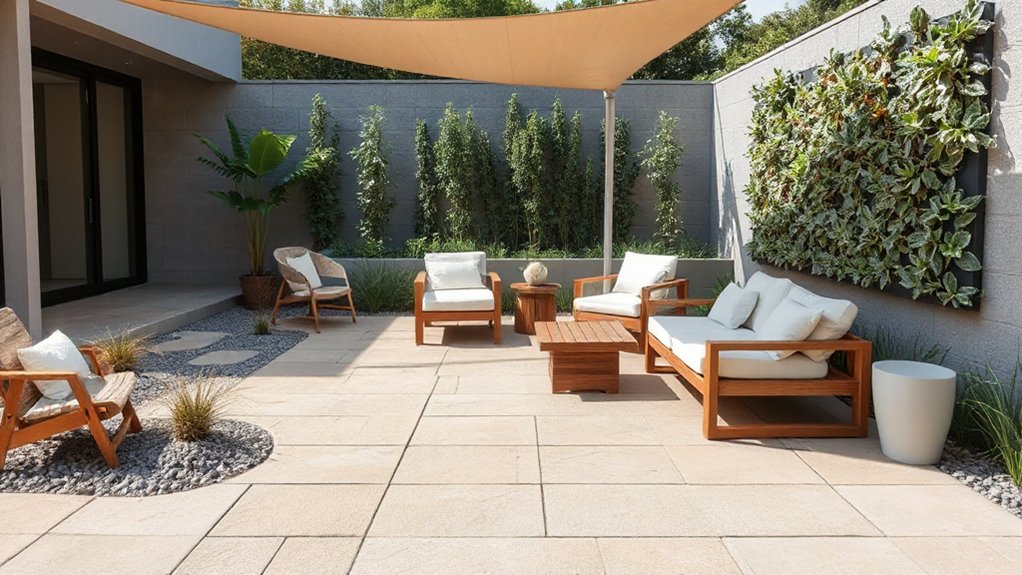
You’ll create a neutral palette that feels timeless by pairing soft tones with rich textures. Layer surfaces and depth with varied materials, so subtle lighting and accents reveal dimension without shouting. Embrace restrained contrast to keep the space cohesive while inviting tactile interest.
Neutral Tones, Rich Textures
Neutral tones set the foundation, while rich textures add depth and interest to a modern patio. You’ll shape a restrained base using a neutral palette, then layer tactile accents that invite touch and linger in view. Prioritize durable materials with subtle variation—concrete, slate, or porcelain—to deliver a cohesive, timeless look. Introduce textured finishes through sawn or honed surfaces, vertically grained wood, and woven textiles that endure sun and rain. Balance matte and lightly reflective surfaces to control glare while preserving warmth. Cushions and throws in stone, charcoal, or sand hues amplify the palette without overpowering it. Landscaping should echo the calm with simple greenery and clean lines, ensuring one focal point remains unobtrusively elevated. Your design achieves calm sophistication through disciplined material choices and restrained contrast.
Layered Surfaces And Depth
Layered surfaces create depth by pairing a neutral base with varied textures and how light plays across materials. You establish a calm, cohesive mood, then introduce contrast through stone, wood, fabric, and metal—each stratum read at a different distance. Begin with a broad plane in a muted shade, add a tactile surface such as weathered concrete or distressed timber, then ground the composition with a woven rug or fabric panel. Maintain visual depth by varying scale: oversized pavers, mid-sized decking, and fine textiles create rhythm without overpowering the palette. Keep edges clean, joints tight, and transitions smooth to prevent visual clutter. Layered textures guide the eye, prevent flatness, and yield a sophisticated, timeless outdoor space that feels intentionally curated. Layered textures reinforce depth and polish.
Subtle Lighting And Accents
Subtle lighting transforms a neutral palette into shade-aware depth, guiding the eye and shaping mood without overpowering textures. You combine low-profile fixtures with warm, consistent color temperatures to reveal material nuance—concrete, wicker, and stone take on tactile character rather than flat surfaces. Use subtle lighting to sculpt outdoor zones: a doorway glow signals arrival, while soft uplights emphasize a wall texture without glare. Pair this approach with accent decor that stays within the palette, ensuring cohesion across furniture and plantings. Focus on balance: select fixtures that are visually quiet yet effective, avoiding overpowering brightness. Dim-to-wright controls let you adapt scenes for dining, lounging, or evening entertaining. The result is a refined, cohesive environment where light enhances texture, depth, and subtle personality.
Maximize Shade Without Blocking Style
You can maximize shade without sacrificing style by choosing sleek, unobtrusive solutions that blend with your design. Consider layered privacy canopies that provide coverage while staying visually light, and opt for shade systems that align with your patio’s lines. We’ll explore how to balance function and form with shade that enhances, not hides, your outdoor space.
Shade Without Obstruction
Shade should enhance comfort without visually overpowering the design, so choose options that cast broad, even shade while preserving clean lines and material integrity. You’ll pursue shade solutions that emphasize tall, slender profiles, minimal hardware, and neutral fabrics to keep sightlines open. Favor cantilevered canopies, wall-mounted sails, or retractable systems that retreat when not in use, ensuring an unobstructed canopy during peak sun. Position shade elements to cover seating areas evenly, avoiding tight pockets that create visual clutter. Use light colors and breathable textures to reflect heat without fading style. Integrate shading with architectural elements, so the outcome remains cohesive. Prioritize installation that preserves pathways and sightlines, balancing function with form while maintaining durable, low-maintenance performance.
Sleek Shade Solutions
Sleek shade solutions prioritize form as much as function, delivering broad, even coverage without visually weighing down the design. You’ll achieve a clean silhouette by pairing intentional shade integration with lightweight, durable canopy materials that resist weathering. Focus on seamless connections to existing architecture and minimal hardware that fades into the backdrop.
1) Prioritize proportion: match shade width to seating depth, avoiding oversized canopies.
2) Choose canopy materials thoughtfully: UV-stable fabrics, high-density poly, or tensioned fabrics for a taut, modern look.
3) Integrate color and texture: select neutral tones or subtle contrast that complements the patio finish.
4) Plan mounting strategy: recessed rails or cantilever arms to preserve sightlines and airflow.
Layered Privacy Canopy
Layered Privacy Canopy combines multiple, overlapping shade layers to maximize sun protection without compromising style. You’ll pair lightweight fabrics with solid drapes and trellis panels to create distinct zones, each offering different glare control. Start with a primary canopy shading layer high above seating to deflect intense sun, then add mid-height curtains for softer diffusion, and finish with a lower, closer veil to guarantee privacy. Keep materials breathable and colors cohesive to preserve visual continuity. Use alternating textures—mesh, linen, and sheer—for depth without bulk. Mount hardware discreetly to avoid visual clutter, and assure wind stability through strategic tiebacks and weighted hems. Layered privacy thrives on consistent scale, balanced rhythm, and purposeful spacing, delivering sun relief while maintaining a refined, modern aesthetic.
Lighting That Works Day and Night: Layered Solutions
Smart lighting that adapts from day to night hinges on layered solutions. You’ll balance ambient, task, and accent layers to keep the space usable and inviting year round. Begin with a dimmable ambient wash that defines zones without overpowering views. Add task lighting at seating and pathways to guarantee safe navigation and activities after sunset. Finish with targeted accents to highlight architectural features or seasonal decor, plus subtle uplighting on outdoor furniture to create depth. Controls should be intuitive, with scenes for dining, lounging, and entertaining. Consistency across fixtures reduces glare and maintains color accuracy. Plan for weather reliability, energy efficiency, and maintenance access.
Small-Space Furniture That Feels Spacious

When you’re furnishing a small patio, every piece should earn its keep by maximizing space and comfort. Choose compact seating that folds, stacks, or tucks away after use, so you maintain open floors for movement. Opt for space saving furniture with clean lines and dual purposes—tables that double as storage, benches with hidden compartments, and slim-profile chairs that stack neatly. Prioritize lightweight, moveable options to reconfigure zones without effort. Elevate perception of depth with leggy designs, transparent finishes, and monochrome palettes that reflect light. Built-in or modular pieces ensure continuity and reduce clutter, while integrated cushions resist weathering and simplify maintenance. Avoid oversized silhouettes; honor proportion, scale, and function to create a spacious feel without sacrificing comfort or usability.
Greenery That Feels Intentional, Not Overwhelming
Greenery should feel intentional, not overwhelming, so curate a composition that compliments the compact footprint without crowding it. You’ll create balance by selecting deliberate plantings, varied heights, and clean lines that read as architectural elements rather than random foliage. Focus on rhythm, negative space, and repetition to guide the eye along garden pathways while preserving openness. Choose plant container styles that echo materiality from surrounding architecture, preventing visual clutter and maintaining cohesion. Use edging, planters, and low-growing greenery to anchor seating zones, then punctuate with focal specimens. This approach guarantees texture, color, and form contribute purposefully, not chaotically.
- Define a repeating motif with plant container styles that anchor the layout
- Layer heights to create vertical cadence along garden pathways
- Limit palette to three complementary hues for calm contrast
- Reserve statement specimens for focal points, not scattershot distribution
Weatherproof Textiles and Cushions That Last
When selecting weatherproof fabrics, you’ll want options that resist moisture, UV rays, and mildew without sacrificing comfort. Consider fade-resistant cushion materials that hold color and shape through seasons, and choose fabrics rated for outdoor use to maximize longevity. I’ll share practical care and longevity tips to keep textures looking fresh year after year.
Weatherproof Fabric Options
Weatherproof fabrics are built to perform outdoors, resisting moisture, fading, and mildew so your cushions stay vibrant season after season. You’ll choose fabrics with tight weaves, UV antimicrobial finishes, and reputable Martindale or Wyzenbeek tests for durability. For outdoor upholstery that lasts, prioritize stain resistance, quick-drying fibers, and easy-care cleaning methods. Consider weight, texture, and colorfastness to guarantee both comfort and longevity.
- Select high-performance fibers with water repellence and anti-mildew treatment.
- Verify colorfastness ratings and washability to maintain a polished look.
- Favor breathable weaves that dry rapidly after rain or dew.
- Confirm warranty coverage and recognized certifications for assurance.
Fade-Resistant Cushion Materials
Fade-resistant cushion materials are essential for outdoor spaces that stay vibrant year after year. You’ll choose fade resistant fabrics that resist sunlight, rain, and temperature swings, ensuring colors remain true. Prioritize high-quality outdoor cushion durability by selecting textiles with tightly woven construction and UV stabilizers. Look for solution-dyed threads, which outperform pigment-dyed options under prolonged exposure. Consider fabrics labeled for marine or outdoor use, as they meet rigorous weather standards without sacrificing softness. For cushions, opt for mold- and mildew-resistant fillings or covers with integrated barrier coatings to reduce moisture intrusion. Test colorfastness and abrasion resistance in quick at-home rub tests before purchase. Pair cushions with durable, rust-resistant hardware and reinforced seams to maximize longevity. Your setup stays inviting and weather-ready season after season.
Care and Longevity Tips
Even with weatherproof textiles, proactive care is essential to extend cushion lifespan and keep colors vibrant. You’ll maximize patio durability by routine cleaning, proper storage, and timely repairs, ensuring outdoor furniture stays inviting season after season.
- Clean monthly with a mild solution and a soft brush to prevent mildew and color fading.
- Dry cushions fully before reassembly to avoid mold and fabric wear.
- Use breathable, vented covers during off-seasons to deter moisture buildup.
- Inspect seams and zippers quarterly, repairing promptly to preserve structural integrity.
With consistent maintenance, you protect investment, reduce replacement cycles, and preserve the aesthetic of your outdoor furniture. Prioritize airflow, sun protection, and moisture control to sustain performance and longevity in any climate.
Water Features and Soundscapes for Calm Ambience
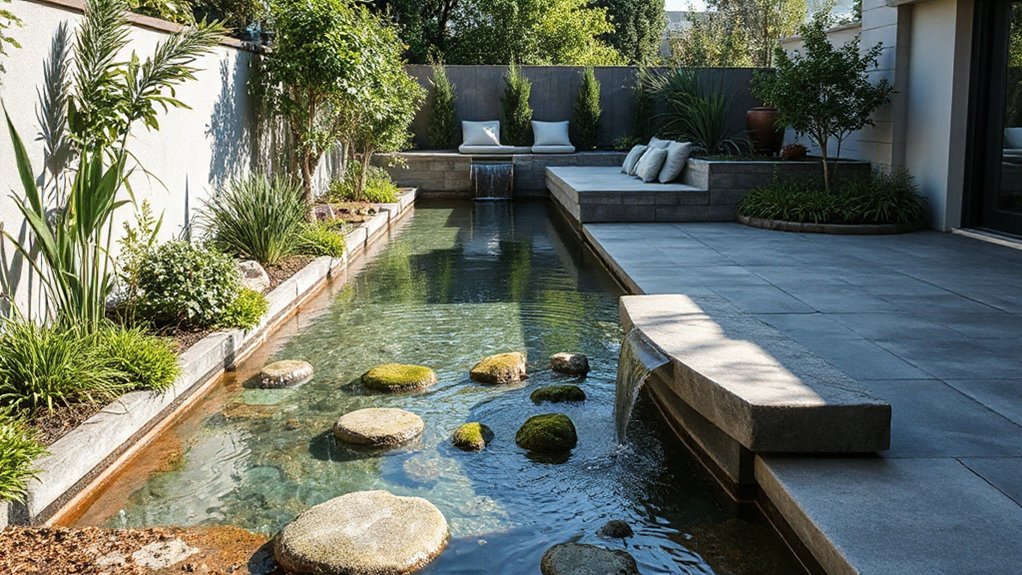
Water features and soundscapes can transform a patio into a tranquil retreat, balancing movement and hush to mask urban noise. You design with intention: choose a primary sound source, then layer softer tones to maintain balance. Water sounds create a reliable baseline, while wind in foliage adds variation without abrupt spikes. Consider a compact fountain or a trickling wall to deliver steady, controllable flow that sustains a calming ambiance. Position pumps, tubing, and spacing for even sound distribution, avoiding overpowering levels. Integrate a sheltered seating zone to let you savor the effect without glare or glare reflections. Use materials that reflect light softly, and plantings that dampen echoes naturally. Test at different times, adjusting flow, height, and placement to refine the calming ambiance.
Fire Elements: Pits, Tables, and Safety Tips
You’ll explore fire elements by prioritizing safety tips, smart pit placement, and emergency readiness. We’ll cover how to use outdoor table heating without overheating adjacent spaces and how to position pits for both warmth and airflow. Together, we’ll establish clear guidelines for fire pit safety, suitable table heaters, and practical placement that enhances comfort and safety.
Fire Pit Safety Tips
Fire pits add warmth and ambiance to outdoor spaces, but staying safe is essential. You’ll want clear boundaries, proper clearances, and informed routines to minimize risk. Follow best practices for setup and use to protect people, pets, and property.
1) Establish a steady safety zone around the pit, free of flammables, with a non-combustible surface.
2) Verify proper fire pit installation, using manufacturer guidelines and local codes; never modify components on your own.
3) Use appropriate fuel and ignition methods, keeping a metal lid and water source nearby for emergencies.
4) Maintain attentive supervision, never leaving a blazing pit unattended, and extinguish thoroughly before bedtime or wind shifts.
Outdoor Table Heating
Outdoor table heating blends the warmth of a fire feature with the convenience of a low-profile, social surface. You’ll maximize usability by selecting integrated table heat or a compact tabletop unit that keeps guests at conversational distances while delivering steady warmth. Prioritize outdoor table heating solutions with heat shields and wind screens to maintain efficiency and safety. Position any heating element so heat concentrates toward seating areas, not into traffic flow or exposed faces. When considering patio heater placement, align units to counteract prevailing winds and avoid obstruction near seating edges. Use materials rated for high heat and ensure stable, level installation to prevent tipping. Regularly inspect electrical connections, cords, and gas fittings, and keep combustibles a safe distance away. Respect local codes and manufacturer guidelines for continuous use.
Pits Placement Guidelines
When placing pits, consider wind exposure, surrounding seating, and sightlines to guarantee consistent heat delivery without risk of tipping or obstruction. You’ll optimize fire pit placement by aligning pits with seating zones, maintaining clear pathways, and choosing surfaces with flame-resistant materials. Prioritize safety considerations, including spark arrestors, ember containment, and barrier distances from structures.
- Position pits away from doors, overhangs, and low-hanging branches.
- Center fire features to evenly distribute heat for adjacent seating.
- Use noncombustible bases and wind screens to reduce flare-ups.
- Attach a clear perimeter rule and stable containment for all guests.
Adopt a standardized approach to maintenance, fuel type, and cover storage to sustain fire pit placement quality and safety considerations over time.
Accessory Strategies: Art, Planters, and Vertical Greens
Accessories—art, planters, and vertical greens—complete a modern patio by defining focal points, softening edges, and adding texture. You curate art installations that harmonize with architectural lines, selecting pieces with scale, contrast, and weather resilience. Position sculptures and murals to guide the eye toward seating clusters and entryways, avoiding visual clutter. Planter arrangements should echo your palette and height variety, balancing bold foliage with subtle blooms to extend seasons of interest. Use vertical greens to maximize small footprints, installing trellises, living walls, or hanging planters that create privacy without crowding air flow. Materials should repeat subtly—think metal, concrete, or natural wood—so art, planters, and greenery feel cohesive. Maintain ongoing rotation opportunities to refresh focal points without demanding major changes.
Outdoor Kitchens and Bar Areas for Entertaining

A well-planned outdoor kitchen and bar area extends your entertaining footprint beyond the indoors, delivering seamless tech, robust workflow, and inviting social zones. You’ll optimize flow between prep, cooking, and service, ensuring effortless hosting. Outdoor appliances endure weather yet perform like a built-in indoor setup, while smart layout saves steps and time. Thoughtful seating arrangements anchor conversations and dining, balancing comfort with sightlines to the grill and greenery. Materials should resist wear, cleanup, and temperature swings, maintaining a polished look season after season.
- Plan zones for prep, cook, and service to minimize backtracking.
- Choose durable outdoor appliances with easy maintenance and safety features.
- Design flexible seating arrangements for dining, lounging, and quick chats.
- Integrate concealed storage and weatherproof utilities to keep surfaces clear.
Tech-Ready Patios: Weatherproof Charging and Audio
Tech-ready patios extend your outdoor entertaining by wiring in charging and audio without compromising design. You’ll plan discreet power hubs and USB outlets into seating niches, integrated with weatherproof panels that blend with materials you already use. Choose smart technology that schedules charging needs and controls playback from a central app, so guests aren’t juggling cables. Position weatherproof speakers for even coverage, avoiding glare and distortion, and select models rated for outdoor exposure and temperature swings. Conceal wiring behind architectural shifts—under benches, beneath planters, or within railings—to maintain clean lines. Prioritize weatherproof durability, Bluetooth reliability, and secure integration with outdoor lighting scenes. With thoughtful placement and robust components, your patio delivers seamless charging, crisp audio, and a polished, cohesive look.
Color Accents That Tie Indoors to Outdoors
Color accents create a visual bridge between indoor and outdoor spaces, tying furniture, textiles, and architectural details with a unified palette. You shape a cohesive scene by repeating hues across throw pillows, planters, and seating cushions, establishing a deliberate rhythm that guides the eye. Choose colors that reflect your home’s interior while withstanding environment-specific wear. Use accent tones in small doses to avoid overwhelm, then reinforce with textures and finishes that echo the indoors. The goal is indoor outdoor harmony, where passages feel seamless, not forced.
- Repeat key colors in cushions, ceramics, and fringe detailing.
- Pair warm and cool tones to balance perception across zones.
- Introduce a statement accent that anchors both spaces.
- Use durable, fade-resistant pigments for longevity.
Budgeting Smart: Cost-Saving Tactics Without Sacrificing Style
Smart budgeting for outdoor design means prioritizing value without compromising style. You can stretch dollars by focusing on essential elements first, then layering with affordable upgrades. Start with a durable base: choose cost effective furniture crafted for weather resistance, and select neutral upholstery that hides wear. Opt for a cohesive color palette and mix high-impact accents with budget friendly decor, such as cushions, planters, and lighting that transform the space without a hefty price tag. Reuse and repurpose existing pieces, giving them new life with fresh finishes. Shop smart by comparing warranties, materials, and return policies, and watch for seasonal clearance events. Prioritize scalable solutions—start small, expand as needed—without sacrificing comfort, function, or design integrity.
Maintenance Routine to Keep the Patio Looking Polished
To keep your patio looking polished, establish a simple, regular maintenance routine and stick to it. You’ll preserve aesthetics, prolong life, and prevent costly repairs. Focus on two pillars: seasonal maintenance and pest control. By scheduling tasks now, you avoid buildup and damage.
1) Perform a monthly sweep, remove debris, and rinse surfaces with a mild detergent to deter staining and mildew.
2) Inspect and seal or reseal outdoor surfaces as needed, aligning with seasonal maintenance cycles to guard against wear.
3) Clean furniture and cushions, store or weatherproof items between seasons, and treat fabrics to deter pests.
4) Monitor plants and borders for pests or disease, apply appropriate controls, and trim vegetation to maintain airflow and reduce intrusion.
Frequently Asked Questions
How Do I Measure My Space for Optimal Layout?
To measure for ideal layout, you should start with rough dimensions, then use space planning and measurement techniques to map obstructions, set scale, and test traffic flow; verify with a compass, tape measure, and a sketch you can adjust.
What Are the Best Low-Maintenance Outdoor Materials?
Sustainable materials and durable finishes top the list; you’ll choose low-maintenance options like composite decking, powder-coated aluminum, and porous pavers. You’ll maintain appeal, resist weather, and reduce upkeep as you plan a lasting, efficient outdoor space.
How Can I Maximize Shade Without Blocking Light?
You can maximize shade without blocking light by using shade solutions like programmable canopies and lattice screens paired with light-transmitting fabrics; strategically place trees and pergolas for dappled light, ensuring consistent light optimization across the area.
Which Lighting Works Best for Day and Night Use?
Shine like a trusted compass: for day and night, opt for ambient lighting paired with precise functional illumination. Use warm, dimmable LEDs outdoors, layering pathways, seating, and focal points to balance visibility and atmosphere, regardless of time.
How Do I Protect Cushions and Textiles From Weather?
Use weather resistant fabrics and apply protective covers when not in use; store cushions indoors during storms, and choose breathable, quick-dry textiles. Regularly clean and dry cushions, then reseal covers to maintain durability and aesthetic appeal.
Conclusion
You’ve got a solid framework for a modern outdoor space that works as hard as it looks. Start with clear zones, choose low-maintenance, high-impact materials, and weave texture into a neutral palette. Add shade and practical tech without crowding style, then align color accents with indoor vibes. Budget smart, prioritize durability, and maintain it with a simple routine. Your patio will age gracefully, like a well-turnished room—cohesive, inviting, and ready for everyday life.
About the Author


