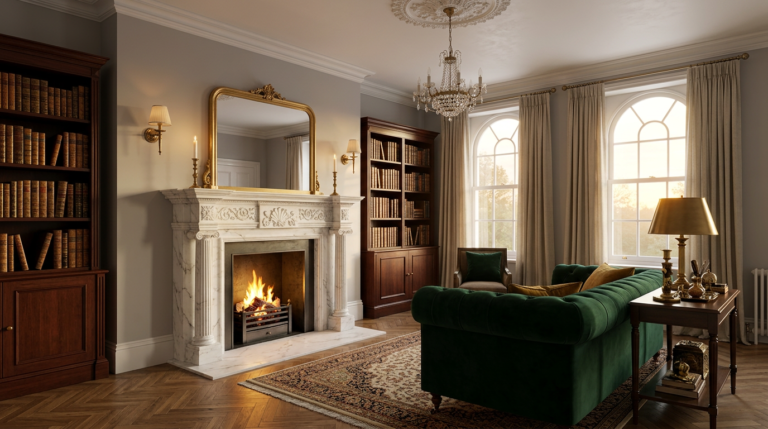

Transforming a Surrey mansion with high-end sustainable materials starts with a holistic, evidence-led approach that pairs durable, locally sourced components with modular design to minimize waste. Prioritize high-performance envelopes, energy-efficient systems, and renewables, while sharpening IAQ with low-VOC finishes and effective ventilation. Use reclaimed timber and stone where feasible, and support craftsmanship through precise installation and smart controls. The result is timeless luxury with resilience and low lifecycle impact. If you continue, you’ll uncover how to implement each step effectively.
Key Takeaways
- Use a holistic, evidence-based approach to align structure, systems, and landscape with durable, locally sourced materials and modular design for waste reduction.
- Prioritize high-performance envelopes, smart glazing, passive cooling, and renewable energy integration with real-time monitoring dashboards.
- Source reclaimed timber/stone with IAQ considerations, verifying provenance and structural compatibility to minimize embodied energy.
- Elevate aesthetics with regional craftsmanship, natural dyes, low-VOC finishes, and textiles that reflect local identity and durability.
- Optimize IAQ and comfort through advanced ventilation, heat-recovery, low-emission finishes, modular maintenance, and biophilic elements.
What Makes a Surrey Mansion Truly Sustainable
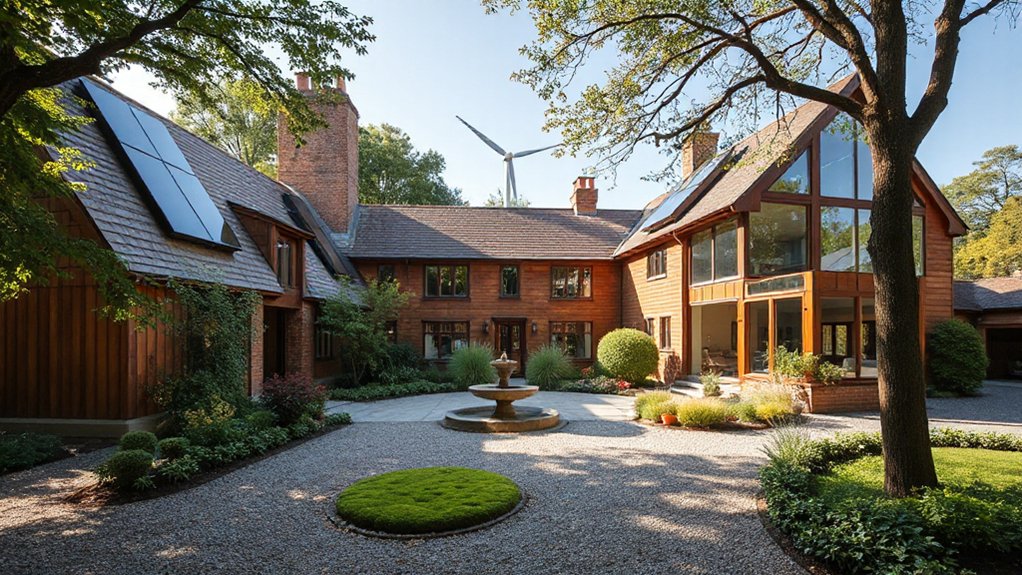
A Surrey mansion earns true sustainability when it minimizes environmental impact across construction and daily use, from choosing low‑embodied‑carbon materials to designing for long life and easy maintenance. You achieve this through a holistic, evidence‑driven approach that aligns structure, systems, and landscape. Prioritize durable, locally sourced materials and modular design to reduce waste and cost. Optimize energy performance with high‑efficiency envelope details, smart glazing, and passive cooling strategies. Water stewardship matters: drought‑tolerant landscaping reduces irrigation needs while enhancing aesthetics. Landscaping aesthetics should integrate native species with year‑round interest, supporting biodiversity and soil health. Architectural harmony emerges when massing, materials, and form reflect context, enabling seamless integration with the environment. Your choices reinforce durability, reuse, and responsible stewardship.
Start Here: Your Baseline for Materials, Air, and Efficiency
You’ll establish a baseline for materials, air quality, and efficiency to guide every renovation choice. Start by auditing current materials, indoor air standards, and the home’s envelope to identify low-cost gains and risk areas. From there, set clear targets for healthier materials, improved ventilation, and efficient systems to anchor the project.
Baseline Materials And Air
To establish a solid baseline for materials, air quality, and efficiency, start by inventorying all structural and finishing components in the Surrey mansion using sustainable criteria: embodied carbon, durability, and potential for reuse or recyclability. You’ll map material classes, coatings, fasteners, and assemblies, noting modeled emissions and end-of-life options. Assess indoor air by listing ventilation effectiveness, moisture control, and volatile organic compound sources, linking them to occupancy patterns and seasonal variation. Document performance targets for airtightness, filtration, and thermal mass, aligning with ongoing maintenance programs. Prioritize renewable energy integration and smart controls as governance anchors for ongoing improvement. This baseline supports eco friendly construction decisions, material substitution scenarios, and phased decarbonization, enabling you to measure progress without compromising aesthetics or comfort.
Efficiency Foundations Start
With a clear baseline in place, you’ll establish the concrete starting point for materials, air, and efficiency across the Surrey mansion. You assess envelope performance, air tightness, and material choices to quantify baseline consumption and comfort. Then you translate findings into a targeted plan that reduces waste, energy use, and emissions from day one.
- Establish airtightness targets and test schedules to validate movement of conditioned air.
- Map material carbon footprints and prioritize low‑embodied‑energy options aligned with Eco conscious landscaping.
- Define renewable energy integration goals, sizing systems to match occupancy patterns.
- Create monitoring dashboards that track real‑time performance, enabling rapid adjustments for comfort and efficiency.
Auditing for Health and Comfort: Materials, VOCs, and IAQ
Are any materials in your Surrey mansion compromising indoor air quality? In this audit, you assess materials, finishes, and furnishings for IAQ impact, not just cost or aesthetics. You map sources of emissions, identify low-VOC or VOC-free options, and confirm certifications like SCS Gold or GREENGUARD. You prioritize products with documented odor and emission data, tracking exposure durations and peak release periods. You evaluate ventilation performance and consider air filtration upgrades to reduce ambient particulate and gaseous contaminants. You implement a VOC reduction plan, pairing protective coatings, adhesives, and sealants with rapid off-gassing practices during installation. You document results, set ongoing monitoring, and adjust selections to sustain comfort, health, and energy efficiency for a timeless Surrey residence.
Sourcing Reclaimed Timber and Stone With Heritage in Mind
Sourcing reclaimed timber and stone with heritage in mind begins by aligning material choices with the audit’s IAQ and sustainability targets, then confirming provenance and structural integrity. You’ll verify supplier documentation, track layers of history, and assess compatibility with modern performance standards. Aim to minimize embodied energy while preserving character through precise selection criteria. Reclaimed timber and Heritage preservation guide decisions about joinery, grain, and load paths, ensuring longevity and authenticity.
- Confirm provenance documents and transport routes to safeguard traceability
- Inspect for structural integrity, worming, and sound timber species
- Evaluate stone for compatibility with foundations and future maintenance
- Document installation methods that honor original craftsmanship while meeting codes
You achieve a balanced, low‑impact aesthetic grounded in heritage, sustainability, and durability.
Choosing Low‑VOC Finishes to Minimize Odors and Hazards

Choosing low-VOC finishes starts with selecting products that minimize odors and health risks while delivering durable protection for a Surrey mansion. You prioritize VOC reduction to safeguard indoor air quality during application and curing, then verify certification and low-emission data from reputable sources. Assess reformulated coatings for solvent content, binders, and water-based options that align with performance needs in high-traffic interiors. Demand products with clear odor control claims and independent test results, ensuring surface compatibility with existing substrates and sustainability goals. Consider lifecycle impacts, including supplier transparency, reuse potential, and recyclability of containers. Implement proper venting and curing protocols to further reduce emissions, and document adherence to environmental standards for project reporting and compliance. Your choice supports healthier occupants and enduring aesthetic value.
High‑Performance Insulation and Glazing for Surrey’s Climate
High-performance insulation and glazing tailored to Surrey’s temperate climate maximize comfort while minimizing energy use and emissions. You’ll choose materials with low thermal bridging, high R-values, and airtight seals to curb heat loss and draft intrusion. Pair these with glazing that balances solar gain and glare, achieving year-round comfort without excessive cooling or heating. Expect structures that perform in extremes of humidity and temperature while reducing interior noise. Innovative ventilation and durable seals sustain indoor air quality without sacrificing energy efficiency. Renewable energy integration further lowers footprint, aligning aesthetics with sustainability.
- Precision-cut insulation batts snug against studs and around corners
- Smart glazing combos that optimize daylight and heat gain
- Airtight membranes that deter leaks despite weather shifts
- Quiet, balanced ventilation supporting healthy indoor air
Heating, Cooling, and Power: Energy Systems That Respect the Land
Harnessing energy systems that harmonize with the landscape means choosing heating, cooling, and power solutions that minimize environmental impact while maximizing comfort. You design for efficiency by pairing thermal mass with well‑insulated envelopes and demand‑based controls. Renewable energy integration—solar PV, ground or air‑source heat pumps—reduces grid reliance while delivering consistent comfort year‑round. Smart thermostats translate occupancy patterns and weather data into precise operation, minimizing runtime without compromising performance. Consider zoning and heat recovery ventilation to maintain air quality with minimal energy use. Storage options, like battery systems, decouple generation from consumption, boosting resilience. Prioritize materials and equipment with high efficiency ratings and low embodied energy. You create a resilient, low‑carbon system that respects the land and supports ongoing stewardship of Surrey’s heritage properties.
Local Fabrics and Furnishings for Timeless Luxury

Local fabrics and furnishings play a defining role in timeless luxury by prioritizing regional resources, craftsmanship, and durability. You’ll select textiles that endure, age gracefully, and reflect local identity through responsible sourcing and artisan technique.
- Local craftsmanship informs pattern, weave, and finish, elevating texture with minimal transport.
- Durable fabrics—linen, wool, and hemp—reduce replacement cycles while improving climate resilience.
- Natural dyes and low-VOC finishes preserve air quality without compromising tone or depth.
- Timber-framed furniture, upholstered in high‑end cloth, pairs longevity with classic silhouette.
Water Efficiency Without Compromising Comfort
Water efficiency can be achieved without sacrificing comfort by choosing fixtures and habits that reduce consumption while maintaining everyday ease. You’ll select high‑efficiency fittings and leak‑aware systems, pairing them with sensible usage routines. Install dual‑flush toilets, low‑flow taps, and intelligently timed showers to trim baseline demand without compromising experience. Incorporate Rainwater harvesting where architectural and regulatory conditions allow, supplying irrigation and non‑potable uses with minimal energy input. Integrate Greywater recycling to extend water resources for appropriate non‑drinking applications, ensuring robust filtration and compliance. Design for comfort by prioritizing predictable pressure and temperature control, avoiding sudden changes that disrupt routines. Monitor performance with simple dashboards, enabling continuous refinement. In practice, this approach sustains luxury while dramatically reducing water footprints across living, leisure, and service areas.
Install‑Driven Details: Craftsmanship Meets Modern Technology
From the outset, integrate craftsmanship with smart technology to create installations that are both reliable and elegant. You’ll fuse time-honored details with cutting-edge controls, delivering systems that perform with minimal intervention and maximal efficiency. This approach embodies craftsmanship innovation and modern craftsmanship, ensuring every element serves form and function.
- Subtle hardware, hidden wiring, and tactile finishes align with sustainability goals.
- Precision joinery and calibrated actuators create seamless, reliable motion.
- Smart controls adapt lighting, climate, and shading to occupancy patterns.
- Durable materials, recycled content, and low‑energy components lower lifecycle impact.
The result is installations that respond intuitively, reduce waste, and endure. You’ll observe how traditional artistry elevates tech, crafting a cohesive, resilient, and serene Surrey environment.
Indoor Air Quality as a Daily Standard

Could indoor air quality (IAQ) really become a daily standard in a high-performance home? Yes, when you adopt targeted strategies that work with, not against, your sustainable materials. You optimize ventilation with heat-recovery systems that minimize energy loss while maintaining fresh air exchange. You control pollutants at source by selecting low-emission finishes and modular components, paired with robust filtration that captures particulates and volatile compounds. You integrate humidity management to prevent mold and condensation without energy penalties. You enhance IAQ with deliberate interior biophilic elements: Indoor plants contribute to surface cleanliness and microclimate balance, while designed airflow paths keep plant volumes from obstructing circulation. You also deploy discreet air purification units aligned with room usage, preserving aesthetic integrity and occupant comfort.
Designing for Longevity and Low Maintenance
Designing for longevity and low maintenance blends durable material choices with thoughtful detailing to reduce ongoing upkeep. You’ll select Eco friendly finishes and Renewable materials that resist wear, weather, and staining, ensuring fewer interventions over decades. Precision joints, sealed surfaces, and breathable assemblies balance performance with aesthetics, maintaining value while cutting maintenance cycles.
- Choose hard-wearing surfaces with minimal porosity for easy cleaning
- Implement protective coatings that extend life without frequent reapplication
- Favor modular systems that allow targeted replacement rather than whole sections
- Employ sustainable fasteners and finishes that reduce long-term upkeep and waste
Budgeting for Sustainable Luxury: ROI, Value, and Payback
Where does sustainable luxury deliver real value when budgeting for a Surrey mansion? You quantify ROI by measuring life-cycle costs, not just upfront capex. Prioritize high-impact, durable materials and systems that reduce operating expenses, then map payback periods across key areas. Sustainable landscaping lowers irrigation and maintenance while boosting curb appeal, creating long‑term savings and value. Eco friendly lighting, chosen with efficiency and quality in mind, reduces utility spend and extends bulb life, improving return timelines. Include construction waste strategies and modular upgrades to preserve resale value. Align budgets with energy performance targets, leveraging incentives and smarter procurement. Finally, model scenario outcomes to compare cash flow, risk, and environmental benefits, ensuring decision‑making supports both financial and sustainability goals.
Frequently Asked Questions
How Long Does It Take to Complete a Sustainable Surrey Mansion Project?
It typically takes 12–24 months, depending on scope and permitting, you’ll plan meticulously. You’ll implement Luxury aesthetics and Eco friendly finishes, ensuring efficient scheduling, rigorous quality control, and sustainable sourcing to minimize disruption and maximize long‑term performance.
What Are the Upfront Costs Versus Long-Term Savings?
Upfront costs are higher, but long-term savings come from reduced energy and maintenance. You’ll offset them with eco friendly landscaping and renewable energy integration, lowering bills as efficiency, durability, and resale value boost your property’s sustainable performance.
Which Certifications Matter Most for Luxury Sustainability?
The most important certifications are LEED, BREEAM, and WELL, plus FSC/PEFC for materials. You prioritize Luxury design and Material innovation, aligning with rigorous standards to demonstrate sustainability, indoor air quality, and resource efficiency throughout your project.
How Is Material Provenance Verified and Tracked Onsite?
Provenance is verified through rigorous chain-of-custody, supplier audits, and on-site material sampling. You implement robust provenance tracking, tagging each item, recording origin, certifications, and movement, ensuring transparent material sourcing and sustainable lifecycle accountability throughout construction.
Can Maintenance Be Simplified Without Compromising Eco-Performance?
Yes, maintenance can be simpler without compromising eco-performance. You’ll integrate Eco friendly landscaping and Renewable energy systems, streamlining monitoring, durable materials, and automated controls, keeping systems efficient, resilient, and aligned with long-term sustainability goals.
Conclusion
A Surrey mansion isn’t a destination, it’s a commitment. Think of the home as a seed: the shell is timber and stone, but the roots reach deep into reclaimed histories and low‑VOC whispers. Each room becomes a breath you can measure—IAQ—the wind through open lungs. Materials, like careful sunlight, illuminate longevity and ease. When you invest in sustainable luxury, you plant for tomorrow’s shade, growth, and quiet, enduring value that nourishes both people and planet.
About the Author