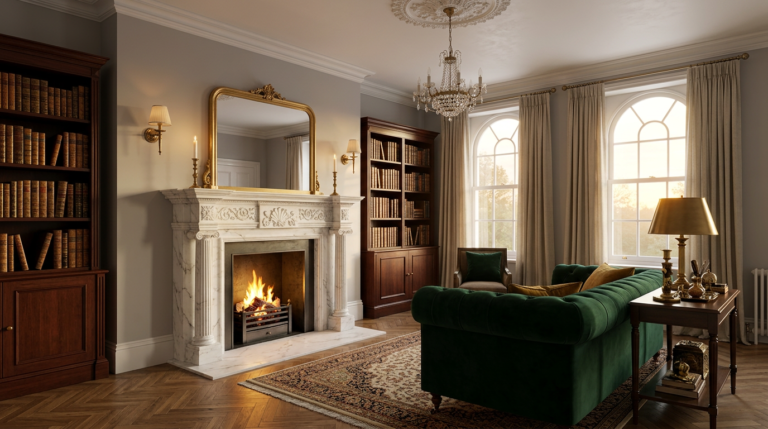

Minimalist design starts with a calm foundation: clear priorities, durable materials, and neutral tones that keep spaces timeless. Declutter daily, keep only what you use or love, and create clutter-free zones for quick access. Choose multi‑use furniture with hidden storage and modular pieces to adapt without visual noise. Embrace light, simple textures, and unobtrusive window treatments to maximize brightness. Maintain routines and durable finishes for long-term ease—and you’ll discover how deeper tweaks can elevate every room.
Key Takeaways
- Prioritize uncluttered spaces by removing what isn’t used or valued, and establish daily quick decluttering routines.
- Choose multi-use, storage-forward furniture with hidden compartments to keep surfaces clear and lines clean.
- Use a neutral color palette with soft whites, beiges, or pale grays and integrate gentle accent colors for depth.
- Maximize natural light with unobtrusive window treatments and reflective surfaces to expand the sense of space.
- Maintain consistency in materials and finishes, schedule routine maintenance, and address repairs promptly to sustain a timeless, calm look.
Define the Minimalist Foundation: Core Principles and Goals
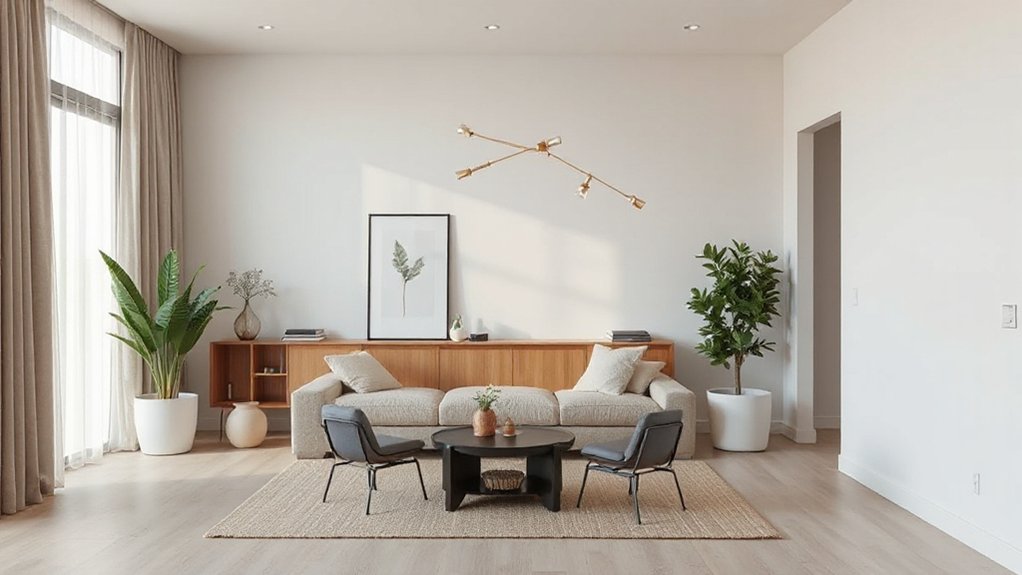
Start by establishing the core idea: a minimalist design rests on removing the unnecessary to reveal what truly matters. You define the foundation by clarity, function, and restraint.
Establish a purposeful goals list: simplify, refine, and optimize every element toward essential use.
Your decisions hinge on durable materials, neutral palettes, and clean lines that won’t overwhelm. Prioritize furniture balance so each piece supports the whole without crowding; let proportionality guide placement.
Aim for space harmony by ensuring sightlines, rhythm, and negative space create calm rather than distraction.
Avoid trends that dilute purpose; favor timeless forms and practical finishes.
You test ideas against real needs, not impressions. With discipline, you preserve room to breathe, move, and think, keeping design intentional, cohesive, and effortlessly enduring.
Declutter for Calm: Simple Habits That Last
If you want a calm, uncluttered home, start with gentle daily decluttering and intentional item retention.
Keep only what you use, love, or truly value, and remove the rest in small, doable steps.
This steady routine makes clutter rare, predictable, and easier to sustain.
Gentle Daily Decluttering
Gentle daily decluttering is a practical habit that keeps a modern home calm and organized. You’ll move with intention, doing short, repeatable cycles that prevent buildup and stress. Focus on quick wins, not perfection, and reinforce habits that last. Use clear zones and clear routines to sustain momentum, so every item has a home and a purpose.
- Establish organizational hacks like daily reset rituals and labeled bins
- Create clutter free zones in high-traffic areas for quick access
- Schedule 5-minute tidy-ups after meals or work sessions
- Practice mindful disposal of items you no longer need, keeping only essentials
This approach promotes efficiency, reduces decision fatigue, and reinforces a calmer, more intentional living space.
Mindful Item Retention
Mindful item retention means keeping only what serves a clear purpose and adds value to daily life. You act with intention, not impulse, when deciding what stays.
Start by evaluating each item’s utility, frequency of use, and impact on space flow. If something is rarely touched, ask whether it elevates or merely fills.
For emotional moments, distinguish emotional attachment from functional need; preserve items that reinforce routines or decisions, not nostalgia alone.
Address sentimental items by selecting a few meaningful pieces and digitizing or rotating keepsakes to prevent clutter buildup.
Set a quarterly review to re-evaluate holdings, removing duplicates and outdated objects.
Remember: calm comes from deliberate curation, not excessive accumulation. Your home should support focus, efficiency, and restful moments, not distraction.
Multi‑Use Furniture: Pieces That Do More
You’ll boost flexibility by choosing pieces with hidden storage and transformable seating that adapts to your space. Start with furniture that hides essentials and folds or stacks without adding bulk, so you keep rooms uncluttered.
This approach keeps your layout practical and ready for any activity.
Hidden Storage Solutions
Hidden storage is where multi‑use furniture earns its keep: pieces that hide belongings while serving a primary function. You’ll prioritize hidden compartments and concealed cabinetry to maintain a calm, uncluttered look without sacrificing utility.
- Choose beds with under‑frame drawers or lift‑top benches for linens and small essentials
- Opt for coffee tables with hollow cores and removable panels for remotes, chargers, and manuals
- Integrate storage ottomans that double as seating and hidden bins
- Use wall‑mounted consoles with behind‑panel access for documents and chargers
Effective execution relies on precise placement and uniform finishes. Avoid exposed hardware that disrupts lines.
Regularly assess what you store to preserve a clean, modern aesthetic while preserving easy access.
Transformable Seating Ideas
Transformable seating blends function with form, letting one piece perform multiple roles without clutter. You optimize spaces by choosing furniture that folds, extends, or converts on demand.
Look for compact sofas with hidden beds, ottomans that lift to reveal storage, and dining benches that convert to small tables. Prioritize sturdy hinges, smooth mechanisms, and easy operation to maintain a clean aesthetic.
When evaluating diameter, seat height, and back support, ensure comfort remains constant across configurations. Consider modular units you can rearrange for guests or daily use, so fewer pieces serve more tasks.
Convertible furniture reduces visual noise while increasing adaptability, making rooms feel calm and purposeful. Space saving seating enhances flow, practicality, and contemporary polish.
Create an Airy Palette: Color, Light, and Texture
A bright, airy palette starts with a light base and subtle chroma, so choose soft whites, warm beiges, or pale grays as your backbone and layer in gentle accents for contrast. You’ll balance color psychology with practical touches, using airy tones to influence mood without overwhelming space, and you’ll emphasize texture contrast to add depth.
- Use matte neutrals as the base, then introduce a single saturated accent to guide focus.
- Choose textiles with tactile variety (linen, boucle, cotton) for visual and physical depth.
- Let natural light do the heavy lifting; keep window treatments light and unobtrusive.
- Install subtle, reflective surfaces to boost brightness without glare.
This approach stays precise, actionable, and minimal while elevating calm, modern interiors.
Durable Storage Solutions: Materials for Pristine Minimalism
Durable storage is essential for pristine minimalism, so choose materials that resist daily wear while maintaining a calm, uncluttered look. You’ll prioritize surfaces with high scratch and stain resistance, like solid core laminates, treated veneer, and powder-coated metals, which stay pristine longer without frequent refinishing.
Opt for integrated systems that conceal hardware and edges, reducing visual noise. Favor stable, low-maintenance options that tolerate humidity and temperature shifts, guaranteeing longevity in kitchens, closets, and living areas.
For doors and drawers, select push-to-open mechanisms or minimal hardware to sustain clean lines. Consider sustainable options such as FSC-certified wood, recycled composites, and responsibly sourced metals.
Explore innovative materials that blend durability with seamless aesthetics, and ensure your choices support long-term, clutter-free usability throughout your home.
Daily Maintenance Routine for a Clean, Modern Home

To keep a pristine, modern home looking its best, establish a straightforward daily routine that minimizes clutter and preserves the calm, streamlined aesthetic you’ve chosen. You’ll rely on Organizational routines and Cleaning schedules to stay consistent, not reactive.
- clear surfaces first thing, returning items to designated spots
- wipe high-touch areas and quick-dust during brief breaks
- run a focused 10-minute sweep of main zones
- reset lighting, straighten pillows, and verify bins are empty
Consistency beats intensity; short, repeatable actions prevent buildup. Use a timer to enforce limits and prevent overdoing tasks. Tidy-as-you-go becomes second nature, reducing later effort.
Maintain a simple checklist you can trust, not dread. This approach sustains the modern look and calm you value, while keeping maintenance efficient and predictable.
Frequently Asked Questions
How Can I Maintain Minimalism With a Busy Family Schedule?
You stay minimalist by prioritizing routines: implement quick Family organization rituals, like daily 10-minute clears, and enforce streamlined gear. Use Time management constants, slotting chores and meals; automate where possible, and involve everyone in simple, repeatable standards.
What Are Budget-Friendly Minimalist Upgrades for Renters?
Install budget-friendly, renter-friendly upgrades: decorative storage solutions and subtle color accents. Like a well-packed suitcase, your space travels lighter yet organized. You’ll repurpose crates for storage, add color pops, and keep walls neutral for flexibility.
How Do I Blend Minimalism With Warm, Personal Decor?
Start by blending decorative accents with warm color palettes, you’ll soften minimalism while preserving clarity. Choose plush textures, add personal mementos, and keep lines clean; curate elements intentionally so each piece reinforces calm, purposeful spaces.
Which Tech Essentials Align With a Clutter-Free Home?
You’ll need a smart home setup with wireless charging for essentials, because clutter-free tech saves space. You stay organized, and you’ll control devices fast, confidently, and securely, ensuring energy efficiency while enjoying seamless, unobtrusive access.
How Can I Preserve Minimalism When Hosting Guests?
You preserve minimalism by clear guest etiquette and smart hosting essentials: set simple arrival expectations, offer a compact, tidy space, limit extras, and use multifunctional surfaces. You guide, tidy as guests depart, and maintain calm, uncluttered hospitality.
Conclusion
Minimalism isn’t a trend—it’s a disciplined practice you live daily. When you resist clutter, you free attention for what matters most. In my neighbor’s apartment, a single, well-placed chair replaced a crowded shelf, and suddenly mornings felt calmer—proof that space shapes thought. Data shows organized spaces cut search time and stress. So, adopt simple routines, trust durable storage, and choose multi-use pieces. Your clean, modern home becomes less about rigidity and more about intentional ease.
About the Author