

To quickly boost kerb appeal, start with a 5-minute audit of boundaries, doors, lighting, paths, and clutter, then plan seasonal maintenance and smart upgrades. Choose climate-healthy, drought-tolerant plants, prioritizing natives and soil health. Design a welcoming front path with durable materials, gentle curves, and subtle lighting. Create instant impact with bold color, varied textures, and layered plantings, then keep upkeep light with seasonal tweaks. Add weatherproof lighting and simple accents for safety and charm, and budget-friendly upgrades that endure; you’ll discover more ahead.
Key Takeaways
- Conduct a quick curb appeal audit to identify improvements in doors, lighting, paths, paint, and clutter, prioritizing high-impact areas.
- Select climate-appropriate, low-maintenance plants (prefer natives) to ensure year-round structure with reduced upkeep.
- Design clear, inviting front paths and entries using durable materials, gentle curves or lines, and practical lighting and seating.
- Create instant visual impact with cohesive color palettes, varied textures, and seasonal tweaks like mulch refreshes and container rotations.
- Plan for durability and safety with weatherproof fixtures, strategic lighting, routine maintenance calendars, and future upgrade budgets.
Do a 5-Minute Kerb Appeal Audit
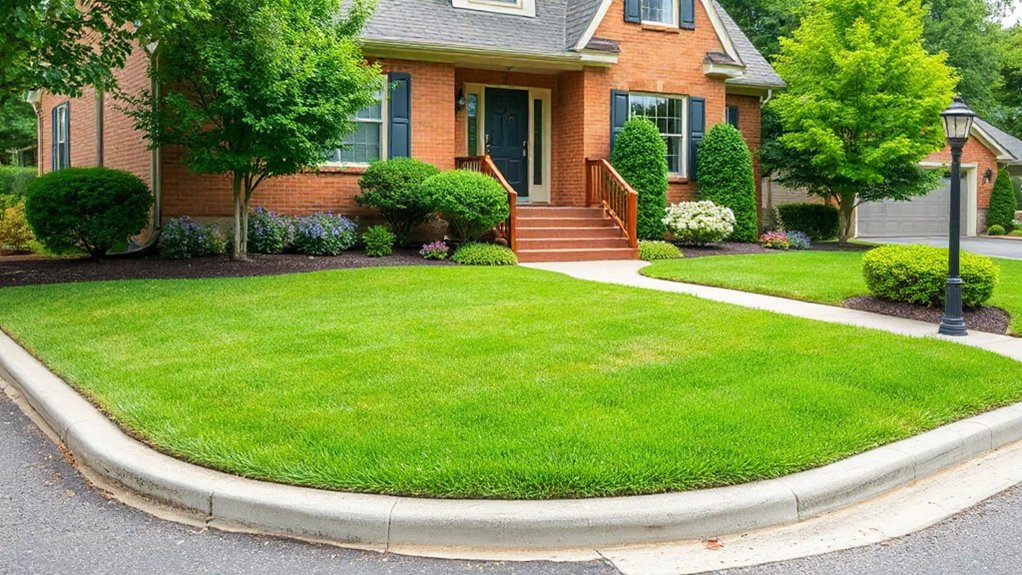
Begin with a quick, five-minute scan of your property’s curb appeal. In this brisk audit, you’ll assess fundamentals first: boundaries, doors, and lighting. Note any peeling paint, cracked paths, or overgrown edges that distract from your home’s portrait. Check sightlines from the street and neighbors’ viewpoints; aim for tidy, welcoming vistas. Move quickly to the foreground: trim, mulched beds, and weed-free zones. Consider how garden furniture and outdoor art contribute focal points without clutter. If you spot clutter, remove or relocate items to reduce visual noise. Record one immediate improvement you can complete today, and one for this week. Finish with a plan to maintain consistency: schedule seasonal touches, rotate accents, and keep the curb inviting.
Choose Climate-Healthy Plants for Your Home
Start by selecting climate-appropriate species that thrive where you live, so your garden stays lush with less effort. Focus on drought-tolerant options and smart planting layouts to conserve water while still delivering curb appeal. Make certain your choices align with local habitats to support pollinators and overall ecosystem health.
Climate-Appropriate Selections
Choosing climate-healthy plants starts with understanding your local conditions—sun exposure, rainfall patterns, and soil types. When you select climate-appropriate species, you boost survivability and curb maintenance, saving time and resources. Prioritize native species where possible; they’re adapted to your region’s cycles and support local wildlife, which strengthens kerb appeal over time. Assess soil health first: test texture, drainage, and organic matter, then amend thoughtfully to meet plant needs. Pair drought-informed choices with soil-friendly practices, reducing irrigation demands without compromising vigor. Consider microclimates on your property—shaded beds, sunny slopes, wind-sheltered spots—and choose varieties that align with those niches. Choose plants that mature to complementary forms and colors, ensuring year-round structure. This disciplined approach yields a resilient, attractive entryway.
Drought-Tolerant Planting
You’ve set the stage with climate-smart choices, so now focus on drought-tolerant planting that still elevates kerb appeal. Choose climate-healthy options that survive dry spells without constant irrigation. Prioritize native species that are adapted to your region, reducing maintenance while supporting local biodiversity. Pair tough perennials with grasses that provide texture and year-round interest. Group plants by sun exposure and water needs to simplify watering schedules and minimize waste. When selecting, consider soil enrichment as a foundation: add compost or aged mulch to improve moisture retention and root development, ensuring plants establish quickly. Use a shallow, layered bed to conserve moisture and create visual depth. Mulch generously, prune thoughtfully, and establish a seasonal eye-catching focal point for curb appeal that lasts beyond drought.
Local Habitat Compatibility
Do you want a landscape that thrives locally without extra effort? Local habitat compatibility starts with climate-healthy choices. Prioritize native species that are adapted to your region’s temperatures, rainfall, and soils. These plants typically require less water, fewer pesticides, and less maintenance, while delivering robust growth and reliable bloom cycles. When selecting, consider how each plant fits into the broader ecosystem support you want to foster—pollinators, birds, and beneficial insects. Group species with similar water and sun needs to minimize irrigation and avoid stress. Create layered plantings that mimic natural habitats, combining groundcovers, grasses, shrubs, and trees to stabilize soil and provide shelter. Regularly review plant health and adjust selections to sustain long-term resilience and kerb appeal.
Design a Welcoming Front Path and Entry
A welcoming front path and entry set the tone for your home—so start with a clear, inviting route that blends function with curb appeal. You design the path to guide visitors naturally, using a width that accommodates two people walking side by side. Choose durable materials that resist weathering and match your home’s style, from pavers to compact gravel. Establish a steady cadence with gentle curves or straight lines, avoiding sharp turns that feel abrupt. Illuminate the path with low, energy-efficient lighting to extend usability after dusk. Add edge planting or groundcover for definition, reinforcing the entry as a cohesive space. Integrate practical features like a welcoming doorstep, a sturdy mailbox, and a functional visitor seating area. This front yard landscaping approach reinforces pathway design while enhancing daily curb appeal.
Make Instant Impact With Color and Texture

Color and texture are the fast-track for curb appeal: choose bold, contrasting hues and varied leaf shapes to create visual interest from the street. You’ll maximize impact by applying color coordination across focal plants, shrubs, and edging, ensuring the palette reads cohesively at a glance. Start with a dominant evergreen backbone, then insert perennials that repeat your accent colors for season-long punch. Layer textures deliberately: broad, glossy leaves beside fine, feathery foliage to enhance depth. Use contrast not chaos—pair smooth, matte surfaces with slightly serrated or cactus-inspired forms to catch light from multiple angles. Balance, don’t overwhelm: let each element have space to breathe. Think in horizontal bands and vertical accents, so the entire approach reads deliberate and polished. Texture layering and color coordination drive an instant, memorable curb presence.
Keep Maintenance Light With Simple Seasonal Tweaks
Seasonal lightening routines keep upkeep simple, so you can tweak instead of overhaul as the seasons change. Pair low-maintenance planting plans with easy, reversible changes like mulch refreshes, container rotations, and smart pruning to preserve curb appeal year-round. This approach lets you stay practical, polished, and ready to adapt without sacrificing impact.
Seasonal Lightening Routines
To keep curb appeal high year-round, adopt light maintenance routines that are simple to implement and easy to sustain. Seasonal lightening routines keep your property looking polished without heavy effort. You’ll want a predictable schedule: check exterior lights monthly, replace burnt bulbs promptly, and test timers before major gatherings. Choose energy‑efficient LEDs and keep cords concealed along trim lines to preserve curb appeal. For festive lighting, limit the number of focal points so the display remains tasteful and never cluttered. Rotate seasonal decor with minimal changes—swap ribbons, lanterns, and silhouettes rather than a full overhaul. Store gear in a labeled, weather‑proof bin, and document battery and bulb lifespans. Consistency saves time, reduces waste, and sustains welcoming kerb appeal year after year.
Low-Maintenance Planting Plans
Wondering how to keep a vibrant yard with minimal effort? Choose low-maintenance planting plans that balance beauty and practicality. Focus on native species that thrive in your climate with little intervention, reducing watering, fertilizer, and pest controls. Design native gardens with layered textures: groundcovers, perennials, and shrubs that provide year-round structure. Group plants by sun exposure and water needs to simplify care and irrigation. Use mulch to conserve moisture and suppress weeds, then schedule light seasonal tweaks—deadheading, selective pruning, and revitalizing mulch as needed. Favor plants with pest resistance and drought tolerance, which lowers maintenance further. Create a simple maintenance calendar, outlining seasonal tasks and triggers. With this approach, your kerb appeal remains high while effort stays low.
Add Lighting and Small Accents for Safety and Charm
Incorporating lighting and small accents is a practical, high-impact way to boost curb appeal and safety. You’ll start by outlining a simple lighting plan that highlights key features—pathways, entryways, and focal plants—without glare. Use garden illumination to guide guests toward steps and doors, while low-level uplights create subtle depth along the façade. Choose durable fixtures, sealed to weather, and aim for a cohesive look with a consistent color temperature. Integrate decorative accents like lanterns, weatherproof sculptures, or a seasonal mailbox accent to add personality without clutter. Place a few well-timed, warm-hued lights to extend curb appeal after dusk. Keep wiring tidy and concealed, and test in different conditions to guarantee both safety and aesthetic impact.
Quick, Budget-Friendly Upgrades That Pay Off
If you’re looking for quick wins that don’t strain your budget, start with simple, high-impact upgrades like fresh mulch, a coat of exterior paint on a front door or shutters, and upgrading house numbers for easy visibility. These changes sharpen curb appeal fast and set a credible baseline for future investments. Next, curate garden furniture with weather-resistant pieces that invite inviting moments on porches or patios; choose clean lines and cohesive colors to unify the exterior. Add intentional outdoor art—a simple sculpture, wall plaque, or framed outdoor-ready print—to create focal points without clutter. Maintain contrast between plantings and hardscape, and fix obvious flaws promptly. Prioritize durability, ease of maintenance, and visual balance to maximize impact with minimal cost.
Plan for Ongoing Upkeep and Future Updates
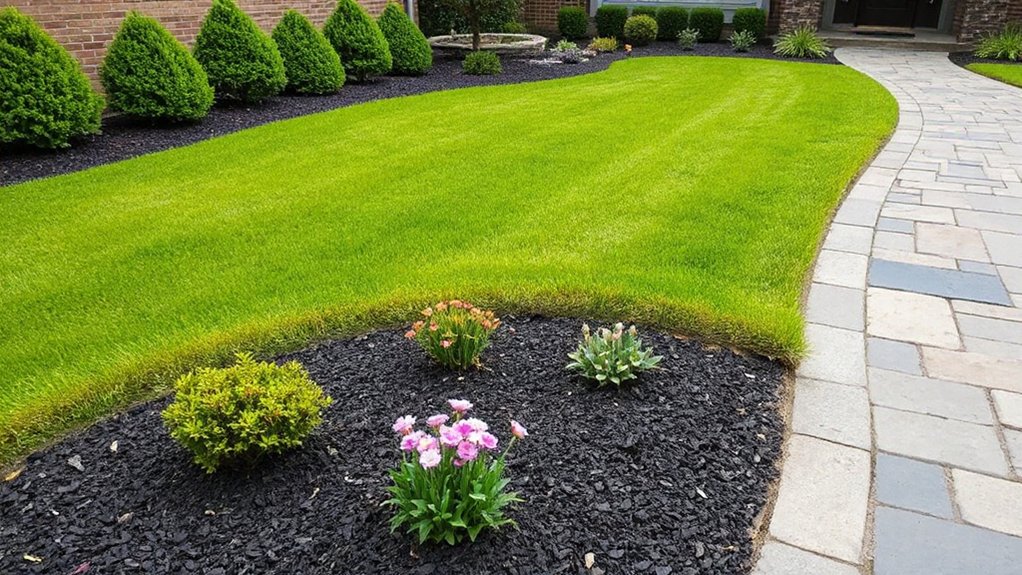
Proactive upkeep is the backbone of lasting curb appeal, so set a clear maintenance rhythm and stay disciplined about it. You’ll protect your investment by scheduling seasonal tasks, tracking changes, and adjusting plans as needed. Plan for ongoing upkeep with power windows of action: simple routines, documented tweaks, and measured improvements.
- Establish a maintenance calendar that aligns with planting cycles, pruning windows, and weather shifts, and keep garden furniture in rotate-use condition to avoid neglect.
- Allocate a budget for refreshes, including outdoor art updates and low-cost garden upgrades, so you can refresh without tearing down existing design.
- Create a review cadence to assess effectiveness, swap out dated pieces, and test new elements while preserving cohesion.
Frequently Asked Questions
How Can I Assess Overall Kerb Appeal Quickly?
Assess quickly by walking the path, noting first impressions, then focusing on lawn maintenance and garden lighting. Check curb visibility, clutter, and color balance; guarantee tidy edges, healthy grass, and lighting accents for added appeal.
What Hardscape Mistakes Should I Avoid?
Skip sharp edges and uneven slabs; avoid mismatched materials, sloppy joints, and overgrown borders. You should plan garden lighting and irrigation systems carefully, ensuring drainage, alignment, and maintenance are flawless to sustain durable hardscape that elevates curb appeal.
Which Soil Tests Matter for Planting Success?
You should test soil composition and nutrient levels before planting. You’ll identify pH, texture, organic matter, and key nutrients, adjust amendments, and tailor choices to your beds. This practical approach boosts plant health and long-term success.
How Often Should I Prune Foundation Shrubs?
You should prune foundation shrubs every 1–3 years, depending on growth rate and species. Establish a pruning schedule and monitor shrub health annually; prune lightly after flowering, and avoid heavy cuts that stress the plant.
What Budget Tiers Work for Curb Appeal Upgrades?
Investing, say, in three budget tiers guides your curb appeal. You’ll see Garden color brighten entrances and trust manageable Lawn maintenance to hold it. You plan, you budget, you execute—efficiently, confidently, and with steady, tangible results.
Conclusion
You’ve got the basics, now act with deliberate polish. Start with a quick 5‑minute audit, pick climate‑smart plants, and shape a welcoming path. Add instant color, simple textures, and subtle lighting for safety. Keep upkeep light with seasonal tweaks and budget‑savvy upgrades that actually pay off. Plan for ongoing care and future updates, so curb appeal compounds over time. If you stumble, remember: even a well-tended front yard can feel like a Lego set—playful, precise, and surprisingly powerful.
About the Author


