

To achieve year‑round appeal, start with an evergreen backbone for structure, layering conifers, broadleaf evergreens, and groundcovers to maintain texture through winter. Pair this with a thoughtful hardscape plan—paths, seating, and color‑matched tones that guide movement and sustain visibility. Layer textures from upright evergreens to mounding perennials and grasses, then enrich seasonal color with carefully timed blooms. Stay on schedule with simple, water‑wise maintenance and quick seasonal tweaks; you’ll uncover more strategies as you continue.
Key Takeaways
- Establish an evergreen backbone with varied conifers and broadleaf evergreens for year-round form, texture, and vertical rhythm.
- Layer planting strata (upright evergreens, mounding perennials, and grasses) to create depth and continuous seasonal interest.
- Pair evergreens with seasonal blooms to maintain structure while adding drama aligned to light shifts.
- Integrate smart maintenance and water-wise practices: soil/pest checks, zone-based irrigation, and mulching to reduce upkeep.
- Align hardscape and plantings for cohesive sightlines, scale, and seamless transitions across seasons.
What Year-Round Landscaping Really Means for Your Yard
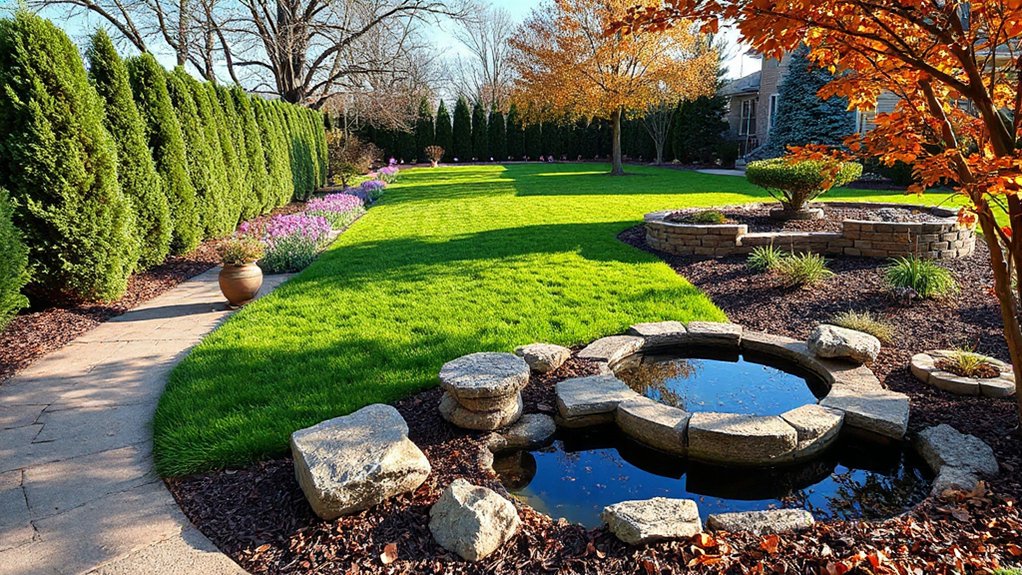
Year-round landscaping isn’t about chasing every season’s trend; it’s about designing a yard that looks intentional and functions smoothly no matter the weather. You shape a space that remains attractive, resilient, and low-maintenance through weekly routines and seasonal shifts. Your approach centers on core principles: select diverse yet compatible plantings, emphasize structure, and blend textures that endure. By prioritizing evergreen backbone, you create consistent appeal even when color options dip. Consider how irrigation, soil health, and drainage support steady performance, not fleeting looks. Landscaping trends guide you, but choose elements that fit your climate and lifestyle. DIY gardening becomes a practical habit, not a vanity project. You’ll tune maintenance, curb appeal, and usability to ensure you enjoy the yard year-round without overhauling it each season.
Build an Evergreen Backbone for Structure
You’ll establish an evergreen backbone with a solid structure foundation, ensuring year-round form that supports seasonal planting. This Seasonal Texture Backbone gives you visual interest in every season, while the Year-Round Visual Anchor keeps your garden readable from winter through summer. Start by selecting sturdy evergreens and pairing them with adaptable texture so your yard feels coherent even as it changes.
Evergreen Structure Foundation
Evergreen structure forms the backbone of a resilient landscape, providing year-round form, texture, and stability. You shape a durable foundation by selecting sturdy evergreens and layered foliage that frame sightlines, anchor beds, and support seasonal color shifts. In landscape architecture terms, you create a coherent backbone that guides plant choices, spacing, and pruning cycles while maintaining adaptability for future upgrades in garden aesthetics.
- Choose conifers and broadleaf evergreens with varied heights to build vertical rhythm
- Space for mature spread, allowing air flow and root health without crowding
- Integrate evergreen groundcovers to maintain constant texture and weed suppression
This approach delivers a tidy, enduring framework, enabling you to evolve scenes without losing cohesion or structure.
Seasonal Texture Backbone
Seasonal texture is the backbone that keeps a landscape dynamic across the seasons, and building it starts with a deliberate mix of foliage forms and surface treatments. You establish depth by pairing upright evergreens with mounding perennials and low-growing grasses, ensuring visual interest from all angles. Vary leaf shapes, colors, and textures to create contrast that reads as continuous motion through the year. Layered textures reduce monotony and support a timeless feel for your garden furniture and outdoor spaces, without crowding sightlines. Integrate durable groundcovers and stepping materials that guide movement while maintaining a cohesive palette. This backbone also shapes wildlife habitat opportunities, offering shelter and forage. Maintain seasonal rhythm with timely pruning and clean edges, preserving structural clarity while inviting ongoing exploration and use.
Year-Round Visual Anchor
A year-round visual anchor starts with an evergreen backbone that provides structure, texture, and continuity from season to season. You’ll select key evergreen specimens and sturdy structural perennials to establish form, then layer year-round interest with foliage color, texture, and shape. Focus on predictable, low-maintenance frameworks that resist weather swings, so your garden feels coherent from winter to summer. Avoid Gardening myths and Landscape myths that promise instant impact; opt for proven combos and sound spacing to guarantee air circulation and healthy growth.
- Choose a durable evergreen backbone and reinforce with contrasting textures
- Plan for seasonal interest through foliage, bark, and subtle blooms
- Maintain spacing and pruning to prevent overcrowding and height surprises
Seasonal Interest: Spring, Summer, Fall, Winter Highlights
Spring blooms announce color and fragrance you can sequence for early-season impact. In summer, you’ll emphasize vibrant foliage and structured contrast to carry interest through heat and drought. In winter, you’ll prioritize architectural forms and texture to maintain focal points even when growth pauses.
Spring Bloom Highlights
How can you maximize curb appeal as the garden wakes up? Spring bloom signals the season’s vitality, so plan a focused flower display that anchors sightlines and draws the eye to key thresholds. Choose a restrained palette for early bloom—soft whites, fresh greens, and subtle pinks—to create contrast with late-winter evergreens. Prioritize repeat bloomers and reliable stems to guarantee continuous color without gaps. Space plants to allow air flow and visibility, preventing crowding that hides stems and reduces fragrance.
- Plant a central focal cluster with enduring structure, then layer annually replacing annuals for dynamic color
- Use bio-based mulch to conserve moisture and emphasize fresh spring tones
- Install shallow irrigation and a timed bloom sequence to sustain a bold flower display all season
Summer Foliage Color
As summer unfolds, your foliage becomes the backbone of year-round curb appeal, adding depth, texture, and shade that anchor the garden’s energy. Focus on summer foliage that offers sustained visual impact from late spring through late summer, not fleeting blooms. Choose plants with reliable leaf color, strong contrasts, and tolerance to heat and drought. Pair varieties with complementary hues to create a layered palette of greens, bronzes, and silvers, ensuring vibrant color remains visible from multiple angles. Maintain crisp edges and consistent pruning to preserve foliage shape and intensity. Consider seasonal shifts: some leaves deepen or brighten as weeks pass, enhancing continuity. Hydration and soil health support color endurance. By prioritizing foliage, you secure enduring, low-maintenance vibrancy.
Winter Structural Interest
Winter structural interest hinges on plants and forms that read clearly after the growing season ends. You’ll want elements that maintain silhouette, texture, and rhythm through snow coverage and winter light. Choose materials and species that read as architectural accents when foliage falls, such as bold evergreens, sculptural grasses, and bark with high contrast. Combine lineal evergreens for backbone, bold branches for structure, and ground-hugging textures to anchor the bed. Consider late-season bloomers for subtle color on frigid days, but prioritize form above all. Plan for winter wildlife by placing dense evergreens near paths and seating, inviting visits while reducing bare-spot exposure. Snow-covered features should still read as intentional, not accidental.
- Use sculptural evergreens for backbone
- Highlight contrasting bark and grasses
- Position dense evergreens near paths for winter wildlife
Plants That Shine All Year: Pairing Evergreens With Seasonal Blooms

Pairing evergreens with seasonal blooms creates a year-round framework for your garden: the evergreen backbone provides structure and color in winter, while strategic blooms accentuate texture and drama as the seasons turn. You’ll select evergreen foliage that anchors beds and provides vertical interest, then pair it with seasonal blooms that rise to the occasion when light shifts. Aim for contrast in form—dense needles beside airy blossoms—and balance in color, so the palette never overwhelms foliage texture. Choose evergreen shrubs to act as focal anchors, and rotate perennials for succession bloom, ensuring continuity from early spring through late fall. This approach maintains continuous visual interest, guiding the eye across beds and paths. The result is intentional, resilient landscape coherence year after year.
Layering Color and Texture for Year-Round Depth
Layering color and texture creates year-round depth by weaving contrast across layers of the garden. You’ll design with a deliberate sequence: foregrounds, midstories, and canopies, ensuring each tier adds distinct color and tactile interest. Color contrast should guide plant pairing, balancing cool and warm hues to maintain legibility across seasons. Texture layering relies on leaf shape, surface, and bloom form to read as a cohesive whole, even when blooms fade. Choose persistent textures (grasses, bronze foliage, waxy leaves) to anchor progressions between seasonal interest. Keep scale in mind to avoid crowding and to sustain rhythm from curb to back border.
- Prioritize bold foreground color with fine-textured accent plants
- Use varied leaf textures to accentuate seasonal changes
- Maintain contrast across height layers for unity and depth
Focal Points and Garden Rooms That Feel Welcoming All Year
You’ll choose focal points and garden rooms that invite you in, year after year. Consider how sightlines, materials, and seating cue visitors to linger through every season. Use changes in structure, color, and scale to create welcoming spaces that feel intentional, not fleeting.
Welcoming Year-Round Focal Points
Year-round focal points—and the garden rooms they inhabit—should invite you in, guide movement, and retain their appeal through every season. You’ll design anchors that anchor sightlines, then layer textures, color, and form to maintain interest year after year. Crisp structure supports soft seasonal changes, while durable materials curb upkeep and preserve polish. Integrate utility with welcome: consider sheltered seating, accessible paths, and clear sightlines from main entry to key views.
- Use evergreen scaffolds and seasonal accents to frame views
- Plan discreet storage and lighting, including holiday lighting, for continuity
- Pair pest control considerations with plant choices to minimize disruption while maximizing comfort
Seasonal Garden Room Ideas
Ever wondered how to design garden rooms that feel inviting through every season? You can craft seasonal garden rooms by selecting durable, weather-aware structures and layering textures that age gracefully. Use clear sightlines to focal points—bench nooks, pergolas, or a freestanding sculpture—so the space reads as a curated living area year-round. Integrate garden art with seasonal color shifts: metallic accents in winter, ceramic tiles with warm hues in summer, and plant-backed walls for spring and fall depth. Prioritize wildlife habitats: native shrubs, nectar-rich perennials, and water features that attract birds and pollinators without overpowering the room. Choose seating that’s comfortable in sun and shade, and position it to capture ambient light changes. Maintain minimal clutter to preserve a calm, versatile gateway between indoors and outdoors.
Smart Maintenance for Busy Schedules: Simple Routines That Last
To keep your landscape thriving with minimal weekday chaos, focus on a handful of simple routines that fit into a busy schedule. You’ll reinforce results by pairing quick, predictable tasks with smart tools, keeping maintenance consistent rather than lengthy. Prioritize two core areas: soil health, and pest control, leveraging proactive measures that reduce surprises. Garden pests and lawn aeration deserve attention in short, regular sessions to prevent compounding issues. Schedule brief checks at dawn or dusk, then apply targeted actions that don’t overreach. Document your routine so you stay on track during busy weeks. With discipline, you’ll sustain color, structure, and vitality year-round.
- Establish a 20-minute weekly soil and pest check
- Schedule seasonal lawn aeration and targeted treatments
- Log outcomes to refine future cycles
Water-Wise Strategies That Perform in Every Season
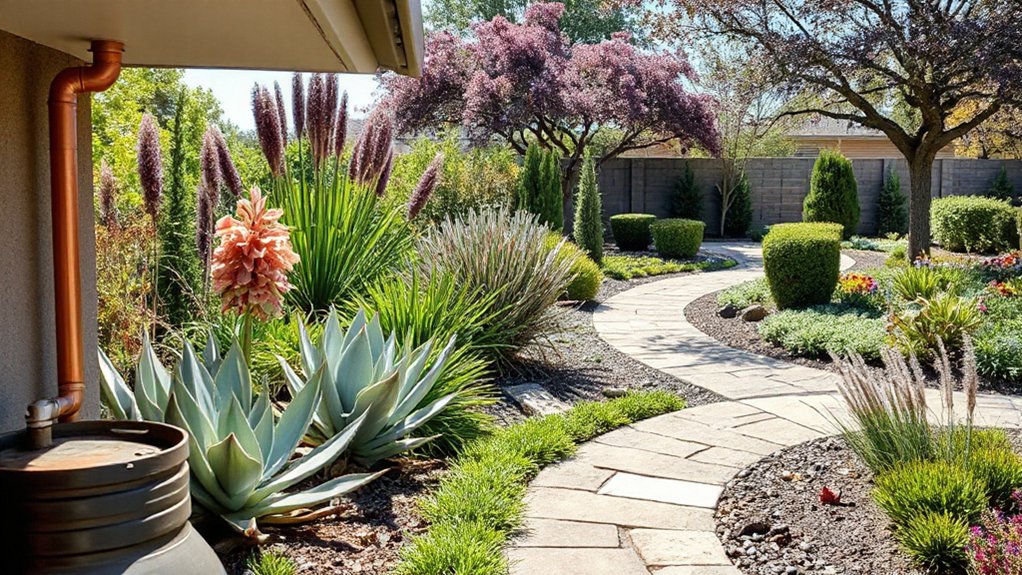
Efficient irrigation isn’t about more water; it’s about smarter timing and delivery. You optimize every drop by aligning irrigation with plant needs, soil moisture, and seasonal rainfall. Start with zone-based controls, grouping plants by sun exposure and root depth so you don’t overspray. Incorporate xeriscape principles: select drought tolerant plants, layer mulch, and minimize turf in high-evaporation areas. Use soil- and weather-based sensors or smart controllers that adjust schedules to temperature and humidity, avoiding unnecessary irrigation during rain. Emphasize irrigation timing early in the day to reduce evaporation and disease risk. Maintain irrigation hardware—drip lines for beds, soaker hoses for borders, and ROOT-level emitters—to deliver water efficiently. This approach preserves landscape vigor across seasons while conserving resources.
Hardscape–Plant Integration for Seamless Continuity
Hardscape–plant integration creates a unified landscape where built elements guide, not cage, plant growth. You design shifts that invite movement between hard and soft features, ensuring paths, edges, and seating harmonize with plant form and timing. Use paving patterns to reflect seasonal rhythm—wide planks for spring’s openness, tight tessellations for winter elegance, curved layouts to slow pace in autumn. Let decorative stones tie beds to paths, creating continuous texture and color. Choose materials with complementary tones to avoid visual disruption as seasons change. Prune and space plants so they don’t crowd edges or overwhelm focal points, keeping sightlines clear. Maintain scale consistency between hardscape and shrubs, perennials, and grasses for enduring cohesion.
- Prioritize flow and sightlines
- Match tones and textures
- Plan seasonal shifts in placement
Quick Troubleshooting for Seasonal Transitions
Seasonal shifts can surprise your garden, but quick troubleshooting keeps the vibe consistent. You assess signs of change: wilting leaves, uneven color, or sudden growth spurts. Start with soil preparation: test moisture, adjust drainage, and amend micronutrients to stabilize root stress. Next, survey for garden pests and protect new growth with targeted, brief interventions rather than broad sprays. Prioritize mechanical controls—benches, row covers, or pruning—before chemical options, reducing collateral damage. Maintain irrigation discipline, avoiding overwatering after rain events, and stagger fertilizer to match current growth pace. Replace failed mulch or organic matter to restore moisture balance and suppress weed competition. Document dates of change, outcomes, and any pest trends to refine future steps. With disciplined checks, seasonal shifts become predictable rather than disruptive.
Frequently Asked Questions
How Can I Start a Year-Round Landscape on a Tight Budget?
Start small with native plants that thrive in your region and require less water; layer in affordable garden lighting, like solar LEDs. Prioritize budget-friendly options, plan seasonal interest, and reuse/adapt existing elements to maximize year-round appeal.
What Are Low-Maintenance Evergreen Options by Climate Zone?
Did you know 70% of homeowners report lower maintenance with evergreen planting? Climate specific evergreens thrive when matched to zone temps. You should choose drought-tolerant varieties where summers are hot, and irrigate after planting to establish. Evergreen planting wins.
Which Color Palettes Deliver Seasonal Cohesion Without Frequent Replacement?
Color harmony guides your selections to deliver seasonal cohesion; you’ll avoid frequent replacements by anchoring with neutral bases and accent colors. This supports seamless Seasonal shifts, letting you enjoy bloom shifts while maintaining a cohesive landscape throughout the year.
How Do I Evaluate Drainage Issues Across Seasons?
You examine the land with your feet as truth-tellers, testing depths and flow. Do soil testing now, map damp zones, and pursue drainage solutions; monitor seasons, adjust grading, and verify outlets to keep roots thriving year-round.
What Pests Peak in Each Season and How to Prevent Them?
Pests peak differently: you’ll see aphids in spring, scale in summer, borers by fall, and rodents in winter. Do meticulous Pest identification, monitor gaps, and apply Seasonal pest control as needed, using targeted, approved treatments and proactive cultural practices.
Conclusion
You’ll turn your yard into a living clock, each season ticking with purpose. Think evergreen backbone, layered textures, and blooms that whisper through winter frost and summer sun. When you choreograph water, soil, and stone, you create a landscape that speaks year-round. If plans stumble, reset quickly with smart routines and simple tweaks. You’ve got a canvas that stays vibrant, resilient, and honest—a garden that works as hard as you do, season after season.
About the Author


