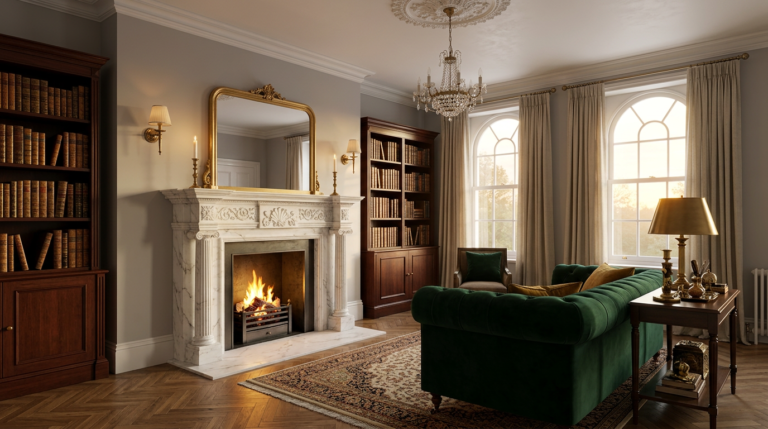

Transform a historic mill house into luxury living by embracing its industrial soul and evolving the shells with modern comfort. Preserve original rhythms—high ceilings, timber beams, masonry—while adding precise detailing, adaptive reuse, and heritage-safe renovations. Prioritize structural assessments, authentic materials, and reversible upgrades, and navigate permits with a clear restoration roadmap. Design zones that respect history, frame riverfront views, and integrate concealed systems. This heritage-centric approach delivers rugged textures with refined finishes—and a curated path to even deeper mastery awaits.
Key Takeaways
- Preserve heritage rhythm and authentic materials while integrating modern luxury through robust masonry, timber beams, and expansive, riverfront views.
- Develop a phased renovation plan with structural assessments, historic compliance, and budgeted milestones prioritizing reversible, high-impact upgrades.
- Create heritage-centric layouts that balance public rooms, private retreats, and service cores, aligning lighting, acoustics, and scale with the site’s voice.
- Preserve original elements (beams, stone, joinery) and integrate concealed systems, climate control, and archival-inspired finishes for comfort.
- Source mill-era, reclaimed materials and custom millwork to achieve a cohesive blend of rugged textures and refined finishes.
What Makes a Mill House Ideal for Luxury Living

A mill house blends heritage with modern luxury by leveraging its robust masonry, expansive volumes, and riverfront views to create a living space that feels both timeless and contemporary. You’ll sense how careful layout preserves original rhythm—high ceilings, timber beams, and generously scaled rooms—while introducing controlled daylight, thermal envelopes, and quiet zones for refined living. The appeal rests on authentic materials, precise detailing, and adaptive reuse that respects mill history while elevating comfort. Strategic openings connect indoors with the outdoors, enhancing wellness without sacrificing privacy. Machinery remnants, like retained riveted columns or brickwork, anchor character, while water turbines, repurposed as artful focal points, underscore sustainable luxury. This balance ensures durability, provenance, and a seamless, understated opulence that speaks to discerning buyers.
Defining Your Heritage-Centric Vision
Your heritage-centric vision begins with a precise ambience—where the mill’s history informs every design choice and elevates modern living. You crystallize intention by mapping how authentic materials, craft traditions, and spatial rhythm express heritage preservation while delivering contemporary comfort. Prioritize defining elements: material honesty, restrained ornament, and selective antiquities that speak without shouting. You’ll translate industrial lineage into a cohesive narrative—balancing rugged textures with refined finishes to achieve Rustic elegance. Establish functional zones that honor original constraints: public rooms for gatherings, private retreats for respite, and service cores that respect historic workflows. Align lighting, acoustics, and scale to preserve the site’s voice while supporting today’s routines. Your vision guides selection criteria, workflow, and budget, ensuring every choice reinforces a coherent, luxury-forward heritage story.
Assessing Structural Readiness and Historic Constraints
Evaluating structural readiness and historic constraints demands a disciplined, data-driven approach: verify load paths, examine timber integrity, and map centuries-old connections between framing, masonry, and foundation. You’ll conduct non-destructive testing, log moisture profiles, and document joinery styles that define the mill’s character. Historical accuracy guides material choices, ensuring replacements echo original species, profiles, and finishes while meeting modern performance standards. Prioritize connections between beams and walls, evaluate bearing points, and quantify settlement indicators without compromising authenticity. Structural integrity hinges on documenting lattice work, assessing nail and bolt histories, and identifying concealed rot or insect damage. Translate findings into a restoration roadmap that preserves era-specific detailing, then align remediation with long‑term durability, resilience, and luxury expectations.
Permits and Zoning: Navigating Heritage Requirements

Managing permits and zoning starts with a precise timeline and clear fee expectations, so you can align approvals with your renovation schedule. We’ll weigh zoning heritage considerations, ensuring design flexibility while preserving historic value, so your project remains compliant and refined. Finally, you’ll establish a streamlined compliance documentation workflow, capturing the necessary steps for smooth permits and authoritative record-keeping.
Permits Timelines and Fees
Permits, timelines, and fees can shape the pace and cost of restoring a historic mill house, but a clear plan keeps you ahead. You’ll map required approvals early, aligning design milestones with review windows to minimize downtime. Historical preservation dictates documentation style, from photo surveys to material certificates, so your team anticipates the exact submittal package. You’ll coordinate with authorities on lead times, seasonal constraints, and conditional approvals, building buffers into your schedule for unexpected reviews. Fees vary by scope, from demolition assessments to restoration overlays, so you budget with precision and track every invoice. You’ll favor streamlined processes, leveraging professional expertise to avoid delays. Stay proactive on zoning regulations, ensuring your project remains compliant while preserving the mill’s character and value.
Zoning Heritage Considerations
Zoning and heritage rules shape every decisive move for a historic mill house, so you start with a precise, integrated review of allowable uses, setback standards, and designated preservation districts. You assess how contemporary living spaces align with conservation mandates, ensuring noninfringing renovations that preserve character. Heritage restrictions dictate material choices, window retention, and roofline integrity, guiding you toward elegance without compromising provenance. You’ll verify footprint limitations, parking, and service access within the constraints of zoning overlays, and identify any protected sightlines or contributory features worth highlighting in marketing. When needs exceed codified allowances, you pursue Zoning variances through formal petitions, supported by historic significance and architectural merit. This disciplined approach stabilizes risk, sustains value, and preserves luxury appeal within a compliant framework.
Compliance Documentation Steps
After anchoring decisions in heritage considerations, you’ll compile a disciplined set of compliance documents to open approvals without delay. You’ll align permits and zoning requests with the project’s Historical significance, presenting a clear narrative of how restoration respects original intent. Begin with a detailed summary of architectural styles preserved or reimagined, supported by precise drawings, elevations, and material specifications. Include planning documents that demonstrate compatibility with setbacks, massing, and historic district guidelines, plus energy-efficiency commitments that meet heritage thresholds. Provide demolition and structural reports, waterproofing, and fire-safety analyses tailored to listed structures. Streamline submissions by cross-referencing building codes, preservation statutes, and loan requirements. Maintain a single source of truth for revisions, approvals, and contingencies, ensuring luxury standards are legally supported at every stage.
Budgeting and Phasing the Mill Renovation
You’ll set a precise budget allocation that aligns with the mill’s historic detailing, prioritizing essential renovations while preserving provenance. A phased milestones timeline will guide procurement, sequencing work from stabilization to refinement to guarantee cash flow stays aligned with on-site realities. Contingency planning strategies lock in allowances for unexpected discoveries, ensuring quality remains uncompromised without overruns.
Budget Allocation Tactics
Strategic budget allocation for the mill renovation hinges on clear prioritization and phased execution, guaranteeing critical systems and architecturally significant features are protected while delivering measurable progress with every milestone. You’ll map costs to priority pillars, safeguarding Historical preservation while enabling Modern amenities through precise, value-driven choices. Invest in high-impact, reversible improvements that elevate luxury without compromising structure.
- Allocate contingency funds to safeguard flagship elements and compliance risks.
- Target premium materials for essential spaces, balancing durability and timeless elegance.
- Reserve capital for mechanical systems upgrades that unlock comfort and efficiency.
- Schedule milestone reviews to ensure ongoing alignment with design intent and financial reality.
This disciplined approach yields controlled risk, refined aesthetics, and measurable gains in every phase.
Phasing Milestones Timeline
Phasing milestones define the rhythm of the mill renovation, translating budgeted priorities into a decisive, trackable schedule. You’ll sequence work by critical trades, ensuring each phase aligns with overarching luxury objectives and minimizes disruption to historic fabric. Begin with deconstruction and stabilization, then progress to systems upgrades, followed by enclosure, finishes, and bespoke detailing. Budget checkpoints occur at each milestone, enabling swift reallocation if artisan scopes demand refinement. Maintain rigorous documentation, linking purchase orders, permits, and vendor lead times to calendar reality. Visual interest comes from deliberate material pacing: select vintage textiles for tactile moments and reserve artisanal crafts for signature appendages—cornices, ironwork, stair detailing—where restraint elevates perceived value. You’ll review progress weekly, adjusting scope only when it preserves authenticity and expedites a flawless, high-end result.
Contingency Planning Strategies
Contingency planning for a mill renovation centers on protecting luxury outcomes within budgetary realities. You apply tight budgeting and phased execution to preserve prestige without overspending. Risk management becomes your lens: identify exposure, quantify impact, and deploy predefined responses before issues escalate.
- Define tolerances: establish cost ceilings, schedule margins, and quality thresholds to safeguard excellence.
- Reserve strategy: allocate a contingencies fund for design refinements, material surcharges, and permitting delays.
- phased sequencing: lock critical workstreams first, then stage enhancements to maintain momentum and cash flow.
- decision playbook: empower rapid choices with predefined options to minimize downtime and preserve luxury standards.
Contingency planning, risk management, and disciplined control keep the mill’s transformation on track, elegant, and financially sound.
Prioritizing Preservation: Original Beams and Stonework
Prioritizing preservation begins with a meticulous appraisal of the mill’s original beams and stonework, because these elements define the structure’s character and integrity. You assess timber species, joinery, and load paths, documenting every notch, peg, and mortar joint with precision. Preserve bowed rafters and hand-hewn studs where feasible, reinforcing only where failures threaten safety or long-term stability. Stonework deserves equal scrutiny: mortar compatibility, tuckpointing needs, and the rhythm of coursing should guide retention over replacement. When restoration is necessary, choose materials that age gracefully and harmonize with existing textures, not distract from them. This approach honors rustic charm and supports heritage restoration, ensuring the building’s essence remains legible to future occupants and visitors, while enabling refined, luxury living.
Designing Modern Comforts Without Diluting Mill Character

Designing modern comforts without diluting mill character requires a precise integration of amenities that respect the building’s heritage geometry. You’ll balance contemporary luxury with authentic fabric, using restrained detailing and crafted technology that reads as an extension of original form.
- Install concealed systems that perform flawlessly yet preserve exposed timbers and stone.
- Choose archival-inspired finishes complemented by subtle metallic accents for depth.
- Integrate climate control into walls and floors, preserving ceiling lines and cornices.
- Feature artistic murals and vintage textiles as focal accents that celebrate history without overpowering modern calm.
This approach honors provenance while delivering modern ease. You’ll experience a refined ambiance where function serves heritage, and every touchpoint feels intentional, deliberate, and exquisitely calibrated.
Spatial Planning: Open Yet Intimate Layouts
Open yet intimate layouts emerge by shaping flows that honor the mill’s geometry while embracing modern living. You map circulation to reveal adaptive scales: grand entertaining spaces adjoining intimate alcoves, and vertical connections that feel purposeful, not crowded. Prioritize sightlines from key vantage points— entry, courtyard, and living gallery—so light travels deliberately, yet privacy rests where you need it. Define zones with subtle shifts in floor height, ceiling treatments, or fine millwork progressions, not walls that fragment. Integrate historic gardens as focal anchors, placing social rooms to frame greenery and seasonal views. Reserve utility spaces behind paneled fronts, maintaining elegance without sacrificing function. Weave mill machinery cues into accents— brushed metal, bronze, or brass— to celebrate heritage while delivering contemporary, refined luxury.
Sourcing Mill-Era Materials: Beams, Stone, Plaster
Sourcing mill-era materials begins with a curated, provenance-driven approach: select beams, stone, and plaster that authentically reflect the mill’s period while meeting modern performance standards. You assess authenticity, durability, and finish, ensuring each piece reinforces Historical significance while delivering contemporary reliability. Your sourcing plan emphasizes traceability, quality, and restraint to honor the building’s story and longtime usability for today’s living.
- Verify timber species, age, and joinery to preserve structural truth.
- Prefer reclaimed stone with weathered surfaces for texture and durability.
- Choose plaster with authentic lime mix for breathability and character.
- Engage local workshops to support Community engagement and regional craftsmanship.
Custom Mill-Inspired Details That Add Luxury

You’ll introduce Custom Mill-Inspired Details as carefully curated luxuries that elevate space without shouting. Precision in millwork and hidden hardware signals Luxury Craftsmanship Elements you can trust, from ashlar-edged panels to hand-cut cornices. This discussion invites you to balance authenticity with refinement, ensuring every detail strengthens the historic voice of the mill house.
Custom Mill-Inspired Details
From the moment you step into a mill-inspired space, every detail should exude artisanal precision and timeless luxury. You’ll curate Custom Mill-Inspired Details that heighten texture, warmth, and tactile quality, balancing rustic charm with industrial aesthetics.
- Exposed timber beams finished to a satin patina that invites touch and reflection.
- Reclaimed metal accents shaped for ergonomic elegance and visual depth.
- Hand-finished millwork joinery that guarantees lasting stability and refined silhouette.
- Custom hardware with subtle aged patina, optimizing both function and character.
These elements create a cohesive narrative: heritage craft meets modern practicality. You’ll feel the space breathe with authenticity, where grain, patina, and lineage inform every decision. Precision elevates ambiance; luxury follows from thoughtfully chosen details.
Luxury Craftsmanship Elements
Luxurious Craftsmanship Elements elevate the space through precise, tactile details that linger in memory. You curate features that echo the mill’s lineage while elevating comfort and function. Begin with mill-inspired millwork profiles—handsome corbels, beveled casings, and subtly chamfered edges—that read as crafted investments rather than décor. Choose vintage textiles for upholstery and accents to inject historic depth without heaviness, balancing texture with modern colorways. Integrate Artisan ceramics as statement pieces—incense burners, bowls, or sculptural vases—that reflect material honesty and kiln-fired warmth. Pay meticulous attention to hardware, selecting heavy-duty forged pulls and brushed finishes that age with character. Lighting should accent grain and seam lines, not distract from them. Finally, guarantee finishes emphasize natural patina, so luxury feels earned, not manufactured.
Lighting: Historic-Feeling, Energy-Efficient Illumination

How can you achieve historic-faithful illumination that also minimizes energy use? You balance vintage charm with modern efficiency, selecting fixtures that echo mill architecture while employing smart, controllable LEDs. Prioritize warm, dimmable lighting that enhances Lighting ambiance without glare, and pair it with high-quality materials that age gracefully. Use layered layers of light—ambient, task, and accent—to create depth, not shadows. Incorporate daylight-responsive controls and well-sealed fixtures to maintain authentic atmosphere.
- Choose period-inspired LED fixtures with low flicker and warm color temperature
- Implement dimming zoning to tailor brightness to activity and mood
- Integrate daylight harvesting and occupancy sensors for efficiency
- Use warm, durable finishes that resist aging while preserving elegance
Acoustics and Humidity Control for Historic Fabric
Acoustic performance and humidity management are essential when preserving historic fabric without compromising comfort or longevity. You tackle acoustics optimization by selecting breathable, period-compatible materials that dampen reverberation without altering architectural character. Place soft furnishings thoughtfully, prioritizing fabrics with generous density and natural fiber blends to balance sound absorption across frequencies. When designing spaces, align ceiling and wall treatments to maintain ceiling height cues while preventing dead acoustics that feel clinical.
Humidity regulation centers on stable, moderate environments that safeguard plaster, timber, and decorative finishes. Employ discreet climate control zoning with precise humidity targets, avoiding condensation risks on mill-influenced surfaces. Integrate smart sensors to monitor fluctuation and respond automatically. Choose HVAC strategies that minimize airflow noise and temperature swings, preserving tactile comfort while honoring historic fabric integrity.
Energy Upgrades That Respect Historic Mills
You’ll explore energy upgrades that honor the mill’s historic fabric, balancing efficiency with provenance. Consider efficient insulation choices that protect character while enhancing performance, choosing materials and details that read as period-appropriate. We’ll favor historic-appropriate modernization, implementing modern systems with restraint and exemplary craftsmanship.
Efficient Insulation Choices
Choosing insulation for a historic mill requires balancing performance with preserving character; selecting materials and methods that minimize impact on original walls while delivering modern comfort is essential.
Efficient insulation choices empower luxury living without compromise. You’ll prioritize tight envelopes, breathable barriers, and discreet routes that respect textures and details. Implement layered systems that maintain vapor control, thermal inertia, and interior comfort while guarding against moisture risks.
1. Evaluate historic fabric 2. Select low-impact, high-performance materials 3. Use retrofit-ready assemblies 4. Confirm compatibility with local regulations and historical significance
Together, these steps deliver quiet warmth, energy efficiency, and preserved charm, sustaining the mill’s legacy while meeting modern standards.
Historic-Appropriate Modernization
Historic-appropriate modernization focuses on energy upgrades that enhance comfort without altering the mill’s character. You implement discreet systems that respect historic fabric while delivering modern performance. Prioritize high-efficiency heat pumps, radiant floor heating, and low-profile insulation enhancements that minimize visible changes. Select glazing with modern U-values that resemble original panes, preserving exterior rhythm while improving thermal efficiency. When upgrading electrical infrastructure, conceal cabling and avoid bulky panels, maintaining seamless interiors. Optimize air sealing around sills and transoms to reduce drafts without altering profiles. Integrate smart controls for climate, lighting, and shading, ensuring luxury efficiency. Plan garden landscaping that complements the building’s silhouette, protecting sightlines and microclimates. Throughout, uphold Historical preservation standards, documenting interventions for future stewardship and resale value.
Smart Home Integration for Seamless Living
Smart home integration transforms the historic mill house into a seamless, luxury living environment by unifying lighting, climate control, security, and entertainment into a single, intuitive system. You’ll harness smart technology to optimize comfort, energy use, and ambiance with precision. Seamless integration means fewer controls and more control at a glance, enhancing daily routines and guests’ impressions.
- Effortless scenes that shift from day to night with a single tap
- Proactive security that learns patterns and responds instantly
- Automated climate zoning for comfort without waste
- Integrated audio-visual experiences that elevate entertainment
This approach maintains architectural integrity while delivering modern performance. You’ll appreciate how refined hardware, thoughtful software, and expert calibration converge into a cohesive, luxury framework.
Outdoor Transitions: Courtyards, Patios, and Views
You’ll begin by zoning your courtyard to frame the historic mill’s exterior while guiding circulation with precision. Choose patio materials that reflect era craftsmanship yet meet contemporary durability, balancing texture, color, and weathering. From there, maximize vistas by aligning seating and planting to frame curated, unobstructed views that elevate every outdoor moment.
Courtyard Zoning Ideas
Courtyard zoning for a historic mill house should balance seamless outdoor connections with refined, functional spaces that respect the structure’s heritage. You design zones that choreograph movement between indoors and outdoors, prioritizing sightlines to heritage gardens and a mill pond as focal points.
- Establish a restrained color palette that echoes centuries of craftsmanship, ensuring every feature reads as intentional.
- Align seating and circulation to maximize unobstructed views while preserving intimate corners for private dialogue.
- Create transitional thresholds—porticos, loggias, and level changes—that cue arrival without abrupt disruption.
- Integrate durable, luxe materials that age gracefully, minimizing maintenance while elevating perceived value.
Your courtyard becomes a curated sequence, seamlessly linking history, landscape, and luxury living.
Patio Material Choices
Patio materials set the tone for shifts between indoors and outdoors, so choose surfaces that anchor both movement and views with enduring restraint. You assess material behavior under foot traffic, weather exposure, and timeless patina, prioritizing consistent color, texture, and scale. Prefer natural stone or broad-plank porcelain that resists heat and staining, while maintaining refined lines that echo mill-era detailing. Consider joints, height transitions, and drainage to preserve flat, safe thresholds. The goal is outdoor aesthetics that read as extensions of luxury interiors, not afterthought surfaces. Favor low-maintenance palettes in muted neutrals, with subtle veining or grain that complements timber beams. Install a discreet edging to define spaces without interrupting sightlines, and ensure materials harmonize with surrounding landscape and architectural details.
Maximizing Scenic Vistas
As you refine outdoor spaces around the mill house, the goal is to frame each view so the landscape feels inseparable from architectural detail. You’ll maximize vistas by aligning courtyards, patios, and passages with sightlines that celebrate materials, texture, and proportion. Emphasize artistic lighting to sculpt depth at dusk, highlight focal plants, and create subtle shadows that extend interiors outward. Integrate vintage textiles in cushions and drapery to soften edges without compromising rigor. Use premium woods, stone, and metal to echo historic craft while preserving modern clarity.
- Frame each vista with deliberate overlook points
- Layer lighting and textiles to deepen mood after hours
- Anchor seating to natural focal trees or waterways
- Preserve silence between built form and landscape for luxury nuance
Kitchen and Bath Luxe With Heritage Cues
With a refined blend of heritage cues and modern efficiency, the kitchen and bath spaces become statements of luxury that honor the mill’s past while elevating daily rituals. You’ll select finishes and fixtures that echo industrial history while delivering precision performance. Historical motifs anchor the design—railhead-inspired drawer pulls, paneled cabinetry, and tiled backsplashes that nod to boiler rooms—without overpowering calm, clean lines. In the kitchen, expect airtight gaskets, disciplined lighting, and monotone slabs that reflect light softly across stone sinks. In the baths, deep soaking tubs and rain showers merge with heat-retentive tiles and steam management for effortless comfort. Artisan craftsmanship shows in hand-fitted joints, dovetail drawers, and copper accents, ensuring enduring value. The result is room-by-room luxury grounded in heritage.
Furniture, Art, and Curation to Complement the Mill
By selecting furniture, art, and curated objects that speak to the mill’s industrial lineage, you establish a refined, cohesive voice throughout the space. You’ll optimize scale, provenance, and texture, ensuring every piece reinforces luxury through restraint. Emphasize durable materials, clean lines, and artisan finishes to honor the building’s character while elevating comfort. Furniture styling should balance rugged steel, warm wood, and tactile fabrics, creating a cohesive gallery feel. Art curation demands selective framing, strategic placement, and a limited color palette to avoid visual noise. Curated objects ought to tell stories without shouting. Your approach blends modern function with historic charm, delivering thoughtful moments that invite lingering.
- Curated restraint anchors room rhythm
- Textural contrast heightens perceived value
- Proportional harmony guides placement
- Provenance reinforces authenticity
Maintenance Plan to Preserve the Renovation
Maintaining the renovation’s integrity starts with a disciplined, preventative plan that protects every material choice and engineered system you’ve already commissioned. You’ll schedule seasonal inspections for structural joints, facade seals, roofing, and flashing, prioritizing moisture control and vapor management to safeguard historic fabric. Document every change, warranty, and service interval to support accountability and future refinements. Align maintenance with the building’s original logic while embracing Modern amenities through discreet, system-wide checks—HVAC humidity, radiant temperatures, and low-EMF electrical layouts—so luxury remains uninterrupted. Establish a creditable touchpoint for artisans and engineers, ensuring repairs mirror the mill’s legacy without compromising performance. Emphasize Historical preservation in procedures, using vetted materials and finishes. Your plan preserves value, elevates living standards, and maintains effortless, timeless comfort.
Case Studies: Turnkey Mill-to-Lux Retreats You Can Follow
Across a curated set of turnkey mill-to-lux retreats, these case studies distill practical strategies, exacting standards, and tactile details you can emulate. You’ll see how historical significance informs layout, materials, and ambience, while safeguarding cherished narratives. Each project emphasizes community engagement, inviting neighbors and artisans to contribute to a shared legacy. Key takeaways you can apply immediately include:
- Aligning restoration pace with local heritage guidelines to avoid costly delays.
- Selecting period-accurate textures and millwork for authentic tactility.
- Implementing discreet wellness and hospitality zones to enhance guest flow.
- Building a scalable, maintenance-forward plan that preserves value over time. Emulate these patterns to achieve luxury, responsibility, and enduring appeal.
Frequently Asked Questions
How to Finance a Mill-Heritage Luxury Renovation?
You can finance a mill-heritage renovation through historic preservation grants, tax incentives, and private equity, prioritizing sustainable design. You’ll leverage lenders familiar with restoration risk, pursue low-interest loans, and structure phased draws to protect luxury timelines and budgets.
What Permits Specifically Trigger for Mill Interiors?
Sure. You need to secure interior lighting and antique furnishings permits, typically building, electrical, and historic overlay approvals; you navigate them with precision, contrast modern code demands against vintage charm, ensuring every mill interior detail aligns with luxury standards.
Which Materials Age Best With Historic Stonework?
You’ll want materials with stone durability and proven compatibility, focusing on lime-based mortars, fine limewash finishes, and natural stone sealants. Choose proprietary, breathable products to preserve texture, while ensuring material compatibility with historic stonework for lasting luxury.
How to Balance Modern HVAC With Fabric Preservation?
You balance modern HVAC with fabric preservation by shielding textiles, using low-velocity air, and zoning for microclimates. Prioritize Historic craftsmanship insights, and implement Sustainable upgrades, ensuring humidity control, filtration, and discreet ducting maintain legendary interiors while performing magnificently.
What Maintenance Cadence Preserves Intimate Mill Character?
Maintain architectural authenticity with a meticulous cadence: annual structural checks, seasonal treatment of timber, and precise vintage restoration touch-ups. You preserve intimate mill character by documenting finishes, safeguarding hardware, and scheduling preventive care around environmental fluctuations.
Conclusion
In this journey, you’re not restoring timber and stone—you’re rekindling memory. Each beam becomes a measured heartbeat; each polished stone, a quiet oath to endurance. The mill, once a wheel’s whisper, now turns with your purpose: luxury that honors history without vanity. Your careful permits, disciplined budgets, and curated spaces fuse function with poetry, a living heirloom. When you step back, you’ll see heritage transformed into a luminous, enduring sanctuary that forever signals refinement through restraint.
About the Author