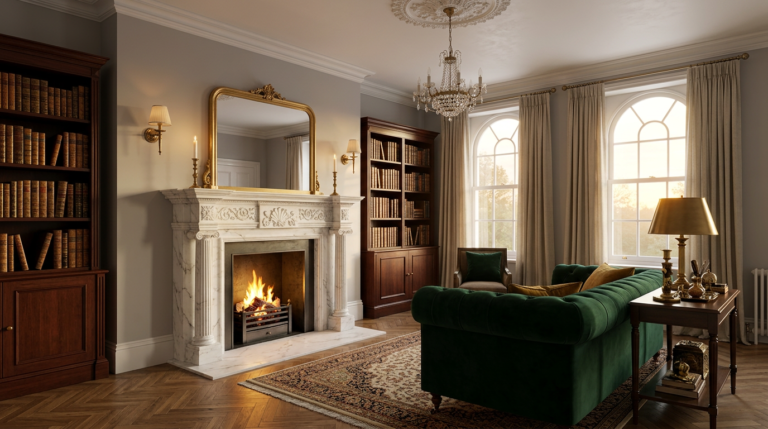
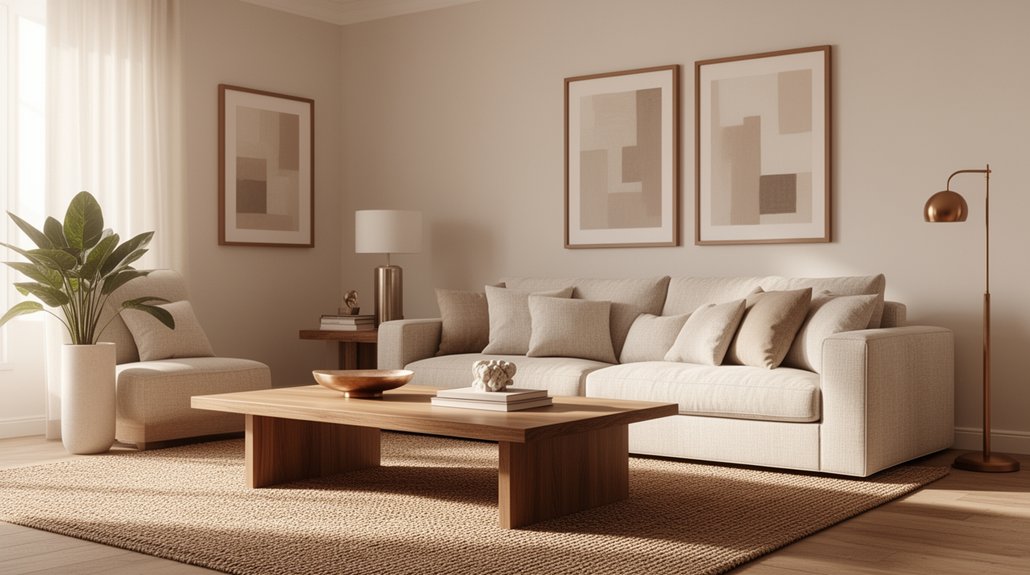
To create a cohesive interior design style, start with a single guiding vibe, a core neutral backbone, and repeatable textures that flow from room to room. Define your signature mood, form language, and materials, then pair foundational silhouettes with consistent finishes. Plan a core furniture layout that supports sightlines and traffic, and map clear circulation. Use repetition with variation in textiles and accents, and align wall treatments, color, and lighting. Ready for deeper steps that refine harmony across spaces?
Key Takeaways
- Establish a unifying theme and color palette to connect rooms and guide sightlines, traffic, and mood.
- Define core furniture anchors and seating plans that support flow, conversation, and consistent scale.
- Use repetition with variation by repeating motifs across textiles, art, and accessories while adjusting scale and texture.
- Set clear rules for textures, lighting, and accessories to maintain cohesion and balance across spaces.
- Plan transitions and zoning with consistent ceiling heights, light levels, and rhythm of scale to unify the entire home design.
Why Your Rooms Don’t Flow: Defining a Cohesive Interior Style

A cohesive interior style isn’t about matching every piece exactly; it’s about connecting rooms with a unifying theme, color palette, and rhythm. You establish flow by deliberate furniture placement that guides sightlines and traffic, avoiding abrupt shifts between spaces. Consider how each area relates to the next, using scale, material repetition, and a restrained color story to maintain continuity. Color coordination matters most in anchoring progressions; pick a core neutral and introduce two or three accent tones that recur across rooms. Don’t drift into chaotic contrasts or competing motifs. Define a clear hierarchy: dominant pieces set the mood, while secondary items support it. When you plan, sketch sightlines, measure furniture footprints, and confirm that textures echo from entry to living area. This disciplined approach yields a cohesive, navigable home.
Define Your Cohesive Signature Vibe in 5 Simple Questions
To define your cohesive signature vibe, answer five targeted questions that map your identity onto your space. First, what mood do you want every room to express—calm, energetic, or refined? Second, which materials and textures feel unmistakably you, and where do you want them repeated for design consistency? Third, which form language speaks to you: clean lines, curves, or sculptural details? Fourth, which authentic sources—travel, work, or hobbies—should seed your choices without overpowering the whole? Fifth, what visual anchor—art, furniture, or a repeating motif—will you consistently reference to unify the look? Answering these questions clarifies your signature vibe and guarantees steady, deliberate decisions across the home.
Build a Flexible Color Palette You Won’t Outgrow
Color palettes that last aren’t about chasing trends; they’re about flexible harmony. You’ll build a palette that adapts as seasons, wear, and tastes shift, without feeling dated. Start with a neutral backbone—warm or cool—anchored by core materials and finishes you love. Introduce 1–2 accent hues that you can rotate seasonally, keeping primary colors constant for Mood consistency. Favor saturation balance over boldness; avoid extremes that box you into a single era. Test combinations in natural light and through textiles, art, and accessories first, then commit to lasting anchors like stone, timber, or metal. Prioritize color harmony across rooms, maintaining a coherent thread while allowing individual spaces to breathe. This approach preserves flexibility, ensuring your design remains timeless rather than transient.
Create a Core Furniture Plan for a Cohesive Look

Identify your core furniture anchors—essential pieces that establish the room’s scale and tone. Pair them with a unified seating plan that promotes flow and conversation, ensuring every seat relates to the anchors. Keep the arrangement cohesive by aligning silhouettes, finishes, and proportions across all key pieces.
Core Furniture Anchors
Establish a core set of furniture anchors—pieces that define scale, proportion, and flow—so every room reads as a cohesive whole. You’ll pick foundational silhouettes that ground the space and guide the rest of the selection. Start with a primary seating block, a durable sofa or sectional, and a pair of chairs that create balanced sightlines. Add a main storage or media piece with clean lines to anchor the layout. Introduce secondary anchors—ottomans, consoles, and a dining ensemble—that mirror materials and finishes. Keep proportion consistent across zones, and guarantee traffic flows stay clear. Integrate vintage accents and statement lighting as deliberate accents, not fillers, to reinforce character without chaos. Document your plan, then test scale in real rooms before finalizing the cohesive outcome. Consistency delivers confidence.
Unified Seating Plan
A unified seating plan starts with a core trio: a primary sofa or sectional, a pair of chairs, and a welcoming coffee table that anchors sightlines and traffic flow. You define furniture arrangements by scale, proportion, and alignment, ensuring each piece supports conversation and movement without crowding. Frame seating zones with clear sightlines to focal points, such as a fireplace or media wall, while preserving openness for circulation. Position chairs at comfortable angles to create intimate coves yet maintain inclusivity for group dialogue. Allow generous legroom under tables, and balance textures and finishes across the trio to unify the room’s palette. This disciplined approach yields cohesive seating that feels intentional, functional, and adaptable to daily living and formal gatherings alike.
Establish Texture Rhythm: Layer Rugs, Fabrics, and Surfaces

Texture rhythm starts with thoughtful layering: mix rugs, fabrics, and surface finishes so they interact rather than compete. You establish cohesion by balancing scale, pattern, and material weight across zones, not clutter. Start with a foundational rug that anchors the room, then add secondary textiles—throws, cushions, and drapes—that echo color and texture without overpowering each other. Introduce surface layering through furniture textures, from wood and metal to glass or lacquer, ensuring each element has a distinct tactile signature. Seek textural contrast: a sleek leather next to plush wool, a matte ceramic beside glossy metal, a rich velvet against a flat weave. Maintain rhythm by repeating motifs and stops, keeping progression smooth, intentional, and under control.
Choose Lighting That Unifies, Not Just Brightens
Good lighting should do more than illuminate a room; it should unify the space by turning disparate areas into one cohesive whole. You’ll shape Lighting ambiance by balancing brightness, color temperature, and shadows, so progressions feel seamless rather than jarring. Fixture selection matters as much as wattage; choose pieces that mirror your style while integrating with architectural lines. Aim for consistency across zones, avoiding mismatched styles that break flow. Consider dimming controls to modulate mood without altering color integrity. This approach preserves a unified narrative from entry to living area.
1) Align fixtures with architectural features for a harmonized silhouette.
2) Use the same color temperature range across rooms to prevent tonal jolts.
3) Prioritize versatile, scalable lighting that adapts to activities and time of day.
Set Design Rules to Guide Accessories and Art
Set clear design rules for accessories and art to maintain a cohesive narrative across your spaces. You create order by defining scale, color, and material constraints before you place a single piece. Prioritize harmony over novelty, so every item supports the room’s core palette and architectural lines. Accessory placement should follow a deliberate grid or vignette system, ensuring rhythm and reciprocity among objects. Reserve highly patterned pieces for deliberate accents, not as the room’s dominant note. For art selection, align frame style, subject matter, and tonal range with the overall mood, avoiding mismatched signals. Establish visibility guidelines, so pieces aren’t competing for attention. Revisit rules periodically to preserve consistency as your collection evolves.
Curate Fewer, Better Pieces for a Thoughtful Collection

Curate a smaller, more intentional collection by choosing fewer, higher-quality pieces that truly enhance your space. When you select items, prioritize craftsmanship, provenance, and how each piece supports your overall color and texture palette. Your goal is artistic expression that feels deliberate, not decorative filler. Seek pieces that resonate, then let them lead the room’s color harmony rather than competing with it.
- Choose a standout anchor piece, then balance with complementary accents that echo its tone and texture.
- Prioritize versatile formats (solids, silhouettes, finishes) that cross rooms and seasons without redundancy.
- Edit ruthlessly—rotate, refine, and retain only those items that deepen the space’s narrative and feel cohesive.
Plan Room-to-Room Transitions for Smooth Flow
Plan room-to-room progressions by mapping a clear circulation that guides movement without interruptions. You design passages that respect function and mood, ensuring paths feel natural from entry to living, dining, and beyond. Start with furniture placement that supports sightlines and avoids congestion; keep major seating oriented toward focal points while preserving open traffic lanes. Favor consistent ceiling heights, light levels, and rhythm of scale to maintain cohesion as you move from space to space. Coordinate wall treatments to reinforce continuity—repeating a subtle texture, color, or trim language creates recognizable waypoints without repetition fatigue. Use doorways, rug edges, and occasional architectural cues to delineate zones, not dominate them. The result is effortless flow, where every room looks part of a single, intentional whole.
Repetition With Variation: Achieving Visual Cohesion
Repeating elements across a space creates familiarity, but variation keeps it dynamic. You achieve cohesion by repeating motifs while adjusting scale, texture, or orientation to create interest without discord. Focus on how pattern mixing and furniture scale interact to unify rooms rather than clash. Use a dominant motif across textiles, art, and accessories, then introduce a contrasting element that echoes that motif in a different form. This balance maintains rhythm and prevents monotony.
- Align a bold pattern with subtler versions in adjacent pieces to anchor the room.
- Vary furniture scale within a cohesive framework so larger pieces anchor, smaller ones articulate.
- Alternate textures and finishes that reflect the same color story for refined unity.
Spot and Fix Common Cohesion Pitfalls
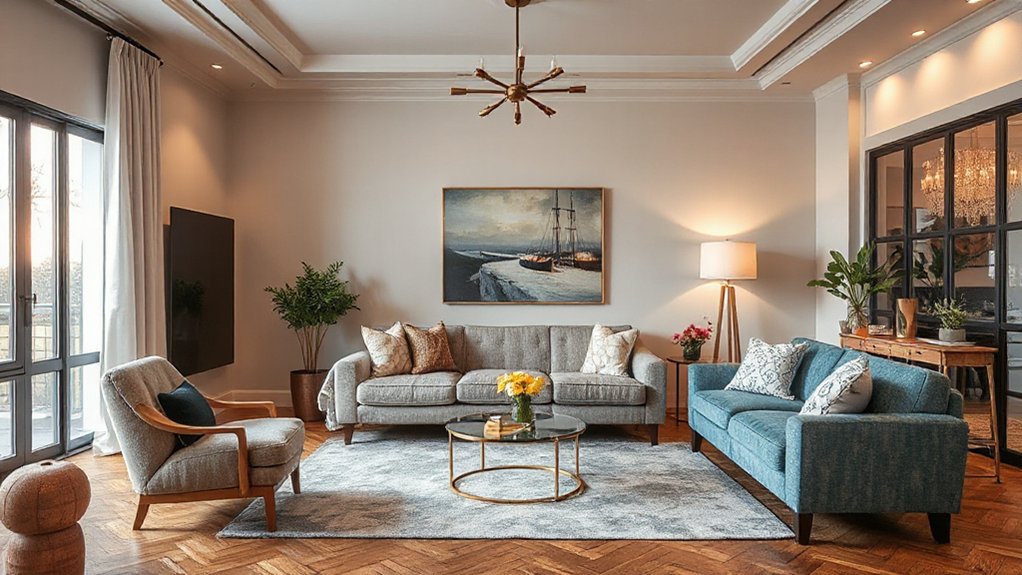
Spotting cohesion hiccups early helps you keep a room from feeling disjointed. To fix common pitfalls, start with a quick audit: note color consistency across textiles, finishes, and art. If hues clash, pick a unifying palette—two to three core tones plus accents—and reassign items accordingly. Next, examine furniture placement. Guarantee sightlines are clear, traffic flows natural, and scale is balanced; oversized pieces in small rooms disrupt cohesion, while too many tiny pieces create fragmentation. Watch for mismatched materials that break the rhythm; align wood tones, metals, and fabrics to a shared family. Finally, simplify focal points. A single dominant statement, supported by restrained accessories, anchors the space and prevents scattershot design. Implement these checks to preserve a cohesive, polished interior.
Quick Wins: Immediate Cohesion in Any Space
Quick wins start with a simple, strategic audit you can do in minutes: identify a unifying color palette, align finishes, and streamline focal points. You’ll create instant cohesion by anchoring rooms with a restrained scheme and deliberate texture balance. Color psychology guides mood and perception, so choose hues that reinforce function and flow. Then, optimize furniture arrangement to maximize sightlines and accessibility, avoiding clutter that breaks continuity.
- Establish a dominant color core and two supporting tones; repeat them across objects, textiles, and artwork.
- Synchronize finishes (metals, woods, fabrics) for a cohesive material story.
- Position key furniture to reinforce flow, sightlines, and focal points without crowding.
Result: spaces feel intentional, unified, and more comfortable from any vantage.
Frequently Asked Questions
How Long Does It Take to Achieve a Cohesive Look?
It can take weeks to months, depending on scope; you’ll refine color harmony and furniture placement as you go. Stay consistent, trust the process, and your cohesive look emerges once your palette and layout feel intentional and balanced.
Can Bold Accents Still Feel Cohesive?
Yes, bold accents can feel cohesive if you maintain color consistency and deliberate accent balance. Choose a unifying palette, repeat motifs, and limit metallics; use one standout hue sparingly, then weave smaller touches to reinforce harmony throughout.
Does Furniture Layout Impact Cohesion as Much as Color?
Yes—furniture layout matters nearly as much as color for cohesion. You guide visual flow with intentional furniture arrangement, aligning sightlines and pathways, so rooms feel connected and purposeful rather than stray. Your arrangement reinforces harmony and intentionality.
Should I Use the Same Brand for All Decor?
No, you don’t have to use the same brand for all decor. Aim for brand consistency in finishes and materials, while allowing intentional style mixing to create a curated, cohesive look with personality.
How Do Materials Affect Perceived Harmony?
Material textures shape perceived harmony: you’ll notice calmer spaces when you balance finishes, depths, and sheen. You achieve design consistency by pairing contrasting textures thoughtfully, guiding eye movement and reinforcing unity. It’s a delicate, deliberate orchestration you master.
Conclusion
You’ve learned how to craft a cohesive interior—defining your vibe, selecting a flexible palette, and layering texture for rhythm. Stay purposeful with furniture planning and deliberate in room flow, so each space speaks the same language. Repetition with variation keeps it lively, while spotting pitfalls keeps you sharp. Implement quick wins now to see instant cohesion. Keep moving forward, don’t overthink, and trust your instincts—you’ll have a polished, hotel-worthy home in no time, a well-oiled machine, so to speak.
About the Author