

As a UK landlord, you must meet safety, tenancy, and financial obligations from day one and throughout the tenancy. Guarantee core safety standards are upheld with annual gas safety checks, five-year electrical tests, and functioning smoke/CO alarms. Provide clear tenancy information, protect deposits in a government-approved scheme, and comply with Right to Rent checks. Manage repairs with defined service standards and keep thorough records. Stay compliant on EPC ratings, licensing where required, and clear access/privacy policies—more details await if you continue.
Key Takeaways
- Ensure tenant eligibility with compliant identity, residency checks, and auditable records to support Right to Rent requirements.
- Meet minimum safety standards: annual gas safety, five-year electrical checks, and proper installation/testing of smoke and CO alarms.
- Maintain property standards from move-in: functioning facilities, proper heating/insulation, clean condition, and accurate tenancy information.
- Protect deposits in a government-approved tenancy deposit scheme within 30 days; document and justify any deductions at the end.
- Stay compliant with energy and licensing rules: monitor EPC ratings, upgrade plans, and any local licensing or regulatory requirements.
From Day One: What Your Rental Must Provide

From Day One, your rental must meet core standards that protect tenants and establish a safe, habitable home. You guarantee essential facilities work, proper heating, adequate insulation, ventilation, and a clean condition at handover. You provide accurate tenancy information, including the property’s legal status, any current notices, and how to contact you for repairs. You establish clear expectations around property valuation and lease negotiations, so both parties understand move-in costs, rent review timelines, and renewal terms. You document condition with a thorough inventory and schedule of fixtures. You confirm gas safety certification, electrical safety compliance, and smoke/CO alarms where required. You outline procedures for repairs, access, and emergency contact, reducing disputes and supporting compliant, professional management from day one.
Safety First: Minimum Standards in UK Rentals
You must meet minimum safety standards, including fire, gas, and electrical safety, to lawfully let a property. We’ll outline the required compliance timeframes, how to verify documentation, and the penalties for noncompliance. This sets the baseline for ongoing maintenance and risk management in your rentals.
Minimum Safety Standards
Minimum safety standards in UK rentals set the baseline for essential protections, requiring landlords to install and maintain key safety measures. You must verify gas safety by annual inspections, provide a record, and address faults promptly. Electrical safety is mandatory: all fixed installations must be tested at least every five years, with reports kept accessible to tenants. Fire and CO alarm requirements apply, ensuring working detectors in appropriate locations. Legionella risk assessments should be considered where relevant, with documented controls. You must keep a clear, up-to-date tenancy record showing compliance status. Landlord obligations extend to energy performance certificates and general habitability, aligning with rental agreements. Noncompliance exposes you to remedies or enforcement actions, emphasizing precise maintenance, prompt reporting, and transparent documentation. Regular reviews ensure ongoing safety adherence and tenant protection.
Compliance Timeframes and Penalties
Compliance timeframes set firm deadlines for compliance across safety standards, ensuring landlords act promptly to meet legal requirements. You must understand penalties accompany failures to meet these deadlines, including fines, rent withholding, and potential eviction actions where applicable. Timelines vary by standard; for example, gas safety checks must occur annually, and smoke/CO alarms require proper installation and testing. Noncompliance can trigger enforcement notices, leading to escalating penalties if unaddressed. You should maintain accurate records, promptly remediate defects, and recheck compliance after any remedy. Landlord ethics drive proactive communication with tenants about safety upgrades and scheduled inspections, reinforcing trust and reducing disputes in tenant relations. Adhering to timelines minimizes disruption, supports compliance culture, and safeguards property value while meeting statutory obligations.
Energy and EPC: What Landlords Must Know
You should be aware of the latest EPC standards updates and how they affect rental listings and compliance timelines. We’ll cover upcoming rating changes, minimum band requirements, and reporting duties to avoid penalties. This discussion also highlights potential energy performance penalties and practical steps to guarantee your properties remain compliant.
EPC Standards Update
What updates to EPC standards should landlords anticipate in the near future, and how will they influence compliance deadlines and rental qualification? You’ll observe stricter minimum energy performance criteria and expedited upgrade pathways for current tenancies. Expect higher minimum EPC ratings for new leases and significant renewal triggers, with phased rollout to minimize market disruption. You should prepare for a more transparent assessment process, including compulsory recommendations tracking and documented compliance milestones. Non-compliant portfolios may encounter prolonged probationary periods or temporary rental restrictions, depending on local enforcement. You’ll need comprehensive asset data, prompt upgrades, and proactive budgeting for insulation, heating system enhancement, and smart-meter integration. In this scenario, Landlord responsibilities and Legal obligations require continuous monitoring, transparent communication, and meticulous documentation to avoid penalties.
Energy Performance Penalties
To what extent do penalties hinge on energy performance and EPC ratings, and how should landlords prepare? Penalties rise with very low EPC ratings and non-compliance with minimum energy efficiency standards. You should anticipate fines, mandatory improvements, and possible rent termination or property withdrawal from the market if you fail to meet thresholds by enforcement deadlines. Identify affected properties, track EPC expiry dates, and budget for required upgrades, prioritising cost‑effective measures with the greatest energy efficiency impact. Maintain documentation of upgrades, calibration records, and energy audits to support compliance. Stay informed on Renewable incentives and grant schemes that offset upgrade costs, and integrate energy efficiency into ongoing maintenance planning. Proactive planning reduces liability and protects tenancy income.
Tenancy Deposits: Protection Schemes in the UK
In the UK, tenancy deposits must be registered with a government-approved tenancy deposit protection (TDP) scheme within 30 days of receipt, guaranteeing funds are safeguarded and dispute resolution paths are clearly defined. You must choose an approved scheme, record the deposit, and provide receipts and scheme details to the tenant. Compliance guarantees that deductions are justified, transparent, and formally documented at the end of the tenancy. As a landlord, you should align deposit handling with written tenancy terms, including how damages, cleaning, and unpaid rent will be addressed. Ensure your rental pricing reflects market norms and supports fair allocation of funds, while maintaining robust tenant screening records to validate tenancy eligibility and reduce dispute risk. Regular audits of deposit-related processes reinforce statutory compliance and operational efficiency.
Right to Rent Checks: Tenant Eligibility Responsibilities
Right to Rent checks require you to verify tenant eligibility before occupancy, focusing on documented proof of lawful right to reside. You must outline which documentation is accepted, how to assess validity, and how to handle applicants who lack qualifying status. This discussion centers on Tenant Eligibility Checks and Documentation Requirements to guarantee compliance and minimize risk.
Tenant Eligibility Checks
Right-to-Rent checks determine whether a prospective tenant has a legal right to occupy a rental property in the UK. As a landlord, you conduct Tenant eligibility checks to verify identity, immigration status, and current housing permissions before accepting an application. You should perform targeted screening to confirm lawful residence without discriminating on protected characteristics. Implement a consistent process: collect documentation, run Tenant screening against official databases where permissible, and document results for compliance. Maintain records of verifications and note any limitations or extensions to rights. In performing background checks, differentiate between soft inquiries and formal verifications, avoiding prohibited information or assumptions. Guarantee procedures align with current legislation, including transparency about eligibility criteria and timelines, and communicate findings succinctly to applicants to facilitate informed decisions.
Documentation Requirements
To implement compliant Tenant eligibility checks, you must establish documented requirements that verify identity and lawful residence. You handle documentation collection with precision, guaranteeing records support Right to Rent checks and ongoing tenant screening. Your process clearly defines acceptable documents, retention periods, and verification steps to prevent discrimination or errors. You maintain a transparent trail for auditability, aligning with regulatory expectations and rental agreements. Confirm verification is completed before tenancy start, and that any changes to eligibility are promptly reassessed.
1) Define acceptable documents and validation methods for identity and residence
2) Specify retention, access controls, and data privacy measures
3) Document verification timing, responsibilities, and failure consequences
4) Maintain an auditable log of checks, decisions, and communications related to Tenant eligibility
Rental agreements, Tenant screening.
Onboarding Tenants: Tenancy Types and Early Compliance
Onboarding tenants efficiently starts with selecting the appropriate tenancy type and guaranteeing early compliance requirements are met. You assess options such as assured shorthold tenancy, fixed-term, or periodic arrangements, aligning them with property type, loan covenants, and risk tolerance. Then you implement pre-tenancy planning, including document integrity checks and regulatory guardrails to reduce future disputes. Tenant screening is essential to verify identity, affordability, and past conduct, while preserving data privacy and proportionality. Draft and finalize lease agreements that clearly define rent, duration, renewal, maintenance responsibilities, and statutory notices. Ensure early compliance tasks are completed before occupancy, such as gas safety, energy performance, and smoke/CO detectors. This discipline supports predictable tenancy operations and minimizes compliance gaps later in the tenancy lifecycle.
Eviction Rules: When and How Notice Applies

Eviction rules anchor the tenancy lifecycle after occupancy, aligning notices with statutory grounds and procedural safeguards established in UK law. You must follow the eviction process carefully, ensuring notices reflect lawful grounds and correct notice periods, or risk invalidation. Precision matters: penalties for improper timing can derail proceedings and prolong vacancies.
- Determine applicable ground and notice period based on tenancy type and lease terms.
- Serve the notice correctly, including full name, property address, landlord contact, and dates.
- Allow the statutory dating and service method, preserving evidence for potential disputes.
- Proceed to court only if the tenant does not comply within the permitted timeframe, adhering to procedural safeguards.
Do You Need a Licence to Rent? Local Authority Rules
Do you need a licence to rent? Local authority rules vary by region, so you must verify your area’s requirements before leasing. In many UK localities, landlord licensing schemes mandate registration or a formal licence to operate a rental property, particularly for houses in multiple occupation or properties meeting specific density criteria. Compliance hinges on staying current with annual renewals, licence conditions, and any associated fees. Failing to obtain or renew a licence can lead to penalties, prohibition orders, or enforcement notices. You should also monitor changes to rental regulations, because authorities frequently update eligibility, safety standards, and inspection regimes. Keep records of licences, correspondence, and compliance steps to demonstrate ongoing adherence to Landlord licensing expectations.
Repairs and Maintenance: Who Pays and How Fast
How quickly and who pays for repairs depends on the type of issue and the tenancy agreement. You must know your obligations and timelines to avoid disputes, while guaranteeing safe, compliant living conditions. In general, essential repairs are the landlord’s responsibility, with responses aligned to statutory standards and the tenancy contract. You should conduct regular property inspections to identify faults early and document actionable steps. Prompt communication reduces risk and liability for both parties. Guarantee you differentiate between urgent emergencies and routine maintenance in writing, and keep records of all requests and completions. Your approach should balance statutory duties with practical landlord obligations, fostering a reliable tenancy. Landlord obligations, property inspections.
- Urgent repairs timeline and notification
- Non-urgent maintenance scheduling
- Responsibility boundary for fixtures and fittings
- Documentation and evidence of work performed
Managing Repairs: Service Standards and Record Keeping

Effective repair management hinges on clear service standards and meticulous record-keeping. You establish response times, escalation paths, and contractor performance metrics to guarantee consistent service delivery. Document repair requests systematically, confirming receipt, triaging urgency, and assigning responsible tradespeople. Maintain a centralized log detailing issue type, location, dates, actions taken, and outcomes, accessible for audits and dispute resolution. Track compliance with service-level agreements and notify tenants of progress and final resolution. Use standard templates for quotes, approvals, and invoices to guarantee transparency and accountability. Integrate property valuation considerations by noting how repairs influence asset condition and market worth. Conduct periodic reviews of tenant screening and maintenance history to inform risk management and maintenance planning, assure records support compliance and informed decision-making.
Gas, Electrical, and Fire Safety Obligations
Gas, electrical, and fire safety obligations require landlords to guarantee systems are safe, compliant, and regularly inspected. You must implement scheduled checks, maintain records, and promptly address faults to minimise risk of harm and liability. Compliance hinges on proactive maintenance, correct certification, and clear access for inspectors. You’ll prioritise gas safety, prevent electrical hazards, and ensure fire detection aligns with standards, limiting exposure to penalties and tenant disruption.
- Conduct annual gas safety checks by a certified engineer, document results, and share reports with occupants.
- Verify electrical installations are tested at least every five years, addressing any defects promptly.
- Install and test working smoke and heat detectors, with appropriate coverage for living spaces and exits.
- Maintain fire safety equipment, clear escape routes, and rehearse evacuation procedures with tenants.
Finances and Compliance: Insurance, Taxes, and Affordability
Insurance, taxes, and affordability shape a landlord’s financial risk and compliance obligations. You assess insurance needs, maintain valid cover, and document policy terms to safeguard against property damage, liability claims, and loss of rental income. Taxes require accurate income reporting, expense deductions, and timely payments to HMRC; you should keep clear records of rents received, maintenance costs, and capital improvements. Affordability considerations influence rental pricing strategies, ensuring competitive yet compliant rates without exposing you to unaffordable tenants or local rent controls. You screen tenants to balance risk and revenue, applying consistent tenant screening practices and verifying income, references, and eligibility. Align pricing with market data and regulatory constraints, avoiding discriminatory practices. Regularly review financial projections to sustain cash flow and compliance over the tenancy lifecycle.
Privacy, Access, and Tenant Communication Best Practices
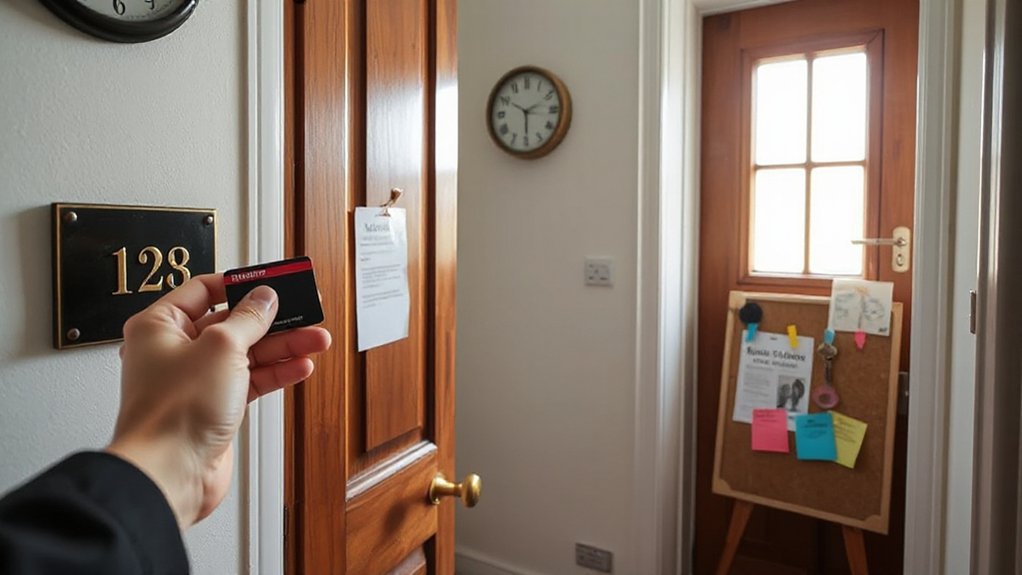
Privacy, access, and tenant communication must be clearly defined and consistently applied to protect tenant rights while preserving the landlord’s operational needs. You implement clear policies on who may access a property, when, and under what circumstances, emphasizing tenant privacy and predictable routines. Use written notices, minimum notice periods, and documented consent to minimize disputes. You establish access protocols that balance safety with convenience, including emergency exceptions and secure record-keeping. Proactive communication reduces ambiguity, improves compliance, and sustains trust.
- Define who can access, when, and why, with emergency exceptions.
- Schedule inspections and viewings with advance notice and consent.
- Communicate maintenance timelines, delays, and outcomes transparently.
- Maintain secure records of access, consent, and correspondence.
Frequently Asked Questions
Can Landlords Terminate Tenancy Without Cause in UK?
No, you can’t terminate a tenancy without cause in the UK. You must follow eviction procedures and satisfy tenancy-type notice requirements, safeguarding tenant rights and providing lawful grounds or agreed ends, with proper documentation and timelines throughout.
Are Pets Allowed Without Consent in Assured Shorthold Tenancies?
No, you generally must obtain pet permission in an assured shorthold tenancy; otherwise, you risk tenant objections and breach. You should secure written consent, specify conditions, and document exceptions to avoid disputes.
How Often Can Rent Be Increased in a Yearly Cycle?
You can perform a rent review once per year in most assured shorthold tenancies, with increases typically aligned to fixed annual cycles; the increase frequency is limited by contract terms and statutory protections during tenancy.
What Constitutes Illegal Discrimination by Landlords in Tenancy Decisions?
In tenancy decisions, illegal discrimination includes bias based on protected characteristics, such as disability, age, race, or religion. About 25% of discrimination complaints relate to disability rights; guarantee your practices uphold fair housing and accessibility standards, without bias.
Are There Penalties for Minor Licensing Non-Compliance by Landlords?
Yes, there are licensing penalties for minor violations. You may face fines, remediation orders, or probationary conditions, depending on severity. Licensing penalties target non-compliance, while repeated minor violations escalate to repeated enforcement actions and potential license suspension.
Conclusion
You’ll see the property as a living document, a lighthouse amid shifting tides. Compliance is your steady beacon, guiding every checklist, every safety stamp, every deposit ring-fence. From front door to meter box, you stitch responsibility into routine—a clockwork of contracts, audits, and clear communication. When you respect the signs—gas, electric, fire, tenancy rights—you build not just safety, but trust. The home remains sound, the tenancy sustainable, and risk dissolves into disciplined precision.
About the Author