

To maintain your garden year-round, plan around a flexible seasonal calendar and put soil first. Start by testing and amending soil, then choose resilient, all-season plants and staggered harvests. Water smartly with drip irrigation, mulch to conserve moisture, and prune to improve airflow. Monitor weekly for pests and disease, rotate crops, and rotate storage for extended freshness. Track results, adjust layouts, and refine drainage. Keep refining your routine, and you’ll uncover more practical steps ahead.
Key Takeaways
- Plan a year-round calendar with crop rotations, seasonal tasks, and monthly check-ins to adapt to weather and growth rates.
- Improve soil health with regular tests, compost additions, and targeted amendments before feeding plants.
- Use efficient watering and mulching (drip irrigation, appropriate mulch depths) to conserve moisture and reduce pests.
- Prune strategically, monitor for pests/diseases weekly, and employ barriers or resistant varieties to prevent problems.
- Maintain tools, track progress, and refine practices through documentation and seasonal adjustments.
How a Year-Round Garden Plan Works

A year-round garden plan maps out what to do each season so you can garden efficiently without last-minute scrambling. You build it by outlining crop choices, timing, and tasks, then align them with regional climate cues. You prioritize needs: soil health, water use, and pest management. For success, group duties into monthly blocks and assign clear responsibilities. You’ll implement companion planting to maximize space and resilience, selecting plant pairs that deter pests and improve yields. Organic pest control stays front and center, favoring natural barriers, beneficial insects, and resistant varieties. Track results season to season, adjusting for weather and growth rates. Keep a simple reference guide handy, so you can act confidently rather than reactively, ensuring steady progress toward a thriving, low-stress garden year after year.
Build an Adaptable Seasonal Calendar
Design an adaptable seasonal calendar that you can tweak as conditions change. Build a clear framework you can adjust monthly, then align tasks with your climate, sun, and rainfall patterns. Map key milestones for planting, pruning, and harvest windows, but stay flexible enough to shift due to weather or pest pressures. Use a simple cadence: monthly check-ins, with weekly micro-tweaks during peak seasons. Integrate Garden design principles to plan bed rotations, companion planting, and shading where needed, ensuring efficient space use and color balance. Tie in Pest management by scheduling proactive monitoring, barrier checks, and targeted interventions before problems explode. Document outcomes, refine plant lists, and keep a short, actionable log for next year. Maintain consistency, practicality, and readiness to adapt.
Prepare Soil for Every Season
So, after you map your yearly tasks, get soil-ready for each season by building healthy, workable beds that support whatever you plant. Begin with a quick soil test to gauge pH, nutrients, and texture. Soil testing guides your amendments without waste, so you know what to add and when. Incorporate compost application to boost organic matter, improve structure, and feed soil biology. Work amendments into the top 6 to 8 inches and avoid over-tilling, which disrupts microbial life. For spring, loosen heavy soils and topdress with compost; for summer, maintain moisture through mulch and organic matter; for fall, re‑amend and incorporate leaf litter to feed future crops. Keep a simple record of tests, amendments, and outcomes to refine next year’s plan.
Choose Resilient, All-Season Plants
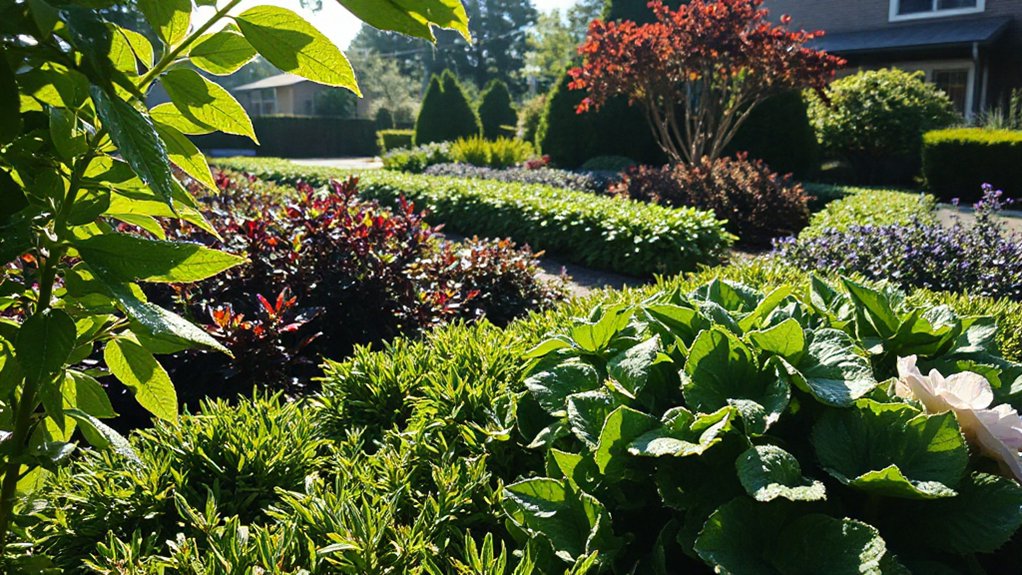
You can safeguard year-round harvests by choosing resilient, all-season plants that handle variable conditions. Start with a mix of hardy perennials and reliable annuals suited to your climate, then stagger plantings so harvests spread out. Favor varieties noted for pest tolerance, drought resistance, and cold hardiness, reducing setbacks from weather swings. Prioritize plant diversity to build a resilient ecosystem and minimize disease risk; a varied palette also extends season-length and flavor. Group plants by sun and soil needs, minimizing maintenance gaps in any month. Incorporate practical soil enrichment by using compost, mulch, and cover crops to sustain nutrients and moisture. Choose varieties that thrive with the least input, ensuring steady yields while preserving garden health across seasons.
Water Wisely: Seasonal Strategies to Save Water
Water use varies with the seasons, so plan your watering to match plant needs, weather, and soil moisture. Start with a baseline: measure soil at root depth, then set irrigation accordingly. Use drip or soaker systems to minimize evaporation and keep foliage dry. Water early in the morning to reduce runoff and disease risk. Schedule deep, infrequent soakings rather than frequent shallow watering; this encourages deep roots and drought tolerance. Collect rainwater through barrels and use it for landscape irrigation to reduce demand on mains. Group plants with similar water needs and adjust for rainfall events. Consider drought resistant plants for lower maintenance. Maintain mulch to slow evaporation, and fix leaks promptly to avoid waste. Regularly reevaluate irrigation based on season and rainfall.
Mulching by Season: Materials, Depths, and Goals
Choosing the right mulch matters by season, so you tailor material choices to your climate and goals. You’ll learn how depths differ—deeper in cold months, lighter in heat—while aiming to conserve moisture, suppress weeds, and moderate soil temperature. Start by matching mulch types to each season’s needs and your garden’s specific beds.
Mulch Material Choices
Mulch choices should align with season, soil needs, and landscape goals, so select materials that support moisture retention, weed suppression, and temperature moderation without harming plant roots. For compostable options, prioritize high-quality compost that enriches soil biology and structure without introducing pests or pathogens. Shredded bark or wood chips work well in temperate zones, slowing moisture loss while added soil life improves structure. Grass clippings can boost nitrogen, but make sure they’re pesticide-free and applied thinly to prevent matting. Cocoa hulls look nice but may attract pests and dogs; use sparingly if pets roam. Straw is economical and tidy, but may spread seeds if not aged. Always observe pest identification indicators, adjust mulch thickness, and refresh annually to maintain effectiveness.
Seasonal Mulch Depths
Seasonal mulching means adjusting depth to match temperature, moisture needs, and plant growth stages. In spring, apply a light mulch about 1 to 2 inches deep to conserve moisture without smothering emerging pups, then increase to 2 to 3 inches for established beds. In hot summers, go to 2 to 4 inches to insulate roots and reduce evaporation, but avoid piling against stems. In cool seasons, maintain a thinner layer, around 1 to 2 inches, to prevent soil heat loss while still suppressing weeds. Use organic materials where possible, and factor in soil amendments to improve structure. Keep mulch away from trunk bases to prevent rot, and consider pest deterrents integrated with the mulch layer. This approach supports soil amendments and pest deterrents without overdoing coverage.
Goals Of Mulching Periods
Mulching by season serves clear, goal-driven purposes: conserve moisture, regulate soil temperature, suppress weeds, and protect vulnerable roots. When you plan mulching periods, align materials and depths with your aims: moisture retention in dry spells, cooling in heat waves, weed suppression for beds, and root protection for early spring growth. Proper timing also supports compost quality by feeding soil biology without overshielding soil life. Use consistent mulch layers to avoid sour spots and guarantee steady soil conditions, enhancing garden aesthetics through neat, uniform beds. Choose materials that match your goals and climate, and refresh as needed to maintain effectiveness.
- Choose season-appropriate materials
- Aim for even, mulch-to-soil contact
- Monitor soil moisture and temperature
- Refresh to maintain coverage
- Integrate with compost quality and garden aesthetics
Pruning Timetable and Techniques Year-Round
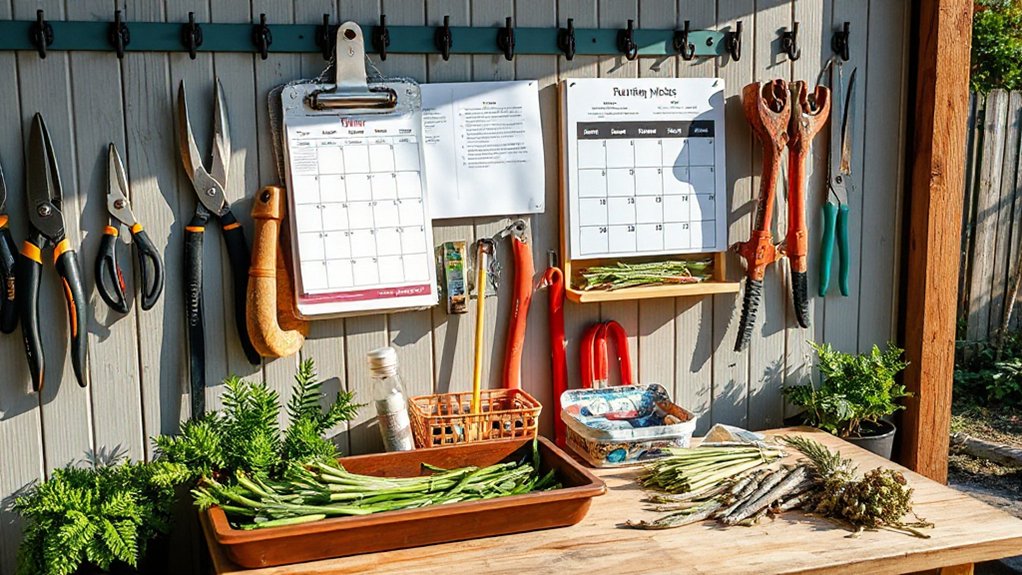
Pruning calendars keep your landscape healthy and blossoming year-round; start by identifying each plant’s growth cycle and target outcomes, then tailor timing and techniques accordingly. You’ll map a year-round timetable, prioritizing structure, vigor, and bloom cycles. Use pruning techniques that match the species: loppers for thick branches, secateurs for delicate shoots, and thinning cuts to maintain airflow. Schedule light, corrective trims after flowering for many ornamentals, and reserve dormant-season cuts for fruit trees and maples when risks of disease are lowest. Monitor seasonal growth, avoiding heavy pruning during active droughts or extreme heat. Document results and adjust as needed. Aim for balanced canopies, encouraging even fruiting and steady foliage without stressing plants. This approach keeps your garden productive and resilient, season after season.
Fertilizing for Steady Growth and Soil Health
Fertilizing for steady growth and soil health starts with a soil test to identify nutrient deficiencies and pH imbalances, then applying amendments that address the real needs of your garden. You’ll base fertilizer timing on plant stage, not calendar dates, and adjust for rainfall, drainage, and season. Use soil amendments to correct imbalances before feeding, so roots can efficiently take up nutrients. Apply light, frequent applications rather than heavy dumps, avoiding salt burn and runoff. Monitor leaf color and growth rate, refining your plan as plants respond. Keep records of tests, amendments, and outcomes to improve future cycles. Consistency compounds gains, supporting steady growth and resilient soil.
- Soil test results guide amendments
- Align fertilizer timing with growth stages
- Use measured, incremental applications
- Prefer organic soil amendments when possible
- Track outcomes for year-to-year soil health
Preventing Pests and Diseases Across the Year
Keeping pests and diseases at bay is about consistent monitoring and proactive steps throughout the year, building on your soil health and plant resilience. You stay vigilant by inspecting leaves, soil, and stems weekly, noting changes, and acting fast. Use physical barriers like nets and row covers when needed, and rotate crops to disrupt pest life cycles. Maintain proper spacing and pruning to improve airflow, reducing fungal pressure. Mulch to suppress weed hosts and sustain soil moisture, but avoid overwatering. Choose pest resistant plants and cultivate disease resistant varieties where appropriate, especially in high-risk spots. Apply targeted, approved treatments sparingly, following label directions. Clean tools after each use to prevent spread, and document what works to refine your plan season to season.
Year-Round Planting Schedule: Spring, Summer, Fall, Winter
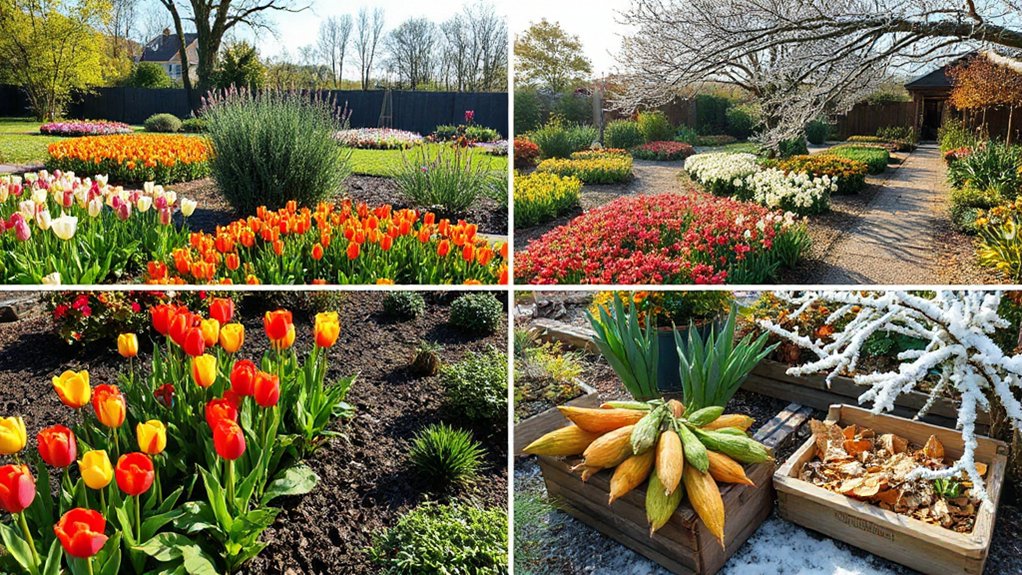
A year-round planting schedule keeps you productive by aligning crops and tasks with seasonal windows, so you plant, sow, transplant, and harvest at ideal times. With spring, summer, fall, and winter plans, you optimize yields while preserving garden aesthetics and reducing waste. You’ll time succession crops, space for growth, and rotate families to curb pests and soil fatigue, keeping Pest control practical and proactive.
- Plan early spring starts for leafy greens and herbs
- Space summer heat lovers and shade-tolerant options
- Schedule fall root crops and cool-season favorites
- Commit to winter greens protection and indoor starts
- Track harvests and rotations for year-to-year soil health
This approach keeps your garden efficient, attractive, and resilient year-round.
Light and Microclimate Tweaks as Weather Changes
As temperatures swing, tweak light and microclimate to keep your garden productive: position shade cloths, headers, and reflective surfaces to balance sun exposure, and use windbreaks or terracing to protect tender crops. Light adjustments help you optimize daily sun hours, while microclimate modifications stabilize temperature, humidity, and airflow around beds. In cooler spells, lean toward south-facing angles, thin mulch, and lightweight row covers to trap warmth without stunting growth. During hotter stretches, deploy shade, airflow gaps, and reflective mulches to reduce heat buildup and sun scorch. Monitor sun intensity and wind patterns, adjusting exposures weekly. Keep irrigation aligned with light shifts, since vapor pressure and soil moisture respond to sun. Document results to refine succession plantings and maintain steady yields.
Protecting Beds From Frost and Heat Stress
Frost protection basics help you guard tender beds when temperatures drop, using simple covers, mulches, and windbreaks. For heat stress prevention, you’ll space irrigation and shade during the hottest parts of the day, keeping soil moisture steady without overwatering. Seasonal bed care ties these practices together, with routine checks and adjustments as conditions change.
Frost Protection Basics
Wondering how to shield beds from frost and heat stress? You can protect your garden with practical, targeted steps that keep roots warm and survive through sudden cold snaps. Start by mulching generously to insulate soil and conserve moisture. Use row covers or lightweight fabric to trap heat after sunset, removing them during the day to prevent overheating. For beds in containers, relocate to sheltered spots or use insulating wraps; check regularly for moisture and temperature shifts. Improve resilience with composting tips that enrich soil structure and moisture retention. Water early in the day to reduce frost risk, avoid overwatering, and keep gaps clear for air flow. Maintain beds consistently, inspect for damage, and plan ahead for spring. container gardening readiness enhances overall protection.
Heat Stress Prevention
Heat stress prevention starts with recognizing how heat can compound frost protection measures. You’ll protect beds by shading exposed soil during peak sun, using light-colored mulches, and installing temporary row covers when cool nights follow hot days. Water deeply early in the day to maintain soil moisture without promoting disease; avoid overhead sprays at dusk. Turn beds gently to aerate roots and prevent heat buildup, then monitor for signs of distress like wilting or edge burn. Use windbreaks on exposed margins and group plants with similar moisture needs to simplify watering. For garden decor, place reflective or light-toned elements away from seedbeds to reduce heat buildup. Composting tips: compost piles should stay damp, not soggy, to avoid creating heat spikes that stress nearby plants.
Seasonal Bed Care
Seasonal bed care combines frost protection with heat relief so you can keep roots safe year-round. You’ll shield beds by mulching before freezes and using shade cloth or row covers during heat waves. Regularly monitor soil moisture, adjusting irrigation to prevent drying or oversaturation. Choose hardy varieties when possible, and employ companion planting to strengthen pest resistance and maximize space. Add soil amendments to sustain structure and drainage, especially after heavy rain or freeze-thaw cycles. Rotate crops to minimize disease buildup and sustain fertility. Establish a simple routine for bed inspection, adjusting covers and mulch depth as seasons shift.
- Protect with appropriate covers and staggered mulch layers
- Monitor moisture and adjust irrigation
- Implement companion planting for resilience
- Apply soil amendments to maintain structure
- Rotate crops to reduce diseases
Harvest Windows and Year-Round Storage Tips

Harvest windows vary by crop, but you can maximize freshness by picking produce at peak ripeness and storing it promptly. You’ll tighten harvest timing by noting fruit and veg color, texture, and aroma cues, then refrigerate or cool quickly to slow aging. For long-term storage, separate high-moisture from low-moisture crops and use appropriate methods: refrigeration, freezing, canning, or drying. Label containers with harvest date and crop type to track rotation. Practice quick-clean handling to prevent bruising and microbial growth. Maintain consistent temperatures and humidity: leafy greens at 32–40°F with high humidity, root crops around 32–40°F, and fruits at 34–40°F if they aren’t ripening further. Seasonal pest management should continue, and composting year round reduces waste and supports soil health. Avoid crowding storage; airflow matters for firmness and flavor.
Quick Seasonal Maintenance Checklists
As the year moves on, you can keep on top of garden tasks with concise, season-specific checklists. These quick rundowns help you stay proactive, not reactive. Focus on composting basics to recycle kitchen scraps and yard waste, and reference garden design to keep beds tidy and productive.
- Spring: test soil, refresh mulch, seed heat lovers, prune lightly, set composting bins turning schedule
- Summer: water deeply, monitor pests, shade-sensitive plants, deadhead regularly, trim overgrowth to improve airflow
- Fall: clean tools, protect perennials, sow cover crops, add straw mulch, prepare beds for winter
- Winter: plan rotations, sharpen edges, inspect structures, service irrigation, review composting flow
- Ongoing: track progress, adjust layouts, document lessons, refine drainage, align with long-term garden design
Tools and Gear for a Continuous Maintenance Routine
Tools and gear keep maintenance steady and efficient, so start with a core set you can rely on year-round and add essentials as tasks demand. You’ll prioritize reliable hand and power tools, ergonomic pruners, a trowel, a cultivator, and a durable kneeling pad for comfort. Keep a sharp pair of secateurs, a garden hose with adjustable nozzle, and a spray bottle for targeted interventions. A lightweight wheelbarrow, utility gloves, and a sturdy shovel round out the basics. For routine tasks, store calibrations and replacement parts with the tools. Use a compost thermometer and a simple stand to track compost techniques, ensuring proper moisture and aeration. Stay prepared for garden pests with barrier nets and a humane trap kit, keeping habitats safe and productive. Regular maintenance reduces surprises and supports year-long health.
Troubleshooting Common Year-Round Garden Hiccups
Year-round gardening isn’t free from hiccups, but you can spot and fix issues fast with a pragmatic approach. When problems arise, diagnose quickly, act decisively, and learn for next season. Prioritize soil health, water management, and pest prevention to minimize disruptions. Use soil testing to confirm nutrient gaps and adjust amendments, then track responses with simple data notes. Keep composting techniques efficient: steady inputs, correct moisture, and timely turning to avoid odors and slow decomposition. Address disease symptoms early with sanitation and resistant varieties. Maintain airflow, prune clutter, and monitor irrigation to prevent damp cultivars from rot or molds. Stay adaptable, and your garden will rebound faster.
- Soil testing
- Moisture management
- Pest prevention
- Composting techniques
- Sanitation and pruning
Frequently Asked Questions
How Can I Adapt a Plan to Unusual Weather Years?
Yes, you adapt by using Seasonal planting and weather forecasting; build flexible plans, diversify crops, and stagger schedules. Monitor forecasts, adjust irrigation and protection, embrace seasonal windows, and keep backup varieties ready for unexpected temperature swings.
What Quick Fixes Exist for Mid-Season Soil Issues?
“Hit the ground running,” you tell yourself, then mix quick soil amendments and surface composting techniques to fix mid-season issues. You’ll boost drainage, aeration, and nutrient balance, using targeted composting techniques and timely amendments for healthier, thriving beds.
Which Signs Indicate Nutrient Deficiencies Across Seasons?
Signs of nutrient deficiencies vary by season: pale leaves, stunted growth, and poor flowering. Do soil testing to confirm, then adjust with plant supplementation. Maintain soil health year-round and monitor changes as you apply amendments.
How Do I Adjust Irrigation During Extended Droughts?
First, adjust watering schedules by prioritizing deep, infrequent drips; extend intervals during droughts. You’ll conserve water, protect roots, and use drought resistant plants. Stay alert for wilted leaves, then fine-tune timings before stress peaks.
What Are Budget-Friendly Year-Round Pest Prevention Tips?
You can prevent pests year-round on a budget by using composting techniques and attracting beneficial insects, such as ladybugs and lacewings; mulch regularly, rotate crops, and plant diverse herbs to deter pests naturally while supporting soil health.
Conclusion
Evergreen routines keep your garden thriving, season by season. With a flexible plan, you’ll adapt to weather swings, soil shifts, and shifting harvests without starting from scratch. Keep a simple calendar, prep soil ahead, select resilient plants, and water wisely to cut waste. Maintain tools, run quick seasonal checks, and troubleshoot early to prevent bigger problems. Ready to turn annual cycles into steady growth? Start today, stay consistent, and watch your garden reward your steady, practical care.
About the Author


