
You’ll design a Bristol home with a tight, continuous envelope, high-performance insulation, and careful detailing to minimize heat loss and moisture risk. Combine Bristol-ready heat pumps or efficient boilers with smart controls, plus modular solar and rainwater systems tailored to local conditions. Choose locally sourced, durable finishes and circular materials to reduce embodied energy. Prioritize passive design, shading, and natural ventilation for comfort and resilience. Ready to explore how these choices come together in practice? Stay with me.
Key Takeaways
- Design a tight, continuous building envelope with high-performance insulation, airtightness, and vapor control to minimize heat loss and moisture risk.
- Install Bristol-ready efficient heating (heat pumps or high-efficiency boilers) with smart zoning and phased maintenance plans.
- Use solar PV with orientation optimization, durable modules, and monitoring to maximize energy yield and ROI.
- Apply passive design strategies: optimal shading, natural ventilation, daylighting, and thermally-formed layouts for year-round comfort.
- Choose durable, low-embodied-energy materials and ensure indoor air quality with balanced ventilation, low-emission finishes, and smart controls.
What High-End Eco Means in a Bristol Home: Goals, Trade-offs, and Benchmarks

In a Bristol home, high-end eco means more than a green badge—it’s a deliberate system of goals, trade-offs, and benchmarks that shape every decision from site selection to finish choices. You balance aesthetics with performance, prioritizing durable, low-impact materials and measurable outcomes. Eco friendly landscaping isn’t just curb appeal; it reduces runoff, supports biodiversity, and lowers irrigation needs through native planting and efficient design. You select renewable materials that perform under climate exposure, resist wear, and minimize embodied energy. Trade-offs arise in upfront cost versus long-term savings, yet you quantify benefits through heat mitigation, air quality, and lifecycle analysis. Benchmarks include insulation quality, airtightness, and certified sourcing, ensuring the home delivers comfort, resilience, and responsible stewardship without compromising design integrity.
Bristol-Ready Efficient Heating: Systems, Costs, and Comfort
Bristol-ready efficient heating pairs performance with value, aligning with high-end eco goals while staying practical for local realities. You’ll balance modern heat pumps or high-efficiency boilers with smart controls, ensuring rapid comfort and minimal energy waste. Choose system sizing that matches your building envelope and occupancy, then couple it with zoning and variable-speed distribution to avoid overconditioning spaces. Costs hinge on equipment quality, installation constraints, and potential grants or incentives, so plan a phased approach if needed. Maintenance should be predictable, with filter and refrigerant checks scheduled alongside annual system reviews. For broader sustainability, align heating choices with Renewable transportation and Eco friendly landscaping to reduce overall energy demand. This holistic view keeps performance strong without compromising Bristol’s distinct climate and lifestyle.
Solar Innovations for Eco Bristol Homes: What Works Here
You’ll start by evaluating solar efficiency in Bristol, aligning panel losses and orientation with our climate data to maximize yield. We’ll map local incentives and codes to streamline permitting and ROI, so your design decisions stay compliant and financially sound. Then you’ll size systems for homes with practicality in mind—balancing roof area, storage needs, and expected occupancy to optimize performance.
Solar Efficiency in Bristol
Solar efficiency in Bristol hinges on local climate and micro-siting: optimized angles, high-performance modules, and smart controls that maximize yield across the city’s variable sun. You’ll prioritize module quality and system integration, aligning with Bristol’s building envelopes and shading patterns. In practice, photovoltaic technology gains from precise spacing, robust inverters, and monitoring that flags underperformance before it bites your bill. Achieve durable performance by selecting components rated for damp conditions and temperature swings, then calibrate annually.
- Site orientation and tilt optimization
- High-efficiency modules with durable encapsulation
- Real-time monitoring and maintenance alerts
Focus on solar panel efficiency through meticulous layout, and leverage photovoltaic technology to sustain steady, predictable energy generation for a contemporary Bristol home.
Local Incentives and Codes
What local incentives and codes actually shape solar innovations in Bristol homes, and how can you leverage them effectively? You’ll navigate grant programs, permitted development rules, and planning overlays that reward high‑efficiency design. In practice, eligibility hinges on energy performance targets, roof orientation, and integration with existing structures, so you tailor installations to meet standards without compromising aesthetics. Seek utility rebates that offset equipment costs and municipal programs that credit community solar contributions. Codes emphasize fire safety, wiring standards, and dismantling procedures, so documentable workmanship matters. Align your project with Renewable energy goals and urban sustainability, ensuring seamless integration with Sustainable landscaping and shading strategies. By documenting compliance early, you accelerate approvals and maximize incentives, delivering a coherent, design‑forward outcome.
System Sizing for Homes
System sizing is the backbone of reliable, efficient solar performance for Bristol homes; getting it right means matching array capacity to actual load and future needs. You’ll optimize efficiency by aligning panel count, inverter capacity, and storage with your daily profile and seasonal shifts, ensuring consistent generation. A precise sizing approach reduces waste, lowers payback time, and supports durable, low-impact design.
1) Assess current consumption, future plans, and seasonal peaks to determine baseline and growth scenarios.
2) Choose modular components that scale with changes in heating, cooling, and hot-water demands.
3) Integrate with Eco friendly landscaping strategies to minimize shading and maximize solar access while preserving curb appeal and biodiversity.
This method supports renewable energy goals and preserves landscape aesthetics without compromising performance.
Smart Controls for Total Home Efficiency in Bristol

Smart controls release total home efficiency by coordinating HVAC, lighting, and shading to respond to occupancy and weather in real time. You’ll harness intelligent zoning, timer automations, and adaptive schedules to minimize standby losses and optimize comfort. In Bristol homes, an integrated system analyzes occupancy data, window performance, and external conditions to adjust setpoints rather than guess at needs. This is energy management implemented with purpose: reduce peak demand, shift usage to off-peak periods, and maintain indoor air quality without overconditioning. Expect seamless interaction with your thermostat, dimmers, motorized blinds, and occupancy sensors. Embrace the Smart home approach to simplify daily routines while preserving aesthetics and performance. Precision interfaces, clear dashboards, and responsive controls ensure efficient, predictable outcomes for contemporary living.
Water Management for Bristol Homes: Smart Irrigation, Rain Harvest, and Leak Prevention
Smart irrigation and rain harvest systems reduce outdoor water use while supporting lush, resilient landscapes. You’ll optimize soil moisture and plant health with sensor-driven scheduling and efficient, design-informed layouts. Together, these focus areas cut waste and reinforce leak prevention as a core part of Bristol’s water stewardship.
Smart Irrigation Efficiency
Efficient irrigation starts with precise scheduling and sensor-driven control, ensuring Bristol homes apply water only where and when it’s needed. You’ll optimize landscape health while trimming waste, using data from soil moisture, weather forecasts, and evapotranspiration models. Smart controllers adapt to changing conditions, elevating garden automation and reinforcing Water conservation.
- Program seasonal schedules that align with plant needs and local climate, not guesswork.
- Integrate soil and weather sensors to suppress irrigation during rain and after watering thresholds are met.
- Prioritize zones by plant type, slope, and sun exposure to reduce runoff and evaporation.
This approach delivers consistent turf and bed crucial, minimizes water loss, and supports a refined, design-informed outdoor space.
Rain Harvest Systems
You can complement smart irrigation with on-site rain collection to reduce demand on municipal sources and lower runoff. Rain Harvest Systems integrate graywater and surface rainfall to extend your landscape’s drought resilience while preserving municipal supplies. In Bristol, design-informed setups favor modular tanks, filtered pretreatment, and accessible piping that minimizes maintenance complexity. Prioritize rainwater reuse for irrigation zones, toilet flushing, or cooling towers where code permits, and pair with smart sensors to match soil moisture and weather forecasts. Stormwater management benefits include reduced peak flows and improved site drainage, lowering flood risk and enabling greenspace infiltration. Choose materials with durable UV resistance and low outgassing, ensuring long-term performance. Align system layout with existing architectural lines to maintain aesthetics without compromising efficiency.
Local, Low-Impact Materials: Luxurious Finishes From Bristol Suppliers
Local, low-impact materials can deliver luxurious finishes without sacrificing sustainability. You’ll notice the precision of Bristol-sourced options, where local craftsmanship informs grain, texture, and patina, ensuring every detail reads as intentional and refined. Use materials that pair durability with aesthetic restraint, so textures feel timeless rather than trendy. Prioritize sustainable textiles and stone, then integrate finishes that celebrate regional quarries and workshop methods.
- Local-branded woods with FSC status and hand-finishing
- Reclaimed stone and tile from nearby mills, selected for consistency
- Sustainably produced textiles in soft, durable weaves for upholstery and drapery
These choices reinforce a design language that’s sophisticated, easy to maintain, and distinctly Bristol. You’ll achieve luxury while supporting local ecosystems and economies.
Insulation and Envelope Basics for All-Season Luxury in Bristol
After choosing locally refined materials for aesthetics and longevity, you’ll want an envelope that preserves those investments. You’ll focus on a tight assembly that minimizes heat loss while remaining breathable where needed. Prioritize continuous insulation to reduce thermal bridging, ensuring uninterrupted warmth without cold spots at studs or penetrations. Choose rigid boards or mineral wool with seamless interfaces, paired with careful edge detailing, so you avoid gaps that radiate energy waste. Vapor barriers matter, but they must be correctly placed to prevent moisture buildup without trapping humidity behind finishes. Seal penetrations with appropriate sealants and tapes, and align roof, wall, and foundation envelopes for year‑round comfort. In Bristol climates, a balanced, well‑executed envelope delivers efficiency, durability, and refined living spaces.
Passive Design Tweaks That Cut Energy Use Year-Round

You’ll explore how Passive Design Tweaks transform a Bristol home’s efficiency by shaping heat flow and natural light across the seasons. This year-round energy reduction hinges on orientation, shading, and thermal mass as part of Contemporary Home Strategies. Let’s discuss how small, design-informed adjustments can yield measurable gains in comfort and performance.
Passive Design Tweaks
Passive design tweaks streamline energy use year-round by aligning a home’s form and operations with its climate. You optimize envelope geometry and shading to minimize heat gain in summer and preserve warmth in winter, without sacrificing light or comfort. Focus on Passive strategies that harmonize with how you live, not on brute power use alone. Embrace natural ventilation where climate allows, pairing operable windows with stack and cross-ventilation to reduce mechanical cooling demand. Confirm airtight detailing meets performance targets while avoiding drafts. Practical steps you can take include:
- Orient spaces for seasonal comfort and stack airflow with indoor–outdoor connections.
- Size glazing to balance daylight, glare, and solar heat gain.
- Integrate shading devices that respond to sun height and wind patterns.
Year-Round Energy Reduction
Wondering how to cut energy use year-round without compromising comfort? You can achieve that through thoughtful passive design tweaks that work in Bristol’s temperate climate. Prioritize building envelope efficiency: high-performance insulation, airtight construction, and strategic shading reduce heat loss in winter and heat gain in summer. Orient rooms to maximize natural daylight while controlling glare, lowering lighting needs and boosting thermal comfort. Incorporate heat recovery ventilation to maintain Indoor air quality without exhausting warmth. Use shading devices and high-performance glazing to balance solar gain across seasons. Prefer Renewable materials that resist temperature swings and offer durable, low-embodied energy performance. Pair these elements with intelligent thermal zoning and draft-free doors to stabilize interior conditions, minimizing mechanical load while preserving comfort and sustainability.
Contemporary Home Strategies
Contemporary home strategies center on practical, passive design tweaks that trim energy use year-round without sacrificing comfort. You’ll optimize heat and coolth through orientation, shading, and airtight detailing, then blend them with thoughtful landscaping and lighting choices.
- Use urban landscaping to create microclimates: strategically placed trees and shrubs reduce heat gain in summer while allowing winter sun penetration.
- Align outdoor lighting with built-in controls and warm color temperatures to minimize spill while maintaining safety and ambiance.
- Implement passive-ventilation strategies and envelope improvements that work in concert with weather instead of fighting it.
These steps create a coherent system where daylight, airflow, and thermal mass cooperate, delivering lower energy bills and steadier comfort without visible effort.
Bristol-Friendly Roofing and Exterior Finishes: Durability and Aesthetics
Bristol-friendly roofing and exterior finishes balance durability with curb appeal, prioritizing materials that withstand coastal weather, urban pollution, and seasonal shifts while complementing local architecture. You select engineered asphalt or metal shingles for longevity, paired with breathable underlayment to manage moisture. Choose fiber cement or high-performance cladding that resists salt spray and pollutants, yet stays color-stable under bright maritime sun. Embrace low-slope roof options with proper flashing to deter leaks, and accent with masonry or wood-look textures that age gracefully. For upkeep, integrate accessible gutters and hidden fasteners to reduce weathering hotspots. Plan proactive maintenance windows, and schedule regular exterior cleaning to prevent grime buildup. This approach supports Roof maintenance efficiency and preserves curb appeal across seasons.
Indoor Air Quality in Bristol Homes: Ventilation, Filters, and Standards
Indoor air quality (IAQ) in Bristol homes hinges on effective ventilation, appropriate filtration, and adherence to standards that account for coastal humidity, urban pollutants, and occupancy patterns. You’ll optimize IAQ by aligning systems to local climate and usage, ensuring steady air exchange, selective filtration, and documented compliance.
- Ventilation strategy: balance exhaust, supply, and central filtration to minimize moisture buildup and pollutant ingress.
- Filtration and controls: select MERV-rated or better filters, with smart controls to adjust density based on occupancy and outdoor air quality.
- Standards and monitoring: implement validated test methods, periodic inspections, and continuous IAQ data to sustain air purification and odor control.
This approach yields consistent comfort, reduced odor, and measurable air purification benefits while preserving design integrity.
Finishes That Last: Sound, Style, and Sustainable Durability

Finishes that endure in modern Bristol homes balance sound performance, timeless style, and sustainable durability, so you get aesthetics that stay put while the building keeps performing. You’ll select materials with proven longevity, reducing maintenance and replacement cycles without compromising character. Prioritize natural light compatibility, ensuring surface treatments won’t fade or warp under UV exposure, and align finishes with daylighting goals to preserve ambiance. For interior acoustics, choose thoughtfully layered substrates and reverberation control that preserve clarity without bulk. Opt for low-emission, durable coatings and sealants that resist wear while preserving texture. Consider joinery and façade details designed for weather resistance, moisture management, and recyclability. Your design language remains cohesive as performance metrics—thermal, acoustic, and environmental—outlast trends, delivering enduring appeal and resilient, sustainable value.
Financing and Incentives for Eco Upgrades in Bristol
Charting the economics of eco upgrades in Bristol is simpler when you map out available financing options, incentives, and eligibility early. You’ll assess cost versus value, and how incentives affect your payback. This clarity guides design choices without compromising style.
- Explore Financial incentives from local authorities, utilities, and energy suppliers to offset upfront costs and shorten payback periods.
- Compare Eco friendly loans with favorable terms, ensuring monthly payments align with projected energy savings and project scope.
- Align financing with project phasing, prioritizing high-impact upgrades that maximize efficiency and property value.
A disciplined approach helps you justify premium materials and systems. With precise budgeting and lender conversations, you’ll pursue smarter upgrades that sustain performance and aesthetics.
Smart Sourcing: Local Makers and Circular Design in Bristol
Smart sourcing in Bristol blends local craft with circular design principles to reduce embodied carbon and support regional makers. You’ll prioritize Local craftsmanship, seeking projects that reuse materials, extend product life, and minimize transport. In practice, you assess suppliers by provenance, durability, and repairability, favoring collaborations with workshops that share transparent material journeys. You’ll map material streams, identify reuse opportunities, and design systems that accommodate modular upgrades rather than disposables. Emphasize circular economy principles by looping excess timber, metal, and stone back into new builds or furniture, reducing waste and extraction. You’ll communicate constraints early, curating local portfolios that demonstrate refined craft alongside performance. The result is a coherent, design-informed approach where sustainability and aesthetics reinforce each other, delivering a distinctly Bristolese level of quality without compromising function.
Real-World Bristol Case Studies: Before and After (Includes Metrics)
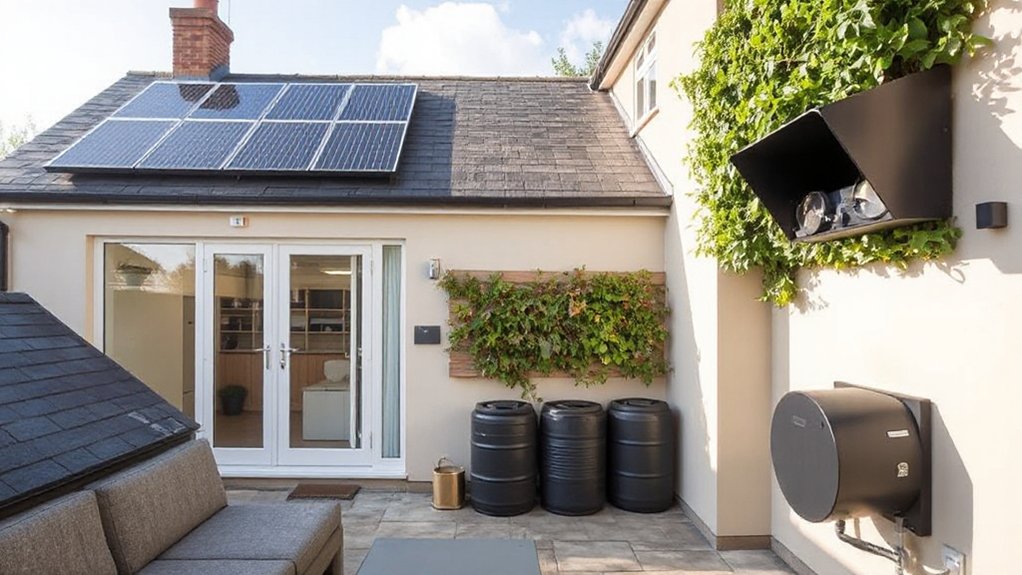
You’ll see real-world Bristol case studies that map before-and-after energy shifts alongside clear metrics. These narratives highlight how design decisions translate into measurable improvements in comfort, bills, and carbon footprints. Let’s compare baseline data with outcomes to extract actionable insights for your own project.
Real-World Metrics Shifts
Real-world metrics reveal how Bristol homes perform after adopting eco features, illustrating tangible shifts in energy demand, indoor comfort, and operational costs. You’ll see measured improvements, tighter envelopes, and smarter controls translating to steadier temperatures and reduced bill volatility. The data also highlight social gains, where design choices support urban agriculture and bolster community engagement.
- Reduced peak loads and smoother demand curves through smart ventilation and heat recovery.
- Consistent comfort levels across seasons, aided by radiant cooling, high‑performance glazing, and adaptive shading.
- Lower ongoing costs, with forecasted savings on maintenance and utility bills reflecting durable, low‑energy systems.
These metrics validate that sustainable detailing informs value, resonates with residents, and strengthens Bristol’s eco‑demonstrator narrative.
Before-After Energy Tales
How do real Bristol projects transform from design intent to measured performance? You’ll see concise case summaries that pair retrofit or new-build ambitions with quantified results. Each tale foregrounds before-and-after energy performance, using metrics like site energy use intensity, DER penetration, and heat‑loss reduction to anchor claims in reality. You’ll notice a design-informed thread: passive strategies first, then active systems, all validated by post‑occupancy data. Eco friendly landscaping features often contribute to microclimate gains, stormwater management, and reduced cooling loads, while renewable energy installations push annual offsets into positive territory. Compare planners’ predictions with meter readings, noting gaps and successes to inform future decisions. In Bristol’s context, outcomes emphasize measurable efficiency, occupant comfort, and resilient, stylish living environments.
Frequently Asked Questions
How Long Does ROI Take on Bristol Eco Upgrades?
ROI for Bristol eco upgrades typically appears within 5–10 years, depending on system scope and energy savings. You’ll notice earlier cash-flow shifts if installation challenges are minimized, ensuring steady energy savings and smoother project timelines.
Which Local Bristol Suppliers Are Most Reliable?
You’ll want trusted, local Bristol suppliers; look for those with strong supplier certification. Stay alert for reliable options offering local eco grants, and verify credentials early so you can choose confidently and avoid costly missteps.
Do Eco Features Affect Home Resale Value in Bristol?
Eco features positively affect resale in Bristol, especially with Eco friendly materials and Solar panel installation. You’ll attract value-conscious buyers who appreciate efficiency, durability, and design integrity, while optimizing long-term costs and market appeal.
What Permits Are Needed for Retrofitting in Bristol?
Yes—retrofitting in Bristol requires aligning with building codes and zoning regulations. You’ll need permits from your local planning authority, structural and energy assessments, and possible environmental consents, ensuring inspections during installation and compliance before occupancy.
Are There Hidden Costs With High-End Eco Systems?
Yes, there can be hidden expenses and maintenance challenges with high‑end eco systems; you’ll face unexpected service costs, part replacements, and periodic upgrades, though careful planning and reputable installers minimize risk and keep performance aligned with design goals.
Conclusion
You came here chasing comfort with a dash of conscience, and Bristol won’t disappoint. High-end eco features deliver real savings, yes, but the real twist is how little you notice them until the bills arrive—then they’re applause-worthy. Smart controls hum, solar quirks impress, and rain harvest quietly reduces chores. If you want perfection, you’ll still stack pennies for a carbon-neutral badge. Irony served: luxury arrives as efficiency, and efficiency arrives as lifestyle.
About the Author