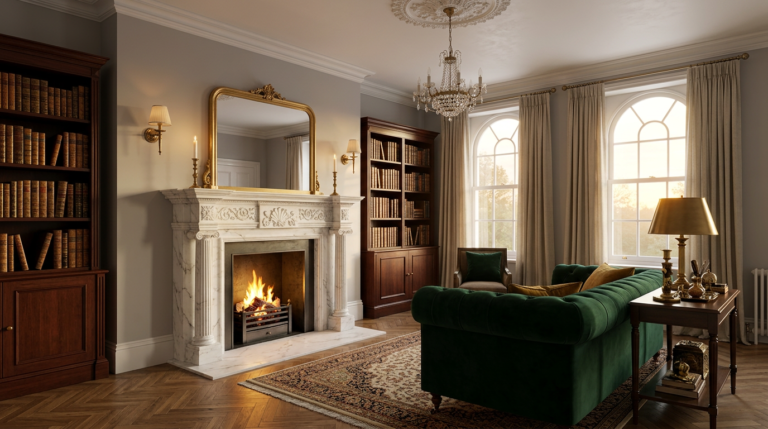

When choosing paint finishes, match room function to sheen: kitchens benefit from satin or semi-gloss for stain and moisture resistance, with washable enamel on cabinets; bathrooms need moisture-rated acrylic or epoxy with semi-gloss or satin for wipeability; bedrooms shine with mid-sheen or eggshell for durability and calm hues; living rooms balance low-luster or satin for elegance and cleanability; kids’ rooms require scrubbable, low-VOC finishes. Prep, test samples, and pair finishes to lighting and mood for lasting results, plus pro tips ahead.
Key Takeaways
- Kitchens: choose satin or semi-gloss for durability against stains, steam, and glare; use washable enamel on cabinets and compatible primers for all substrates.
- Bathrooms: pick moisture-rated acrylic or epoxy paints with semi-gloss or satin finishes for wipeability and mildew resistance.
- Living areas: opt for eggshell or satin for a balance of durability and ease of cleaning; pair matte ceilings with slightly glossier walls.
- Bedrooms: prefer mid-sheen or satin to hide imperfections while remaining washable; calming color palettes enhance rest.
- Kids’ rooms: prioritize scrubbable, low-VOC water-based paints with durable primers and layered washable accents for long-term appeal.
What Paint Finishes Work Best in Kitchens?
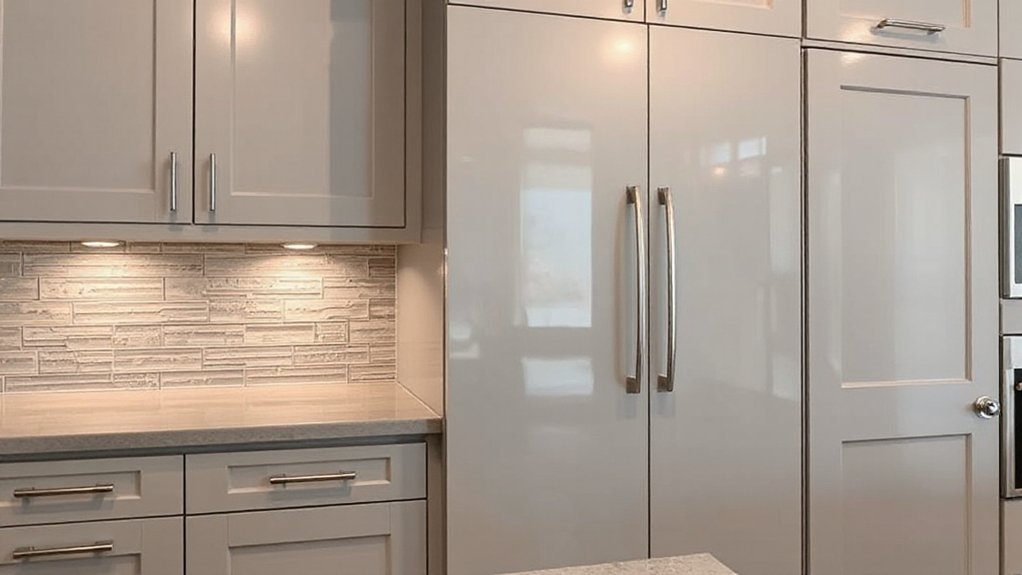
Selecting the right paint finishes for kitchens hinges on durability, cleanability, and moisture resistance. In practice, you’ll favor low-sheen options, such as satin or semi-gloss, that withstand frequent wiping without glare. These finishes resist stains and steam, while preserving color integrity under heat and humidity. For cabinets, assess adhesion, cure time, and scrubbability, choosing a hard, washable enamel when possible. Wall surfaces benefit from stain-resistant, washable coatings with minimal maintenance. Consider color psychology to optimize mood and workflow in work zones, pairing calm neutrals with accent hues that brighten focal areas. Historical trends inform your palette choices, favoring timeless contrasts over fleeting tones. Finally, guarantee compatible primers and sealers to maximize durability and cleanability across wood, laminate, and drywall substrates.
How to Choose Bathroom-Friendly Finishes That Resist Moisture
Bathroom finishes must resist moisture, humidity, and frequent cleaning without dulling or peeling. In bathrooms, choose finishes with inherent water tolerance and low porosity, such as high-quality acrylic or epoxy-based paints formulated for damp environments. Look for products labeled for bathroom or moisture resistance and verify a washable, scrubbable surface to endure routine cleaning. Prioritize paints with strong adhesion and mildew resistance, and confirm proper surface preparation—remove soap scum, veil cracks, and use a primer suited to glossy substrates. For durability, consider semi-gloss or satin sheens that balance wipeability with glare reduction. Remember: bathroom moisture challenges demand coatings designed for humid, high-traffic zones; this directly impacts paint durability and long-term appearance. Select verified, moisture-rated finishes to sustain color and finish integrity over time.
What Finishes Flatter Bedrooms While Staying Durable
Bedrooms demand finishes that harmonize aesthetics with durability. In practice, you’ll prioritize mid-sheen or satin sheens for walls, balancing light reflection with washability. These finishes resist scuffs while maintaining a soft, inviting appearance, essential for sleep-centric spaces. Avoid flat, chalky surfaces that show fingerprints and minor damage. For ceiling and trim, a higher durability option—eggshell or satin enamel—offers easier cleaning without stark contrast. Consider color psychology: muted blues, greens, or warm neutrals promote calm and focus, while richer tones can anchor accents without overpowering rest zones. Historical paint finishes inform texture choices; subtle glaze or aged-distressed effects can add depth without sacrificing durability. Choose a reputable, low-VOC formula to minimize odors during setup and maintenance.
Living Rooms: Pairing Elegance With Easy Maintenance

Living rooms require finishes that fuse refined elegance with practical durability, so you get a sophisticated look without sacrificing easy upkeep. You select paints and sheens that balance tactile quality with scuff resistance, preferring low-luster or satin finishes for frequent traffic. You’ll leverage color psychology to influence perception: cooler hues for calm, warmer tones for inviting areas, while accent walls or trims emphasize architectural features without overpowering furnishings. Durability comes from semi-gloss trims and washable flat or eggshell walls that resist fingerprints and fingerprints once settled. Historical trends guide contrast and palette choices, ensuring timeless appeal without dated undertones. You maintain consistency by pairing matte ceilings with slightly glossier walls, optimizing light reflection and ease of cleaning while preserving an elegant, cohesive atmosphere.
Kids’ Rooms: Durable, Washable Finishes That Still Look Great
Kids’ rooms demand finishes that withstand active use without sacrificing style; the goal is durable, washable surfaces that still look fresh over time. You should choose coatings with scrubbable cleanability ratings and low odor, enabling quick maintenance after spills or fingerprints. For durability, consider water-based acrylics and high-quality primers that improve stain resistance and adhesion on drywall or plaster. Eco friendly paints reduce volatile organic compound emissions, supporting indoor air quality without compromising performance. In color strategy, use historical color palettes to provide timeless appeal while layering with washable accent colors. Pair these finishes with stain-resistant primers and sealers to guard against scuffs during play. Prioritize finish systems that maintain sheen under frequent cleaning, ensuring long-term appearance without frequent repaint cycles.
How to Match Sheen to Room Function: Matte, Eggshell, Satin
Matte finishes reduce glare and mask wall imperfections, making them ideal for intimate or low-traffic spaces. Eggshell sheen balances durability with a soft, washable surface, suitable for living areas and hallways where you want a refined look without shine. Satin offers higher durability and easier cleaning for high-traffic rooms, pairing practical maintenance with a subtle, modern luster.
Matte Finishes For Rooms
Wondering which sheen fits each room best? Matte finishes offer a non-reflective look that hides minor imperfections and reads as modern and refined. For high-traffic spaces, matte textures provide a softer, durable surface when paired with proper prep and topcoat maintenance, though they resist scrubbing less than sheen-type paints. Use matte in living rooms, bedrooms, and hallways where you want a calm, intimate atmosphere without glare. In kitchens and bathrooms, choose mixed applications or seal with a compatible protective coat to preserve color and reduce moisture impact. Matte durability varies by formulation, so select products rated for interior walls with good stain resistance. Match with color depth that complements furniture, trim, and ambient lighting to achieve cohesive contrast and balance.
Eggshell Sheen Matchups
Eggshell finishes strike a balance between matte and satin, offering a subtle sheen that resists moisture while maintaining a softer, more forgiving surface for higher-traffic areas. You’ll match shell sheen to room function by balancing durability with light reflectivity. In busy kitchens and hallways, eggshell provides easier cleanup than flat, while reducing glare that can reveal wall flaws. For living rooms and bedrooms, it yields a refined look with moderate washability, supporting color psychology goals without sacrificing comfort. When selecting color, favor mid-tone hues that maintain perceived warmth or calm, depending on the room’s intention. Consider eco friendly paints labeled for low volatile organic compounds to minimize indoor emissions. Pair eggshell with strategic accents and trim to emphasize architectural details without overpowering the space.
Satin Practical Applications
Satin finishes deliver a balance between the soft glow of eggshell and the durability of semi-gloss, making them well-suited for high-traffic and moisture-prone spaces. You apply satin where both durability and a smoother sheen matter, optimizing wall surfaces in kitchens, bathrooms, and hallways without sacrificing detail. Texture techniques soften or sharpen perception of surface by controlled lighting and grain, while color coordination ensures the hue supports adjacent finishes and fixtures.
- Assess room traffic and moisture to justify satin selection.
- Pair with complementary textures (tiles, cabinetry) for cohesive contrast.
- Align sheen with lighting to minimize glare and reveal depth.
- Test color options under actual room light before finalizing.
Semi-Gloss vs. High-Gloss: Which Works Where

Semi-gloss and high-gloss finishes both provide durability and a shiny appearance, but they differ in reflectivity and stain resistance. You’ll select based on where you expect routine cleaning and moisture exposure. Semi gloss offers a mid-range sheen with slightly more forgiving touch-up capacity, making it suitable for kitchens, baths, and trim where you want a detectable shine without dazzling glare. High-gloss delivers the strongest sheen and the most resistant surface, which aids in wipe-downs and durable spots, but it emphasizes imperfections and shows brush strokes. For doors, cabinets, and high-traffic surfaces, consider high-gloss if you can tolerate the finish’s bold look. For walls and ceilings, semi gloss often provides a balanced compromise. In practice, weigh maintenance ease against aesthetic intent in your room context. Semi gloss vs. high gloss, sheen comparison.
Color and Light: How Finish Affects Ambiance in Each Room
Color and light interact with finish to shape a room’s mood and perceived size. You’ll influence ambiance by finish choice, reflecting color psychology and lighting design principles in practical terms.
- Surfaces with satin or eggshell hues amplify warmth while keeping glare low, aiding intimate spaces.
- Flat finishes mute color saturation, enhancing perceived ceiling height and calm in bedrooms or studies.
- Semi-gloss trims reflect light, visually expanding narrow hallways and delineating architectural details.
- High-gloss accents create focal points, increasing perceived depth but may heighten glare in kitchens or baths.
Use caution: finishes change with time and daylight, so test color temperature during varied lighting. Matching finish with room function drives consistent mood and visual comfort.
Practical Testing: Sample Panels and Wear Simulations at Home
To validate how finishes perform in real spaces, implement practical testing with sample panels and wear simulations at home. You compare sheen, texture, and color stability under typical lighting, temp, and humidity cycles. Use standardized panels sized for door or wall applications, coated with your target finishes, and label each with intended room type. Introduce wear simulations: surface contact, cleaning, and minor impacts to gauge resistance and touch feel. Track performance metrics over time, noting color shift, gloss retention, and easy-mark resistance. Integrate color psychology considerations by observing how tested hues interact with lighting to influence mood and perceived space depth. Document eco friendly options alongside durability data to support informed material choices aligned with sustainability goals. Conclude with actionable recommendations for room-specific finishes.
Prep and Application Tips for Smooth, Lasting Coats

Begin with proper Surface Preparation Essentials to guarantee your coat adheres and lasts. Use Smooth Coating Techniques to control texture, even application, and edge blending, then follow Durable Finish Tips to protect against wear and popcorning. By integrating these practices, you’ll achieve a durable, even finish that stands up to daily use.
Surface Preparation Essentials
Proper surface preparation lays the foundation for durable, even coats. You’ll achieve consistency by evaluating surface texture and selecting the proper primers. Focus on cleanliness, adhesion, and substrate compatibility to prevent failures.
- Clean the surface with a degreaser and rinse to remove oils, dust, and residues that impair bonding.
- Repair defects with compatible filler, sanding flush, and re-cleaning to expose true texture.
- Choose primer selection based on substrate, stain potential, and porosity to maximize adhesion.
- Scuff-sand glossy areas lightly for better key, then wipe free of dust before topcoating.
Smooth Coating Techniques
Smooth coating techniques require meticulous prep and precise application to achieve a uniform, durable finish. You’ll establish a clean, dust-free substrate, then soothe surface irregularities with light sanding and compatible primer. Select quality materials and maintain consistent environmental conditions to prevent flash drying. When applying, use controlled, overlapping passes to eliminate lap marks and guarantee even film thickness. Brush techniques prioritize cut-ins at edges and corners with steady wrists and minimal pressure, avoiding heavy loads that cause brush marks. For large areas, roller selection matters: choose a short nap for smooth walls and a high-density core for uniform coverage, then roll in multiple, parallel directions to mitigate texture. Clean tooling promptly between coats to preserve adhesion and color integrity.
Durable Finish Tips
To guarantee a durable finish, prep meticulously and apply with consistent, controlled technique. You’ll achieve lasting coats by disciplined surface prep, precise priming, and uniform application. Follow these core steps:
- Degrease and sand: remove contaminants, create a key, and wipe clean before priming.
- Prime appropriately: choose a compatible sealer or epoxy primer for substrate and paint type.
- Control conditions: maintain steady temperature and low humidity to prevent roller marks and blush.
- Use eco friendly paints: select products with low VOCs and durable sheens; align with historical finishes when appropriate.
For longevity, recoat within recommended windows and avoid overworking edges. This approach supports durable finishes and aligns with eco aware, historical finishes where suitable.
Common Finish Mistakes to Avoid in Each Room
Common finish mistakes in each room can derail the look and durability of your paint job, so identifying them early helps you avoid costly redo’s. You’ll often misjudge sheen for function, selecting high gloss in low-traffic zones or flat where washability matters, leading to rapid wear or staining. In kitchens and baths, neglecting surface prep—failing to sand, clean grease, or prime—causes peeling, blistering, or uneven color. Color psychology matters: mismatched tones can skew perceived room size and mood, undermining intent. Historical paint trends inform durable choices; ignoring appropriate base coats or incompatibilities between old and new finishes invites adhesion failure. Pro tip: test swatches under lighting and plan coats in the correct sequence. Finally, don’t overlook ventilation during application, which reduces odor and curing defects.
Maintenance Tips to Keep Finishes Looking Fresh
Establish a regular cleaning schedule to remove dust and residue that dull finishes over time. Keep quick touch-up fixes on hand for chips or scuffs, and apply matching finish to restore uniformity. Implement protective measures to guard against stains, spills, and wear to extend the life of your surfaces.
Regular Cleaning Schedule
A regular cleaning schedule keeps finishes from deteriorating and preserves color and sheen. You should adopt a routine that targets common high-traffic surfaces, using mild, pH-neutral cleaners to minimize abrasion. Regularity minimizes buildup, preserves color psychology cues, and maintains finish integrity. Follow a concise plan:
- Clean daily surfaces briefly with a soft cloth to reduce grime.
- Perform a weekly wipe-down using a diluted eco friendly options cleaner.
- Schedule monthly inspections for chips, scratches, or dull patches.
- Reevaluate products quarterly to ensure compatibility with current finishes and environmental standards.
Touch-Up Quick Fixes
Touch-up quick fixes keep finishes looking fresh by addressing small flaws before they worsen. You’ll establish a routine that targets chips, scuffs, and discoloration with minimal disruption to surrounding areas. Begin with a precise color match using the original formula or a tested shade from the same lot to prevent noticeable edges. Use a fine artist’s brush or a small foam brush for controlled application, feathering edges to blend. Lightly sand damaged areas after drying for a seamless progression, then recoat only the affected section to conserve materials. Consider color psychology when selecting accent touches to maintain room balance. When possible, choose eco friendly paints for maintenance touch-ups to reduce VOC exposure and environmental impact while preserving finish integrity. Document touch-ups for future color management and consistency.
Protect From Stains
Stains can silently dull a finish, so proactive protection is essential. To maintain stain resistance and finish durability, apply preventive steps before color sets. Implement these practices:
- Choose sealants with high stain resistance for high-traffic areas.
- Use proper curing times between coats to maximize durability.
- Clean spills promptly with a non-abrasive cloth to minimize penetration.
- Recoat on a schedule aligned with wear indicators to preserve barrier integrity.
Maintain proper ventilation during application and follow manufacturer guidelines for compatible substrates. Avoid household cleaners that degrade film strength and discolor finishes. Routine inspections help catch micro-damages early, allowing targeted touch-ups rather than full rework. With consistent maintenance, your surfaces resist staining and retain color fidelity, preserving finish durability over time.
Quick-Room Finish Planner: Pick, Pair, and Apply With Confidence

If you’re unsure where to start, this Quick-Room Finish Planner guides you through selecting finishes, pairing them for harmony, and applying them confidently. Begin by defining function and mood with color psychology, prioritizing durable sheens for high-traffic areas and washable finishes in kitchens and baths. Next, set a realistic paint budget, allocating portions for base coats, topcoats, and tools, while choosing brands that meet your performance needs. Pair finishes to establish rhythm: matte in living spaces, satin for hallways, and semi-gloss for trim. Prepare surfaces thoroughly, label samples, and test under actual lighting. Apply in consistent, overlapping strokes with proper drying times to avoid lap marks. Record choices and outcomes for future projects, ensuring the finish aligns with room use and maintenance expectations.
Frequently Asked Questions
Can Finishes Affect Indoor Air Quality After Painting?
Yes, finishes can affect indoor air quality. VOC emissions vary by product, so choose low-VOC options; you’ll shorten Paint drying time by following manufacturer guidance, proper ventilation, and curing conditions to minimize exposure for occupants.
Are There Eco-Friendly Finishes Suitable for Every Room?
Yes, there are eco-friendly finishes suitable for every room. You should choose Eco friendly pigments and Sustainable coating options that meet low-VOC, low-toxicity standards while delivering durability and washability across varying humidity and usage conditions.
How Long Does Each Finish Typically Odor Linger?
Immediately, odor lingers for hours to days depending on finish and ventilation. You’ll notice finishes with low odor: water-based polyurethane, acrylic eggshell, and matte latex. Paint durability and finish sheen options influence how long odors persist.
Do Finishes Influence Wall Repair and Patching Ease?
Finishes influence wall repair and patching ease: smoother textures resist cracking and reveal fewer flaws, while more textured walls complicate patching. Wall texture affects durability and repair effort; higher paint durability improves long-term patch retention and resistance to wear.
Which Brands Offer Best Color Consistency Across Batches?
Color matching across batches is superb with top brands, and Brand reliability is high. You’ll notice consistent tones, predictable formulas, and minimal shade drift, making select lines ideal for precise projects.
Conclusion
You stand at the door of a thriving house, a ship ready to sail. Each room is a harbor, each finish a compass. Kitchens demand steel-hardened courage; baths whisper moisture’s tempers; bedrooms promise quiet storms of color; living rooms balance grace with grit; kids’ rooms require shields that clean easy. Prep is your rigging, maintenance the ballast. Follow the plan, avoid common traps, and your home will weather time—shipshape, stylish, and steady at every port.
About the Author