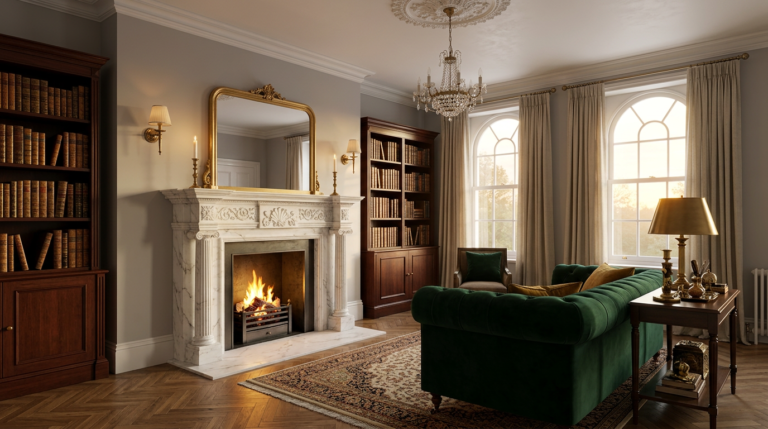
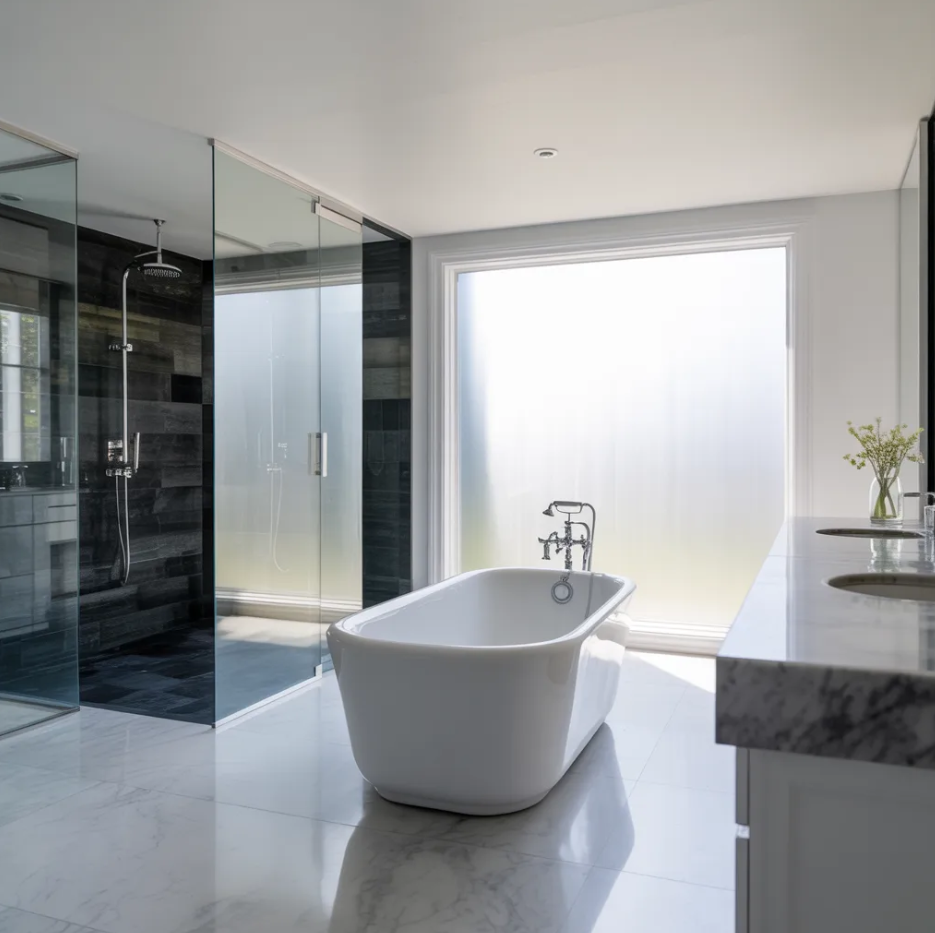
The bathroom has evolved from a purely functional space into a personal sanctuary where homeowners invest in both comfort and style. Among the most transformative elements you can add to your bathroom is a freestanding bath tub—a fixture that instantly elevates the entire aesthetic of the room. Unlike traditional built-in tubs, freestanding models stand alone as sculptural centerpieces, commanding attention and creating an atmosphere of luxury and relaxation.
Whether you’re renovating an existing bathroom or designing a new one from scratch, understanding the appeal and functionality of freestanding bath tubs is essential. These fixtures have become increasingly popular among homeowners who recognize that a bathroom is more than just a utilitarian space—it’s an opportunity to create a personal retreat. A well-chosen freestanding tub can serve as the focal point that ties together your entire bathroom design, influencing everything from color schemes to lighting and complementary fixtures.
This guide explores why freestanding bath tubs matter, how they enhance bathroom aesthetics, and what practical considerations you should keep in mind before making this investment. Whether you’re drawn to the timeless elegance of a classic clawfoot design or the modern minimalism of a contemporary soaking tub, you’ll discover how this single fixture can completely transform your bathroom experience and add significant value to your home.
What Is a Freestanding Bath Tub
A freestanding bath tub is an independent bathing fixture that stands on its own without being attached to walls or built into cabinetry. Unlike traditional alcove or drop-in tubs that require surrounding walls or deck structures for support, freestanding tubs are self-supporting units that can be positioned anywhere in your bathroom where plumbing can be installed. This fundamental difference in design creates both practical and aesthetic advantages that have made these tubs increasingly popular in modern bathroom design.
The defining characteristic of a freestanding tub is its complete exposure—all four sides of the tub are visible and accessible. This architectural independence allows homeowners to showcase the tub’s design, materials, and craftsmanship as a statement piece. Whether you choose a vintage-inspired clawfoot tub, a sleek contemporary oval design, or a luxurious soaking vessel, the tub becomes a sculptural element in your space rather than simply a functional fixture hidden behind tile and surround panels.
“A freestanding bath tub is not just a place to bathe—it’s a design statement that reflects your personal style and commitment to creating a spa-like atmosphere in your home.”
Freestanding tubs come in various materials, sizes, and styles to suit different bathroom layouts and design preferences. They typically require floor-mounted plumbing rather than wall-mounted connections, which gives you greater flexibility in placement but requires careful planning during installation. The tub’s exposed base—whether it features decorative legs, a solid pedestal, or a contemporary platform—becomes an integral part of the overall bathroom design. This visibility means the base design and finish are just as important as the tub itself, as they contribute to the overall aesthetic impact of the fixture in your space.
Why a Freestanding Bath Tub Matters
Health and Wellness Benefits
Freestanding bath tubs, particularly soaking models, offer significant health and wellness advantages that extend beyond basic hygiene. A deep soaking tub allows you to immerse yourself fully in warm water, which promotes muscle relaxation, reduces stress, and improves circulation. The therapeutic benefits of a proper soak are well-documented—warm water immersion can alleviate joint pain, reduce muscle tension, and provide relief from conditions like arthritis and fibromyalgia.
The ergonomic design of many freestanding tubs enhances comfort during extended soaks. Unlike standard built-in tubs that often have shallow depths and awkward angles, quality freestanding models are engineered with sloped walls and optimal dimensions that support your body naturally. This thoughtful design allows you to achieve true relaxation, transforming your daily bathing routine into a wellness ritual. The ability to soak without your knees hitting the tub rim or your shoulders remaining submerged creates a genuinely restorative experience that contributes to both physical and mental well-being.
Design Flexibility and Space Optimization
One of the most compelling reasons to choose a freestanding bath tub is the design flexibility it provides. Because the tub doesn’t require wall integration or built-in surround structures, you can position it anywhere in your bathroom that plumbing permits. This freedom allows you to create unique layouts that wouldn’t be possible with traditional tubs—you might center a stunning tub in the middle of the room, float it beneath a window, or position it as a room divider in open-concept bathroom designs.
Space optimization becomes easier with freestanding tubs because they eliminate the need for surrounding cabinetry or structural modifications. In smaller bathrooms, a compact freestanding soaking tub can actually save space compared to a standard alcove installation, which requires additional framing and surround materials. The visual openness created by a freestanding tub also makes bathrooms feel larger and more spacious, even in modest square footage. This visual lightness—achieved by exposing the floor around and under the tub—creates an airy quality that transforms how your bathroom feels, making it seem more luxurious and less cramped than traditional tub installations.
Key Components and Features of Freestanding Bath Tubs
Material Options and Durability
The material composition of a freestanding bath tub directly impacts its durability, maintenance requirements, aesthetic appeal, and long-term value. Each material option offers distinct advantages and considerations that should influence your selection based on your bathroom environment and personal preferences.
| Material | Durability | Maintenance | Heat Retention | Cost Range | Best For |
|---|---|---|---|---|---|
| Acrylic | 10-15 years | Easy cleaning, non-porous | Excellent | $1,500-$4,000 | Budget-conscious homeowners |
| Cast Iron | 25-50+ years | Regular refinishing needed | Superior | $3,000-$8,000 | Traditional designs, longevity |
| Fiberglass | 8-12 years | Moderate, prone to scratching | Good | $1,000-$3,000 | Lightweight installations |
| Stone Resin | 15-20 years | Low maintenance | Excellent | $4,000-$10,000 | Modern, luxurious designs |
| Copper | 20-30 years | Develops patina, requires care | Excellent | $5,000-$15,000 | Statement pieces, artisan work |
Acrylic is the most popular choice for freestanding tubs, offering an excellent balance of affordability, durability, and aesthetic versatility. The non-porous surface resists staining and bacterial growth, making maintenance straightforward. Cast iron represents the premium option for traditional designs, particularly clawfoot tubs, providing unmatched longevity and superior heat retention that keeps bathwater warm longer. Stone resin and composite materials have emerged as modern alternatives, combining contemporary aesthetics with exceptional durability and minimal maintenance demands.
Size, Shape, and Style Variations
Freestanding bath tubs come in diverse dimensions and designs to accommodate different bathroom spaces and personal preferences. Understanding the available options helps you select a tub that fits both your physical space and your design vision.
- Classic clawfoot tubs feature four decorative legs and typically measure 60 inches long by 30 inches wide, offering timeless Victorian or vintage-inspired aesthetics
- Modern soaking tubs range from compact 48-inch models for smaller bathrooms to expansive 72-inch versions, with deeper basins (24-30 inches) designed for full immersion
- Oval and curved designs provide softer visual lines and often feature sloped backs for ergonomic comfort during extended soaks
- Japanese-inspired soaking tubs (ofuro style) are smaller but deeper, typically 48 inches long and 24-28 inches deep, designed for sitting rather than lying down
- Contemporary rectangular tubs emphasize clean lines and minimalist aesthetics, available in various lengths from 55 to 70 inches
- Pedestal-base tubs combine classic elegance with modern simplicity, standing on a single or double pedestal rather than legs
“The right freestanding tub should feel like a natural extension of your body and your bathroom—it’s not just about dimensions, but about how the tub’s proportions and depth support your personal bathing experience.”
The aesthetic style of your chosen tub should complement your overall bathroom design language. Vintage clawfoot designs work beautifully in traditional, farmhouse, or eclectic bathrooms, while minimalist rectangular tubs suit contemporary and industrial spaces. Mid-century modern bathrooms benefit from oval or curved designs with tapered legs, whereas spa-like environments call for deep soaking tubs that emphasize wellness and relaxation.
How Freestanding Bath Tubs Elevate Bathroom Aesthetics
Creating a Focal Point in Your Bathroom
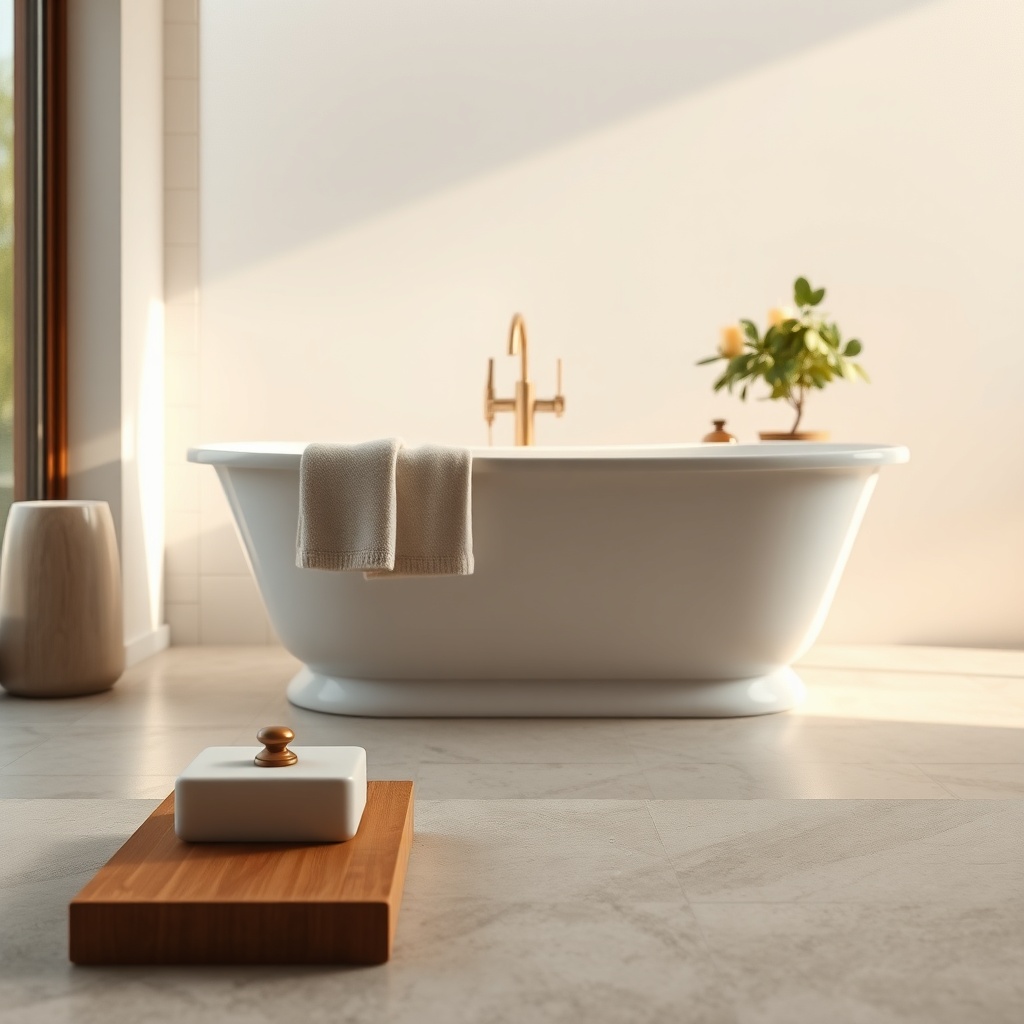
A freestanding bath tub naturally becomes the dominant visual element in any bathroom, commanding attention and establishing the design hierarchy of the entire space. Unlike built-in tubs that blend into the surrounding structure, freestanding models are sculptural objects that draw the eye immediately upon entering the room. This focal point quality allows you to build your entire bathroom design around the tub’s style, color, and material, creating a cohesive aesthetic that feels intentional and curated.
The visual prominence of a freestanding tub enables you to express your personal design philosophy through this single fixture. A dramatic black cast iron clawfoot tub becomes a statement piece that influences everything from wall colors to lighting choices and accessory selections. Similarly, a sleek white stone resin soaking tub establishes a spa-like minimalist aesthetic that guides your decisions about fixtures, hardware finishes, and decorative elements. This focal point approach eliminates design confusion—instead of trying to coordinate multiple competing elements, you have a clear visual anchor that organizes the entire space.
Enhancing Visual Flow and Spatial Design
Freestanding tubs create a sense of visual openness that fundamentally transforms how a bathroom feels. Because the tub isn’t enclosed by walls or cabinetry, the eye can travel around and beneath it, creating an unobstructed visual flow throughout the space. This openness makes even modest-sized bathrooms feel larger and more luxurious than they actually are. The exposed floor surrounding the tub contributes to this spatial perception, breaking up what might otherwise feel like a cramped, compartmentalized room.
The placement flexibility of freestanding tubs allows you to optimize spatial design in ways impossible with traditional installations. You might position the tub to create a natural division between wet and dry zones without requiring walls or structural barriers. In open-concept bathroom designs, a beautifully positioned freestanding tub can serve as an elegant room divider while maintaining visual continuity. This strategic placement enhances the overall flow of your bathroom, creating distinct functional zones that feel intentional rather than cramped or cluttered.
Complementary Fixtures and Styling Elements
The aesthetic success of a freestanding tub depends significantly on the supporting fixtures and styling elements you choose to complement it. Your selections in this area either enhance or diminish the tub’s visual impact.
| Design Element | Impact on Aesthetics | Recommended Approach |
|---|---|---|
| Faucet Style | Creates visual harmony or discord | Match metal finishes and design era to tub style |
| Wall Finish | Frames the tub visually | Use neutral colors or subtle textures to avoid competing |
| Flooring Material | Grounds the installation | Select durable, water-resistant materials that complement tub base |
| Lighting Fixtures | Highlights the tub’s features | Install layered lighting with accent lights on the tub |
| Accessories and Decor | Adds sophistication or clutter | Keep minimal; choose pieces that echo tub’s design language |
The faucet selection deserves particular attention, as it significantly influences the overall aesthetic. A vintage-style wall-mounted faucet with cross handles complements a clawfoot tub, while a modern deck-mounted or freestanding tub filler suits contemporary designs. Metal finishes—whether brushed nickel, oil-rubbed bronze, polished chrome, or matte black—should coordinate with your tub’s material and other bathroom hardware. The surrounding wall treatment should remain relatively neutral, allowing the tub itself to dominate visually. Soft, muted colors or subtle textures provide a sophisticated backdrop without competing with your statement fixture.
Installation and Practical Considerations
Before committing to a freestanding bath tub, understanding the practical requirements and considerations ensures a smooth installation process and long-term satisfaction with your investment.
- Verify floor structural capacity by consulting with a structural engineer or contractor, as freestanding tubs filled with water can weigh 500-1,500 pounds depending on material and size
- Plan plumbing placement carefully, determining whether you’ll use a wall-mounted faucet, deck-mounted filler, or freestanding tub filler before installation begins
- Ensure adequate water supply by confirming your home’s water pressure and heating capacity can support the tub’s fill time and temperature maintenance
- Account for drainage requirements by verifying that your plumbing system can handle the tub’s drain location and slope, particularly if you’re deviating from standard wall placements
- Measure doorways and passages to ensure the tub can physically be transported into your bathroom, as some larger models may not fit through standard doors
- Consider ventilation needs by installing proper exhaust fans to manage moisture from extended soaking sessions, preventing mold and mildew growth
“The difference between a beautifully executed freestanding tub installation and a problematic one often comes down to proper planning before the first tool is picked up—invest time in planning to avoid expensive complications later.”
Professional installation is strongly recommended for freestanding tub projects, as improper placement, inadequate structural support, or incorrect plumbing connections can result in water damage, mold growth, or safety hazards. The installation timeline typically ranges from one to three days, depending on existing plumbing infrastructure and any structural modifications required. Budget for potential complications—if your bathroom lacks proper floor support or if plumbing must be relocated, costs and timeline will increase accordingly. Working with experienced contractors who specialize in freestanding tub installations ensures that your investment is properly executed and protected for years of enjoyment.
Common Misconceptions About Freestanding Bath Tubs
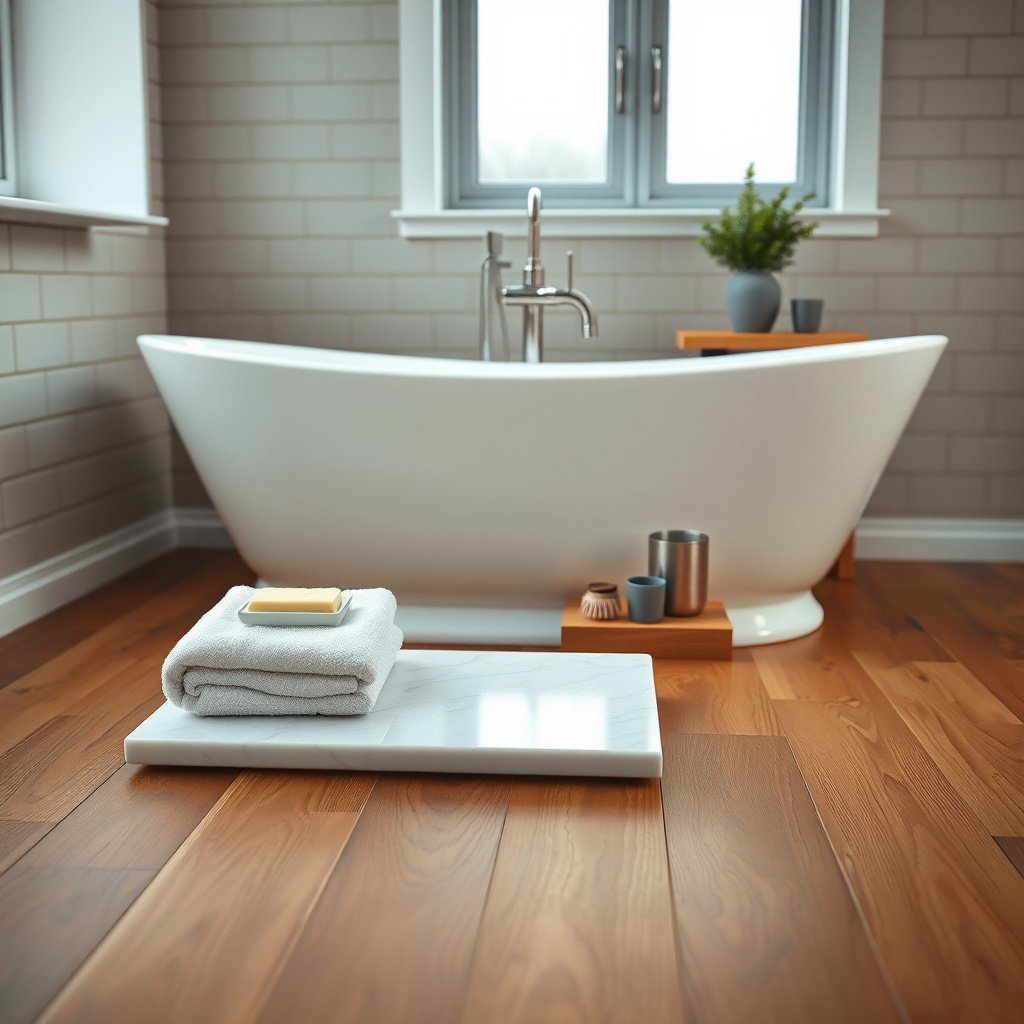
Many homeowners harbor misconceptions about freestanding bath tubs that prevent them from considering this transformative fixture. Understanding and dispelling these myths helps you make an informed decision about whether a freestanding tub is right for your bathroom.
Misconception 1: Freestanding tubs are prohibitively expensive. While premium models certainly exist at high price points, quality freestanding tubs are available across a wide range of budgets. Acrylic freestanding tubs start around $1,500, making them comparable to or even less expensive than high-end built-in installations when you factor in surround materials and labor. You don’t need to spend $10,000 to enjoy the aesthetic and functional benefits of a freestanding tub.
Misconception 2: They waste water and energy. Modern freestanding tubs are engineered for efficiency. Many contemporary models hold no more water than traditional tubs, and their superior insulation keeps bathwater warm longer, reducing the need for continuous hot water additions. Deep soaking tubs do require more water than shallow alcove models, but the therapeutic benefits and reduced frequency of soaking sessions often result in comparable overall water usage to daily showers.
Misconception 3: Installation is impossible in older homes. While older homes may present plumbing challenges, experienced contractors routinely install freestanding tubs in homes built decades ago. Structural reinforcement and creative plumbing solutions address most obstacles. The key is working with professionals who understand period homes and can adapt modern fixtures to existing infrastructure.
Misconception 4: Freestanding tubs don’t fit small bathrooms. Compact freestanding soaking tubs measure just 48 inches long and can actually save space compared to standard alcove installations. Their visual openness makes bathrooms feel larger, not smaller. The perceived spaciousness created by a well-positioned freestanding tub often surprises homeowners with limited square footage.
Misconception 5: They’re difficult to clean and maintain. Freestanding tubs, particularly acrylic models, are actually easier to maintain than built-in options. The exposed exterior surfaces allow you to clean all sides thoroughly, and the absence of surrounding cabinetry eliminates hidden mold and mildew growth areas. Regular cleaning with appropriate products keeps freestanding tubs looking pristine for years.
Conclusion
A freestanding bath tub represents far more than a functional bathing fixture—it’s a design investment that fundamentally transforms your bathroom from a utilitarian space into a personal sanctuary. Throughout this guide, we’ve explored how these sculptural elements elevate bathroom aesthetics, enhance wellness through therapeutic soaking, and provide the design flexibility that modern homeowners increasingly demand.
The decision to install a freestanding tub reflects a commitment to creating a bathroom that serves both practical and emotional needs. Whether you’re drawn to the timeless elegance of a vintage clawfoot design, the spa-like luxury of a deep soaking vessel, or the contemporary minimalism of a modern oval tub, this fixture becomes the visual anchor around which your entire bathroom design revolves. The aesthetic impact is immediate and undeniable—visitors notice and appreciate a well-chosen freestanding tub, and more importantly, you experience its benefits every time you use it.
As you move forward with your bathroom design or renovation project, remember that a freestanding tub is an achievable goal regardless of your budget, bathroom size, or home’s age. With proper planning, professional installation, and thoughtful complementary fixture selections, you can create a bathroom environment that feels genuinely luxurious and personally meaningful. The investment in a quality freestanding tub pays dividends in daily enjoyment, wellness benefits, and long-term home value appreciation.
Frequently Asked Questions
What is the average lifespan of a freestanding bath tub?
The lifespan depends significantly on material. Acrylic tubs typically last 10-15 years with proper care, fiberglass models last 8-12 years, while cast iron and copper tubs can last 25-50+ years. Stone resin and composite materials generally last 15-20 years. Regular maintenance, proper installation, and avoiding harsh chemicals extend the life of any freestanding tub substantially.
Can I install a freestanding tub in a bathroom without existing plumbing nearby?
Yes, but it requires more extensive plumbing work and higher costs. A professional plumber can route supply lines and drain pipes to accommodate your desired tub placement. This flexibility is one of the advantages of freestanding tubs, though you should budget for additional plumbing labor and potential structural modifications if the tub location is far from existing water lines.
Are freestanding tubs slippery and unsafe?
Most modern freestanding tubs include textured surfaces or optional slip-resistant treatments to enhance safety. You can also add non-slip mats or adhesive strips to the tub floor. The sloped walls of many contemporary designs provide better support than traditional tubs, actually improving safety for users of all ages and mobility levels.
How much does it cost to install a freestanding bath tub?
Installation costs typically range from $2,000 to $5,000 depending on complexity, existing plumbing infrastructure, and regional labor rates. This includes the tub itself, faucet, drain assembly, and professional installation labor. Simple installations in bathrooms with nearby plumbing cost less, while projects requiring significant plumbing relocation or structural work cost more.
Do freestanding tubs require special maintenance compared to built-in tubs?
Freestanding tubs actually require less maintenance in many ways. The exposed surfaces are easier to clean thoroughly, and the absence of surrounding cabinetry eliminates hidden moisture problems. You should avoid abrasive cleaners on acrylic surfaces and address any plumbing leaks promptly, but routine care involves basic cleaning with appropriate products and occasional caulk inspection around the drain.
About the Author