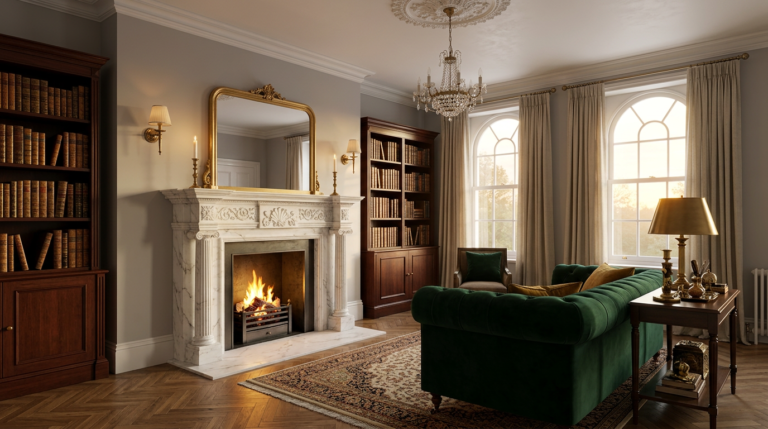

Updating a 1930s semi in Surrey means a disciplined, heritage‑respecting renovation that strengthens structure, boosts energy efficiency, and preserves character while delivering modern comfort. Start with a system-by-system survey—structure, envelope, services, and interiors—prioritizing foundations, insulation, and airtightness. Plan a layout that respects sightlines, period textures, and modest massing, then select high‑efficiency heat pumps or condensing boilers with zone controls. Work with heritage‑savvy builders, maintain reversible finishes, and document provenance; the benefits show up in comfort, durability, and value, with more to come.
Key Takeaways
- Prioritize a system-by-system assessment (structure, envelope, services, interior) to inform a durable update plan for a 1930s semi-detached home in Surrey.
- Respect heritage by preserving major cues (porch, bay windows) and aligning layouts with period sightlines and proportions.
- Improve energy efficiency with continuous insulation, airtight seals, and mechanical ventilation, while balancing historic aesthetics.
- Use period-appropriate yet high-efficiency heating (heat pumps or condensing boilers) and low-profile radiators with smart controls.
- Engage specialist heritage builders early, document provenance, and follow permits and revisions to maintain original fabric and long-term preservation.
Assessing Your 1930s Surrey Home: Core Needs and Quick Wins
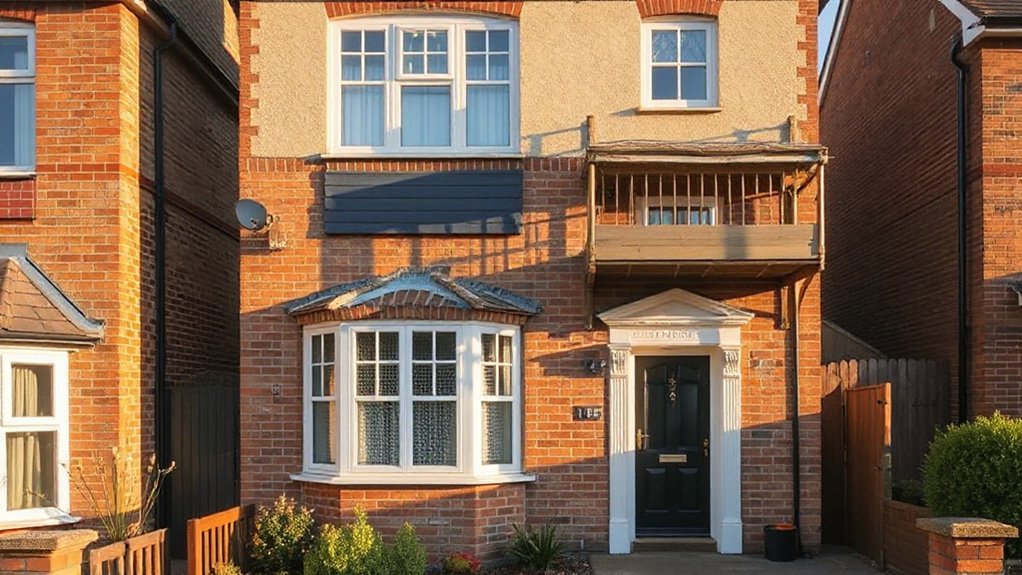
Evaluating a 1930s Surrey home starts with a focused, system-by-system inventory. You’ll identify core needs by category: structure, envelope, services, and interior systems, then map quick wins that maximize safety and value. Prioritize the structural shell: check foundations, dampness, and timber integrity; address visible cracks and moisture paths to prevent escalation. For the envelope, assess insulation gaps, draft points, and window performance to establish a baseline for energy conservation. Electrically, verify panel capacity, wiring age, and smoke/CO protection; plan upgrades aligned with local codes. Plumbing should be surveyed for leaks, cold-water efficiency, and fixture condition. In garden landscaping, plan for efficient drainage and climate-appropriate planting to complement energy-saving measures. Implement concise, verifiable steps to accelerate progress without overhauling core systems.
Heritage-Respectful Layout: Plan Open Space Without Losing Character
To respect a heritage feel while expanding open space, start by defining sightlines, materials, and scale that echo the home’s 1930s character. You should map primary vantage points from entry halls into living and dining areas, preserving corridor proportions and doorway rhythms. Plan open spaces that maintain porch and bay-window cues, using restrained insertions that don’t overwhelm existing massing. Select garden landscaping elements and plantings that mirror period textures—soft hedges, clipped borders, and gravel paths—so outdoor flows read as extensions of interior rooms. Limit material contrast to muted palettes and cohesive textures; align interior color schemes with natural tones that soften progressions. Apply furniture layouts that emphasize function over excess, ensuring safe clearances, sightlines, and acoustical comfort throughout the historic shell.
Foundations for Comfort: Insulation and Draft-Proofing in Surrey Homes
In Surrey homes, you should prioritize robust insulation and effective draft-proofing to create a tight envelope that preserves warmth and reduces energy waste. You’ll assess basement and cavity walls for continuous insulation continuity, sealing gaps at foundations, joists, and services. Use high-performance mineral wool or closed-cell spray foams where appropriate, ensuring vapor control layers align with breathable membranes to prevent moisture buildup. Draft-proofing targets exterior penetrations, window and door perimeters, and attic hatches, employing airtight seals and compression gaskets. Consider mechanical ventilation strategies with heat recovery to maintain fresh air without heat loss. For exterior impact, coordinate with garden landscaping to minimize thermal bridging and manage wind exposure. Inside, align insulation decisions with interior decor goals while preserving structure, finish integrity, and long-term comfort.
Heating Smart for the Era: Efficient Systems That Fit a 1930s Shell

A 1930s semi-detached shell presents a distinctive challenge: you must balance period-faithful aesthetics with modern, efficient heating. You’ll prioritize compact, modulated systems that respect the envelope without invasive alterations.
1) Select a high-efficiency heat pump or condensing boiler with zone controls to minimize airflow losses.
2) Integrate underfloor or low-profile radiators that preserve architectural ornamentation while delivering even heat.
3) Employ smart thermostats and weather compensation to optimize consumption across seasons.
4) Pair mechanical efficiency with passive savings, using garden landscaping to temper external temperatures and reduce heat loss.
This approach preserves the shell’s character, aligns with Surrey climate realities, and keeps comfort steady without compromising form.
Timber Detailing and Period Fixtures: Elevating the Aesthetic, Respectfully
Timber detailing and period fixtures define the era’s character, and careful integration preserves authenticity while delivering refined aesthetics. You approach trim, joinery, and mouldings with precision, ensuring lines align with original proportions while accommodating modern use. Start with softwood or quarter-sawn timber selects that resist seasonal movement, then apply finishes that mimic authentic patination without compromising durability. Victorian influences appear in spindle balustrades, picture rails, cornices, and substantial door casings; balance these elements with simplified profiles to avoid ornate overload in contemporary spaces. For structural upgrades, employ concealed fasteners and compatible timber species to reduce risk of warping. Modern adaptations should respect scale and rhythm, enabling efficient lighting, acoustics, and insulation. Maintain cohesion across finishes, ensuring progression between living, dining, and service zones remains seamless.
Low-Impact Materials for Surrey: Sustainable Choices That Work
Sustainability guides material selection in Surrey, where low-impact choices balance performance, cost, and environmental footprint. You’ll prioritize materials that deliver durability with minimal embodied energy, ensuring long-term value. Focus on sourcing locally where possible to reduce transport emissions and support regional ecosystems. Eco friendly finishes and renewable resources underpin your strategy, delivering healthy indoor air and reduced lifecycle impacts. Precision in specification helps you avoid overdesign while meeting performance targets. Below, a concise set of options supports informed decisions:
- Reclaimed timber and low-emission binders
- Recycled metal framing and steel connectors
- Lime-based plasters and natural paints
- Cork, hemp, and wool insulation systems
Navigating Planning Permits in Surrey: What You’ll Actually Need
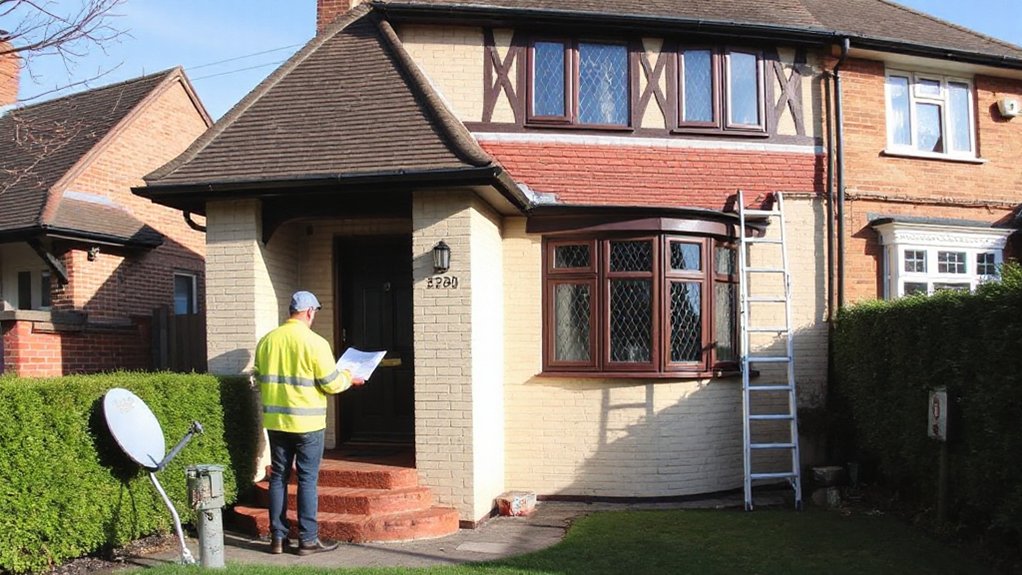
Managing planning permits in Surrey can feel intricate, but you’ll get a clear, action-oriented path by identifying the permits upfront and mapping them to your project scope. You’ll begin with a site assessment and consult the local planning portal to determine if your 1930s semi-detached home requires planning consent, permitted development rights, or listed-building considerations. Next, compile a permit checklist: planning, building, party-wall agreements, and any conservation-area constraints. Use modern technology to document setbacks, elevations, and garden landscaping elements you plan to alter, ensuring compliance with height, footprint, and distance rules. Engage a planning consultant or architect early to validate design intent against policy, reduce revision cycles, and streamline approvals. Maintain precise records, submit drafts promptly, and anticipate conditions that may affect timelines or ongoing maintenance.
Budget Mastery for a Balanced Renovation: Priorities and Trade-Offs
Budget mastery is about aligning costs with your project priorities and making informed trade-offs that don’t compromise essential outcomes. You’ll balance scope against budget with a disciplined, methodical approach, focusing on value rather than sheer spend. Clear prioritization prevents overengineering and preserves key performance targets, like comfort, durability, and aesthetics.
- Identify non-negotiables (structural integrity, waterproofing, safety) and defer cosmetic upgrades where possible.
- Allocate contingency intelligently, reserving a cushion for unseen fixes without stalling progress.
- Prioritize garden landscaping and interior color schemes as complementary, not competing, elements to maximize perceived value.
- Establish decision gates to stop scope creep and validate every spend against measurable benefits.
This framework keeps renovations balanced, predictable, and aligned with your Surrey home’s charm.
Working With Trades You Can Trust: Heritage-Savvy Builders
You’ll want to align with trustworthy heritage builders who understand period detailing and long-term performance. When skilled trades work in sync, you gain enduring craftsmanship standards and fewer retrofit surprises. Prioritize proven track records, clear communication, and documentation that confirms respect for the 1930s fabric and Surrey’s build constraints.
Trustworthy Heritage Builders
Trustworthy heritage builders are essential when updating a 1930s semi-detached home in Surrey, because the correct trades guarantee structural integrity, period-accurate detailing, and long-term reliability.
They bring precision, standards, and collaborative discipline to the project. To guarantee you hire right, consider these criteria:
- Proven experience with 1930s construction and listed elements
- Transparent scheduling, cost reporting, and defect liability
- Access to specialists in garden landscaping and energy efficiency
- Clear governance for material provenance and conservation approvals
Engage with builders who document methods, justify substitutions, and align on climate-aware upgrades. Your team should balance authentic fabrication with modern performance, ensuring enduring charm without compromising safety or compliance. Trustworthy heritage builders enable a coherent, durable transformation, not just a cosmetic refresh.
Skilled Trades In Sync
Skilled trades that align with heritage objectives keep a 1930s semi-detached Surrey home cohesive and compliant. You’ll coordinate with tradespeople who understand period constraints, guaranteeing work respects historic fabric while meeting current standards. Begin with a precise scope: tradesmen should follow heritage specifications, preserve original relationships between structures, and document deviations for future reference. Communication is your tool; you set briefings, milestones, and quality checks to prevent scope creep. When selecting finish materials, prioritize period specific paint compatibility with existing substrates and long-term durability. For installations, ensure routing, penetrations, and impact on building envelope are minimized, with reversible options where feasible. Lighting decisions should balance aesthetics and electrical safety, incorporating discreet, period-appropriate solutions. Emphasize collaboration, transparency, and meticulous inspection to sustain architectural integrity.
Long-Lasting Craftsmanship Standards
When selecting trades, prioritize builders with proven, long-term track records in heritage restoration and modern compliance. You’ll demand durable workmanship that blends traditional methods with contemporary standards, ensuring lasting performance and safe integration of modern technology. Long-lasting craftsmanship standards mean meticulous material selection, precise joinery, and verified QA processes that resist decay and meet regulatory requirements.
- Establish clear benchmarks for moisture control, thermal performance, and air-tightness.
- Require documentation of provenance for materials and re-use of period-accurate finishes.
- Insist on skilled tradespeople trained in heritage conservation and modern codes.
- Confirm ongoing maintenance plans and post-project warranties that cover interior decor integration and system upgrades.
You’ll benefit from a trusted partner who respects the home’s character while enabling seamless, future-ready living.
Real-World Transformations: Case Study Snapshots From Surrey
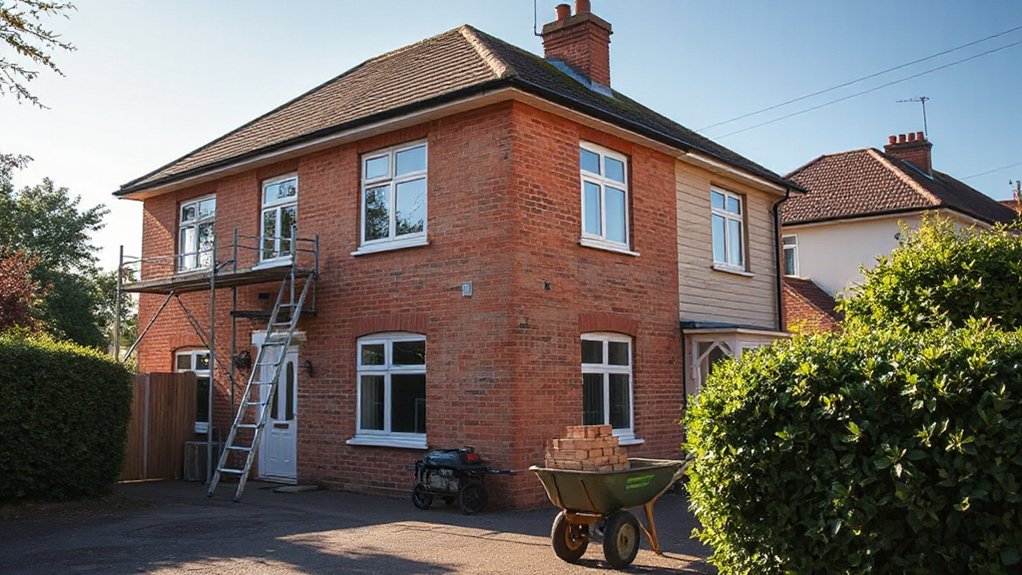
In Surrey, real-world transformations reveal how a 1930s semi-detached home can evolve without compromising its character, with practical updates that balance efficiency, structure, and daylighting. You examine real case snapshots to distill proven approaches: precise structural reinforcement, strategic expansion, and daylighting enhancements that respect proportion and rhythm. You’ll note how compact footprints gain space via mezzanines, light tubes, and slender dormers, maintaining external modesty while improving interior circulation. Hydronic heating, high‑performance glazing, and airtight envelope upgrades deliver comfort without excess energy use. Garden landscaping choices frame sightlines and soften massing, while interior color schemes reinforce tonal continuity between rooms. Each example emphasizes measurable outcomes: reduced energy demand, enhanced daylight, and lasting cosmetic resilience suitable for later updates.
Maintenance Mindset: Preserving Charm After the Refresh
Maintaining the gains from a refreshed 1930s semi-detached home means building a durable routine that protects performance, tactile charm, and daylighted calm. You’ll preserve the refresh by disciplined, data-driven maintenance that respects both exterior and interior systems. Focused checks prevent creep and decay, while incremental upgrades sustain quality over time.
- Schedule seasonal garden landscaping reviews to maintain curb appeal without overhauls.
- Align interior decor with durable finishes that resist wear while preserving character.
- Track ventilation and daylighting performance to sustain brightness and energy efficiency.
- Establish quick-response repairs for drafts, leaks, or aging joinery before they escalate.
Frequently Asked Questions
Can I Convert Period Spaces Without Harming Character?
Yes, you can convert period spaces if you plan carefully; guarantee reversible changes, document historic preservation and modern integration impacts, and minimize alterations to character-defining features while maintaining structure, material authenticity, and repairability for long-term sustainability and compliance.
What Grants or Rebates Apply to Surrey Renovations?
Grants and rebates vary by program, but you’ll likely access energy efficiency incentives and Surrey retrofit schemes. You’ll want guidance on eligibility, avoiding overlaps, and leveraging modern technology to maximize savings while meeting regulatory requirements for energy efficiency.
How Long Will Typical Updates Take on a 1930S Home?
Typical updates span several weeks to a few months, depending on scope and inspections. You’ll balance Historical preservation with Modern integration, coordinating approvals, utilities, and finishes to minimize disruption while preserving the home’s character and functionality.
Are There Hidden Costs Beyond Initial Estimates?
Costs can overrun, yes, and you’ll face unexpected expenses you didn’t anticipate. Like a ship’s hidden reef, cost overruns threaten your budget, so you prepare contingencies, monitor invoices, and document every variation to minimize surprises.
Can I Remove Original Features Later if Needed?
Yes, you can remove original features later, but plan carefully. With vintage fixtures and architectural preservation in mind, document your setup, consult specialists, and retain reversible options to minimize damage during upgrades.
Conclusion
You’ll finish this with the poise of a trained surveyor and the stubborn charm of a 1930s hinge. In short: modern comfort doesn’t demand erasing history; it demands disciplined trade-offs, precise detailing, and systems calibrated to a shell that once rattled with coal. Skeptics wander, but you’ll prove that heritage and efficiency can co-exist—just not without careful planning, trusted trades, and a budget that treats every draft as data, not drama. Satire aside, execution wins.
About the Author