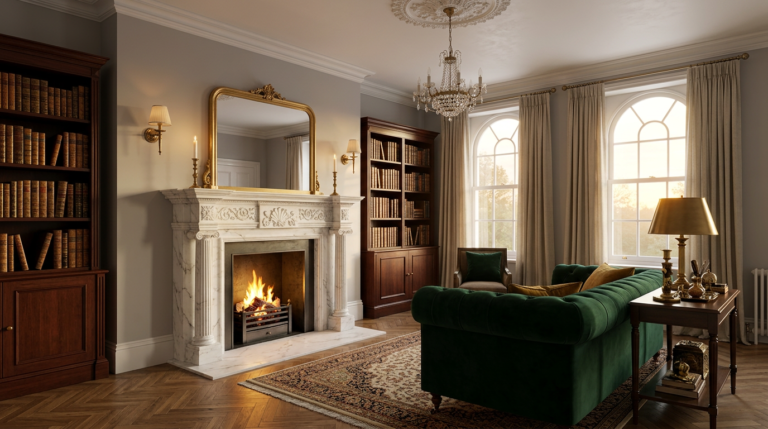
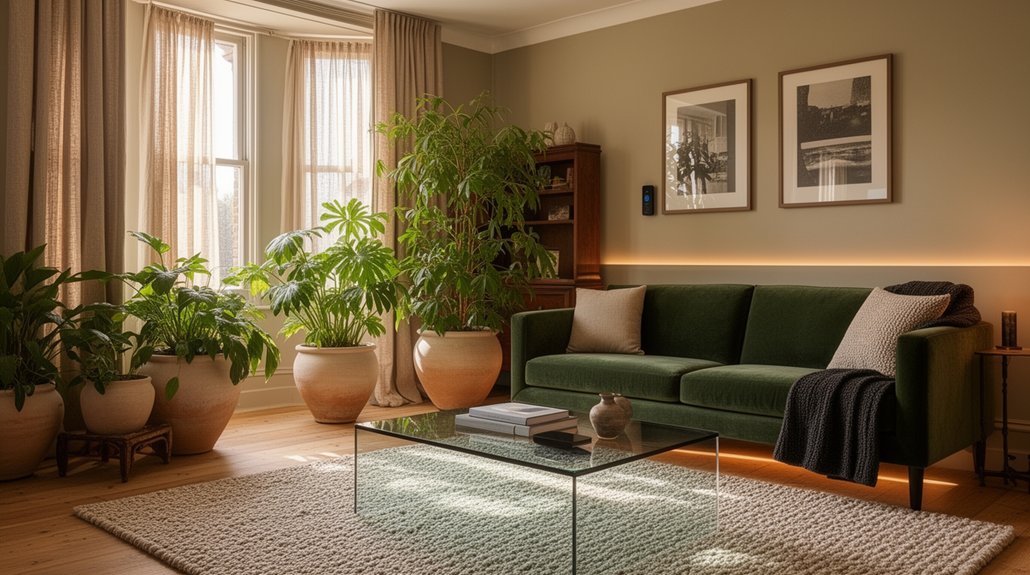
You’ll see UK interiors in 2025 prioritizing efficiency without sacrificing cultural identity, using locally sourced materials to cut embodied carbon and support regional craft. Expect modular layouts, airtight envelopes, durable finishes, and daylight-driven lighting with adaptable controls. Embrace warm textures—wool blends, bouclé, linen—paired with muted neutrals and nature-inspired greens and stone grays. Flexible modules and movable screens enable work, rest, and play in one space, while timeless sustainability and provenance-minded craftsmanship anchor the design—and more insights await.
Key Takeaways
- Efficiency plus cultural identity: modular, airtight interiors with durable finishes and daylight-aware lighting for UK homes in 2025.
- Local materials and craft: low-embodied energy, provenance, and textures that reflect regional character and longevity.
- Tactile neutrals with warm accents: muted greens, stone grays, terracotta, and rich textures like wool, bouclé, and linen.
- Flexible, multi-functional spaces: modular furniture, movable partitions, and adaptable layouts for work, rest, and play.
- Sustainable, timeless design: repairable materials, cradle-to-cradle thinking, and repeatable modules for easy updates.
Why UK Interiors Look Different in 2025

UK interiors are changing in 2025 due to evolving climate priorities, supply chain shifts, and a renewed emphasis on functional comfort. You’ll notice design decisions reflect Cultural influences and an architectural evolution that prioritizes efficiency without sacrificing identity. Materials lean toward locally sourced options, reducing embodied carbon while supporting regional craft. You respond to climate needs with modular spaces, airtight envelopes, and durable finishes that endure seasonal shifts. Lighting strategies emphasize daylight integration, with controls that adapt to occupancy and intent. Color palettes favor muted neutrals complemented by expressive textures drawn from regional aesthetics, reinforcing a sense of place. Furniture forms pursue ergonomic stability, stacking versatility, and simple assembly. Across sectors, standardized components streamline procurement, enabling rapid adaptation without compromising stylistic coherence.
Warm Textures for Everyday Luxury in UK Homes
Warm textures anchor everyday luxury in UK homes by pairing tactile warmth with practical durability. You’ll leverage cozy textiles and plush finishes to elevate spaces without compromising function. Precision in material selection *guarantees* performance aligns with aesthetics.
- Choose wool blends and bouclé for upholstery to resist wear while preserving softness.
- Layer textiles with cotton velour throws and faux fur accents for seasonal versatility.
- Pair dense weaves with low-pile, high-drape rugs to balance warmth and room scale.
These choices deliver tactile richness that reads as premium without excessive expense. Maintain color rhythm through neutral bases accented by warm hues to sustain cohesion. Focus on seam construction, stain resistance, and cleaning protocols to sustain longevity. In execution, prioritize comfort metrics alongside durability benchmarks to achieve genuinely upscale environments.
Livable Nature-Inspired Palettes for UK Interiors
Nature-inspired palettes bring calm and livable tactility to UK interiors, balancing organic hues with practical adaptability for daily living. You’ll harness Nature inspired palettes to anchor rooms with muted greens, stone grays, and hushed blues, then layer with warm timbers and tactile fabrics to preserve warmth. Focus on livable color schemes that tolerate wear, sun exposure, and seasonal shifts without saturating spaces. Use cool-gray bases as neutral backdrops, accented by plant-derived greens and earthy terracotta notes for depth. Introduce textures—linen, wool, and brushed wood—to reinforce tactility while maintaining restraint. Consider tonal variations within a single palette to preserve cohesion across living, dining, and circulation zones. This approach delivers timeless, adaptable interiors aligned with contemporary UK lifestyles and sustainable design principles.
Flexible Spaces: Designing One Home for Work, Rest, and Play

Are you designing a single home that flexes between work, rest, and play without sacrificing cohesion? You can implement flexible layouts that adapt to daily needs while preserving visual harmony. Use multi functional furniture to transform spaces without adding clutter, and deploy adaptable room layouts that reconfigure in minutes. Key tactics include zoning with movable partitions, integrated storage, and concealed power/data drops to support at-home work. Consider acoustics and lighting that suit different modes, plus scalable surfaces for collaboration or relaxation.
- Use foldaway desks and modular seating
- Employ sliding panels and open-closed storage
- Align color and texture to maintain cohesion across modes
Timeless Sustainability: Materials That Last
Timeless sustainability hinges on choosing materials that endure both aesthetics and performance. You select credentials like longevity, low embodied energy, and responsible sourcing to minimize lifecycle impact. Prioritize materials with proven durability, repairability, and non-toxicity, ensuring they resist wear while maintaining visual integrity. Eco friendly innovations guide decisions without compromising function, allowing you to balance cost, availability, and performance. Emphasize cradle-to-cradle principles where feasible, favoring recyclable or reclaimable inputs that reduce waste streams. In practice, you’ll assess finish durability, substrate stability, and maintenance requirements, choosing options that withstand UK climate and daily use. You’ll also document provenance, ensuring supplier transparency and consistent standards. By integrating innovative sustainable materials with sound installation, you deliver spaces that age gracefully while meeting contemporary aesthetics and performance expectations.
Smart Storage Solutions for Small UK Homes
Smart storage solutions are a practical extension of durable materials, allowing UK homes to maximize function without expanding footprint. You’ll optimize space with design-driven efficiency, ensuring every square meter serves a purpose. Consider modular furniture that adapts to changing needs, supporting living, working, and storage in one footprint. Hidden compartments maintain clean lines while concealing clutter, boosting perceived space.
- Choose modular furniture with configurable units to reallocate storage as rooms re Purpose changes.
- Integrate hidden compartments under stairs, seating, and beds to conceal seasonal items.
- Implement built-in cabinetry with toe-kick drawers and wall niches to exploit vertical real estate.
Result: organized interiors that remain calm, functional, and scalable, without requiring extensions or costly renovations.
Where Craft Meets Modern Design in Britain

Where Craft Meets Modern Design in Britain combines traditional craft techniques with contemporary vernacular to deliver furniture and spaces that endure. You align workshop-made elements with streamlined forms, ensuring durability without sacrificing usability. Artisan craftsmanship informs joinery, finishing, and patina, while scale and proportion respect modern interiors and limited rooms. You emphasize material honesty—wood grain, metal chatter, stone texture—so surfaces age gracefully and acquire character. Modern heritage appears in restrained silhouettes, honest hardware, and subtle detailing that signals provenance. You integrate local skills with contemporary production methods, reducing waste and improving consistency. You balance bespoke individuality with scalable systems, enabling adaptable layouts for evolving needs. You communicate criteria: longevity, tactile richness, and calm resonance, so spaces feel refined yet approachable across generations.
Bold Accents That Endure: Color and Texture Anchors
Bold color foundations pair with tactile texture anchors to create lasting room rhythm. You’ll see how saturated hues ground schemes while varied surfaces add depth and nuance, ensuring durability beyond trends. Use this contrast to guide material choices and color decisions that remain timeless across UK homes.
Bold Color Foundations
A strong color foundation sets the stage for enduring interiors by grounding larger decisions with stable, layered tones. You’ll harness color psychology to drive mood, choosing hues that align with room function and daily rhythms, ensuring practical emotional impact. Begin with a restrained base, then reinforce with purposeful accents that endure beyond trends.
- Establish a calibrated palette of 2–4 core tones to anchor furniture and walls, ensuring coherence across spaces.
- Introduce complementary secondary hues in textiles and accessories to modulate temperature and depth without overpowering.
- Test lighting compatibility, confirming how natural and artificial light shift color perception at different times.
This approach yields durable, scalable interiors where bold foundations support evolving schemes without saturation.
Tactile Texture Anchors
Tactile texture anchors bring physical depth to your color-and-material plan, anchoring bold accents in a way that remains practical and enduring. You establish a framework where textural contrast guides material selection, ensuring surfaces read as intentional rather than decorative. Prioritize tactile finishes that reward touch and light—think matteCeramics, brushed metals, and stone with subtle grain—so texture becomes a lasting signature, not a trend. Pair high-contrast textures with restrained palettes to avoid visual noise, enabling color anchors to breathe. Implement in high-use zones with durable, cleanable options, then recur softness in upholstery and window treatments to balance weight. This approach sustains coherence across rooms, supports function, and reinforces a sophisticated, timeless interior language.
A Simple Personalization Framework for 2025 Home Makeovers
To create a practical personalization framework for 2025 home makeovers, you should start by mapping occupant needs to design outcomes, then translate those needs into modular design modules and adaptable materials. You establish a repeatable process that yields measurable outcomes, enabling scalable aesthetic customization and evidence-based Personalization strategies. The framework centers on configurable components, rapid prototyping, and data-informed refinements to guarantee space efficiency and user satisfaction. Use three core steps to structure implementation:
- Assess use-cases and preferences to define design objectives.
- Create modular modules paired with adaptable materials for swift reconfiguration.
- Validate outcomes with occupant feedback and performance metrics.
This approach delivers targeted personalization, minimizes waste, and aligns with contemporary UK home contexts.
Frequently Asked Questions
How Will Brexit Affect UK Interior Supply Chains in 2025?
Brexit will likely cause supply chain disruptions and new import tariffs in 2025, affecting UK interior sourcing. You’ll experience longer lead times, higher costs, and more regulatory checks, requiring you to diversify suppliers and adjust inventory buffers accordingly.
Which UK Regions Influence Design Trends Most in 2025?
Regional influences shape design trends most in 2025 through you, highlighting Cultural aesthetics driving palettes, materials, and forms. You’ll notice Northern, Midlands, and Southern hubs steering regional accents, with collaborations, workshops, and data-driven feedback refining coherent, market-ready concepts.
How Can Budgets Stretch Across Multiple Rooms Efficiently?
You should maximize efficiency by budget planning, prioritizing high-impact, multi room design elements first. Allocate funds across zones, use cohesive palettes, and reuse finishes. Track costs in real time, adjust scopes, and implement scalable solutions for future rooms.
What Voc-Free Finishes Dominate Eco-Conscious UK Homes?
“Less is more,” you know, and VOC-free finishes dominate eco-conscious UK homes, pairing with eco-friendly materials to guarantee indoor air quality. You specify low-emission sealants and formaldehyde-free woods, driving compliance, durability, and safer, healthier environments.
Which Tech Integrations Most Improve Everyday UK Living?
Smart lighting and voice control most improve everyday UK living, delivering seamless automation and hands-free interactions. You’ll conserve energy, tailor scenes instantly, and enjoy reliable control across rooms, with robust compatibility and clear privacy safeguards for sustained daily use.
Conclusion
You’ll navigate 2025 UK interiors with confidence, applying warm textures, nature-inspired palettes, and flexible layouts to create livable luxury. Prioritize timeless materials and smart storage, so spaces endure changes in work, rest, and play. Craft meets modern design through thoughtful detailing and sustainable choices, ensuring longevity. Anchor schemes with bold yet restrained accents, then personalize with subtle touches that reflect you. In short, design that’s resilient, adaptable, and unmistakably British—tailored to be lived in, not just admired. You’ve got this.
About the Author