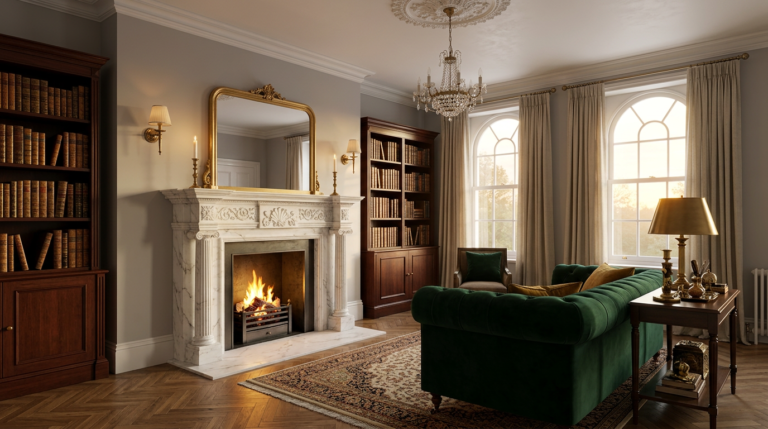
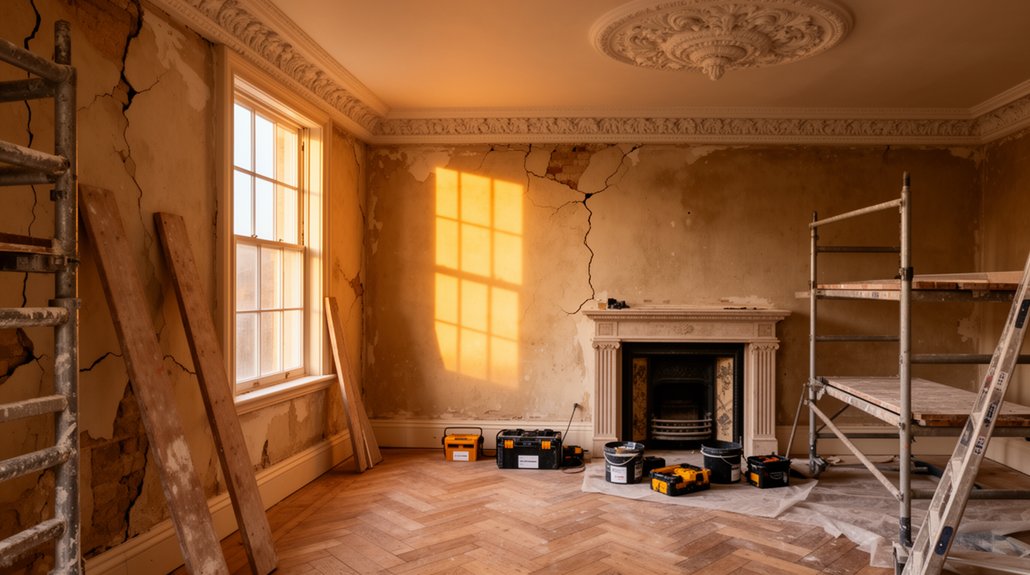
To refurbish a listed Georgian apartment, start by securing permissions and assembling a skilled team, then plan a phased project that protects original fabric and preserves Georgian proportions. Assess structural stability, plaster, sash windows, and floorboards, prioritizing non-destructive inspections and traditional repair methods. Source period-appropriate, durable materials, document decision rationales, and use breathable lime plaster and compatible finishes. Maintain simple, elegant proportions, with restrained color and careful circulation. If you keep reading, you’ll uncover practical steps for authentic detailing and lasting results.
Key Takeaways
- Plan with clear permissions, scope, milestones, and stakeholder updates to prevent scope creep and ensure compliant approvals.
- Prioritize non-destructive assessments of historic fabric, documenting profiles, motifs, and service routes before intervention.
- Use traditional, lime-based materials and breathable finishes, matching period texture and sheen for plaster, mortars, and repairs.
- Preserve original timber elements (sash windows, floors, doors) with careful repairs, minimal intervention, and appropriate secondary glazing when needed.
- Balance authenticity with durability by cataloging decisions, warranties, and maintenance plans for long-term preservation.
Framing Georgian Listing Refurbishment: Permissions, Roles, and Timeline

When refurbishing a listed Georgian apartment, start by clarifying permissions, roles, and a realistic timeline. You map responsible parties, from the client and project manager to conservation officers and your chosen specialists. Define permitted scopes, consent conditions, and anticipated review points to prevent scope creep. Establish a decision protocol for handling alterations that affect Historical significance or architectural integrity, ensuring decisions align with statutory guidance and building regulations. Create a clear project schedule with milestones, inspection windows, and buffer periods for approvals. Document all workarounds, substitutions, and design rationales for records and future maintenance. Maintain concise communication channels, updating stakeholders after each milestone. This framing guards quality, sustains authenticity, and protects the Georgian character while guiding compatible, compliant refurbishments.
Identify Essential Repairs for a Listed Georgian Home
Identifying essential repairs for a listed Georgian home starts with a disciplined assessment of structural integrity, fabric, and services that impact its significance. You’ll pinpoint defects that threaten stability or provenance, then prioritize interventions that protect character while enabling daily use. Focus on revealing, non-destructive inspections; document elevations, cornices, sash windows, and plaster work; and record service routes for plumbing, electrical, and heating without compromising finishes. Proceed with methodical testing of joists, damp, and mortar to judge retrofit necessity. Implement repairs that support modern use without eroding period traits. Use a phased plan, sequencing fixes to limit disruption and preserve value. 1) Structure and fabric 2) Damp and moisture control 3) Services and access. Modern amenities, contemporary design.
Assess, Budget, and Source Period-Appropriate Materials
Evaluating your Georgian apartment’s needs, budgeting, and sourcing period-appropriate materials requires a practical, disciplined approach. You assess condition, scope, and constraints before shopping, mapping costs against the project timeline. Prioritize authentic elements that support listing compliance, then identify compatible modern interior trends that won’t overpower period features. When budgeting, itemize materials, labor, contingencies, and permit fees, and create a phased plan to avoid cash flow gaps. Source responsibly by vetting suppliers with proven provenance, durable finishes, and restoration certifications. Demand period-appropriate options that align with your design brief, balancing authenticity with durability. For design integration, emphasize Contemporary design integration and selective modern touches that respect the architectural era. Maintain accurate records for approvals, warranties, and future maintenance, minimizing revisions and cost overruns.
Evaluate Original Fabric: Plaster, Sash Windows, and Floorboards

Original fabric matters most for authenticity and longevity: assess plaster, sash windows, and floorboards for condition, historic value, and repairability before planning any intervention. You’ll evaluate each element for soundness, repairs needed, and reuse potential, balancing historic integrity with modern use.
- Plaster: identify cracks, lath damage, and moisture issues; prioritize lime plaster repairs to preserve breathability and patina.
- Sash windows: inspect glazing, sashes, and cords; repair rather than replace to maintain original character and energy performance.
- Floorboards: check for movement, rot, and nail fixings; repair or carefully refinish to retain grain and era-specific tone.
Incorporate modern interior design pragmatically, and plan for smart home technology where discreet integration preserves heritage and comfort.
Plan Layout Changes With Georgian Proportions in Mind
You’ll start by planning rooms with proportionate scale, ensuring each space relates to Georgian norms of height, width, and balance. Align door openings and circulation so movement follows a measured, panelled rhythm rather than random gaps. Keep the layout focused on proportional planning, matching room sizes, door positions, and flow to Georgian expectations.
Proportional Room Planning
When planning layout changes, align room proportions with Georgian principles to preserve harmony and balance. You’ll prioritize clear axes, modestly scaled openings, and proportional relationships between length, width, and height to maintain elegance without overcrowding. Use these guiding rules:
- Color palettes: choose restrained, tonal schemes that amplify natural light and emphasize proportion over ornament.
- Furniture placement: anchor rooms with a central focal piece, leaving generous circulation space and aligning furniture to doorways.
- Proportional grids: apply a logical grid (e.g., 2:3 or 3:5) to seating, cabinetry, and rug sizes, ensuring consistent rhythm.
Maintain a crisp, uncluttered aesthetic, letting architectural details speak through measured proportions rather than excess.
Align Door Openings
Opening door openings with Georgian proportion means aligning them to the structural rhythm of the plan: doors should sit at clear axes, with widths and spacings that read as deliberate intervals rather than arbitrary cuts. For door alignment, study existing structural walls and identify load paths before proposing opening modifications. Preserve proportional relationships between primary rooms; avoid random placements that disrupt flow. When you adjust openings, keep consistent reveal lines, hinge side margins, and architrave thickness to reinforce cohesion. Favor traditional proportions—often a 2:3 or 1:2 ratio between adjacent openings—so circulation maintains dignity and legibility. Document changes, verify the sightlines from key thresholds, and guarantee floor-level transitions stay level. This disciplined approach protects historic character while delivering functional, legible access.
Proportionate Circulation Spacing
Align circulation spaces to the established geometric rhythm of the plan. Proportionate circulation spacing guarantees flow without sacrificing Georgian balance. You’ll respect corridor widths, sightlines, and door relationships to maintain legibility and comfort, while integrating modern design cues subtly. Optimize movement by aligning rooms to a consistent grid, creating intuitive paths that read as a single, cohesive sequence.
- Establish clear thresholds and sightlines that mirror historic proportions while allowing contemporary use.
- Space doors and corridors to preserve symmetry, enabling flexible furniture layouts and improved energy efficiency.
- Prioritize daylighting and ventilation through thoughtful planning, reducing artificial lighting and heating loads.
This approach preserves architectural integrity, enhances usability, and delivers efficient, timeless design.
Preserve and Restore Decorative Plasterwork and Ceilings
Preserving plaster details and ceiling ornament requires careful assessment of stability, materials, and historic significance. You’ll prioritize authentic restoration techniques and skilled plaster methods to maintain architectural integrity. Begin by documenting existing patterns, sourcing compatible materials, and engaging specialists for delicate repairs.
Preserving Plaster Details
When preserving decorative plasterwork and ceilings, assess the extent of damage and identify original materials and techniques to guide authentic restoration. You’ll prioritize matching lime plaster, hair lime mixes, and traditional finishes, avoiding modern substitutes that compromise character. Use conservative methods to stabilize fragile plaster and prevent further loss.
- Document existing profiles and mouldings, then reproduce them with compatible mortars.
- Clean surfaces with gentle, non-abrasive techniques to reveal original details without abrasion.
- Reattach loose fragments using traditional lime-based adhesives and breathable backing.
In practice, integrate Modern interior design and contemporary lighting selectively, so illumination respects scale while enhancing plaster detail. Maintain crisp edges and shadows that define ornament, ensuring repairs are indistinguishable from the original craftsmanship.
Ceiling Ornament Restoration
If you want to restore ceiling ornament effectively, start by diagnosing the remaining plaster’s condition and identifying original materials and techniques. In practice, assess structural stability, surface cracks, and any moisture damage that could compromise decorative cornices. Document profiles and motifs before intervention, so you preserve authenticity. Use compatible lime plaster or gauged mixes, matching texture and sheen to the period. Clean gently with a soft brush; avoid harsh chemicals that can erode historic finishes. When repairs are needed, apply lightweight, breathable patches, then re-create missing motifs with calibrated molds or skilled hand-sculpting, ensuring seamless integration. Repaint using linseed oil–based oils or lime washes to maintain breathability. Throughout, prioritize preservation over replacement, and treat ceiling ornament with care to sustain its historic character.
Skilled Plaster Techniques
With a solid assessment of the plaster’s condition established, you’ll apply skilled techniques that keep decorative plasterwork authentic while ensuring long-term stability. You’ll repair damage with lime-based mortars, consolidate loose areas, and re-create mouldings using traditional tooling, ensuring the finish remains faithful to the Georgian lineage. Then, you’ll integrate subtle modern practices without compromising historic integrity, balancing durability with appearance.
1) Assess cracks and detachments, then inject lime-based fillers to preserve breathability.
2) Stabilize delicate plaster using appropriate consolidation methods, avoiding over-rigidity.
3) Complete with careful replication of profiles, followed by finishes that honor era character.
In practice, employ Modern paint techniques and Contemporary plaster finishes to harmonize restoration with contemporary living requirements and long-term resilience.
Restore Sash Windows and Add Draught-Proofing

A restored sash window not only restores period character but also improves performance when properly draught-proofed. You should assess frame integrity, ensuring sashes move freely without binding. Prioritize draught-proofing with precision: weather-strips, parting beads, and slim liners that fit shallow rebates without enlarging the reveal. Use high-quality, breathable seals to prevent humidity buildup. Re-glazing with single-glazed or secondary glazing can block leaks while preserving historic appearance. When refurbishing, avoid over-replacement; preserve original sash cords and weights where feasible, replacing only worn components. Modern insulation should be considered within permitted methods, balancing aesthetics with performance. The result is enhanced energy efficiency, reduced heat loss, and improved comfort. Document upgrades for listed-status compliance, and maintain simplicity to honour the building’s character.
Restore Original Floors and Traditional Repair Methods
Original floors set the tone and value of a Georgian apartment, so restoration should be precise and restrained. You’ll prioritize authentic timber, careful repair, and minimal intervention, preserving character while addressing structural issues. Ground yourself in flooring history to guide decisions, avoiding modern shortcuts that clash with period craft. Use traditional techniques to stabilize, repair, and renew, rather than replace.
- Assess and document existing boards before any work, noting species, seasoning, and original fixings.
- Apply time‑honored repair methods—careful patching, feathered joins, and matching finishes—to maintain continuity.
- Choose non‑invasive fixes for movement or gaps, ensuring flat, stable surfaces that respect the room’s rhythm.
This approach keeps the floor honest, durable, and true to its Georgian heritage.
Choose Period-Appropriate Finishes and Materials
Finishes and materials should honor the Georgian palette and legacy. You’ll choose finishes that respect proportion, surface texture, and historic sensibilities, avoiding overly modern sheen or incongruent contrasts. Begin with a controlled palette: warm limewash or lime-based paints, breathable wallpapers, and period-appropriate textiles that echo 18th‑century restraint. Prioritize materials that age gracefully and retain character, such as lime plaster, plasterwork, and carefully selected wood finishes. Integrate historical paint analysis to confirm suitable colors and sheen levels, and to guide any necessary repaint decisions. For lighting, pursue period appropriate lighting that complements the finishes without overpowering architectural detail. Guarantee joints, finishes, and surfaces allow vapor movement and maintain room temperature balance, preserving the building’s long-term stability and authentic mood.
Work With Skilled Trades for Authentic Detailing
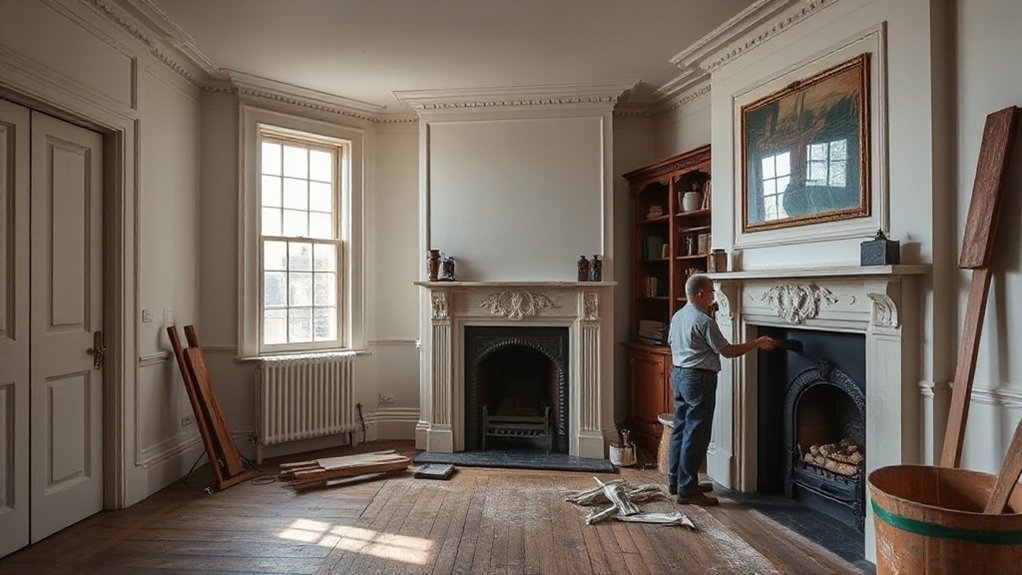
To achieve authentic detailing, collaborate with tradespeople who specialize in historic interiors and understand Georgian craft. You’ll gain precision, avoid modern missteps, and preserve character while integrating today’s needs.
- Vet specialists with proven Georgian experience, portfolio relevance, and strong references.
- Request careful material sourcing, matching period textures yet guarantee durable, safe finishes for modern amenities.
- Establish clear scopes, timelines, and snagging procedures to protect delicate plasterwork, joinery, and cornices.
Engage collectively to assure joints, profiles, and mouldings align with contemporary design without compromising authenticity. Maintain a strict on-site protocol that respects weight limits, fire safety, and ventilation. Insist on careful, planned replacement where necessary, avoiding hacks. Your collaboration should balance reverence for tradition with practical performance, delivering a timeless result that satisfies modern living while honoring Georgian detailing.
Coordinate Approvals, Contractors, and a Long-Term Care Plan
Coordinate approvals, hire the right contractors, and set a long-term care plan to keep the Georgian detailing intact while meeting modern needs. You map approvals early, prioritizing conservation guidance, permitted alterations, and listed building notices to avoid delays. Then you select specialists with proven Georgian experience, clear timetables, and robust risk management, ensuring minimal disruption to historic spaces. Communicate expectations about historic lighting and other period features, so replacements match scale, finish, and patina. For contractors, demand method statements, protection of surrounding fabric, and strict clean-up routines. Your long-term plan covers maintenance, monitoring, and a budget for ongoing care, including environmental controls and professional surveys. Balance historic lighting with ergonomic wiring and modern amenities, preserving value while delivering safe, livable comfort in a listed Georgian apartment.
Frequently Asked Questions
What Are Hidden Costs Not Covered in Standard Quotes?
Hidden costs often miss in quotes include permit requirements and cost estimation buffers; plan for architect fees, survey updates, scaffolding, delays, and material delivery windows, so you don’t run over budget or derail approvals.
How Long Can a Listed Status Delay Interior Changes?
You can’t rush interior changes on a listed status; delays vary by project and authority. Historic regulations and preservation guidelines dictate review times, potential approvals, and conditions, so you should factor extended timelines into planning and budgeting from the outset.
Can I Use Modern Materials on Restoration Projects?
Yes, you can, but proceed wisely. You’ll blend modern techniques with sensitivity to the building, using sustainable materials that respect historic fabric, ensuring compliance, durability, and longevity while you interview the space’s memory in every restored detail.
What Grants or Funding Are Available for Listed Buildings?
You can access grants for listed buildings through Historic England and local authorities, focusing on conservation guidelines. You’ll need detailed proposals, evidence of _need_, and compliance with preservation standards to maximize historic preservation funding opportunities.
How to Handle Neighbor Objections to Renovations?
First, engage neighbor communication promptly, listen actively, and document concerns. You resolve objections by offering clear, feasible compromises, providing timelines, and showing compliance with planning conditions. You’ll demonstrate transparency, collaboration, and respect, enabling smoother objection resolution and project progress.
Conclusion
You’ll make a Georgian miracle happen, stitching time back into every brick and beam. With permissions secured, trades chosen for flawless period craft, and materials sourced to whisper rather than shout, your listed flat will glow with authentic dignity. Every plaster bloom, sash glide, and floorboard sigh will prove you’ve mastered proportion, patience, and taste. This refurbishment isn’t just renovation—it’s a time machine that respects the past while standing resolute in the present. Elegant, precise, unstoppable.
About the Author