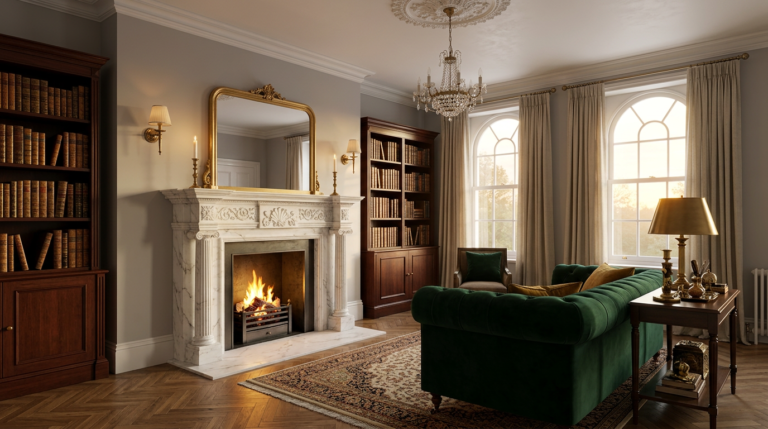

To maximize décor and air quality, choose indoor plants that fuse visual impact with purification, prioritizing compact, scalable species with strong chlorophyll and varied leaf textures. Assess light levels, then place high-impact plants near doors, vents, and seating to create clean-air corridors. Group by similar light needs, layer textures, and use tall, columnar forms with trailing accents to establish depth. Regularly rotate, prune, and refresh via budget-friendly swaps. If you stick with these steps, you’ll reveal deeper styling and cleaner air soon.
Key Takeaways
- Choose visually striking, air-purifying species with compact, scalable forms that integrate into cohesive, layered indoor compositions.
- Match leaf color and texture to room tones and furniture finishes for cohesive design and enhanced light reflection.
- Group plants by light needs, place high-impact specimens near seating and entryways, and use vertical layering to optimize airflow.
- Use a mix of textures (glossy, matte, fuzzy) and varied heights to create visual rhythm and depth in arrangements.
- Tailor care to each species with soil moisture cues, appropriate light, and regular monitoring to maintain health and air quality.
Choose Indoor Plants That Brighten Rooms and Purify Air

Choosing indoor plants that brighten rooms and purify air starts with selecting species known for both aesthetics and air-cleaning performance. You assess leaf shape, color, and form to maximize light reflection and visual hierarchy within a space, while prioritizing proven air-quality benefits.
In your indoor gardening plan, favor compact, scalable varieties with strong chlorophyll activity and low maintenance demands, ensuring sustained performance without clutter. Consider plant symbolism to align with room function—calm blues for bedrooms, vibrant greens for studios—without compromising clarity of design.
You’ll integrate these selections into a cohesive composition, balancing texture, height, and negative space. Prioritize breathable pots and minimal irrigation to reduce risks of overwatering.
This approach keeps aesthetics precise, functional, and purpose-driven for refined interiors.
Read Light and Space to Pick the Right Plant
You’ll start by evaluating light levels and how they shift through the day. Then choose plants whose growth patterns align with those patterns.
Space fundamentals guide you to match pot size, canopy reach, and placement with your room’s verticals and traffic flow.
With this lens, you’ll select species that thrive in your actual light and available space, not just in idealized specs.
Read Light Wisely
How much light does your space truly offer, and how does that shape the plant you choose? You assess intensity, duration, and quality to guide selection, then align each specimen with its light needs.
For bright, direct sun, pick species with robust light tolerance and steady growth, and position near windows to maximize photosynthesis without scorching leaves.
In moderate light, favor plants that maintain color and structure with minimal fuss, rotating regularly to equalize exposure.
Low light requires efficiency: species with high light adaptation store energy and keep foliage compact.
Always monitor leaf color, edge browning, and overall vigor as signals of plant health.
Space Fundamentals
Your space tells the story before you even place a plant. Space fundamentals sit at the intersection of light, scale, and flow. You assess room brightness, furniture gaps, and ceiling height to determine plant size and placement.
Choose specimens that fit your vertical and horizontal planes, avoiding crowded corners that trap moisture or invite pests. Consider sun bands, draft exposure, and reflective surfaces to predict light consistency across seasons.
Use a simple grid: focal plant, supporting drapes, and quiet background greenery. Plan for maintenance, accessibility, and watering paths to reduce risk of overwatering.
Incorporate plant propagation into your design logic for future edits, and implement pest prevention measures early—inspect, quarantine, and clean leaves regularly to keep the display pristine and healthy.
Low-Light Plants That Still Purify and Style
Low-light doesn’t mean low impact: these plants purify air while delivering refined texture and structure to dim corners. You’ll find forms that remain legible in shade, yet elevate silhouette, color nuance, and tactile surface.
Each choice prioritizes low maintenance, pest resistance, and true design value, so you can place them with confidence in corners, shelves, or between furnishings.
Be mindful of toxic plants in households with pets; select non-toxic options when needed. You’ll also benefit from routine, minimal care routines that curb common issues before they start, supporting pest prevention through robust, healthy growth.
- Snake plant (Sansevieria)
- ZZ plant (Zamioculcas zamiifolia)
- Pothos (Epipremnum aureum)
- Philodendron varieties
- Peace lily (Spathiphyllum)
Medium-Light Plants for Living Rooms and Offices
Medium-light plants strike the right balance for living rooms and offices, where brighter corners meet shadowed alcoves. You’ll select species that tolerate partial sun while thriving with stable indoor light, optimizing both form and function.
Focus on architecture-first foliage, compact profiles, and clean lines that complement desks, seating, and shelving. Air purifying plants in this category often exhibit versatile leaf color and texture, creating a refined visual rhythm without overpowering a space.
Assess light requirements precisely: place them near east or west windows or under skylights, and monitor intensity with a passive light meter if available.
Prioritize containers and staking that emphasize sculptural presence, while ensuring drainage and airflow. This approach delivers healthy growth and a cohesive, intentional interior.
Statement Plants That Become Living Décor Focal Points

Statement plants act as living décor focal points, drawing the eye with form and scale. You’ll optimize placement to balance silhouette, texture, and light, ensuring the plant earns attention without overpowering the space.
These high-impact specimens combine durability with design clarity, proving living elements can define room character.
Statement Plants as Focal Points
Ever wondered how a single plant can anchor a room’s design? You select statement plants that command attention through scale, form, and contrast, turning them into living décor focal points. Positioned at entryways, behind seating, or beside entertainment centers, these picks guide the eye and define the space’s rhythm.
You’ll pair bold foliage with clean silhouettes and make sure the pot and stand echo the room’s materials, creating cohesive Indoor aesthetics. Use dramatic forms—towering trunks, sculptural leaves—and swap textures to keep the composition dynamic.
Monitor lighting to preserve color and silhouette, and prune to sustain a purposeful silhouette. Choose plant varieties with strong character to maintain clarity and impact as design anchors.
- Dramatic architectural forms
- Tall, unbranched trunks
- Sculptural leaf textures
- High-contrast foliage colors
- Purposeful container silhouettes
Living Décor That Thrives
Smart execution of statement plants turns them into living décor by marrying form with function. You curate bold silhouettes and scale to create focal points that feel intentional, not accidental. Think architectural forms: sculptural leaves, upright canopies, and cascading textures that read as art installations.
In urban spaces, select specimens that punch above their size—plants whose growth habits resemble infinite canvases. Pair them with clean planters, negative space, and lighting that accents their architecture rather than competes with it.
This approach elevates interiors into dynamic galleries where greenery behaves as a design element and air-quality ally. Lens your choices toward urban jungles and botanical art-inspired combinations, ensuring cohesion with materials, color palettes, and furniture lines for a refined, lasting impact.
Indoor Plants With Impact
When you want a room to read as intentional architecture, choose statement plants that anchor the space with bold silhouette and scalable drama. These living focal points are more than greenery; they define rhythm, scale, and mood, elevating design prose to tangible form. With careful placement, a single specimen can act as sculpture, directing traffic and framing vistas.
Consider how plant symbolism conveys intention—upright forms signal strength, arching leaves imply softness, variegation delivers cadence. Historically rooted uses echo in modern interiors, connecting today’s spaces to timeless craft.
Optimize contrast against textures and lighting to guarantee dramatic impact remains clear, refined, and durable.
- Sculptural giants set architectural tone
- Monolithic forms and clean lines command attention
- Variegation adds focal rhythm and depth
- Large-leaf panels soften raw edges
- Historical uses inform contemporary symbolism
Plants That Boost Humidity and Remove Toxins Fast
To quickly improve indoor air quality, choose plants that both raise humidity and actively remove toxins. You’ll prioritize compact, high-efficiency specimens with proven stomatal activity and broad leaf surfaces.
Consider humidifiers integration as a complementary system, not a replacement for plant function, ensuring steady moisture without overwatering. Species with rapid transpiration and strong surface-area-to-volume ratios deliver faster humidity bumps and toxin reduction.
Snake plants and peace lilies demonstrate toxin reducing varieties, while widow’s tears and areca palms contribute lush textures and steady humidity.
Select varieties with predictable growth and minimal fuss, favoring centralized placement to maximize air processing. Pair with consistent care routines: moderate light, even watering, and routine leaf cleaning to sustain performance and visual appeal.
Pair Plants With Room Color and Furniture for Cohesion
Pairing plants with room color and furniture elevates both mood and cohesion, building on the idea that plants aren’t just decor but design markers. You harness contrast, texture, and scale to create deliberate focal points that read as intentional interiors, not random greenery.
Thoughtful plant pairing achieves room harmony by aligning leaf color with wall tones, furniture finishes, and architectural details. Use simple lines for minimalist spaces and lush foliage for layered, tactile rooms. Maintain balance so greenery supports rather than overwhelms.
- Align leaf tones with wall hues for subtle cohesion
- Match plant vessel materials to furniture finishes
- Use height variation to carve visual rhythm
- Pair sculptural plants with architectural features
- Consider seasonal foliage to refresh room harmony
Care Cheat Sheet: Watering, Light, and Feeding by Species

Careful, species-specific watering, light, and feeding routines prevent common pitfalls and keep indoor plants thriving. You’ll tailor these basics to each plant’s native habitat and growth stage, then translate them into a practical checklist.
For watering, prioritize root-zone moisture cues over calendar schedules, and adjust frequency by soil composition—lighter mixes drain faster, heavier blends hold moisture longer.
Light targets vary by species: some crave bright, direct exposure; others prefer bright indirect or shaded spots.
Feeding stays lightweight; choose a balanced fertilizer during active growth and pause in dormancy.
Monitor for subtle signals: leaf texture, color, and growth rate indicate needs or excess.
Pest prevention hinges on clean pots, clean tools, and inspecting new acquisitions.
Maintain soil balance and drainage to sustain vigor across species.
Pot and Planter Ideas to Elevate Your Greenery
Elevate your greenery with planters that complement your space while supporting vigorous growth. You’ll seek cohesion between plant form and container silhouette, ensuring drainage and scale match the specimen’s vigor. Prioritize pot styles that echo room aesthetics—minimalist, mid-century, or artisanal—so greenery feels intentional, not incidental.
Planter materials should balance weight, moisture, and durability; ceramic with drainage, concrete for structure, or terracotta for breathability. Consider height variation to create visual rhythm, and liner options to protect interiors without compromising roots.
Choose color palettes that harmonize with furniture and wall tones, then pair textures for depth. Focus on stability, accessibility, and ease of care.
- Pot styles that mirror architectural lines
- Planter materials with built-in drainage
- Matched heights for layered displays
- Light, breathable ceramics or terracotta
- Indoor-friendly finishes and coatings
Placement Strategies for Maximum Air-Cleaning Impact
Strategic plant placement isn’t just aesthetics—it maximizes air purification by aligning each specimen with room airflow and activity zones.
Start with high-impact species near doors, vents, and seating areas where people linger, and place air-flow–optimized groups to create clean-air corridors.
Consider vertical and surface layering to maintain consistent exchange without crowding tight spaces.
Strategic Plant Placement
To maximize air purification, place high-impact plants where airflow is strongest and human activity is highest, so their leaves can intercept pollutants as you go about daily tasks. Strategic placement relies on three metrics: visibility in sightlines, proximity to activity zones, and plant health through robust soil drainage.
Align specimens with warm, ventilated zones to support rapid transpiration and efficient filtration, while keeping pruning tasks manageable and measurable. Pair architectural accents with low glare foliage for design coherence, ensuring each plant has space to grow without crowding.
Maintain accessible lighting for ongoing care, and schedule regular plant pruning to sustain shape and airflow. Soil drainage is essential to prevent root rot and preserve sustained pollutant uptake.
- High-traffic entryway focal point
- Beside workstations and desks
- In bright, indirect corners
- Along open-plan pathways
- Near seating areas for ambient filtration
Air-Flow Optimized Positioning
Air-flow optimized positioning places plants where air moves most and occupants frequent, maximizing pollutant interception without hindering circulation. You should map air paths by noting doorways, vents, and typical seating zones, then align plant placement to intercept drafts rather than block them.
Position leafy specimens near intake corridors to capture volatile compounds before they disperse, while avoiding stagnant corners that trap dust. Use staggered tiers to create layered interception zones, ensuring each plant benefits from adequate light without crowding.
Consider the volume of space and adjust with mobile stands for flexibility. Maintain consistent spacing to preserve air flow and avoid creating eddies. Regularly rotate specimens to balance light exposure, reinforcing air circulation and optimizing plant placement for sustained indoor air quality.
Pet-Friendly Plant Options for Animal-Loving Homes
Curious about what plants fit a pet-loving home? You’ll choose varieties that balance aesthetics with pet safety and minimize Toxicity concerns, ensuring confident placement in living spaces.
In practice, select low-toxicity options and keep curiosity-driven nibbling in check, using thoughtful design to guide placement. Prioritize sturdy stems, compact form, and clear labeling to prevent missteps, while evaluating light, humidity, and growth habit for long-term upkeep.
This approach yields calm, cohesive visuals without compromising safety.
- Spider plant (Chlorophytum comosum) for easy care and kid- and pet-safe status
- Areca palm (Dypsis lutescens) with soft fronds and gentle growth
- Calathea varieties for pattern and color without toxicity risk
- Bird’s-nest fern (Asplenium nidus) compact, fault-tolerant, non-toxic
- Boston fern (Nephrolepis exaltata) lush, resilient, pet-friendly
Pet safety and Toxicity concerns guide placement, ensuring harmony.
Designing a Cohesive Mini-Green Wall or Shelf Garden

To design a cohesive mini-green wall or shelf garden, start by planning plant placement to balance height, color, and growth habit.
Establish a visual rhythm by alternating foliage textures and leaf sizes across modules or shelves.
Layer plant textures—from glossy to matte, fine to bold—to create depth while keeping care needs aligned and accessible.
Plan Plant Placement
Wondering how to arrange a cohesive mini-green wall or shelf garden? You’ll plan placement with purpose, aligning form and function for steady growth. Start by grouping plants with similar light needs, then vary height and texture to create visual rhythm. Anchor focal specimens at eye level, and cascade trailing varieties along edges to soften edges.
Consider plant care and indoor lighting as nonnegotiables: place sun-loving species where they receive bright, consistent light, and tuck shade-tolerant types where light is intermittent. Leave open gaps for air movement, preventing mold and crowding.
Use modular containers to swap plants as seasons shift, maintaining balance while evolving your design.
- Define light zones, matching plants to each.
- Stack verticals by height for depth.
- Layer textures for contrast.
- Reserve space for access and care.
- Use modular shelves for easy rotations.
Choose Visual Rhythm
Visual rhythm is the backbone of a cohesive mini-green wall or shelf garden; it guides the eye smoothly across arrangements by repeating motifs, alternating mass and openness, and aligning scales. You establish rhythm by grouping plants with similar silhouette and foliage density, then punctuating with deliberate contrasts in size or color.
Aim for coherent spacing, so progression feels intentional rather than random. Consider columnar, trailing, and compact varieties to create vertical cadence across shelves or panels. Prioritize plant aesthetics that read as a unified unit, not a random assortment.
Account for indoor humidity, selecting species that tolerate consistent moisture levels without crowding. Use occasional negative space to rest the eye, and guarantee pot styles and finishes reinforce the overall rhythm rather than break it.
Layer Plant Textures
Layer textures by pairing leaves with varying surface qualities—glossy, matte, fuzzy, and waxy—to add tactile depth without crowding the composition. When designing a mini-green wall or shelf garden, you cultivate plant diversity through deliberate texture contrasts, ensuring each species contributes a distinct visual and tactile signature.
Aim for a cohesive yet dynamic read, where texture leads the eye and foliage whispers a curated narrative of space and light. Balance is key: intersperse smooth, reflective leaves with soft, velvety varieties, and place compact, sculptural specimens beside trailing forms to maintain rhythm.
Layer textures intentionally to emphasize shape, size, and growth habit, avoiding redundancy while maximizing perceived depth and sustainability.
- Glossy-leaved focal point with matte backing
- Velvet-textured filler beside structured succulents
- Foliage with waxy surfaces near airy, thin leaves
- Small-scale, textured greens for micro-detail
- Varied leaf edges to enhance silhouette and plant diversity
Troubleshooting Common Plant Problems (Quick Fixes)
If your plant shows signs of stress, quick, targeted fixes can prevent longer-term damage. You’ll apply concise, design-focused steps that restore form and function without overhauling the ecosystem you’ve created.
Start with diagnosis: inspect leaves for yellowing, brown tips, or spots; check stems for softness; verify root viability if you suspect rootbound conditions.
For watering, adjust to a consistent schedule and use well-draining mix to avoid standing moisture.
Pruning selectively improves airflow and vigor; remove dead tissue and shape the plant for light penetration.
Pest management requires a calm, measured response—use a gentle soap solution for minor infestations or targeted treatments when necessary.
Keep monitoring, document progress, and refine care routines to sustain a healthier silhouette and clearer air quality.
Real-World Room Setups: Mini Case Studies and Visuals
Real-world room setups bring theory to life by showing how plants integrate with furniture, light, and color palettes. You’ll see compact specimens framing a reading nook, tall focal plants anchoring a minimalist lounge, and hanging clusters creating vertical texture.
Each scenario demonstrates deliberate placement, scale, and contrast to maximize air-quality impact while preserving design integrity. You’ll notice how plant propagation steps—from fresh cuttings to rooted futures—support a living, evolving display, with care routines woven into daily use.
Organic gardening principles inform soil choices, drainage, and water management, keeping aesthetics aligned with healthy growth. Case visuals emphasize rhythm, negative space, and material harmony between foliage, containers, and surfaces.
- Compact specimen in a limestone planter beside a lounge chair
- Tall focal plant shaping a doorway vignette
- Hanging arrangements above a reading nook
- Tray grouping with sculptural pots and natural textures
- Seasonal swaps guided by light and color balance
Budget-Friendly Ways to Refresh With Plants and Décor

Curate a fresh look on a budget by swapping a few key elements rather than overhauling the entire space. You can refresh with plant-centric tweaks that yield high impact without high costs.
Focus on proportion, texture, and scale: pair compact specimens with elevated planters, or place trailing plants along shelves to create vertical interest. Leverage simple swaps, like graphic pots or a single focal plant in the seating area, to redefine the room’s tone.
Plant propagation offers free material for expansion—propagate cuttings from existing plants to fill gaps and diversify texture without purchasing.
Embrace indoor gardening basics: water routines aligned to plant needs, consistent lighting, and organized maintenance.
Thoughtful grouping, repeat motifs, and sustainable decor choices amplify air quality benefits and timeless design.
Quick-Start Checklist to Assemble Your Plant-Curated Space
Here’s a quick-start plan to assemble your plant-curated space with confidence. You’ll orchestrate harmony by prioritizing plant arrangement, balance, and scale, then selecting decorative containers that support form and function. Begin with a concise palette: 2–3 foliage types, 1 flowering accent, and a unifying pot line.
Position taller specimens in back, mid-height in centers, low ground covers toward edges, creating depth and flow. Choose decorative containers that reflect room style, guarantee drainage, and match material quality to your furniture.
Maintain sightlines, avoid crowding, and leave breathing room for growth. Establish a maintenance routine and label care needs to sustain cohesion and longevity.
- Define a cohesive palette
- Map vertical layers of plants
- Pair containers with drainage
- Align pots to furniture silhouettes
- Schedule routine upkeep
Frequently Asked Questions
How Many Plants Are Ideal for a Small Room?
You should keep about 3 to 5 plants for a small room. Prioritize symmetrical Plant placement and Lighting requirements, balancing focal spots with air circulation, texture, and scale. Avoid crowding; choose compact varieties for clean, design-focused visuals.
Which Plants Are Most Resistant to Neglect?
You’ll want low maintenance varieties that thrive on neglect; go for drought tolerant options like sansevieria, ZZ plant, and pothos. You’ll appreciate their reliability, minimal watering, and design versatility in any space you’re decorating.
Do Plants Improve Indoor Humidity Significantly?
Yes, but only a little. You’ll notice modest gains in humidity levels as you water, prune, and mist. Strategic plant watering boosts microclimates, while design-minded placement guarantees your space feels balanced, not swampy, and visually intentional.
Can Cats or Dogs Safely Coexist With Any Plants?
You can have pets with plants, but choose pet safe plants and monitor for Toxic plant symptoms. If ingestion occurs, act quickly and consult a vet. Design-focused care keeps both aesthetics and safety in balance.
What Are Quickest Signs of Plant Pests to Spot?
Pests sneak in like tiny shadows; spot quick signs early. Look for stippling, webbing, sticky residue, discolored patches, and leaf curling. Pest prevention hinges on regular inspection, proper airflow, and consistent care; beware common infestations, act fast, stay vigilant.
Conclusion
You’ve learned how to mix form and function: pick light-smart plants, layer textures, and anchor spaces with statement greens. Think of your room as a gallery where every leaf is a brushstroke—clean lines, soft contrasts, a calm palette. As you curate, you’ll see air quality rise and mood lift, like sunlight pooling across a minimalist canvas. Start small, swap up, and let your plant-scape evolve with your space—your design intuition will keep guiding the glow.
About the Author