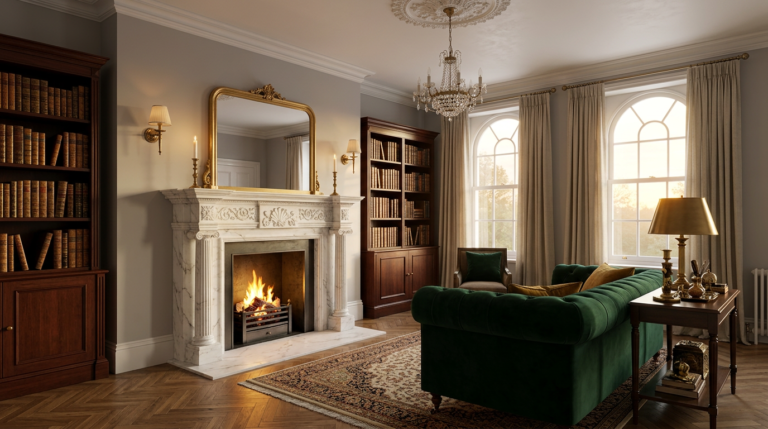
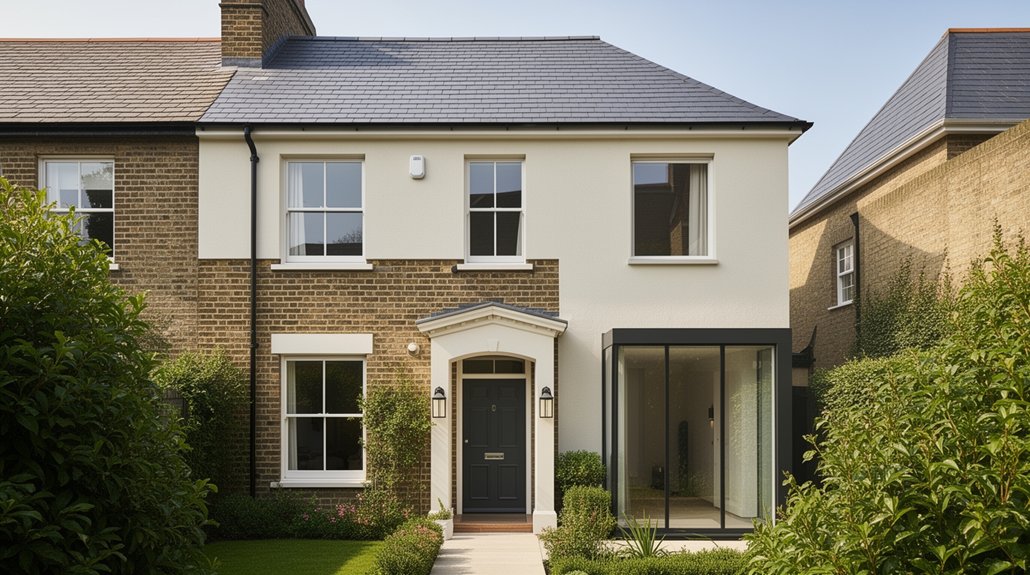
The best way to modernise a 1930s semi‑detached home is to balance comfort upgrades with careful preservation. Start by evaluating features to keep—fireplace mantels, original joinery, and floor plans—then open up layouts with light to enhance daylight without erasing character. Use durable, period‑appropriate finishes, and add smart controls, energy efficiency, and discreet insulation. Plan in phased steps to manage costs and disruption, prioritising weatherproofing and safety. Ready to apply these strategies to transform your home while retaining its charm?
Key Takeaways
- Balance preservation with modern upgrades by maintaining period features while improving insulation, comfort, and safety.
- Prioritise light and layout with large panes, strategic glazing, open-plan zones, and sightlines to enhance spatial flow.
- Use durable, period-appropriate finishes and hardware, with reversible restorations for doors, parquet, and plasterwork.
- Integrate smart controls, energy-efficient systems, and discreet climate strategies that respect heritage aesthetics.
- Plan a phased renovation with clear budgeting, documentation, and ongoing maintenance to safeguard both value and character.
Why Modernise a 1930s Semi‑Detached Home

Modernising a 1930s semi‑detached home makes sense for comfort, efficiency, and value. You gain better insulation, modern controls, and safer layouts without losing the era’s charm. Upgrading systems reduces running costs and enhances daily living, proving practical returns over time. Prioritise changes that respect historical preservation while delivering functional upgrades, so the house remains legible as a 1930s property. This approach supports an enduring asset, not a forced retrofit. You’ll improve air quality, daylight, and acoustics, making rooms more versatile for work, rest, and play. Plan with an eye for aesthetic harmony, selecting materials and fixtures that nod to period details yet perform to current standards. The result is a coherent, durable home that feels authentic and comfortable.
Assess Your Home’s Character: What to Preserve
You’ll start by identifying timeless features that define your home’s character and should stay. Then, balance those preserved elements with thoughtful modern touches that enhance function without erasing charm. Prioritize a cohesive plan that keeps the essence of the 1930s while meeting today’s living needs.
Preserve Timeless Features
Preserving timeless features starts with a honest assessment of what gives your 1930s semi its character—from architectural details like fireplace mantels and cornicing to original window shapes and timber joins. You identify elements worth retaining and those that can be refreshed without compromising charm. Prioritize features that define era authenticity, then plan respectful updates around them. When upgrading interiors, complement rather than replace: choose period furniture that echoes the home’s lineage and supports cohesive proportions, and select vintage decor that adds patina without clutter. Keep plasterwork intact where feasible, restore doors and hardware, and maintain original floor plans. Document interventions for future upkeep, and communicate your approach to designers, so modern improvements radiate classic rhythm. Your aim is balanced preservation that empowers confident, tasteful modernization.
Balance Modernity and Character
When evaluating your 1930s semi’s character, start by mapping which features define its identity and which can be updated with restraint. You’ll identify period detailing that earns you Historical preservation status, and note fixtures that could be refreshed without erasing provenance. Prioritize elements that contribute to aesthetic harmony, such as brickwork, proportion, cornice lines, and original doors, while planning modern upgrades behind walls or in utilitarian spaces. Use variable contrast rather than total overhaul to avoid stylistic clashes. Introduce contemporary lighting, ventilation, and insulation in a way that respects scale and texture. Document decisions with photos and notes. Communicate with contractors about preserving key features, and test options in small areas before committing. Balance modern convenience with respectful homage, ensuring the home feels cohesive and timeless.
Prioritise Light: Maximise Windows and Natural Glow
To maximise windows and natural light, start by re-evaluating key living spaces to identify where openings will have the greatest impact. Prioritise larger or additional glazing, and consider how or where light travels across the day to avoid unwanted glare. Use strategic placement and simple treatments to boost brightness without sacrificing privacy or thermoregulation.
Maximising Window Areas
Increasing window areas is one of the simplest, most effective ways to brighten a 1930s semi-detached home. You optimise layout by prioritising window placement to align sightlines with key living zones, boosting natural flow and daily illumination. Assess structural constraints, then choose larger panes where feasible, minimizing muntins to maximise glass. When expanding, maintain proportions that respect the house’s rhythm and brickwork, so alterations look intentional, not invasive. Consider glazing options that balance heat gain with glare control: low-emissivity coatings, double glazing, and smart films help sustain comfort year-round. Combine roof-level and wall windows to stagger brightness without overheating. Pair new openings with appropriate sill heights and shading strategies to preserve usable wall space for furniture and artwork.
Natural Light Strategies
Natural light isn’t a luxury in a 1930s semi; it’s a design driver. To prioritise light, you’ll optimise openings and choose treatments that don’t block glow. Daylight should sweep through living zones, with glazing that’s both generous and efficient. Consider structural tweaks that keep sightlines open while boosting brightness.
- Maximise window areas without compromising structure
- Use lightweight, reflective finishes to bounce light
- Position mirrors to amplify natural glow
- Curtain placement to allow full daylight reach
- Select non-obstructive Window treatments for easy, year-round control
Plan an Open‑Plan Layout That Keeps the Charm
With an open-plan idea in mind, you can fuse modern flexibility with timeless charm by carefully mapping zones rather than removing walls outright. Start by defining distinct living, dining, and cooking zones with subtle delineation, not barriers. Use furniture placement, area rugs, and ceiling lines to signal each space while preserving sightlines that enhance natural light. Prioritize flow from front to rear, ensuring entry points remain logical for everyday use. Consider architectural features from the era—chimney breasts, cornices, and plasterwork—as focal cues within the open plan to reinforce Historical preservation. Choose color schemes and materials that echo period interiors, reinforcing Interior aesthetics without clutter. Plan storage to avoid bulkhead encroachments or cluttered corners, keeping spaces calm, usable, and true to the house’s character.
Choose Durable, Period‑Appropriate Finishes
Choosing Durable, Period‑Appropriate Finishes begins with selecting materials that withstand daily wear while nodding to the home’s 1930s character. You aim for longevity without sacrificing authenticity, selecting period specific finishes that speak to the era while performing reliably in modern use. Prioritize durable, low‑maintenance options in key areas, then layer authentic detailing to reinforce the Vintage charm.
- Hardwearing timber floors with appropriate gloss level and oak radiance
- Ceramic or porcelain tiles in moisture zones with period‑correct trims
- Paints and wallpapers that reflect 1930s palettes and chalky finishes
- Brass, nickel, or aged‑steel hardware for a cohesive sheen
- Timeless surface materials that resist scuffs and staining
These choices balance resilience with period expression, ensuring practical, enduring style throughout your home.
Improve Heating and Insulation Without Sacrificing Style

Smart upgrades to heating and insulation can boost comfort and efficiency without erasing period character. You’ll maximize performance with exterior and interior measures that respect era details. Start with high‑efficiency, slimline radiators and trench-coat pipes tucked behind coving so you retain clean sightlines. Add loft and wall insulation in discreet packs, sealing gaps around windows and doors to stop drafts without altering their profiles. Consider a modern, programmable thermostat and zoning so you heat only lived‑in spaces, preserving vintage charm while cutting costs. Choose double‑glazing with skinny frames or secondary glazing that preserves muntins and character. Opt for breathable, period‑authentic素材 finishes on concealed services. It’s about comfort, efficiency, and period authenticity—without compromising style.
Create Warmth: Lighting That Feels Ambient
Creating warmth starts with thoughtful lighting that feels ambient rather than clinical. You’ll shape rooms by layering light, avoiding harsh glare, and selecting fixtures that glow softly. Use warm color temperatures to enhance interior textures and unify colour palettes across spaces. Aim for balance between task, ambient, and accent lighting, so each area feels inviting without shouting. Contrast and texture subtly reflect era charm while staying modern and practical.
- Layered lighting with dimmable options for flexibility
- Warm LEDs that flatter walls and textiles
- Fixtures that echo 1930s silhouettes with contemporary efficiency
- Indirect light to reduce shadows and reveal interior textures
- Cohesive colour palettes linked by consistent warmth
With these choices, your home breathes comfort and coherence, while preserving authentic character.
Preserve Key Doors and Parquet: Smart Restoration Tips
Preserve your key doors and parquet by evaluating what can be restored in place versus carefully reclaimed. Use smart restoration techniques that respect period detailing while integrating practical upgrades for today’s living. Modernise with sensitivity to heritage, so every touch balances preservation with everyday usability.
Preserve Doors And Parquet
Replacing or refurbishing period doors and parquet can transform a 1930s semi without sacrificing its character. You’ll approach preservation with a measured touch, prioritising original joinery, finishes, and rhythm of rooms. Door restoration and parquet preservation hinge on gentle cleaning, careful removal of failing finishes, and matching reveals to existing profiles. Use respectful materials, minimal sanding, and folklore-worthy patina as your guide, not perfection.
- Inspect doors for surface wear, rot, and loose frames before any work
- Clean and restore hardware to maintain period detail
- Stabilise parquet joints with reversible repairs
- Match finish tone to existing walls for cohesion
- Document provenance to guide future maintenance
Commit to conserving what defines the home’s era while ensuring smooth daily use.
Smart Restoration Techniques
Smart restoration hinges on smart diagnostics: start by surveying key doors and parquet for movement, moisture, and finish failure, then prioritize reversible interventions that respect original joinery and rhythm. You’ll document gaps, warp, and nail holes, mapping how each issue affects performance and airflow. Use stable, reversible methods: gentle re-seating, breathablepreservatives, and low-impact surface treatments that don’t obscure profiles. Coordinate repairs with mindful cleaning, avoiding harsh solvents that threaten patina. When planning upgrades, consider garden landscaping and outdoor lighting to enhance, not overwhelm, interior acoustics and daylight patterns. Preserve thresholds and mouldings by detailing reversible fills that match grain and colour. Finally, test movement after intervention, ensuring doors swing smoothly and parquet remains coherent with the house’s cadence. Maintain records for future preservation decisions.
Modernise While Honoring Heritage
To modernise while honouring heritage, start by protecting your key doors and parquet as you upgrade surrounding systems. You preserve historical accuracy while ensuring your spaces feel intentional and authentic, not gimmicky. Prioritize restoration methods that retain original profiles, joinery, and finishes, and document every step for future reference. When upgrading utilities, keep hidden routes discreet and reversible so future generations can re‑expose features without damage. Choose finishes and materials that mirror period aesthetics, yet meet modern durability and performance standards to sustain artistic authenticity. Schedule expert assessments for repairs, avoiding over‑restoration that erodes character. Communicate your plan with suppliers, so hardware replacements respect era specifics.
- Preserve original doors and frames with careful cleaning, matching finishes
- Refinish parquet in period‑correct tones and lacquers
- Use reversible upgrades for electrical and plumbing
- Source hardware with authentic profiles and patina
- Document every step for provenance and future maintenance
Brickwork and Facade Upgrades for Curb Appeal

Brickwork and facade upgrades set the tone for curb appeal, so start with concrete assessments of existing mortar gaps, cracked bricks, and faded render. You’ll identify failed pointing, spalling, and any brick displacement that compromises visual harmony. Prioritize clean lines, uniform joints, and appropriate mortar color to match era details without overstating novelty. When selecting materials, balance authentic character with modern durability; lime mortar can suit heritage textures, while cementitious options offer longevity. Consider external finishes that protect—clear sealants, breathable coatings, and damp-proof membranes where needed. Pair brickwork refresh with thoughtful roofline updates to preserve proportion. Plan outdoor landscaping and entrance refinements to anchor the facade, ensuring steps, lighting, and door areas read cohesive. Roofing upgrades support long-term performance, reducing maintenance while elevating overall curb appeal.
Built‑In Storage Solutions That Save Space
You’ve upgraded the exterior; now you can reclaim interior space with built-in storage that supports a streamlined, lived-in feel. Built in storage offers practical solutions that keep rooms uncluttered without sacrificing style. Prioritize multifunctional pieces, like wall alcove shelves, recessed wardrobes, and under-stair units, to maximise every square inch. Space saving solutions rely on depth-optimized drawers and clever corner fittings to reduce visual bulk while boosting capacity.
- Under-stair drawers that run full depth
- Wall-integrated shelving with hidden supports
- Recessed wardrobes with sliding doors
- Built-in benches with hidden storage
- Ceiling-height cupboards for vertical efficiency
Adopt consistent finishes and clean lines to maintain a cohesive flow. These approaches deliver controlled clutter and a polished, modern feel. Built in storage, space saving solutions, done right.
Kitchen Modernisation That Echoes the Era
A kitchen modernisation that nods to the 1930s can blend period charm with practical efficiency, delivering updated performance without losing its character. You’ll cherry‑pick timeless materials—painted timber cabinets, checkerboard floors, and subway tiles—paired with modern appliances tucked behind period fronts. Prioritise layout efficiency: a streamlined work triangle, adequate storage, and accessible surfaces for daily use. Choose lighting that reflects the era yet beams today’s brightness, using brass accents and glass shades to fuse warmth with clarity. Integrate smart controls discreetly, keeping technology out of sight while preserving ambience. For garden landscaping and outdoor entertainment, create a seamless shift to the yard with French doors and a simple patio flow. This approach respects heritage while delivering practical, contemporary convenience.
Bathroom Refreshes: Modern Comforts, Timeless Look

If you’re revitalizing a 1930s bathroom, prioritize modern comforts without sacrificing period charm. You’ll blend vintage charm with timeless design by selecting fixtures that nod to the era while delivering today’s performance.
- choose a compact, claw-foot or pedestal sink with updated plumbing
- install a low-profile, weathered metal vanity mirror for character
- opt for period-inspired brass or matte nickel fittings
- install a rainfall head with efficient water use
- tile in muted tones with a darker border to echo classic bathrooms
Keep lines clean, avoid over-cluttering, and use soft lighting to enhance heritage surfaces. Prioritise durability and ease of cleaning, so maintenance stays minimal. This approach preserves the home’s soul while delivering comfort you’ll notice every day. Timeless design endures.
Eco‑Friendly Upgrades That Look Right
Eco-friendly upgrades can blend seamlessly with a 1930s home while boosting efficiency and curb appeal. You’ll want options that respect proportions, materials, and scale, so the result feels intentional, not borrowed. Start with high-performance insulation in overlooked cavities and draught-proofing at doors and sash windows, then select low-energy lighting and heat pumps that suit existing room sizes. Choose double-glazed timber or steel fenestration that matches the era’s rhythm without shouting. For exterior beauty, integrate Garden design with native planting and permeable paths to reduce runoff while framing architectural features. Vintage charm remains central—reclaimed brick accents, period-accurate fixtures, and subtle patina. Prioritise materials that age gracefully, and pair them with smart planning that minimizes maintenance while maximizing comfort and sustainability.
Smart Home Essentials for a 1930s Home
Smart lighting fundamentals let you shape mood and efficiency without overhauling wiring. Wireless networking essentials keep every smart device reliable and simple to manage, even in thick-walled 1930s construction. Climate control tactics bring comfort and budgeting together, with smart thermostats and zoning that respect period architecture while delivering modern convenience.
Smart Lighting Fundamentals
Smart lighting is a practical foundation for a 1930s semi-detached home, delivering comfort, efficiency, and ambience without overhauling your existing decor. You’ll shape spaces with precise control, reduce energy use, and emphasize architectural features. Focus on Lighting design to balance function and mood, and practice deliberate bulb selection for warmth and performance.
- Recessed and track lighting to highlight coving and alcoves
- Dimmed overheads paired with task lamps for work zones
- Warm white bulbs (2700–3000K) for living areas
- LED savings without sacrificing color fidelity
- Timers or occupies sensors to automate routines
Wireless Networking Essentials
Ever wondered how to keep a 1930s semi-detached home reliably connected without compromising its character? Start with a robust wireless connectivity plan that respects existing walls and finishes. Choose a modern router with strong beamforming and easy firmware updates, and place it high, central, away from metal dampers. Use a single SSID for convenience, but segment sensitive devices on a guest or separate VLAN to protect network security. Enable WPA3 where possible, disable WPS, and keep firmware current. Invest in a quality mesh system if you have thick plaster or multiple floors, ensuring signal in key rooms. Prioritize cable-backed backhaul for reliability between units, and document passwords securely for trusted occupants. Regularly review connected devices and adjust permissions as your smart home evolves.
Climate Control Tactics
You’ve got solid wireless foundations in place, now it’s time to bring efficient climate control into a 1930s home without compromising its character. To achieve historical accuracy and architectural integrity, choose discreet, compatible tech and zone-focused strategies.
- Deploy smart thermostats on central living zones with radiator compatibility
- Use humidity sensors to prevent condensation without bulky equipment
- Invest in under-floor or recessed ducting that stays hidden from sight
- Opt for retro-styled vents and grilles that echo period design
- Integrate smart blinds for solar gain control without changing the silhouette
These tactics balance modern comfort with authentic aesthetics, delivering precise control while preserving the home’s footprint and charm.
Budgeting and Phasing Your Renovation

Budgeting upfront is essential, and by breaking the project into clear phases you’ll maintain control over costs, timings, and decisions. You should start with a realistic master budget, then segment work into attainable milestones: demolition and rough-ins, structural updates, systems, finishes, and landscaping. Prioritise essentials first—structural safety, weatherproofing, and energy efficiency—then allocate contingency funds for unexpected issues. Create a phase map that links each decision to cost and time, so you won’t overcommit on decor before trades are booked. Garden landscaping and interior decor should align with the overall budget, not exceed it. Track progress weekly, compare actuals to estimates, and revise as needed. A disciplined approach keeps your 1930s semi-detached home modern without compromising quality or timeline.
Maintenance Plan to Protect Your Modernised 1930s Home
Regular maintenance is the backbone of protecting your modernised 1930s home, so set up a clear plan that covers year-round inspections, timely repairs, and predictable upkeep. You’ll prevent costly surprises and preserve character by scheduling seasonal checks, documenting wear, and prioritising fixes before they escalate. Integrate gardening tips to keep foundations and drainage healthy, while curb appeal remains sharp. Align interior colour palettes with evolving light and warmth, ensuring harmony across rooms and exteriors.
- Seasonal exterior inspections and preventative care
- Timely repairs to seal gaps, joints, and masonry
- Drainage and gutter maintenance for soil health
- Landscaping tweaks that protect foundations
- Interior palette refreshes that respect period features
A disciplined routine keeps your home durable, beautiful, and efficient.
Frequently Asked Questions
How to Balance Modern Tech With Period Authenticity?
You balance modern tech with period authenticity by prioritizing Historical preservation, then embracing Technological integration that respects character; choose low-impact, discreet systems, conceal wiring, and preserve original detailing while upgrading insulation, security, and smart controls thoughtfully, intentionally, and practically.
What Cost Ranges Suit a 1930S Semi-Detached Retrofit?
Around £20k–£70k is typical for a retrofit, depending on scope; that’s a strong hook—42% of homeowners save on energy. You’ll balance historic preservation with DIY renovation while prioritizing essential updates and durable finishes.
Which Plans Require Planning Permission or Approvals?
Certain plans require planning permission or approvals, including exterior alterations and structural changes; consult local authorities. Guarantee compliance with historical preservation guidelines and building codes to avoid delays and penalties during your project.
How to Maintain Original Features During Upgrades?
To preserve original features during upgrades, prioritize interior restoration and structural reinforcement, using period-appropriate materials. You’ll document care, avoid overhauls, and coordinate with a preservationist to guarantee authenticity while upgrading safety and efficiency.
What Are Quick Wins for Immediate Impact?
Prioritize quick wins: rehang furniture for better flow and sightlines, swap dim bulbs for bright LEDs, add task lighting, and install under-cabinet lights. Optimize furniture arrangement, test lighting solutions, and keep originals where practical for balance.
Conclusion
You’ll transform your 1930s semi into a timeless triumph, and your neighbours will swear you’ve single‑handedly reinvented the wheel. You’ll preserve character while flooding spaces with light, open sightlines, and durable finishes that age like fine wine. With smart touches that blend seamlessly, your home will breathe efficiency without shouting modernity. Budget smartly, phase wisely, and maintain diligently—because a well‑kept, lovingly updated classic can outlive every trend and still feel proudly, unmistakably yours.
About the Author