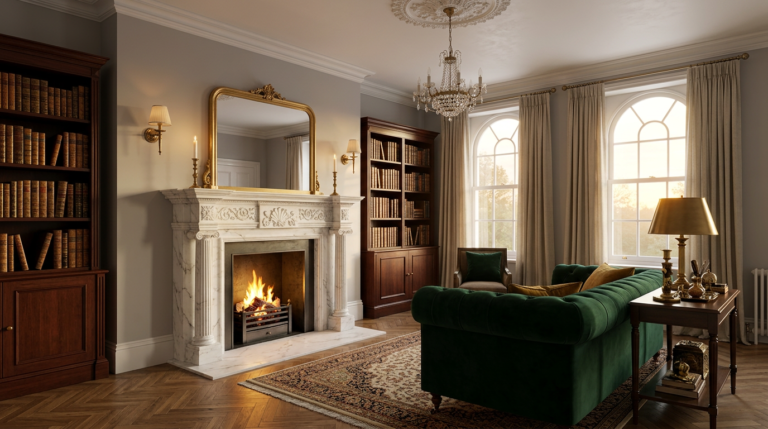

Refresh a room in minutes by focusing on core elements: warm textures, a breathable color palette, and layered lighting. Mix cozy fabrics, soft neutrals, and small pops of earthy greens to keep the space open yet inviting. Add affordable art and a few fresh stems, then declutter to sharpen flow. Use scalable furniture and a standout rug to define zones. Simple swaps like these boost warmth and usability—and you’ll uncover more practical ideas as you continue.
Key Takeaways
- Layer textures with throws, cushions, and rugs to add warmth and dimension without clutter.
- Use a cohesive color palette of light neutrals with small, deliberate pops of color for depth.
- Mix functional furniture with multi-purpose pieces to maximize space and flexibility.
- Create visual interest by rotating art and accessories, keeping a unifying theme or color scheme.
- Layer lighting (ambient, task, accent) with dimmers to instantly transform mood and space.
Core Elements of a Cozy Room
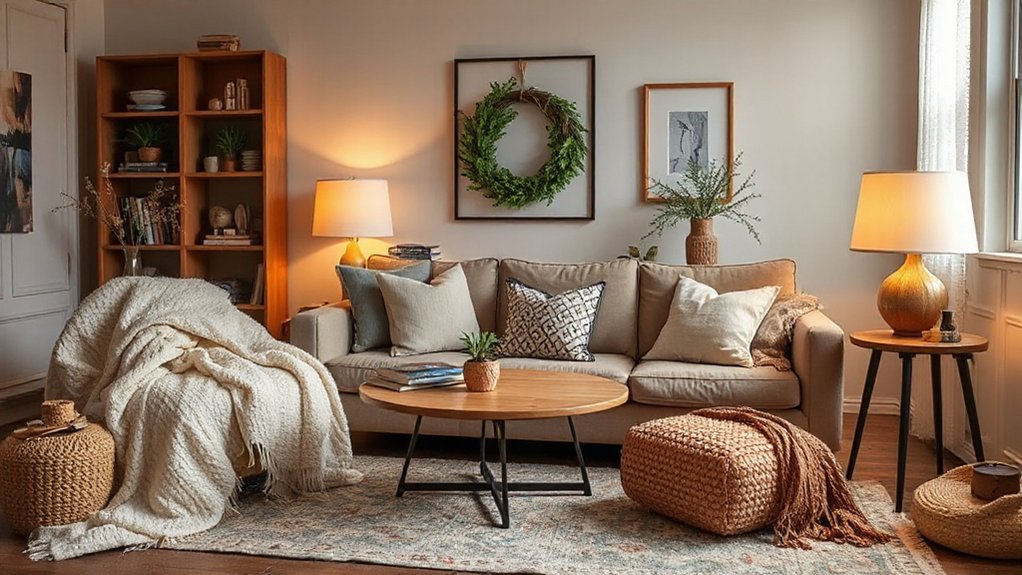
A cozy room centers on three core elements: warmth, texture, and light. You combine these with intention to create comfort that lasts. Start with warmth: choose fabrics and surfaces that invite touch, like wool throws, velvet cushions, and a wood or cork floor. Textile layering adds depth without clutter, letting each piece serve a purpose. Texture should be varied—soft, rough, and woven in harmony—to catch the eye without shouting. Light matters most: balance ambient, task, and accent layers so shadows are soft and zones feel intimate. Color contrast guides mood and readability; pair light neutrals with deeper accents to define areas without overdoing it. Keep scales proportional, lines simple, and items purposeful to maintain a calm, functional space.
Choose a Breathable Color Palette
Choose a breathable color palette by favoring light, airy hues and balanced natural tones that keep spaces feeling open. You’ll create a calm backdrop with soft whites, pale blues, and warm neutrals that pair well with natural textures. Use these tones as your canvas and build contrast with purposeful accents to maintain visual breathing room.
Breathable Color Palettes
Curious about how to keep a room feeling light and breathable? You’ll choose breathable color palettes that support a fresh, calm environment. Start with a neutral base, then layer in soft accents to preserve airiness. Focus on natural color harmony: pair warm woods with cool whites and pale grays, then add hints of earthy greens or muted blues for depth. Limit saturated tones to small, deliberate touches so the space stays uncluttered. Consider the room’s light: in brighter rooms, you can lean slightly darker without feeling heavy; in dim areas, keep colors lighter to maximize brightness. Test swatches on walls at different times of day, and observe coexistence with furnishings. Prioritize continuity across adjoining rooms to reinforce a cohesive, breathable vibe.
Light, Airy Hues
Light, airy hues keep a breathable vibe by creating space and continuity. You’ll choose a palette that feels quiet yet expressive, using soft tones as the base. Pastel accents add gentle personality without overpowering light-filled rooms; think blush pinks, powder blues, or sage greens sparingly, to avoid visual clutter. Keep surfaces crisp and white where possible to preserve brightness and reflectivity. Monochrome schemes work well too, leveraging subtle shifts in shade rather than contrasting colors, which supports a cohesive, expansive feel. Apply the color story consistently across walls, textiles, and furnishings, then reserve texture and light for depth—linen, cotton, or matte ceramics. Finally, test colors in natural light, adjusting brightness to maintain airiness throughout day and night.
Balanced Natural Tones
Balanced natural tones create a calm, breathable palette you can live with daily. You’ll pick a base of neutral walls and soft textiles, then layer with natural wood accents to add warmth without shouting. Maintain earthy color schemes that stick to olive, taupe, sand, and slate—colors that ground spaces rather than distract them. Limit contrast so elements feel cohesive; choose finishes that match in warmth and texture. Use baskets, linen, and jute to reinforce the natural vibe without clutter. Plan lighting that enhances texture: warm LEDs, daylight bulbs, and strategically placed task lights. Keep patterns minimal and scale intentional, avoiding busy repeats. This approach keeps rooms bright, breathable, and adaptable, letting furniture and art lead the mood rather than color overwhelm.
Layer Texture for Instant Warmth
Layer texture instantly adds warmth, so start by layering cozy fabrics with different weights. Mix materials like wool, velvet, and cotton on sofas, throws, and rugs to create depth and tactile interest. Use a thoughtful blend of surfaces—soft textiles, matte wood, and subtle sheen—to invite comfort without crowding the space.
Layered Textures Warmth Instantly
Layered textures instantly warm a space by combining soft fabrics, varied weaves, and tactile surfaces. You’ll notice immediate coziness when you mix textured wall coverings with plush throws and tactile cushions. Start with a neutral base and add dimension through layered textiles: a wool rug underfoot, a velvet pillow, and a linen drape that catches light differently. Vary scales and finishes to prevent flatness, sticking to two or three complementary tones for cohesion. Texture should feel inviting, not busy, so test ratios before committing. Remember lighting plays a role; warm bulbs enhance texture detail without glare. Keep the focus on comfort, not clutter. This approach delivers instant warmth, depth, and a refined, approachable room you’ll enjoy every day.
Cozy Fabrics And Surfaces
Ever wonder how to instantly warm a room? You can leverage cozy fabrics and surfaces to create instant comfort without clutter. Start with plush throws layered over sofas or chairs to add texture and a welcoming drape. Choose velvet cushions for a touch of elegance that also softens acoustics and light. Mix in tactile fabrics like chenille or boucle for depth, but keep color cohesive to avoid visual noise. Prioritize surfaces that invite touch: a fuzzy rug underfoot, a warm knit throw at the foot of the bed, and upholstered seating with a soft finish. Keep patterns subtle and scale balanced to maintain clarity. These choices deliver warmth through texture, not weight.
Mix Materials For Depth
You can amplify instant warmth by mixing materials to add depth and tactility. To build Textural contrast, pair plush textiles with sleek surfaces and rougher woods with smooth metals. Think a velvet sofa against a leather chair, or a jute rug under a glass coffee table. Material layering works best when you vary scale and weave: large, medium, small textures create visual rhythm without clutter. Introduce warmth with natural fibers—cotton, wool, linen—alongside polished finishes like brass or ceramic. Keep colors cohesive to unify disparate textures. Use throws, pillows, and wall textiles to repeat a chosen texture in multiple spots. Finally, balance durable materials with softer ones in high-traffic zones to maintain comfort and longevity.
Lighting Basics: Brighten Without Glare

Want a room that’s bright without harsh glare? Start with layering light. Use a mix of ambient, task, and accent sources to distribute illumination evenly and avoid hotspots. Choose bulbs with soft white (2700–3000K) for warmth, then add dimmers to tailor brightness without glare. For modern flexibility, try smart lighting that schedules, adjusts color, and responds to activity. Position fixtures so light bounces off walls and ceilings, reducing direct glare on screens and surfaces. Opt indirect options like wall sconces, floor lamps, and cove lighting to soften edges. Invest in glare control with diffusers, frosted lenses, and anti-glare screens. Test two or three angles in a typical sitting area, then tweak placement until light feels bright yet comfortable.
Affordable Art and Displays
Start by curating affordable art that speaks to your space and budget—think prints, locally sourced pieces, and open editions. Then craft creative wall displays and gallery-style arrangements that balance color, scale, and rhythm, so every piece earns its place. You’ll create a cohesive, polished look without overspending, by pairing smartly chosen art with purposeful framing and layout.
Curate Affordable Art
Curating affordable art starts with a clear eye for piece, price, and placement. You’ll prioritize selections that echo your room’s color story and scale, avoiding overwhelm. Begin with modern art in manageable sizes, then mix affordable prints with a standout piece to anchor the display. Seek galleries, online shops, and local artists offering limited editions or signed prints to maximize impact without breaking the budget. Consider framing and matting that unify disparate works, creating a cohesive grid or salon-style cluster. Rotate pieces seasonally, keeping a small shelf for unexpected finds. Display size, light, and visibility in mind to prevent crowding. Track provenance and pricing to refine taste, ensuring each piece earns its place. Curate deliberately, and your walls will reveal intentional style.
Creative Wall Displays
A well-planned wall display blends affordable art with smart displays to create impact without clutter. You can start small with a grid of affordable prints, then expand by rotating pieces seasonally. Choose a cohesive theme or color palette to keep the look unified, and mix sizes to add visual interest. Use inexpensive frames or clipboards for easy swaps, which helps you update the wall without redecorating. Plan photo displays alongside wall art, pairing personal photos with prints to humanize the space. Lean toward vertical arrangements to draw the eye upward and maximize wall real estate in compact rooms. Avoid overcrowding; give each piece breathing room and let negative space amplify impact. Finally, label a few favorites subtly to guide future changes.
Gallery-Style Arrangements
Gallery-style arrangements combine affordable art with smart display methods to create impact without clutter. You’ll curate a cohesive gallery by mixing sizes, frames, and textures, sticking to a unifying color palette. Start with a focal piece at eye level, then build outward in a grid or salon layout, keeping negative space so each piece breathes. Rotate works seasonally to keep it fresh and affordable. Include vintage accents sparingly to add character without overloading the wall. Use clean, consistent mounting hardware and level alignments for a polished finish. Statement lighting matters: a mix of track, wall sconces, and a focused picture light highlights color, texture, and detail. Edit relentlessly; only keep pieces that tell your room’s story.
Furniture That Fits Your Space and Style
Choosing furniture that fits your space and style starts with measuring twice and choosing pieces that serve multiple functions, so your room remains open and cohesive. Start by prioritizing scale: larger rooms benefit from fewer, bigger pieces; small rooms gain from compact, multifunction options. Seek balance between form and function, ensuring each item supports daily use without crowding. Opt for neutral bases and add character with a few bold elements. Vintage accents can warm modern layouts, while statement furniture draws eye without overwhelming the space. Keep sightlines clear; avoid overmatching by mixing textures and finishes. Measure doorways and aisles to prevent surprises during placement. Finally, curate intentionally: pair supportive seating with versatile storage, and let color accents reflect your style rather than chase trends.
Practical Accessories That Finish a Look

Practical accessories finish a look by combining function with polish, so every detail supports daily use while elevating the room’s style. You choose items that work hard and look deliberate. Start with decorative vases: they anchor shelves, hold fresh stems, and reflect light without crowding space. Pick shapes and finishes that echo other hardware or furniture for cohesion. Next, consider statement rugs carefully. They define zones, absorb noise, and set color balance; size matters, so measure before buying. Avoid clutter by limiting the number of small accents; use a few high-quality pieces rather than many cheap bits. Place accessories at varying heights to create rhythm, but maintain a clear focal point. When in doubt, pause and assess: does this finish a function and elevate the room?
Rugs and Flooring to Define Each Area
Rugs and flooring define each area with purpose, guiding traffic flow and shaping acoustics. You choose area rugs to anchor seating, define conversation nooks, and add color or texture without walls. Pair them with complementary runner or scatter rugs to establish pathways and zones. For flooring options, mix durable surfaces like hardwood, laminate, or tile with softer underfoot materials such as rugs in high-traffic zones. Consider scale: a rug should fit under furniture legs or anchor a seating group with a clear mat beneath. Use underlays that reduce noise and protect floors. Weight the look by repeating color or pattern from upholstery or art across flooring accents. This alignment creates cohesion, enhances flow, and grounds each defined area.
Fresh Greens for Life and Mood
Fresh greens boost life and mood by bringing nature indoors and improving air quality. You’ll feel calmer and more energized when you place herbal arrangements where you work and relax. Choose compact herbal arrangements for kitchens and desks, where scent and color can influence focus without overpowering the room. Potted plants work well in corners, entryways, and shelves, adding texture and a soft, natural backdrop to furniture. Keep a simple rotation: freshen weekly, trim as needed, and swap with seasonal options to maintain importance. Group plants in sets of three for visual harmony, or mix heights for depth. Water according to each plant’s needs, avoid overwatering, and position where they receive appropriate light to sustain growth and mood.
Decluttering Without Dulling the Vibe
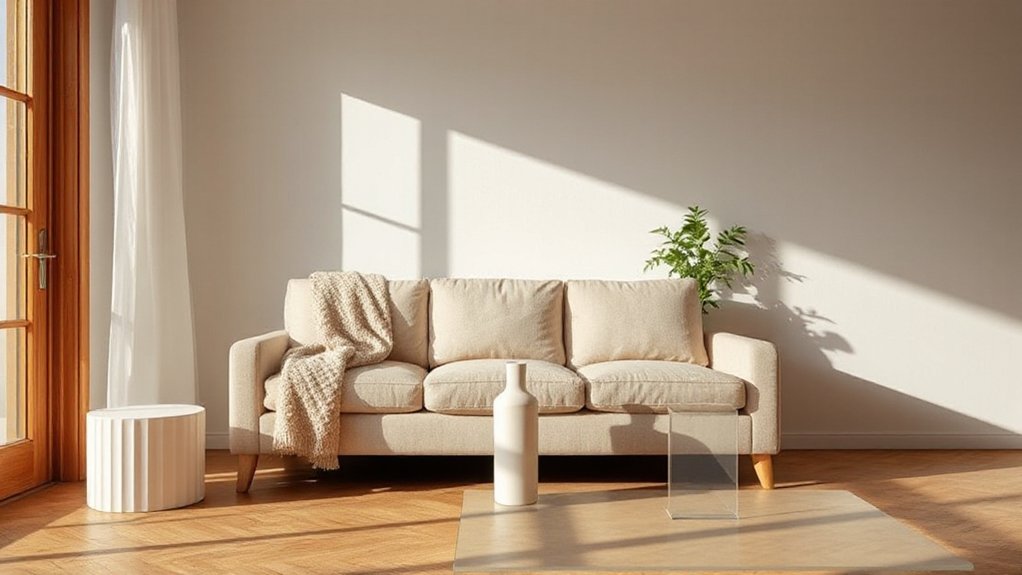
Decluttering doesn’t mean stripping personality from a room; it means making space for the things you truly value. You can keep vibe intact by prioritizing function over excess. Start with a clear plan: identify core items, then remove duplicates and outliers. Use smart storage solutions that blend with décor, so shelves, baskets, and organizers stay practical yet unobtrusive. Embrace a minimalist approach for surfaces—flat, tidy, and intentionally used. Rotate decor seasonally rather than stack everything at once, which preserves interest without clutter. Group related items into defined zones to reduce visual noise and improve flow. Schedule quick, monthly refreshes to prevent buildup. Finally, keep a simple rule: if it doesn’t serve a purpose or spark joy, it doesn’t stay. Your space stays calm, purposeful, and expressive.
Quick, High-Impact Decor Swaps
If you want a room makeover fast, try quick, high-impact decor swaps that punch above their weight. Swap in a bold throw pillow or two in fresh seasonal trends to instantly recalibrate the vibe without overhauling furniture. Aim for high-contrast accents—black frames with white art, or a jewel-toned lamp against a neutral wall—to create focal points that feel deliberate. Update textiles (curtains, rugs) to shift color psychology: cooler hues for calm, warmer tones for energy. Layer lighting with a dimmer and a bowl of decorative objects at varying heights to add depth quickly. Lean on mirrors to amplify light and space, then keep surfaces uncluttered to maintain a streamlined look. These swaps deliver noticeable impact with minimal effort.
Create a Simple, Repeatable Room Refresh Plan
To create a simple, repeatable room revitalization, start with a clear brief: pick one mood, one color story, and one focal point for the room. You’ll build consistency by documenting a tight scope: choose a single texture or material to carry through, and set a 2- or 3-step checklist for each refresh. Prioritize color contrast to guide emphasis and balance, keeping light and dark tones intentional. Plan furniture placement first, defining clear zones for seating, display, and circulation; rotate accessories in small, strategic batches to maintain cohesion. When refreshing, reuse existing pieces with updated accents, like pillows, throws, or art, rather than buying wholesale. Implement a quick review: does the mood stay clear, does the focal point read, and is the room more functional afterward?
Frequently Asked Questions
How Can I Choose Decor on a Tight Budget?
Yes—start by prioritizing Budget friendly accessories and DIY decor tips, then mix thrifted finds with simple upgrades. You’ll save money, refresh spaces, and personalize efficiently: shop sales, repurpose items, and add fresh textiles for maximum impact.
What Quick Swaps Boost Room Brightness Instantly?
You should upgrade lighting to brighten instantly: add brighter bulbs and layered lighting, then optimize mirror placements to reflect light. These lighting upgrades and smart placements create immediate brightness, depth, and perceived space without major renovations.
Which Fabrics Feel Cozy but Stay Airy?
Flannel is cozy yet breathable; think textured throws and lightweight curtains. You’ll stay comfy and airy, choosing fabrics that layer warmth without weighing you down. You’ll mix textures for depth, durability, and year-round versatility. Also—okay, a cyberpunk wink.
How Do I Mix Patterns Without Clashing?
Pattern pairing works best by balancing scale and keeping a unifying color. Mix textures for depth, like velvet with linen, and repeat a motif subtly. Texture mixing keeps cohesion; avoid competing patterns, and anchor with a solid base.
What’s the Simplest Way to Test Color Ideas?
Color testing is simplest: grab paint samples, test on a large patch, view at different times of day, and compare. You’ll notice subtle shifts instantly. Color testing saves you mistakes; paint samples keep your choices practical and honest.
Conclusion
You can transform any room with a few practical tweaks: breathable color, layered textures, bright yet soft lighting, affordable art, and a touch of greenery. Declutter first, swap in quick accents, and establish a repeatable refresh plan. Studies show homes with simple decor updates see a 20–25% boost in perceived coziness and comfort. So, start small today, keep essentials tidy, and cycle in fresh elements every season to sustain warmth and style without overwhelm.
About the Author