

UK rents have trended upward modestly since 2024, led by tight urban-core supply, resilient demand, and affordability pressures that keep pricing power in core markets. You’ll see faster growth in select urban cores and high-demand secondary cities, with transport links and green spaces boosting premiums. Energy costs and regulatory changes shape costs and upgrades, while tenant retention and data-driven pricing improve yield. If you want deeper context, you’ll uncover how regions, upgrades, and policy shifts interplay to shape outcomes.
Key Takeaways
- UK rents are expected to rise modestly over the next 12–18 months, with regional variations in demand and supply dynamics.
- Urban cores face tighter quality rental stock, while peripheral markets remain softer, sustaining pricing power in core areas.
- Demand remains resilient due to wage gains and low unemployment, supported by tech-enabled pricing and data-driven leasing.
- Transport links, mixed-use development, and green spaces drive demand toward urban centers with premium locations.
- Energy costs and compliance pressures push landlords to invest in energy efficiency and EPC-compliant upgrades to sustain occupancy and rent potential.
What Will UK Rents Do in the Next 12–18 Months?

In the next 12–18 months, UK rents are likely to remain under modest upward pressure, with regional differences shaping the overall trajectory. You’ll see gradual tightening in supply for quality stock, particularly in urban cores, while peripheral markets stay softer. Demand will stay resilient where employment and amenities anchor value, but rate differentials will skew rent growth toward asset class and location. Luxury upgrades become a focal point for operators aiming to sustain occupancy, differentiate portfolios, and command premium rents without sacrificing tenant retention. You should expect landlords to emphasize value-add strategies, including enhanced service levels and modernized interiors, to mitigate turnover risk. Monitoring rent indices by region and sector will help you calibrate pricing, concessions, and renewal offers with precision.
Key Drivers Behind Rent Growth Since 2024
Key drivers behind rent growth since 2024 reflect a tight balance of demand resilience and inventory dynamics. You see steady tenant demand amid wage gains and low unemployment, supporting price resilience even as new listings rise modestly. Supply constraints persist in high-demand cities, where conversion and regulatory frictions limit new rental stock, reinforcing marginal rent increases. Housing supply lag, affordability constraints, and investor optimism concentrate pricing power in core markets, while institutional growth monetizes stable occupancy through scale. Tenant retention emerges as a strategic leash on volatility, with landlords prioritizing long-term occupancy over aggressive rate chasing. Tech-enabled processes, including Rent automation, reduce administration costs and improve leasing velocity, enabling finer yield management. In this environment, data-driven pricing and lifecycle incentives sharpen differentiation and rent growth persistence.
Regions Where Rents Are Rising Fast
Regions where rents are rising fastest are concentrated in select urban cores and high-demand secondary cities that blend strong local economies with tight housing supply. You’ll see acceleration where business activity outpaces new housing, creating tight markets and resilient occupancy. In these regions, rent dynamics reflect both elevated demand channels and landlord strategies that favor modern assets. Smart technology adoption across properties supports operational efficiency, reduces vacancy risk, and justifies premium rents in amenity-rich cores. Pet policies emerge as a differentiator, attracting long-term tenants who value flexibility and clear guidelines, even as supply tightens. Expect rents to diverge between truly urban centers and commuter-adjacent markets, with premium pricing tied to transit access, live-work ecosystems, and landlord-led upgrades that appeal to professional renters seeking stability and predictability.
Cities With Notable Demand Shifts

Cities with notable demand shifts reflect a shift in where and how renters prioritize location, amenities, and accessibility. You’ll see demand gravitating toward urban cores with robust transport links, mixed-use developments, and green space, while secondary cities gain traction through affordable housing tiers and perceived resilience. This pattern alters tenant mix in markets, influencing property investment strategies toward assets with adaptable layouts, flexible leasing, and enhanced tech enablement. Tenant satisfaction hinges on access to pedestrian networks, secure bike storage, modern communal facilities, and consistent service standards, rather than sheer proximity to offices. As occupier preferences homogenize around quality, lenders and landlords should quantify heat maps of catchment amenities, forecast migration vectors, and track vacancy duration to optimize returns and reduce risk in evolving urban portfolios.
How Affordability Is Redefining Tenant Priorities
Affordability is redefining tenant priorities as households recalibrate value in a tight rental market. You assess what truly matters beyond headline rents, prioritising predictable costs, energy efficiency, and space that supports hybrid work. In practical terms, affordability priorities now weigh heavily on monthly outgoings, with tenants favouring homes that combine reasonable rents with stable utility forecasts and low maintenance risk. You’ll notice a shift toward longer-term savings strategies, such as a focus on insulation, double glazing, and efficient appliances that curb bills over time, rather than just upfront discounts. Tenant savings become a differentiator for landlords who invest in cost-certainty. Across sectors, the emphasis is on durable value—well-run properties that reduce volatility—rather than short-term price concessions.
How Transport Links Create Location Premiums
Transport links increasingly price location in the UK rental market. You’ll see how transport infrastructure directly shapes desirability and rents, with proximity to stations, bus hubs, and major interchanges translating into tangible location premiums. In markets with robust connectivity, demand concentrates around high-frequency routes, predictable journey times, and coordinated timetables, enabling tenants to trade space for time. Landlords recognise that accessibility reduces vacancy risk and supports higher asking rents, especially in commuter belts and well-connected city fringes. Conversely, areas with improving links can rapidly outperform peers, even when existing amenities are similar. You should assess a property’s transport spine as a core value driver, calibrating rent guidance to projected service reliability, peak-period capacity, and long-term network plans. This optimization hinges on transparent, data-backed assessments of transport infrastructure and its impact on rent economics.
Energy Costs, EPCs, and What Landlords Are Doing
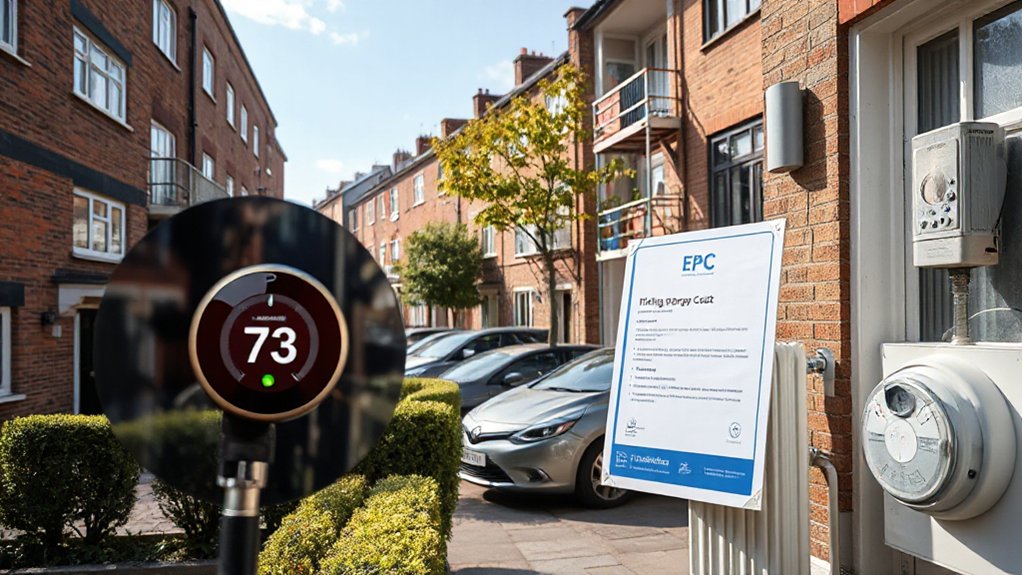
Energy costs are tightening operating margins for landlords, making EPCs a frontline compliance and competitiveness factor. In practice, you’ll see landlords prioritizing cost-effective upgrades and smarter energy management to meet minimum standards while preserving yield. This discussion starts with how rising bills and EPC requirements shape investment decisions and rental pricing strategies.
Energy Costs Impact
With energy expenses tightening profit margins, landlords are tightening their oversight of EPC requirements and efficiency upgrades to stay competitive in a changing market. You’ll find that utility costs now influence decision making as much as rent levels, shaping tenant expectations and retention strategies. An analytical lens shows cost inflation stemming from heating, cooling, and insulation needs, making proactive EPC improvements a core risk management tool. Investors increasingly evaluate ROI on retrofit options, prioritising energy-efficient boilers, insulation, and smart controls to curb consumption. Renewable energy considerations are gaining traction, not as a niche, but as a strategic hedge against volatile tariffs. In this framework, landlords adopt staged upgrades, performance monitoring, and vendor partnerships to align operating costs with market benchmarks while sustaining property appeal.
EPCs In Practice
Even as rents set the baseline, landlords are increasingly foregrounding energy performance as a core differentiator in the rental market. In practice, EPCs guide investment decisions, with higher ratings correlating to lower operating costs and stronger tenant appeal. You’ll see a shift from minimal compliance to proactive upgrading, targeting lighting efficiency, heating controls, and improved insulation. Sustainable energy strategies translate into tangible competitive advantages—lower turnover, higher occupancy, and resilience against regulatory changes. Landlords are prioritising cost-balance analyses, weighing upfront retrofit costs against long-term savings and rent potential. Rental automation tools streamline compliance, monitoring, and reporting, reducing admin burden and ensuring continuous improvement. Expect more transparent energy data in listings, clearer benchmarks for performance, and measured ROI as properties progress toward greener baselines.
Occupancy Trends: Vacancy Rates and Turnover Today

Occupancy trends in today’s UK rental market reveal consistent vacancy rates across major cities, with turnover remaining a key indicator of demand resilience. You’ll see occupancy stability despite regional demand fluctuations, as higher-quality stock sustains renter appeal and mitigates prolonged voids. Turnover signals align with tenant churn patterns, influenced by relocation for work, study, or lifestyle changes, rather than sudden market distress. In this context, retention strategies and rapid re-letting ability emerge as critical performance metrics for portfolios. Tenant satisfaction drives shorter vacancy durations, since satisfied occupants reduce exit risks and encourage renewals. Maintenance plans, timely repairs, and transparent communication underpin this dynamic, shaping perceived value and renewal likelihood. For operators, prioritizing proactive upkeep and data-driven vacancy forecasting translates into steadier occupancy and cleaner turnover pipelines.
Inflation, Yields, and Investor Appetite in 2024–2026
You’ll see inflationary pressure shaping capex and debt costs, with rent growth mediating value across markets. Yields vary by region as supply dynamics and policy responses diverge, sharpening investor risk–return assessments. Investor appetite shifts through 2024–26 as capital allocators rebalance portfolios toward resilience, discretion, and diversification.
Inflationary Pressure at Play
Inflation remains a pivotal driver shaping the UK rental market, pressuring operating costs, financing conditions, and investor appetite for income-led assets. You’ll see the inflation impact ripple through capex decisions, maintenance budgeting, and property tax exposure, constraining discretionary spend while elevating steady, income-backed returns. In this environment, lenders price risk more conservatively, raising financing costs and extending underwriting horizons for new acquisitions and refits. You’ll need disciplined yield forecasting, with rent stability serving as a vital buffer against macro volatility. Landlord strategies shift toward hedging against cost shocks—energy efficiency upgrades, contractual rent escalation clauses, and longer lease terms to preserve margins. Overall, inflationary pressure reinforces the primacy of asset quality, stable occupancy, and transparent income diversification in sustaining investor confidence.
Yields Across Regions
What do regional yield differentials say about inflation resilience and investor appetite from 2024 to 2026? You’ll see distinct patterns emerge in yields across regions, driven by local supply dynamics, wage growth, and sector mix. Our yield analysis shows higher resilience in regions with diversified employment bases and stronger domestic demand, while peri-urban areas reveal tighter correlations to macro shocks. Regional disparities become a diagnostic for risk pricing, with allocate-and-hold strategies favoring markets where rental growth outpaces inflation. As capital flows recalibrate, expects compression in mature regions and selective premium on emerging hubs. You’ll note volatility clusters around policy signals and financing conditions, yet long-term fundamentals remain favorable where occupier demand remains robust. This yields-focused view informs allocation, timing, and risk management for institutional investors.
Investor Appetite Shifts 2024–26
Investor appetite is shifting in tandem with evolving macro signals and debt cost expectations, with 2024–26 shaping a more selective but strategically oriented capital deployment.
- Market stability remains a prerequisite before deployment scales up, even as yields normalize.
- Regulatory changes potential could recalibrate risk pricing and leverage, influencing entry points.
- Inflation trajectory will test underwriting assumptions, demanding tighter covenants and clearer exit options.
- Sector-rotation dynamics suggest selective bets on units with resilience to cost-of-living shifts and regulatory compliance.
You’ll prioritize assets with visible rent resilience, predictable cash flow, and transparent governance. The lens is rigorous: manufacturers and mid-market housing can outperform only if debt costs stabilize and policy signals reinforce long-run demand.
New Regulations Shaping the Rental Landscape
New regulations are reshaping the rental landscape by tightening standards, expanding tenant protections, and increasing compliance costs for landlords. You’ll notice a shift toward clearer disclosure requirements, stricter safety audits, and more rigorous energy efficiency benchmarks. These changes elevate due diligence during onboarding and ongoing monitoring, reducing discretionary risk but elevating administration time. From a sector standpoint, the regime aims to balance market agility with consumer protection, potentially slowing rapid rent increases and encouraging longer, compliant tenancies. You’ll also see enhanced penalties for non-compliance, incentivizing proactive governance and data accuracy. Tenant rights gains translate into stronger eviction safeguards and clarity on deposit handling, while lease agreements must incorporate standardized terms and transparent renewal options. Overall, expect tighter operational playbooks and measurable cost implications across portfolios.
Practical Landlord Strategies for Rent Setting and Upgrades

You’ll start with a clear Rent Setting Framework to align market signals, tenant demand, and regulatory constraints, then apply evidence-based metrics to determine fair, competitive rents. Prioritize Effective Upgrade Priorities by matching capex to impact, rental category, and vacancy risk, ensuring upgrades drive value without overcapitalizing. Finally, outline Costs and ROI Planning that quantify upfront spend against anticipated rent growth, maintenance savings, and turnover reductions to sharpen decision-making.
Rent Setting Frameworks
Rent setting frameworks are the backbone of sustainable profitability in the UK rental market. You’ll align pricing with market signals, regulatory constraints, and tenant expectations to minimize vacancy risk and optimize cash flow. Analyze demand drivers, seasonal shifts, and property-specific features to justify adjustments while complying with Rental regulations and safeguarding tenant rights. The goal is transparent, defensible increases that resist inflationary drag and stay competitive.
1) Calibrate rents against local comps and vacancy data to inform uplift decisions.
2) Map regulatory thresholds, notice periods, and renewal terms to avoid penalties.
3) Schedule regular reviews tied to tenancy milestones and property upgrades.
4) Build a documented rationale for each adjustment, linking value drivers to tenant experience.
Effective Upgrade Priorities
Effective upgrade priorities translate insights from rent-setting into tangible value, focusing on improvements that reliably boost occupancy and allow sustainable uplifts. You should align upgrades with tenant expectations and turnover patterns so you can justify higher rents without sacrificing demand. Prioritize smart technology that enhances convenience, security, and energy management, such as smart thermostats, Wi‑Fi connected lighting, and remote access controls, which typically reduce vacancy risk and support premium pricing. Pair this with eco renovations that lower running costs and appeal to sustainability-minded renters, like enhanced insulation, double glazing, and efficient appliances. Base priorities on property type, location, and competitive set, then test incremental upgrades against occupancy metrics and price sensitivity. Maintain a data-driven cadence to refine strategies as market dynamics shift.
Costs and ROI Planning
Costs and ROI planning requires a disciplined, numbers-driven approach to rent setting and upgrades. You’ll assess current cash flow, capex needs, and operating costs to project net returns. Precision matters because small deltas affect yield, vacancy risk, and tax positions. You’ll balance upgrades against expected rent uplift, alignment with tenant expectations, and regulatory compliance, then test scenarios to determine break-even periods. Tenant screening informs risk-adjusted pricing, while Lease negotiations shape terms that protect value and minimize turnover. Data-backed decisions enable you to target high-ROI improvements and sustainable rent growth. Maintain a documented ROI framework, monitor performance against benchmarks, and revise inputs as market conditions shift.
- Build a structured ROI model with clear inputs and outputs.
- Prioritize upgrades by demonstrated rent uplift and occupancy impact.
- Integrate tenant screening into pricing and terms.
- Use proactive lease negotiations to safeguard value and flexibility.
What Renters Value Beyond Price and What to Watch Next
What renters value beyond price hinges on more than monthly outlays: it’s about predictable costs, service quality, and the underlying stability of the property supply. You’ll see demand shift toward tenancy predictability, lease terms, and transparent maintenance response times, underscoring that rent is only part of total cost. Tenant preferences now weigh heavily on building management capability and controlled utility expenses, not just upfront rents. In markets with tight supply, neighborhood amenities—proximity to transit, schools, and shops—become differentiators, shaping occupancy stability. For investors and operators, watch for evolving leasing structures: longer-tenure incentives, energy-efficient upgrades, and data-driven maintenance forecasting. Next, evaluate how landlords communicate service standards, emergency repair responsiveness, and predictable renewal processes to align with renter expectations and sustain occupancy.
Frequently Asked Questions
How Does Student Demand Affect Overall Rental Trends?
Student housing drives your demand fluctuations, so you’ll see overall rental trends tighten when campus intakes rise and soften when enrollments dip; you’re steering a sector where student demand heavily shapes vacancy rates and pricing dynamics.
Are Regional Differences in Rent Growth Temporary or Structural?
Regional rent growth is likely temporary, though some structural shifts persist. You’ll observe affordability constraints shaping landlord strategies, with regional divergences narrowing as supply responds and demand stabilises, constraining rent spikes and guiding more selective, data-driven investment decisions.
What Role Do Migration Patterns Play in City Rents?
Absolutely, migration patterns push city rents up as workers chase amenities and opportunities. You’ll see housing affordability tighten, urban migration intensify, and landlords profit—an ironic cycle. You observe the sector’s dynamics, analyzing demand, housing supply, and price pressures.
How Do Lease Lengths Influence Occupancy and Turnover?
Lease lengths drive occupancy and turnover by shaping Lease flexibility and tenant retention; shorter terms boost vacant periods, while longer terms stabilize occupancy. You analyze elastic demand, optimize renewal incentives, and monitor turnover costs to sustain robust tenant retention.
Which Rental Segments Are Most Resilient to Economic Shocks?
Like a sturdy buoy in storms, you’ll find mid-market and long-term renters most resilient to shocks. You gain market stability and rental diversification by targeting affordable, diversified portfolios across sectors with resilient demand and flexible leases.
Conclusion
Rent growth over 2024–2026 hinges on affordability, regulatory shifts, and regional demand swings. You’ll see rents plateau in stagnant areas while multi-demand hubs push higher, reflecting tighter incomes against housing supply. One striking stat: rental yields narrowed modestly as price growth outpaced rent inflation in many markets, signaling investor caution alongside ongoing demand. As tenants shift priorities toward energy efficiency and flexible layouts, landlords should optimize upgrades and data-driven rent setting to sustain occupancy and returns.
About the Author