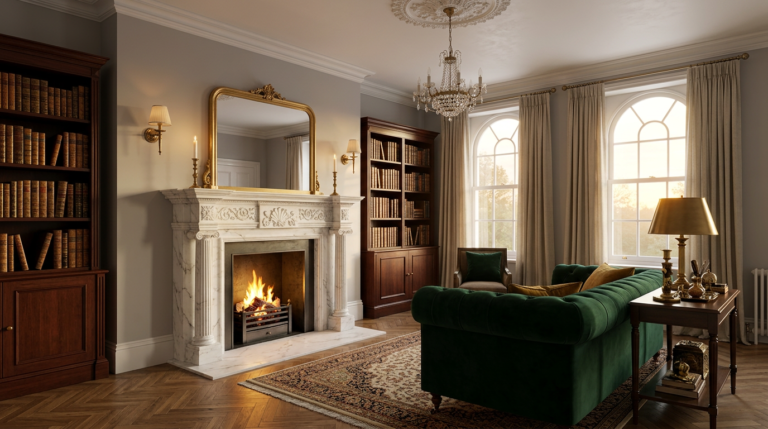

Modernising a coastal bungalow in Pembrokeshire on a budget means choosing durable, salt-ready materials and simple, timeless finishes that withstand sea air. Start with a practical plan, set clear must-haves, and build in a 10–15% contingency. Prioritize damp-proofing, energy-efficient lighting, and low-maintenance surfaces. Embrace thrifted finds and coastal greenery to add character without breaking the bank. Use restrained coastal colours and protected outdoor spaces to boost value. You’ll discover practical tweaks that pay off, and more tips ahead.
Key Takeaways
- Prioritize durable, salt-tolerant materials and airtight insulation to withstand Pembrokeshire coastal conditions while minimizing maintenance and heat loss.
- Phase the project with a realistic budget, 10–15% contingency, and milestones to avoid costly rework.
- Refresh common areas with neutral tones, energy-efficient lighting, and low-maintenance surfaces for a budget-friendly uplift.
- Implement damp-proofing and corrosion prevention through proper ventilation, corrosion-resistant finishes, and annual inspections.
- Use layered lighting, affordable protective coatings, and weatherproof outdoor elements to extend longevity and enhance coastal living.
Why Pembrokeshire Coastal Homes Require Thoughtful Upgrades
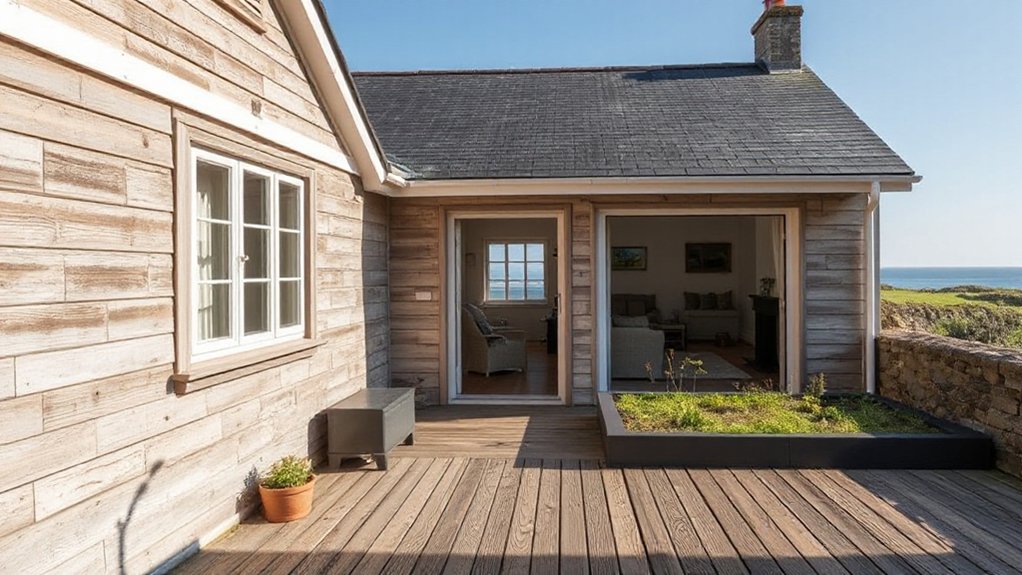
Pembrokeshire coastal homes demand thoughtful upgrades because their location brings unique challenges and opportunities. You’ll contend with salt, wind, and moisture that corrode surfaces and raise maintenance stakes. Harbor architecture informs layout choices, so you respect prevailing seas and use robust, water-friendly materials that endure exposure. You’ll prioritize airtight insulation and weatherproof detailing to reduce heat loss without obscuring character. Maritime landscaping isn’t just aesthetics; it buffers wind, reduces erosion, and channels spray away from foundations. You’ll select permeable paths and native flora to lower irrigation needs while sustaining coastal ecosystems. Plan access routes that accommodate deliveries and emergency services, without compromising views. By integrating these considerations, you’ll preserve charm while boosting durability, value, and livability for years of steady coastal living.
Set a Realistic Budget and Goals for Coastal Renovation
Setting a realistic budget and clear goals from the outset is essential for a coastal renovation you can actually complete. Start with a practical plan: outline must-haves, nice-to-haves, and a ceiling you won’t exceed. Budget planning isn’t just about numbers; it’s about sequencing work to avoid costly rework. Break projects into phases with defined milestones and decision points, so you know when to proceed or pause. Assign costs for materials, trades, and contingencies, and build in a 10–15% buffer for surprises tied to coastal conditions. Tie each cost to a specific goal—better insulation, brighter rooms, or lower maintenance. Keep goals measurable: timelines, budget limits, and expected outcomes. Regularly review progress, adjust priorities, and stay focused on completing a coherent, affordable upgrade.
Prioritize Damp-Proofing Against Salt Air
Coastal salt air accelerates damp and corrosion, so damp-proofing should be your first line of defense. You’ll want a practical plan that blocks moisture at the source and lasts. Focus on robust barriers, proper ventilation, and regular checks to prevent ongoing damage. Prioritise moisture control in key areas like foundations, walls, and joinery, where salt can penetrate quickly. Use corrosion-resistant materials and sealants designed for coastal conditions, then monitor signs of damp early.
- Inspect and seal exterior brickwork and gaps annually
- Fit breathable membranes and proper ventilation for bathrooms and kitchens
- Use moisture-resistant plaster and timber treatments
- Schedule seasonal damp surveys to catch salt-related wear early
Timeless Coastal Colours That Stand Up to Coastal Climates

Coastal colour choices endure with proper prep and durable finishes, so you’ll want paints and sealants rated for salt air and high humidity. Start with classic sea-tone palettes that pair well with weather-resistant finishes to keep shade and sheen consistent year after year. Focusing on long-lasting coastal paints supports both curb appeal and low maintenance in Pembrokeshire climates.
Coastal Paint Longevity
If you’re painting for a Pembrokeshire coast, durability comes first: choose palettes and finishes that resist salty air, sun, and wind-driven wear while staying true to a timeless look.
Coastal paint longevity means selecting tough products and smart application. You’ll want UV-resistant finishes, breathable coatings, and mildew-resistant primers to reduce peeling and chalking. Balance durability with colour permanence that won’t fade in marine sunlight. For upkeep, plan repaint intervals around seasonal coastal conditions to protect against salt spray and coastal erosion as a backdrop to your refresh. Consider hues that echo sea glass and dune sand, tying into Marine wildlife themes without shouting. Pair with solid woods and metalwork that age gracefully.
- UV-stable exterior paint
- Mildew and salt-lash resistant primers
- Breathable, flexible topcoats
- Regular inspection schedule
Weather-Resistant Finishes
Weather-resistant finishes keep your Pembrokeshire bungalow looking sharp, year after year, by pairing durable protection with timeless color. You’ll select finishes designed for sea air and frequent humidity, prioritising low maintenance and long life. Choose salt-resistant coatings on exterior timber and metal to slow corrosion and peeling, then sealant layers that resist mildew without yellowing. For fabrics, opt for weatherproof fabrics on outdoor cushions and awnings, ensuring you can keep spaces usable through wet seasons. Colour choices should stay light and coastal yet practical, using soft whites, pale blues, and muted greens that resist fading. Apply UV-stable topcoats to painted surfaces and recoat as needed in the first year to lock in vibrancy. Prioritise products with clear maintenance guidance and warranties.
Classic Sea-Tone Palettes
Natural sea tones never go stale, and choosing timeless coastal colors helps your Pembrokeshire bungalow stay on trend while weathering constant sea air. Classic sea-tone palettes ground interiors with softened blues, sage greens, warm taupes, and crisp whites, resisting salt and sun fade. You’ll notice beach inspired textures and nautical accentuation feel authentic without shouting. Use these hues across walls, cabinetry, and textiles for cohesion.
- Soft blue walls paired with white trim for brightness
- Sage accents beneath timber detailing for depth
- Warm taupe floors to hide wear and reveal character
- Subtle navy accessories to anchor the space
Keep finishes matte, not glossy, to mimic weathered surfaces. This approach delivers durable elegance without compromising coastal charm.
Budget-Friendly Lighting Ideas That Brighten Small Spaces
Start by recognizing how Plug Spaces and Shadows can influence a small room: you’ll want outlets arranged for flexible lighting layouts and to minimize visible cords. Combine Layered Light Techniques—ambient, task, and accent—to create depth without clutter, using compact fixtures and daylight-synced bulbs. With smart placements and clean design, you’ll brighten every corner without breaking the budget.
Plugs And Shadows
To brighten a tight coastal bungalow without blowing the budget, start with practical plug-in lighting that can be rearranged as you brighten different corners. You’ll minimise clutter while avoiding permanent fixes, and you’ll leverage portable lamps to shape shadows rather than create busy walls. Consider compact floor lamps near seating for reading and task work, plus wall-mounted sconces where outlets exist to save surface space. Place lamps to bounce light off light-coloured walls, softening shadow casting and widening the sense of space. Use outdoor outlets as weather-safe bases for illuminated decor that suits the sea air. Keep cables tucked and labeled for safe movement around every room.
- Flexible lamps for corners
- Wall-mounted sconces where possible
- Light-reflective surfaces
- Hidden, safe cables
Layered Light Techniques
Layered lighting is your smartest budget move for small coastal spaces: it blends ambient, task, and accent glow to broaden rooms without bulky fixtures. You’ll layer ceiling, wall, and surface lights so soft overall illumination meets practical tasks and mood needs. Use a dimmer on main lights to shift from bright daywork to cozy evenings, saving energy too. Think coastal practicality: a warm-toned floor lamp near seating, adjustable task lamps at desks, and subtle uplights behind art or shelving to avoid clutter while adding depth. Reuse existing fittings where possible and swap shades for brighter diffusion. Pair lighting with Seaside gardening-inspired greenery and natural textures to prevent glare. Finish with Beach inspired decor accents to reinforce the calm, open feel.
Smart Thrifted Finds to Stretch Your Pembrokeshire Budget
Smart thrifted finds can dramatically stretch a Pembrokeshire budget without sacrificing style. You’ll transform spaces with careful sourcing, quick fixes, and the right attitude toward reuse. Embrace Vintage textiles to add colour and texture without paying full price, and let Upcycled furniture take center stage with character that new pieces seldom match. Look beyond big-box stores and visit guild shops, flea markets, and charity outlets for real value. Prioritize items that need minor updates rather than complete overhauls, so you stay efficient and calm. Commit to a cohesive palette, then mix patterns and woods for warmth. Stay disciplined with measurements and delivery, avoiding impulse buys.
- Vintage textiles
- Upcycled furniture
- Local flea market finds
- Simple refurbishing tips
Low-Cost Renovations That Boost Resale Value
If you’ve been stretching a Pembrokeshire budget with thrifted finds, you’re already ahead in the game. Focus on small, high-impact updates that buyers notice first. Refresh paint in common areas with neutral tones to make spaces feel larger and brighter, then pair with clean, durable flooring that can withstand coastal wear. Swap out dated lighting for energy-efficient fixtures and guarantee each room feels cohesive; this elevates perceived value without a full remodel. Choose high-quality, durable surfaces for kitchens and bathrooms, prioritizing easy maintenance and timeless appeal. Implement smart storage solutions to reduce clutter, a proven seller perk. Luxury upgrades aren’t required; strategic, thoughtful improvements—and carefully chosen high end fixtures—deliver noticeable value on a tight budget.
Protect Finishes From Coastal Wear and Tear
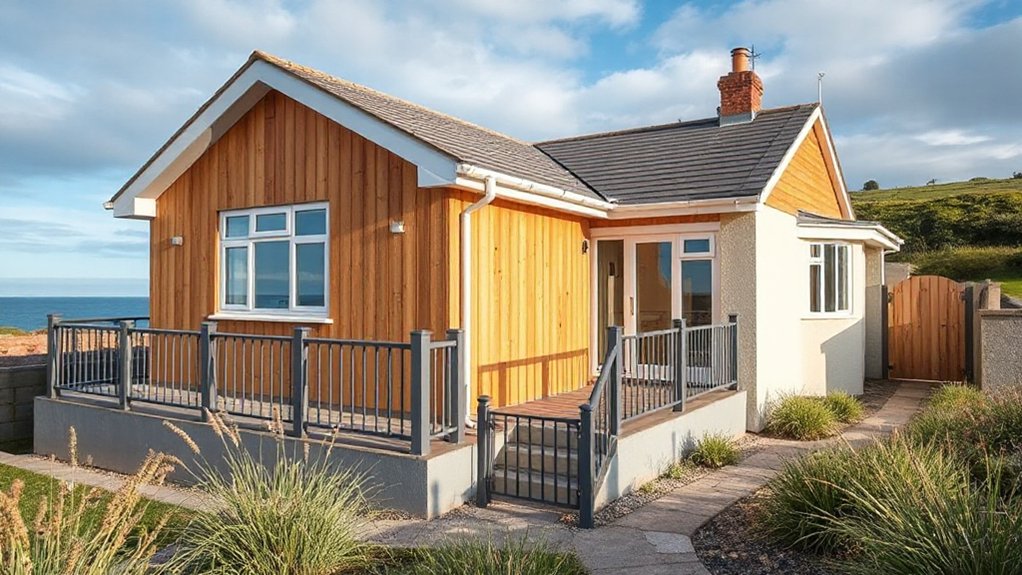
Coastal homes face salt, sand, and humidity, so protecting finishes starts with smart material choices and proactive care. You’ll choose marine grade finishes and salt resistant coatings to endure sea air, then maintain them with quick, regular checks. Apply sealants to wood and metal, and prep surfaces to prevent peeling or corrosion. Clean surfaces with a gentle, non-abrasive routine, and recoat when gloss fades or tips appear. Ventilate damp spaces to reduce mildew risk, and store outdoor tools away from direct spray. Use protective covers for furniture during storms and reapply coatings after heavy rain or salt spray. Consistency beats speed here, and disciplined upkeep keeps finishes looking fresh longer.
- Marine grade finishes
- Salt resistant coatings
- Regular cleaning and reapplication
- Protective outdoor covers
Plan a Simple, Timeless Coastal Scheme You’ll Love
A simple, timeless coastal scheme starts with a restrained palette and sturdy materials that weather the sea air. You’ll plan with practicality in mind, choosing Seaside architecture cues that stay fresh year after year. Limit color to two or three complementary tones—think stone, drift, and soft blue—so surfaces read cleanly and maintenance remains straightforward. Prioritize durable finishes: painted timber, laid bricks, and metal accents that resist salt spray. Create cohesion with a simple rhythm of windows, doors, and eaves, avoiding ornamental clutter. For landscape, embrace Coastal gardening that thrives in sea breezes: hardy grasses, native perennials, and low, pragmatic borders. Bind indoor and outdoor spaces with a protected terrace and simple seating. Finally, document decisions to keep the budget controlled and the look intentionally timeless.
Frequently Asked Questions
How Long Does a Coastal Renovation Typically Take in Pembrokeshire?
A coastal renovation in Pembrokeshire typically takes several weeks to a few months, depending on scope. You’ll plan interior lighting and garden landscaping concurrently, coordinating permits, weather, and trades for minimal delays, while keeping milestones and budgets tightly controlled.
What Grants or Funding Options Exist for Coastal Home Upgrades?
Sure, you can open grants like UK retrofit schemes and local authority funds. You’ll access marine insulation and wind resistant windows subsidies, plus energy efficiency grants. Apply early, document costs, and stack funding for practical, budget-conscious coastal upgrades.
Which Materials Perform Best Against Salt Spray and Wind?
You should choose salt resistant materials and windproof construction, because they resist corrosion and gusts. Prioritize stainless steel, treated timber, vinyl, powder-coated aluminum, and fiber cement. Pair with proper seals, coatings, and regular maintenance for longevity.
How Soon Before Moving in Should We Start the Project?
Start now and pace your planning; you’ll move in smoothly. Begin interior design decisions early, using eco friendly materials, so you’re not scrambling. Schedule groundwork and permitting promptly, and align selections with anticipated moving-in timelines and budget.
Are There Permit or Planning Restrictions for Small Coastal Renovations?
Yes, there are restrictions: check Environmental regulations and Heritage restrictions, especially for coastal properties. You’ll need permits for significant changes; small renovations may be exempt, but confirm with planning officers to avoid delays and guarantee compliance.
Conclusion
You can modernise a Pembrokeshire coastal bungalow without blowing the budget. Start with damp-proofing, then layer in timeless coastal colours and practical lighting to make small spaces feel larger. A smart mix of thrifted finds and resilient finishes keeps costs down while protecting value. Did you know homes near saltwater markets see 5–7% faster resale when finishes resist wear? Prioritise simple, durable upgrades, plan ahead, and you’ll enjoy a refreshed, lasting coastal home you’ll love for years.
About the Author