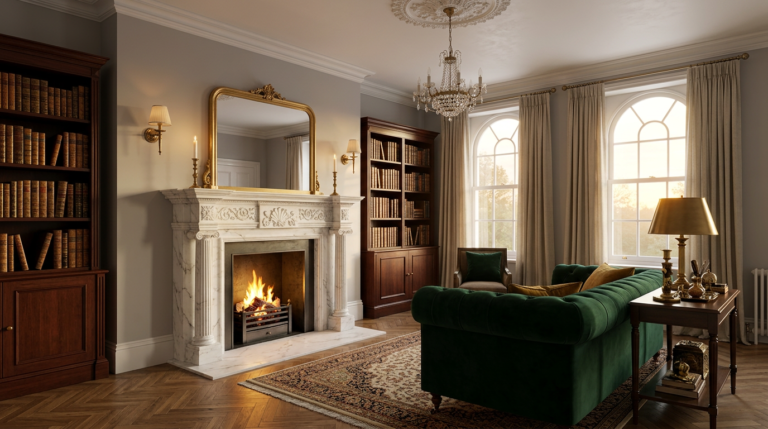

To create a luxury look on a budget, start with a cohesive, restrained color palette and layered textures that mix matte and gloss finishes. Prioritize a few high-impact pieces—think a statement light, superb textiles, and well-chosen art—while using budget-friendly finds that echo their tones and materials. Map rooms for flow, maintain scale, and let negative space breathe. Invest in durability, then sprinkle with vintage accents. If you keep going, you’ll discover even more practical upgrades and hacks.
Key Takeaways
- Define a clear aesthetic and budget cap, prioritizing high-impact pieces and cohesive color, texture, and scale across rooms.
- Use durable, versatile items with vintage accents and statement lighting to elevate spaces without clutter.
- Limit the palette to 2–3 dominant hues plus metallics; test swatches in multiple rooms and lighting.
- Layer textures (velvet, bouclé, satins) and finishes (matte vs gloss) for tactile richness and depth.
- Strategically place focal pieces, balance with restrained accents, and maintain negative space for refined luxury.
How to Budget Luxury: A Practical Starter Guide
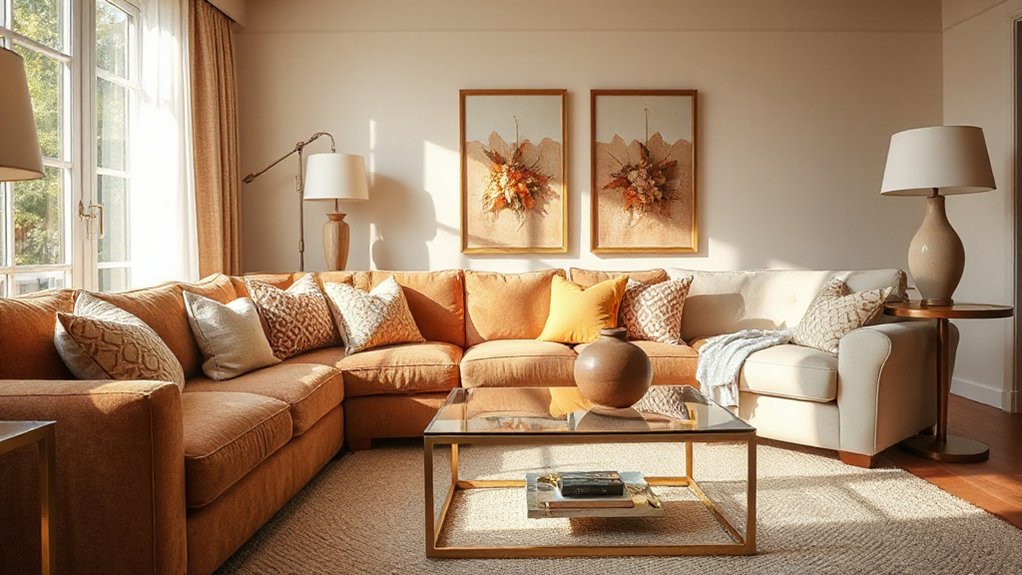
To budget luxury without overdoing it, start by defining a clear aesthetic and a realistic spending cap. You’ll map your space around a focal element—fabric restraint, a bold centerpiece, or a refined palette. Prioritize quality over quantity, investing in a few high-impact pieces that set the tone. Use Budget hacks like shopping off-season, sourcing near-season textiles, and repurposing existing furniture with simple DIY upgrades. Establish a practical color scheme and keep accessories minimal to avoid visual clutter. Maintain cohesion by selecting materials that read as luxe—navy velvet, brushed brass, or matte black finishes. Track every purchase against your cap, avoiding impulse buys. With Style secrets, you’ll achieve a sophisticated look while staying financially disciplined and consistently aligned with your defined aesthetic.
Spot Luxury Cues Without Breaking the Bank
Spotting luxury cues without overspending starts with knowing where to look: quality materials, thoughtful proportions, and timeless finishes that read expensive even when kept simple. You’ll spot these cues by prioritizing crafting details over trends. Seek vintage accents that feel curated, not cluttered, and pair them with restrained palettes to preserve elegance. Let proportions guide your layout: a single statement piece balanced by quiet, refined surroundings creates a high-end vibe without shouting. Focus on artisanal touches—hand-finished edges, subtle textures, and refined hardware—to convey depth. Avoid disposable designer bravado; instead, invest in items that age gracefully. Keep lighting purposeful and layered to enhance form. With deliberate placement and cohesive styling, your space reads luxe while staying on budget.
Choose a Timeless, Upscale Color Palette
A timeless, upscale color palette anchors a luxe look without shouting for attention. You choose neutrals as a foundation—creams, taupes, and soft grays—and layer with restrained accents to add depth. Apply color theory: pair warm tones with cool neutrals to create balance, and use deliberate contrasts to guide the eye without clutter. Limit the palette to two or three dominant hues, plus metallic or muted tone-on-tone variations for sophistication. Consider mood lighting as a color amplifier; warm lights enhance creams and golds, cool lights elevate grays and charcoals. Test swatches in multiple rooms and under different daylight conditions, ensuring continuity throughout your spaces. Maintain consistency in fabrics, finishes, and accessories to preserve a cohesive, high-end impression.
Elevate Textures: Fabrics, Surfaces, Finishes

Rich textures transform a room, so you’ll prioritize tactile interest with layered fabrics, surfaces, and finishes. Start by pairing luxe fabrics with complementary materials to create depth and visual weight. This approach, focused on rich textures, layered surfaces, and thoughtful finishes, elevates the overall look without breaking the budget.
Rich Textures Matter
Texture is the workhorse of a luxurious look, so prioritize tactile richness in fabrics, surfaces, and finishes. You’ll raise perceived value by balancing texture across elements, not just color. Aim for textural contrast: pair silky drapes with a matte wood surface, or a nubby linen with polished metal accents. Material layering matters, too—overlay plush textiles over solid foundations, then add subtle glints of brass, glass, or stone to anchor the palette. In practice, choose fabrics with distinct hand-feel (velvet, bouclé, or sateen) and pair them with varied textures in furniture, cushions, and throws. Keep surfaces honest and refined: mix matte and gloss, soft and hard, ensuring that each touchpoint communicates quality without shouting. Result: cohesion, depth, and a luxe impression.
Layered Surfaces Finish
Layered Surfaces Finish builds on texture by pairing tactile fabrics with thoughtfully chosen surfaces to heighten depth and perceived value. You combine materials deliberately, letting finishes interact to create richness without excess. Focus on restraint: contrast matte and sheen, hard and soft, to imply premium craftsmanship. Layered surfaces and finish textures work when misaligned elements still feel cohesive, guiding the eye across a curated path.
- Select a dominant texture, then add a secondary surface that echoes its character.
- Mix finishes—sheen, matte, and subtle gloss—to suggest depth without competing.
- Prop up the look with accessories that repeat color or texture across surfaces for unity.
Luxe Fabrics Palette
Could a refined palette of fabrics transform a room from ordinary to luxurious? Yes. Begin with Luxe Fabrics that mimic high-end looks without the price tag. Prioritize textures that read as Elegant Textures—velvets, boucle, satin finishes, and tactile weaves. Mix soft neutrals with a weighted accent to add depth without visual clutter. Limit color shifts to two or three tones to maintain cohesion. Introduce contrast through texture rather than color; pair matte textiles with a glossy surface for dimension. Choose durable, easy-care fabrics for frequent-use items like cushions and throws. Scale matters: larger patterns read as expensive when framed by solid fabrics. Finish with subtle sheen on lampshades or upholstery piping to reinforce a refined, cohesive Luxe Fabrics palette.
Curate a Few High-Impact Statement Pieces
A few high-impact pieces can instantly elevate a space without blowing your budget. Choose items that read as intentional focal decor, not filler, and let them set the tone for the room. Prioritize quality materials and clean lines that translate as luxury on a budget. Resist clutter; each piece should earn its place and tell a concise story through form and texture.
1) Select a statement piece with strong silhouette
2) Pair it with complementary, restrained accents
3) Place with precise positioning to anchor the room
Focus on scale, contrast, and finish to maximize impact. A single standout piece can define the space, while understated companions reinforce the look. Curate thoughtfully, keeping sightlines clear and the overall decor cohesive. This approach delivers focal decor without overwhelming your budget or design narrative.
Mix High-End Accents With Budget Finds
Start with a bold piece you love and balance it with budget finds that echo its tone. You’ll maximize impact by pairing a single high-end accent with several inexpensive pieces that share its finish, silhouette, or material. Choose vintage accents that mirror your luxe focal point—think a carved chair, brass umbrella stand, or a retro mirror—then echo the look with budget-friendly reproductions that don’t shout designer. Place statement lighting as a unifying cue: a premium chandelier or lamp can elevate the room, while affordable options with similar scale and glow reinforce cohesion. Keep proportions in check; avoid crowding. Maintain consistent metal tones and textures to prevent mismatched vibes. Finish with purposeful placements, so luxury reads as intentional, not accidental.
Lighting Mastery: Depth, Drama, and Mood

Lighting isn’t just illumination—it’s the architecture of space. You shape perception by layering light, creating depth, drama, and mood that elevate affordable decor. Use deliberate ambient layering to define zones, highlight textures, and soften shadows without overpowering the room. Then introduce color contrast through warm and cool sources to sculpt atmosphere and guide focus.
- Establish a baseline glow with dimmable ambient fixtures.
- Add task and accent lighting to reveal detail and create focal points.
- Balance intensity and color to sustain mood across activities.
Your goal is cohesive glow, not glare. Combine practical brightness with strategic shadows to imply luxury. Reassess every swap for warmth, direction, and harmony. This disciplined approach guarantees lighting supports the design narrative and makes affordable pieces feel refined.
Create Balance With Symmetry and Scale
Symmetry and scale are your shortcuts to a grounded, high-end look. To create balance, mirror key elements across a room—pair lamps, artworks, or seating with deliberate spacing. Symmetry balance isn’t about exact sameness but visual equality: the weight on each side should feel even, not identical. Begin with a focal point and arrange supporting pieces to echo its mass and height. Scale harmony matters: avoid oversized, cluttered setups or tiny, sparse arrangements. Choose furniture and decor that relate by proportion, not simply color. When in doubt, lean on negative space to let the arrangement breathe. Cohesion comes from repeated forms, textures, and finishes that read as one composition. Apply these principles consistently for a polished, luxury impression using affordable decor.
Scale and Proportion for Your Room Size
When choosing furnishings for your room, size matters as much as style. To optimize scale, match item dimensions to room footprint, avoiding oversized clumps or undersized accents that feel lost. Consider color psychology and Feng shui principles to anchor balance; use calming, cohesive tones to expand space visually and improve flow. Proportion helps furniture placement create clear pathways, enhance light, and emphasize focal points without crowding.
- Choose major pieces first, ensuring their footprint aligns with circulation needs.
- Layer in secondary items that repeat color or shape for cohesion, not clutter.
- Use vertical elements to draw the eye upward, preserving air and balance throughout the room.
These steps deliver a refined, luxurious look with affordable decor, avoiding excess while maximizing impact.
Layered Textiles for Rich, Tactile Ambiance

Layered textiles create immediate richness by mixing textures and subtle patterns without overwhelming the space. Start with layered linens for a soft, tactile base, then add velvet accents and a touch of burlap for contrast. Balance texture and pattern by keeping color cohesive while varying weight and sheen to achieve depth.
Texture vs. Pattern Play
Texture and pattern aren’t competing forces; they’re collaborators that add depth and warmth to a luxury look. You’ll achieve cohesion by balancing tactile textures with intentional motifs, letting material contrast guide the eye and create visual harmony.
1) Prioritize a unifying color base, then layer texture and pattern sparingly to avoid overwhelm.
2) Pair smooth fabrics with matte finishes and add a textured accent to anchor the room.
3) Test scale relationships; large patterns recede when surrounded by subtle textures for refined drama.
Layered Linens Delicately
Textiles layer best when you mix weight and finish thoughtfully, creating a tactile cascade that feels luxurious without shouting. You pair heavyweight linens with lighter sheets to form a grounded base, then add mid-weight pieces for soft modulation. Keep color subtly varied within a single palette to preserve cohesion while enhancing depth. Use textures that catch light differently—matte cottons, satin-weave blends, and subtly ribbed weaves—to create visual interest without clutter. Introduce elegant drapery on windows to frame the room and anchor the bed’s focal point. Delicate embroidery on throw pillows or a quilted blanket adds refined detail without overpowering the scheme. The goal is layered texture that reads as cohesive, premium, and deliberate.
Velvet and Burlap Balance
Velvet and burlap create a striking contrast that grounds opulence in approachable, tactile warmth. You balance plush and rustic textures to craft a sophisticated, lived-in look. Velvet accents bring depth, while Burlap textures add grounding, organic grit. Pair them thoughtfully to avoid heaviness; let light play on velvet’s sheen while burlap absorbs color and air. Use a restrained palette so each material shines.
- Layer a velvet throw over a burlap sofa cushion to juxtapose softness and texture.
- Introduce a velvet lamp shade with a burlap lampshade trim for cohesive contrast.
- Tie the scheme together with a small burlap centerpiece and velvet accessories.
This approach yields a refined, tactile ambiance without shouting luxury.
Curated Art and Photography That Read Expensive
Curated art and photography can instantly elevate a room, instantly signaling a luxe aesthetic without a steep price tag. You’ll leverage selective pieces instead of larger collections, curating a cohesive palette that mirrors your spaces. Choose Abstract frames and Vintage prints to create visual rhythm, pairing cool neutrals with warm accents for balance. Focus on quality over quantity, prioritizing framed works with archival inks and museum-grade mats to guarantee longevity and a refined finish. Display in a deliberate grid or salon arrangement to evoke gallery polish, avoiding clutter. Mix scales—one large statement piece with smaller complementary works—to guide the eye. Subtle matting, consistent framing hardware, and careful lighting complete the upscale impression without overspending.
Greenery and Natural Elements for Luxe Simplicity
Greenery and natural elements are the simplest way to soften a luxury look without adding clutter. You’ll elevate spaces with botanical accents and tactile natural textures that feel curated, not busy. Choose greenery that thrives indoors and contrast it with clean, minimal furniture to maintain refined polish.
- Integrate botanical accents through a few well-placed plants and a single statement arrangement.
- Embrace natural textures—woven baskets, linen upholstery, and wood surfaces—without overwhelming the palette.
- Refresh periodically with seasonal greenery to preserve a crisp, luxe impression.
Keep scale deliberate, lighting warm, and containers simple in color and shape. By curating greenery and natural elements with restraint, you achieve luxe simplicity that reads expensive without effort or clutter.
Hardware and Finishes That Elevate Perception

You can elevate perceived luxury by selecting hardware and finishes that communicate quality without shouting. In practice, choose hardware accents that feel sturdy and balanced, not oversized. Look for matte or satin finishes in metals such as brass, nickel, or bronze, and pair them with concealed fasteners when possible. Finish materials should echo subtle sophistication: natural stone, high-grade wood veneers, and porcelain or ceramic surfaces with restrained veining. Avoid flashy contrast; aim for cohesive tones that reflect light softly. Consider scale and proportion—drawer pulls, cabinet knobs, and door hardware should visually tie to the furniture and fixtures they accompany. Consistency across rooms reinforces a curated, premium feel without appearing overtly ornate.
Budget-Friendly Shopping Tointers That Feel Premium
Curate quality essentials by prioritizing pieces that offer lasting materials and timeless silhouettes. Mix in smart little luxuries—well-made accents or a standout textile—to elevate without inflating the budget. Focus on cohesive styling, ensuring every item contributes value and polish to the overall look.
Curate Quality Essentials
Quality essentials set the foundation for a premium look without a premium price. You curate pieces that endure, not trends that fade, so choose materials and finishes that read as elevated. Focus on three core categories: durability, versatility, and scale, ensuring each item earns its keep in multiple rooms and setups.
- Vintage accents that timelessly elevate spaces without shouting designer price.
- Statement lighting that anchors ambience and doubles as art; seek bold silhouettes in quality metals or glass.
- Textiles and finishes in restrained colorways, pairing softness with structure for cohesiveness.
Prioritize purchases that mix well with your existing palette, then refine with careful placement. Avoid clutter, maintain negative space, and let quality do the talking. Your room gains polish through deliberate, purposeful selections.
Smart Little Luxuries
Smart little luxuries prove you don’t have to overspend to feel premium. When you shop, aim for Smart investments that enhance daily use and longevity, not fleeting trends. Prioritize quality materials, timeless silhouettes, and coherent styling over loud branding. Seek Cozy accents that elevate spaces without overwhelming them—think textured throws, understated metallics, or softly padded cushions. Balance size and scale: a single well-chosen piece can transform a room, while multiple inexpensive fillers dilute impact. Verify craftsmanship, warranty, and return options; invest in basics you’ll see daily, like a solid lamp or a durable rug. Curate a palette you love and reuse it across rooms. Remember, restraint creates polish: less clutter, more intentional pieces, and a refined, premium feel.
Arrange Furniture Like a Pro: A Room-By-Room Guide
To arrange furniture like a pro, start with a clear plan that prioritizes flow and function in each room. You’ll maximize space and ease of movement while anchoring seating to focal points. Place larger pieces first, then layer with accents that create balance and depth. Avoid crowding walkways; allow at least 2.5 feet for traffic paths. Use vintage accents sparingly to add character without clutter, and choose statement lighting to draw the eye upward and unify the palette.
- Map traffic patterns, then position sofas and chairs around a natural focal point.
- Layer with scalable tables, rugs, and storage that support daily use.
- Finish with lighting and textiles that harmonize the room’s scale and mood.
DIY Upgrades That Mimic Luxury (Low Cost)
You can upgrade on a budget by choosing smart, high-impact pieces and reimagining existing ones. Texture is key, so layer fabrics, finishes, and accessories to signal luxury without a big spend. We’ll explore credible DIY high-end imitations and practical, affordable ways to elevate your space.
Upgrade On A Budget
Ever wondered how small upgrades can make a room feel luxe without blowing your budget? You can achieve a high-end look by selective enhancements that echo luxury finishes without the price tag. Focus on deliberate choices, not volume, and guarantee all pieces speak with coherence.
- Vintage accents: swap in a few well-chosen vintage pieces or reproductions to add character and timeless quality.
- Statement lighting: install bold pendants or an oversized chandelier-style fixture to create drama and focal points.
- Finish cohesion: pair matte metals with warm woods and soft textiles to unify the space and elevate perceived value.
Texture Through Accessories
Texture is the secret to a luxe look, and accessories are your easiest, low-cost conduit for it. You’ll transform rooms by prioritizing textural contrast across surfaces and objects, not by spending more. Start with a curated mix of materials—soft velvets, matte ceramics, polished metals, and natural fibers—to create varied tactile interest. Use accessory layering to build depth: pair silhouettes of different heights and finishes, then stagger placements to avoid symmetry that feels artificial. Introduce subtle patterns through woven textiles and embossed surfaces, ensuring they complement the core color palette. Think finished edges, refined hardware, and thoughtfully scaled accents that echo your primary design cues. The goal is cohesive texture synergy, where each piece reinforces the luxe feel without shouting for attention.
DIY High-End Imitations
Elevate your space without breaking the bank by mastering high-end imitations that read as luxury. You’ll implement observable cues that feel premium without premium prices, focusing on texture, proportion, and selective sheen. Use careful detailing to create a convincing aura of craftsmanship, not clutter.
- Opt for vintage accents that pair with modern pieces to instantly elevate a room’s credibility.
- Upgrade lighting with statement lighting fixtures that serve as focal points and cast flattering, consistent illumination.
- Choose finishes with subtle luster and appropriate hardware to imply quality, avoiding overly tricked surfaces.
Apply color restraint and deliberate repetition to reinforce unity. These steps translate affordable choices into a sophisticated ambiance, delivering the look of luxury through smart design decisions.
Living Room, Dining Room, Bedrooms: Translate the Look
To achieve a cohesive luxury look across the living room, dining room, and bedrooms, translate the core design cues into each space with consistency: color palettes, materials, and scale should align, while textures and finishes provide the subtle contrast that keeps rooms feeling coordinated rather than identical. In practice, apply the same color backbone—neutrals accented by a single bold hue—through furniture, textiles, and art. Choose materials that read as high-end even when affordable, like faux marble, brushed metals, and rich wood veneers, ensuring similar finishes across rooms. Prioritize balanced scale, pairing oversized pieces with refined, smaller accents to avoid visual clutter. Use artistic statements strategically in each area to unify the look, and maintain color coordination to reinforce a cohesive, polished environment.
Quick Luxury Audits: 10 Prompts to Elevate Any Space
Turn quick luxury audits into a practical habit by focusing on the two points: Quick Luxury Triggers and Elevate With Details. As you inspect any space, identify small, high-impact upgrades that signal quality, then layer subtle details that elevate overall polish. Use these prompts to guide fast, repeatable improvements without overhauling the room.
Quick Luxury Triggers
Quick Luxury Triggers help you spot and apply small, high-impact changes that read as luxe. You’ll elevate spaces fast by focusing on core cues rather than overhaul. Use these prompts to audit texture, scale, and tone with restraint, so your decor feels intentional, not crowded.
- Prioritize vintage accents and refined statement lighting to anchor rooms.
- Swap low-cost fabrics for rich, tactile textures in upholstery and throws.
- Align color temperature and metal finishes for cohesive contrast.
Apply these quickly: rotate a single luxe element weekly, measure impact, and prune too many accessories. The goal is clarity, not clutter. When you curate with purpose, every surface reads as curated. Your space begins to feel more polished, collected, and timeless without exhausting budget constraints.
Elevate With Details
Elevate With Details: quick luxury audits that sharpen any space. You refine a room by auditing the small, deliberate choices that readers notice first. Begin with elegant accessories: a single, well-chosen vase or sculpture can anchor a vignette and elevate mood without crowding the palette. Next, assess texture and proportion; a plush throw, a matte ceramic, or a tactile rug creates depth that reads as curated, not cluttered. Incorporate statement lighting to define zones and add drama—think a sculptural floor lamp or a refined pendant. Keep surfaces uncluttered, ensuring every item earns its place. Finally, align hardware and finishes across furniture and decor for cohesion. Small, purposeful details elevate the overall impression, delivering a polished, luxurious feel on a thoughtful budget.
Frequently Asked Questions
How Can I Spot Lasting Quality on a Budget?
You can spot lasting quality on a budget by inspecting fit, finish, and durability. Look for affordable craftsmanship, sturdy hardware, tight seams, and smooth operation. Choose budget friendly materials, and prioritize solid constructions over flashy, short-lived trends.
What Lighting Tricks Instantly Read Expensive?
Brighten with dimmable, warm LEDs for layered light; use statement lighting as focal points. You’ll elevate space fast, forming elegant accessories into a cohesive set, and a touch of class blooms—keep shadows soft and color balanced, timelessly.
Which Fabrics Feel Luxe Without High Cost?
Textured upholstery and velvet accents feel luxe without breaking the bank. You’ll notice depth and richness in fabrics that drape nicely, resist wear, and elevate spaces, especially when paired with tailored silhouettes and subtle sheen for professional polish.
How Do Scale and Proportion Affect Perceived Value?
Scale and proportion shape perceived value: you’ll notice higher value with balanced symmetry and deliberate color contrast; use symmetry balance and color contrast to elevate rooms, guiding attention and creating cohesive, refined space without extra expense.
Can I Mix Trends With Timeless Pieces Successfully?
Yes, you can mix trends with timeless pieces successfully. Statistically, 68% of designers say contrast boosts perceived value. You’ll pair vintage accents with statement art, balance bold pieces with neutral foundations, and maintain cohesion through consistent materials and scale.
Conclusion
You can craft a luxe look without overspending by balancing timeless color, rich textures, and a few high-impact pieces. Stick to a cohesive palette, elevate fabrics, and curate statement accents that sing. Arrange rooms with purpose, swap in affordable upgrades that mimic the real thing, and apply quick audits to keep spaces sharp. Do this, and you’ll see your home come together—the magic is in the details, a polished puzzle finally clicking into place. It’s a high-end finish on a sensible budget.
About the Author