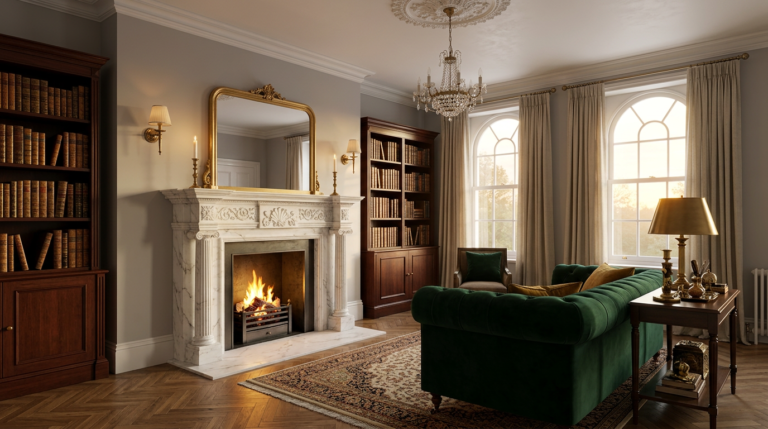
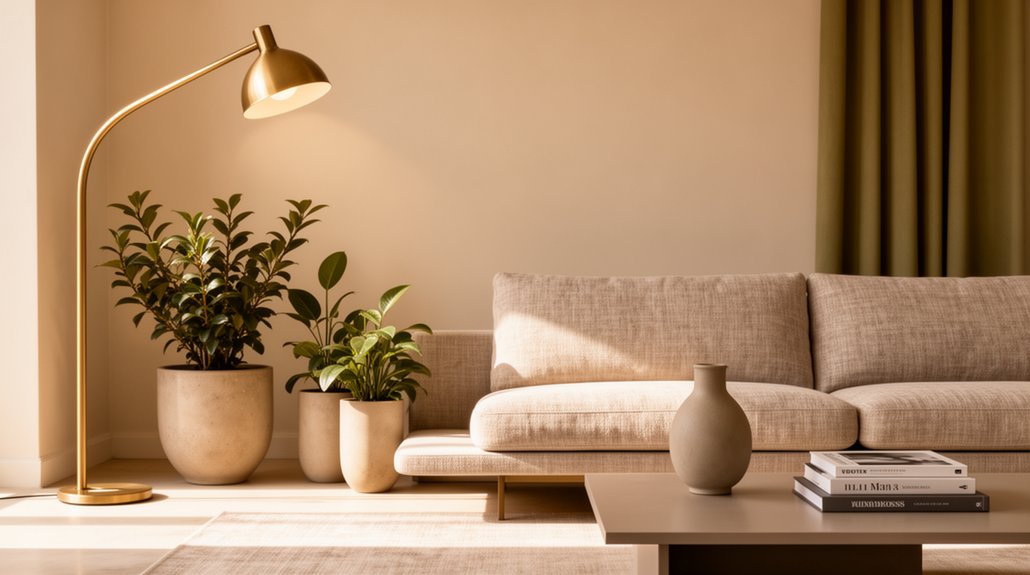
To update your home decor for 2025, define clear makeover goals and a pragmatic budget that prioritizes quick, high-impact updates. Choose a cohesive color story with 2–3 accents, and refresh textures through easy fabric swaps. Update lighting to balance mood and function, incorporating dimmable and smart options. Personalize with durable fabrics and strategic repaints, then plan seasonal refreshes to avoid overbuying. As you implement, you’ll learn how these elements grow your look over time.
Key Takeaways
- Define a 2025-ready mood board with a cohesive color story, layered textures, and sustainable materials to guide updates.
- Prioritize high-impact, affordable changes like paint, smart lighting, and updated textiles over major renovations.
- Integrate scalable lighting with tunable white, dimmers, and smart controls for mood, task, and atmosphere.
- Layer rugs and natural elements to create depth, warmth, and visual cohesion across spaces.
- Use adaptable window treatments and statement accessories to refresh spaces without heavy furniture replacements.
Define Your 2025 Home Makeover Goals

Setting clear goals is the foundation of a successful 2025 home makeover. You start by defining what “success” looks like for your space, then translate that into concrete targets. Identify how each room will feel, functions you must preserve, and upgrades that will deliver the most impact. Align goals with your personal style so the result feels authentic, not borrowed. Map these aims to a realistic timeline, noting dependencies and milestones. Consider how you’ll measure progress: mood, usability, and resale potential. Clarify what you’ll keep versus replace, and how lighting, textures, and color will harmonize across zones. Integrate budget planning into goal setting, prioritizing changes that maximize value and satisfaction without overreaching. Your clearly defined goals keep decisions purposeful and cohesive.
Set a Practical Budget for Quick Updates
Set a realistic budget you can stick to, focusing on affordable, high-impact updates. Prioritize quick changes that deliver visible results—think paint, hardware, and textiles—before tackling larger renovations. You’ll maximize impact by aligning your spend with your goals and limiting scope to what you can confidently complete.
Set Realistic Budget
When you’re updating a room on a deadline, define a practical budget that covers just the essentials and leaves a buffer for small, impulse-worthy changes. Set Realistic Budget means you’ll allocate funds to core updates first, then cap optional items. Begin with budget planning that prioritizes durable, high-impact choices—paint, lighting, and a focal piece—before decorative accents. Establish clear price targets and stick to them, avoiding overextension by measuring, shopping comparisons, and leveraging discounts. Align expectations with the room’s scope: trim costs by repurposing existing pieces or selecting versatile, affordable finishes. Track every expense in real time to prevent drift. Maintain realistic expectations about sourcing timelines and delivery constraints. This disciplined approach keeps updates cohesive, affordable, and timely, without compromising quality.
Prioritize Quick Updates
Prioritize quick updates by carving out a practical budget that targets fast-impact changes. You’ll allocate a modest fund for high-visibility tweaks that refresh the room without a full remodel. Focus on items you can swap or upgrade in a weekend, like swapping throw pillows, lamps, and seasonal textiles to reflect Seasonal color schemes. Invest in a few statement pieces that amplify the space without overwhelming it, such as an architectural mirror or a bold rug. Consider nonprofit or discount sources for Artistic wall displays to keep costs down while preserving impact. Track spend against a simple plan: prioritize updates that improve lighting, texture, and cohesion within existing layouts. Review results after each sprint, and reallocate funds as needed for ongoing momentum.
Choose a Cohesive Color Story for 2025
Start by building a cohesive palette that ties your rooms together through shared undertones. Balance hues across spaces so each room feels connected, even when you switch accents or furniture. Layer neutrals with selective pops of color to keep depth and interest without clutter.
Build a Cohesive Palette
A cohesive color story sets the tone for every room, guiding your choices from wall color to accessories. To build a cohesive palette for 2025, select a unifying base—soft neutrals or a grounded earthy tone—that anchors furniture and large textiles. Introduce two to three accent hues that reflect your personality, ensuring they contrast enough for interest without clashing. Consider color psychology: calming blues for serenity, energizing greens for productivity, or warm terracotta to invite coziness. Map finishes for practicality and depth: balance matte walls with satin trim, and reserve a high-gloss accent for focal pieces. Test swatches in natural light and at different times of day. Maintain consistency by repeating materials, textures, and metallics across rooms to reinforce harmony.
Balance Hues Across Rooms
To balance hues across rooms, carry your cohesive color story from one space to the next by repeating the same base and complementary accents while adapting intensity to room function. Your approach should rely on color psychology to evoke mood, and consider paint finishes that enhance texture without shouting contrast. Establish a clear ladder: base walls, mid-tone accents, and a few bold focal notes.
- Choose a unifying base and couple of complementary accents that flow between spaces.
- Adjust saturation for function: softer in bedrooms, richer in living areas.
- Test finishes under natural light to ensure consistency.
Layer With Neutrals and Accents
Layer neutrals and accents to build depth without losing cohesion, ensuring your color story remains soft enough for daily living while still delivering visual interest. To layer effectively, pick a restrained neutral base—think warm stone, taupe, or soft gray—and introduce complementary accents that echo your main hue. Neutral layering creates a calm backdrop, while subtle contrast keeps rooms from feeling flat. Use varying textures—linen, wool, silk, or matte finishes—to add dimension without overpowering the space. When selecting accent pairing, pair lighter neutrals with deeper tones for depth, or mix cooler and warmer neutrals to spark visual tension without chaos. Limit palette jumps to two or three accent colors to maintain harmony. In practice, test samples together in lighting hours, and adjust until your cohesive color story feels intentional and timeless.
Refresh Textures With Easy Fabric Swaps
With a simple fabric swap, you can refresh textures across your space in minutes. By focusing on textile layering and deliberate fabric patterns, you’ll add depth without a full refresh. Choose pieces that echo your existing palette to maintain cohesion.
- Swap throw pillows and blankets to introduce new textures, like knits or bouclé, for instant tactile contrast.
- Layer textiles on seating and drapery, mixing matte and subtle sheen fabrics to create visual interest.
- Hide the old patterns behind softer, more contemporary options, then reveal them in small accents for a controlled update.
This approach keeps rooms feeling curated, not cluttered, and lets you evolve textures seasonally without overhauling furniture.
Update Lighting for Mood and Function
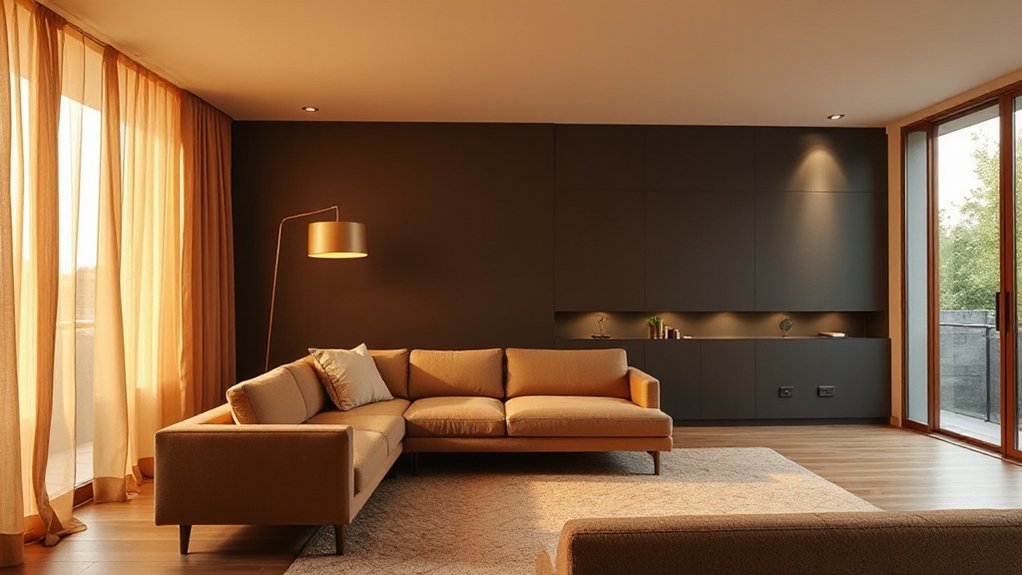
Layered lighting concepts let you mix ambient, task, and accent lighting to shape mood and support daily tasks. When you add smart lighting integration, you gain precise control, automation, and the ability to adjust scenes with ease. Start by mapping your rooms’ functions and selecting a practical combination of fixtures to adapt as needs change.
Layered Lighting Concepts
Strategically combine ambient, task, and accent lighting to transform any space for mood and function. Layered lighting concepts empower you to sculpt atmosphere while preserving clarity, using Ambient layering to set tone and Task illumination to boost focus. With thoughtful placement, you’ll avoid glare and wasted energy, ensuring every corner serves a purpose.
- Use dimmable fixtures to modulate mood without sacrificing function.
- Pair floor lamps with under-cabinet LEDs for balanced, flexible task light.
- Introduce subtle backlighting or wall washes to enhance depth and ambiance.
This approach keeps spaces inviting yet practical, aligning style with daily use. By prioritizing ambient layering and precise task illumination, you’ll achieve cohesive, refined environments that adapt from work to relaxation.
Smart Lighting Integration
Smart lighting integration lets you tailor mood and function in real time, leveraging sensors, presets, and app control to adapt to your routines. You’ll create zones that respond to occupancy, time of day, and activity, reducing clutter and energy waste. Use smart bulbs for color temperature and brightness shifts that match tasks or atmospheres, from bright work light to warm evening tones. Set scenes for breakfast, movie nights, and outdoor entertaining, then trigger them with voice control or automation routines. Prioritize compatibility across devices and platforms to avoid silos. Guarantee secure access with robust passwords and periodic updates. Keep wiring simple, and document configurations for easy tweaks as your space evolves. This approach delivers flexible, cohesive lighting that enhances mood and efficiency.
Layer Natural Elements Into Rooms

To create a room that feels grounded and inviting, layer natural elements throughout with intention. You’ll anchor spaces with texture, color, and life, balancing organic pieces with clean silhouettes. Focus on three practical moves:
- Add indoor plants in varied heights to create vertical rhythm and soften edges.
- Introduce natural textures—jute, linen, wood—through upholstery, rugs, and accents.
- Show restraint with organic accents, pairing quiet pieces with statement greenery for a cohesive, breathable look.
This approach centers on indoor plants and natural textures, delivering warmth without clutter. Choose materials that age well and pair them with neutral tones to preserve calm. By weaving nature into lighting, seating, and storage, you’ll achieve a refined, timeless sense of place.
Choose Tone-On-Tone Wall Art That Fits Your Palette
Tone-on-tone wall art should unify your palette with subtle momentum: choose pieces that echo your core hues and vary in texture, scale, and frame. You’ll establish color coordination by selecting artworks that subtly reflect nearby furniture finishes and textiles, avoiding abrupt contrasts. Aim for a cohesive wall arrangement where each piece complements the next, rather than competing for attention. Favor depth through layered materials—matte canvases with gloss accents or linen textures that catch light differently. Limit a single dominant hue and introduce nuanced shades for variety. Consider scale variety to balance room height and seating areas. Keep frames consistent or deliberately complementary to reinforce unity. With thoughtful wall arrangements, your space reads intentional, modern, and serene, guiding the eye without shouting.
Ground Your Spaces With Layered Rugs
Layered rugs anchor your seating area with texture and warmth, anchoring the tone you set with wall art and textiles. You’ll master rug layering by combining sizes, fiber textures, and patterns to create depth without clutter. Decorative borders frame the arrangement, guiding the eye across the room and tying coordinates together.
- Choose a dominant large rug, then add a smaller patterned rug with a complementary color.
- Vary textures—jute, wool, or cotton—for tactile contrast that reads as intentional.
- Align the front edges to create a cohesive base, leaving subtle negative space for breathing room.
Rug layering elevates the space without bulk, grounding furniture and guiding foot traffic. Use it to anchor focal seating areas and subtly echo wall colors for a polished, cohesive feel.
Budget-Friendly Window Treatments: Quick Upgrades

You can achieve a refreshed look with quick budget swaps, swapping out heavy drapes for lighter, airy panels or not-too-costly patterned fabrics. A light-litorial drapery makeover adds texture and polish without breaking the bank, letting your windows feel brighter and more intentional. Start with a simple frame, install a budget-friendly header, and you’ll set the tone for a more cohesive space.
Quick Budget Swaps
If you’re aiming for a quick upgrade, budget-friendly window treatments are where you’ll get the biggest payoff without breaking the bank. Here’s how to swap smartly and swiftly:
- Swap panels for solid colors or sheer fabrics to redefine light and mood.
- Add tension rods or magnetic rails for effortless, tool-free installations.
- Layer a valance or decorative tiebacks to boost texture without a full replace.
Budget hacks let you test styles without commitment, while maintaining a polished look. Seek pieces that align with your style inspiration—neutrals for versatility, or muted tones to anchor a bolder palette. Prioritize length, fullness, and light control to maximize impact per dollar. Quick swaps should feel intentional, not temporary, guiding you toward a refreshed, cohesive space.
Light-Litorial Drapery Makeover
Light-litoral drapery makeover delivers a fresher frame without breaking the bank. You can refresh rooms fast by rethinking curtain styles and layering fabric textures. Start with a neutral base and add a bold trim or a subtle pattern to create contrast without a full replace. Choose lightweight fabrics for airy light control, then pair with a heavier panel to anchor a window wall. Consider rod placement just above the frame to maximize height and brightness. If budget allows, swap cords for bead chains to modernize function and safety. Keep hardware cohesive—matching finishes streamlines the look. Finally, test combinations in daylight before committing; you’ll see how fabric textures interact with wall color, flooring, and artwork, ensuring a cohesive, polished finish.
Swap Accessories, Not Major Furniture

Wondering why you should swap accessories rather than major furniture? You gain fresh impact without the cost, disruption, or risk of mismatching large pieces. Focus on accessory layering to create depth, texture, and a curated feel that signals change without a full overhaul. Decorative accents act as a conversation starter, guiding how a room reads from entry to seating area.
- Reimagine surfaces with new vases, trays, and books to shift the mood.
- Vary scales and finishes—matte, metallic, and ceramic—to prevent sameness.
- Rotate focal pieces seasonally, keeping your core furniture intact for longevity.
Embrace Biophilic Accents for Calm
Biophilic materials matter because texture and natural palettes set a calmer, more grounded tone in any space. You’ll notice that greenery expressions—whether in plant form or subtle hues—reinforce serenity without overpowering design. Prioritize materials that feel honest and sustainable, and let them guide calm, cohesive accents throughout your room.
Biophilic Materials Matter
Biophilic materials bring the outdoors inside and calm the mind, so you should prioritize textures like warm wood, natural stone, cork, and plant-fiber fabrics that age gracefully. You’ll create a serene backdrop by pairing these elements with careful lighting and reduced clutter. Focus on durable, renewable materials that wear beautifully over time.
1) Select indoor-friendly woods with visible grain and warm tones to anchor spaces.
2) Use natural stone surfaces or tile accents for tactile contrast and enduring elegance.
3) Incorporate cork and plant-fiber textiles in upholstery, rugs, and accessories for breathable texture.
Pair with indoor plants to enhance air quality and add energy. Prioritize natural textures over synthetic finishes to maintain a grounded, timeless feel.
Calm Greenery Expressions
Calm greenery isn’t about overwhelming a room; it’s about strategic biophilic accents that soothe and focus the mind. You’ll lean into restrained greenery angles that feel intentional, not filler. Choose indoor plants with clean lines and subtle textures to avoid visual noise, and place them where they guide movement or frame views. Prioritize ease of care and consistency over abundance, rotating a few well-chosen specimens to sustain energy without distraction. Let nature inspired decor appear as tactile, quiet elements—woven baskets, stone pots, and matte surfaces that echo the outdoors. Use color palettes rooted in greens, soft neutrals, and earthy undertones to reinforce calm. Elevate with light, airiness, and balanced spacing, ensuring every plant earns its place.
Integrate Subtle, Smart Lighting That Syncs With Tech
Subtle, smart lighting should feel invisible yet transformative, syncing with your tech to elevate mood, workflow, and energy efficiency without drawing attention to itself. When you design with ambient illumination in mind, choose fixtures that blend into ceilings, shelves, and alcoves. Let lighting automation handle scenes for work, relaxation, and bedtime, so you stay in flow without fiddling with controls.
- Define zones and contexts, then program daylight, task, and accent layers that align with daily rhythms.
- Use tunable whites and proper color rendering to preserve true colors while supporting focus or calm.
- Guarantee devices connect reliably to your hub, enabling consolidation of switches, apps, and voice commands.
Create Flexible Focal Points in Every Room
Create flexible focal points that adapt as rooms change. In every space, you can anchor attention with a signature element that moves with you, not against you. Prioritize lighting techniques that highlight art, sculpture, or architectural details while remaining controllable for mood shifts. Use furniture placement to frame the view, creating a natural triangle of interest without crowding pathways. Mix scale and texture so a single piece can read as a focal point from multiple angles, then rotate accessories seasonally to refresh the scene. Keep the color palette cohesive, letting contrasts guide emphasis rather than overwhelm. Commit to adaptable materials and finishes that endure updates, not décor cycles. This approach yields timeless rooms with flexible, intentional focal points.
Curate Clutter-Free Storage Solutions
A clutter-free home starts with smart storage that supports your layout, not the other way around. To achieve calm, approach storage organization with intent, pairing function and aesthetics in equal measure. Use discreet solutions that blend with your decor, and label where helpful to reduce rummaging and improve clutter management.
- Select modular bins and stackable boxes to maximize vertical space without visual noise.
- Integrate concealed cabinetry and wall shelves to keep commonly used items reachable yet out of sight.
- Create dedicated zones for daily essentials, seasonal items, and when-doubt items, so everything has a home.
Focus on simplicity, durability, and accessibility, ensuring every piece serves a purpose. Revisit regularly to preserve a clutter-free, balanced living environment.
Mix Vintage Finds With Modern Pieces
Mixing vintage finds with modern pieces creates a layered, fresh look that feels intentional rather than fussy. You build depth by pairing a well-loved chair with a streamlined sofa, then balance finishes—matte metals, warm wood, and glass accents. Prioritize a cohesive palette to anchor contrasts, letting vintage textures shine without overpowering the room. Seek a clear focal point, such as a standout lamp or an antique mirror, and echo its tones across textiles and accessories to unify the space. Emphasize quality over quantity; select a few statement pieces and support them with subdued, contemporary basics. This approach delivers Vintage integration and Modern juxtaposition in equal measure, ensuring a sophisticated, livable environment that remains timeless, not trendy. Maintain proportion, avoid clutter, and let each piece tell a deliberate story.
Personalize With Colorful, Durable Fabrics
Colorful, durable fabrics let you personalize spaces without sacrificing practicality. You’ll select textiles that blend bold personality with lasting performance, prioritizing textile durability and easy maintenance. Your goal is to refresh rooms without frequent replacements, so choose fabrics that resist fading, pilling, and wear.
- Pick high-quality blends that balance softness, strength, and cleanup ease.
- Use color accents through statement cushions, throw blankets, and ottoman covers.
- Consider performance fabrics for high-traffic areas like sofas and dining chairs.
Repaint Key Surfaces Strategically
Strategically repainting key surfaces can redefine a room’s mood without a full overhaul. You don’t need to repaint every wall to achieve transformative effect; focus on high-visibility zones like accent walls, cabinetry, and trims. Choose colors rooted in color psychology to influence ambiance—calm blues for tranquility, warm ochres for inviting energy, or saturated greens for nature-inspired focus. Prioritize paint durability for areas with frequent use or moisture, selecting washable finishes in kitchens, baths, and hallways. Test swatches at different times of day to gauge lighting shifts. Prepare surfaces properly: clean, sand, and prime where needed to prevent peeling and ensure even color. Minimize disruption by batching projects, and document color names and codes for future touch-ups.
Plan Seasonal Refreshes Without Overbuying
Seasonal refreshes should feel intentional, not impulsive. Plan with purpose by identifying a cohesive seasonal color schemes palette and aligning it with your existing furniture arrangement. Focus on small, high-impact changes rather than wholesale swaps to avoid overbuying.
- Audit and isolate essentials: confirm what you own still fits your style and space.
- Swap accents, not core pieces: introduce color through textiles, art, and accessories to refresh rooms.
- Schedule staggered updates: implement one thoughtful change per week, noting how it shifts mood and flow.
Test, Tweak, and Grow Your Look Over Time
Test, tweak, and grow your look over time by adopting a disciplined, iterative approach. In practice, set measurable goals for each season, then test small changes before committing fully. Begin with color therapy concepts: observe how hues affect mood and energy, and adjust one component at a time—paint swatches, textiles, or accents—to verify impact. Next, refine furniture layout for flow and function; swap a sofa seating angle, relocate a rug, or rotate lamps to improve balance without overhauling rooms. Track results, noting what felt stronger or calmer. Preserve core elements you love, discarding what lacks resonance. Stay curious, patient, and disciplined; growth comes from deliberate experimentation. Over time, your space evolves into a cohesive, responsive environment that reflects your evolving taste and needs.
Frequently Asked Questions
How Soon Should I Start a 2025 Decor Refresh?
Start soon—within the next 6–8 weeks—to ride seasonal trends. You’ll tailor a polished 2025 refresh with DIY projects, testing color palettes and textures as you go, aligning choices with evolving seasonal trends for a cohesive update.
Which Small Updates Deliver the Biggest Impact?
Small, strategic updates deliver the biggest impact: choose bold decor accessories and refined wall treatments, then balance with neutral backdrops. You’ll notice texture and depth quickly, while keeping cohesion across rooms. Commit to a concise, polished refresh.
Can I Refresh Decor Without Buying New Furniture?
Yes, you can refresh without new furniture. Start with dramatic decor accessories and striking wall art, coordinating color, texture, and scale. Subtle swaps spark style, so you’ll refresh rooms with personality, polish, and purposeful, persistent charm.
How Do I Test Color Stories Quickly?
You test color stories quickly by swapping a few swatches, then observing in natural light. Use color pairing to compare contrasts, and mood setting to feel harmony. Trust your eye, adjust accents, and finalize with bold, confident truth.
What Budget-Friendly Sources Offer Durable Fabrics?
Sure—you can find Affordable textiles and Durable upholstery at budget retailers, wholesalers, and online outlets. You’ll want to verify fabric weights, flame retardancy, and care requirements, then sample swatches before committing, avoiding trends that wear quickly. Rewind, folks.
Conclusion
You’ve laid the groundwork, so let your space evolve with intention, not impulse. Your 2025 home is a living mood board, shifting with seasons and stories, a tangible reflection of you. Embrace texture, light, and color as allies, not rules. Test, tweak, and grow—just enough to feel refreshed, never overwhelmed. When every choice aligns with your goals, your home becomes a calm harbor and a joyful stage for everyday life. Your freshest, most authentic chapter starts now.
About the Author