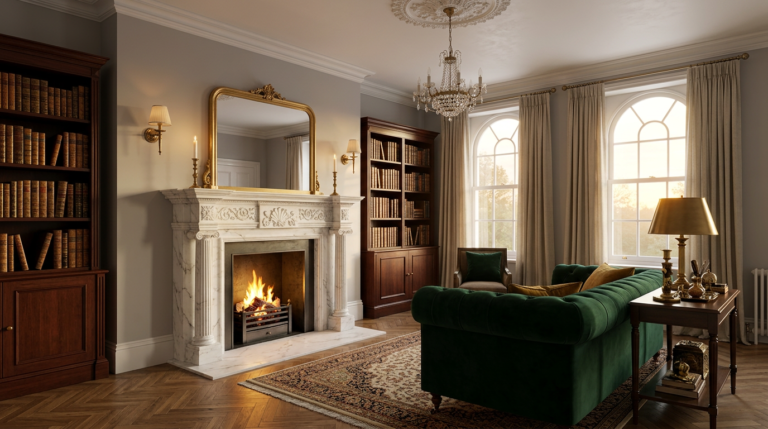

To restore a period flat in Edinburgh, start by valuing the property and identifying heritage constraints, then secure planning and listed-building consents. Plan a period-appropriate layout that hides modern comforts in plain sight, and source authentic materials for sash windows, cornices, lime-based plasters, and breathable finishes. Restore fireplaces with non-invasive, durable methods and document all work. Budget carefully with contingencies and appoint qualified trades familiar with Historic Environment Scotland standards. With careful execution, you’ll maintain character while improving performance, and there’s more to come.
Key Takeaways
- Assess value, constraints, and heritage status to inform design and budgeting for a period Edinburgh flat restoration.
- Obtain planning and listed-building consents with clear timelines, applications, and stakeholder communication.
- Preserve historic fabric (plasterwork, sash windows, floorboards) using traditional methods and breathable materials.
- Restore fireplaces and ensure proper ventilation with period-appropriate mortars and non-invasive finishes.
- Engage qualified trades, plan phased execution, and prioritize sustainable, provenance-documented materials.
Assess Your Period Edinburgh Flat: Value, Constraints, and Historic Status

Evaluating your period Edinburgh flat starts with a clear appraisal of value, constraints, and historic status. You assess current market value, potential renovation scope, and any preservation-related costs. Identify structural constraints, such as timber beams, plasterwork, and damp risks, that influence design and budgeting. Determine which features contribute to heritage value and which can be upgraded without compromising character. Consider listed-status implications, listing categories, and consent requirements that may affect works and timelines. Gauge access to financing, grants, and tax relief tied to energy efficiency upgrades and modern amenities. Prioritize improvements that boost efficiency while preserving authenticity. Plan a phased approach, balancing cost against impact. Document baseline conditions now, so you can measure progress and justify decisions to stakeholders, insurers, and prospective buyers.
Edinburgh Permits for Listed Buildings: What Needs Approval
If your appraisal pointed to historic status and listed features, you’ll need to know which approvals matter in Edinburgh. You must identify listed status, then confirm whether your project touches non-structural or structure-altering work. In practice, you’ll seek permissions from the planning authority and, where applicable, special exemptions for changes to appearance or materials on listed buildings. You’ll also check if a Scheduled Ancient Monument or Tree Preservation Order overlaps with your plans. Prepare detailed drawings, material specifications, and a clear timetable to support applications. Expect potential dual approvals for both planning and listed building consent. Throughout, consider Historical significance and Preservation challenges as guiding factors, ensuring alterations respect character, fabric, and settings while maintaining practical, compliant progress. Timely consultations with heritage officers can streamline approvals and reduce delays.
Plan a Period-Appropriate Layout for Modern Comfort
To create a period-appropriate layout that still delivers modern comfort, start by mapping essential daily routines onto a flow that mirrors historic Edinburgh homes: public-private zones, logical traffic paths, and accessible service cores. Prioritize a clear public front with reception, drawing rooms, and dining into one coherent corridor, while private areas—bedrooms, workspaces—stay secluded from daily pass-throughs. Align the service core to minimise interruptions: kitchen, bathroom, and laundry adjacent to circulation shafts, but discreet from entertaining spaces. Plan sightlines and acoustic control to preserve ambience, using door positions and partial screens to modulate noise without sacrificing openness. Integrate modern amenities through discrete integration points rather than overwriting period character, ensuring interior design remains harmonious with period proportions, materials, and scale. Focus on practicality, durability, and effortless daily use.
Source Authentic Finishes: Sash Windows, Cornices, and More

Source authentic finishes start with precise sourcing of sash windows and cornices that match Edinburgh’s period character. You’ll assess original maker marks, timber species, and profiles, then select sympathetic reproductions or refurbishments that honor scale and detailing. Focus on proven techniques for sash cord renewal and cornice stabilization to guarantee long-term performance without compromising historic integrity.
Sash Window Crafting
Sash window crafting blends traditional joinery with modern performance, ensuring authentic finishes that survive Edinburgh’s damp climate. You approach sash construction with precision: select seasoned timber, cut for damp resistance, and respect historic dimensions to preserve proportion. Use half-lap joinery and stopped rebates to minimize visible seams, then seal with breathable, flexible coatings that tolerate movement. For longevity, fit steel or brass hardware that resists corrosion and friction, ensuring smooth operation without draft. When glazing, choose putty that remains flexible and matches era aesthetics, then seal with a draught-proof brush pile to balance warmth and ventilation. Consider how Modern heating and Interior lighting influence placement and glare, guiding glazing choices and sash depth. Test operation under humidity cycles, adjusting weights and springs for consistent balance.
Cornice Restoration Techniques
Cornice restoration demands meticulous alignment with the building’s period character while ensuring structural soundness. To begin, assess the cornice line for cracks, loose plaster, and material decay. Remove nonbearing debris carefully, retain original ornamental mouldings, and photograph profiles before any intervention. When repairing, use lime-based mortars for compatibility with historic substrates, and apply thin coats to prevent cracking. Reattach detached segments with period-appropriate adhesives, then pin key sections only where necessary to maintain flexibility. For missing chunks, sculpt plaster repairs to match original profiles, then feather edges to blend. Refinish with breathable paints or lacquers that respect the site’s palette. Maintain a detailed record of materials and methods. These cornice techniques preserve decorative mouldings while safeguarding the structure and visual authenticity.
Restore Fireplaces Safely and Sustainably

To restore fireplaces safely and sustainably, start with a clear assessment of the existing structure, fuel source, and ventilation. You’ll verify load-bearing integrity, flue condition, and clearances before any work begins. Prioritize non-invasive methods to retain authenticity while improving safety. Choose compliant, low-toxicity finishes and durable, breathable materials that match the period’s character. For historic accuracy, document original features, identify surviving mouldings, and plan replacements that mimic profiles without duplicating modern shortcuts. Material preservation guides your decisions: preserve timbers, bricks, and plaster if sound; consolidate and repoint damaged masonry with compatible mortars. When in doubt, consult a conservation specialist. Guarantee proper ventilation during and after restoration, and test emissions and draft to confirm a safe, efficient, sustainable fireplace system.
Budgeting Historic Restorations: Costs, Timelines, Contingencies
Budgeting historic restorations requires a clear, realistic plan that aligns scope with funding from the outset. You map essential elements first, then add optional improvements as budgets permit. Start with a detailed cost baseline: materials, labor, surveys, permissions, and contingency—typically 10–20% for unforeseen issues. Set milestones tied to funding releases, enabling disciplined progress and timely decisions. Build in time buffers for planning approvals, contractor availability, and weather constraints common to Edinburgh’s climate. Prioritize durable, reversible choices that respect authenticity while allowing future upgrades. When evaluating options, compare long-term value over upfront price, emphasizing energy efficiency where feasible, and ensure compatibility with modern amenities without compromising period character. Document assumptions, track variances, and adjust forecasts quarterly to maintain control over costs and timelines.
Find Edinburgh’s Period-Architecture Trades
To locate Edinburgh’s period-architecture trades, start with a targeted search of firms specializing in conservation, parasitic on-listed structures, and traditional joinery. You’ll assess portfolios for work on timber sash, lime mortar, and decorative plaster, ensuring credentials with Historic Environment Scotland and local conservation officers. Prioritize tradespeople who document historical significance in project briefs, explain material choices, and cite proven restorations in Edinburgh’s architectural styles. Verify insurance, warranties, and site supervision protocols, and request detailed methodologies and timetables. Seek references from past clients and inspectors, confirming adherence to listed-building guidelines and planning conditions. Compare quotes, focusing on scope clarity and risk management. Establish communication channels early, clarifying approvals timelines and inspection cadence to avoid delays in sensitive, character-defining elements.
Sustainable Upgrades That Respect Character and Standards

Prioritize sustainable materials that align with historic fabric, such as low-toxicity finishes, responsibly sourced timber, and breathable, durable wall systems. Choose options that minimize invasiveness to original detailing while maintaining performance and longevity, and document material provenance for future upkeep. Start with a clear feasibility check: weigh embodied carbon, lifecycle costs, and compatibility with Edinburgh’s standards of character to guide practical upgrades.
Sustainable Materials Adoption
Sustainable materials adoption is about choosing options that honor Edinburgh’s period detailing while delivering long-term performance and environmental benefits. You’ll balance authenticity with durability, prioritizing materials that minimize impact without compromising look or feel.
- Use eco friendly insulation where appropriate, selecting breathable, low-embodied-energy options that fit within existing wall assemblies and ventilation paths.
- Favor renewable materials, such as responsibly sourced timber, natural plasters, and cork or flax infill, ensuring supply provenance and finish compatibility with period detailing.
- Verify material performance and compatibility with historic standards, documenting fire safety, acoustics, and moisture control to avoid long-term damage while sustaining comfort and efficiency.
Your decisions should be guided by quantified benefits, clear supplier certifications, and ongoing maintenance practicality.
Respecting Historic Fabric
When upgrading a period flat, you must respect the historic fabric while introducing durable, low-impact improvements. You identify existing features worth preserving—ornamental plasterwork, plaster ceilings, sash windows, and original floorboards—and plan interventions around them. Prioritize reversible modifications that don’t damage structure or historic finishes, and use traditional methods where feasible. For Modern renovation, choose materials that echo the period’s texture and color but deliver contemporary performance, such as lime-based plasters, breathable coatings, and low-VOC paints. Improve energy efficiency without altering silhouette: add insulation within wall cavities only where historically acceptable, install discreet mechanical ventilation, and upgrade heating with compact, efficient systems. Document interventions for future conservation, maintain a cohesive palette, and respect windows, doors, and joinery to preserve character.
A Practical Timeline: Survey to Finishing Touches

Once you’ve completed the initial survey, you’ll map a clear, step-by-step timeline from inspection findings to finishing touches, identifying critical dependencies and realistic milestones. You’ll sequencing tasks to minimize disruption, assign owners, and align budget with scope. This timeline guides decisions on Interior lighting and Modern appliances, ensuring compatibility with historic fabric while meeting modern expectations.
- Create a phased plan that prioritizes structural and services work, then finishes, with clear handoffs between trades.
- Set milestones tied to procurement, permits, unit readiness, and inspection sign-offs, plus contingency buffers for delays.
- Establish a final review checklist covering aesthetics, ergonomics, and energy performance before commissioning and handover.
Frequently Asked Questions
How Long Does a Period-Appropriate Restoration Typically Take in Edinburgh?
A typical restoration takes several months, depending on scope and funding. You’ll align milestones with planning approvals, and expect buffer for sourcing accurate materials. Prioritize historical accuracy, set a practical restoration timeline, and track progress daily for transparency.
Which Insurers Cover Period-Accurate Restorations in Listed Flats?
Insurance policies vary, but several insurers cover period-accurate restorations through listed flats; consult providers directly. You should contact restoration specialists to document scope, while insurers review listed-building clauses and policy endorsements before committing.
Are There Grants for Maintaining Historic Plumbing and Electrical Systems?
Yes, you can access grants for historic plumbing and electrical upgrades. You’ll need to consult local heritage bodies, apply for grants, and document condition; plan phased, compliant works that protect Historic plumbing and Electrical upgrades while meeting safety standards.
Can Modern Heating Be Concealed Within Period Finishes Without Harm?
Yes, you can, but plan carefully: choose modern heating designed for concealed installations, keep condensate and vents accessible, use slimducting where possible, preserve finishes, and consult a heritage specialist to avoid harming walls or historical charm.
What Are Common Hidden Costs During Period Restorations in Conservation Areas?
Hidden costs often arise from surveys, permissions, and bespoke finishes. You should budget for historical paint analysis and Victorian window restoration, plus skilled trades, scaffolding, and waste clearance to avoid surprises during period restoration in conservation areas.
Conclusion
Restoring a period flat in Edinburgh is a careful balance of history and practicality. Start with a precise survey, then align your plan with listing-status and permit requirements. Source authentic finishes, like sash windows and cornices, and restore fireplaces safely. Budget for contingencies, and hire period-architecture trades who understand lightweight sustainability. Think of your project like re-threading a historic tapestry: every stitch—structure, wiring, plaster, finish—must align. When completed, your home will breathe with character and modern comfort.
About the Author