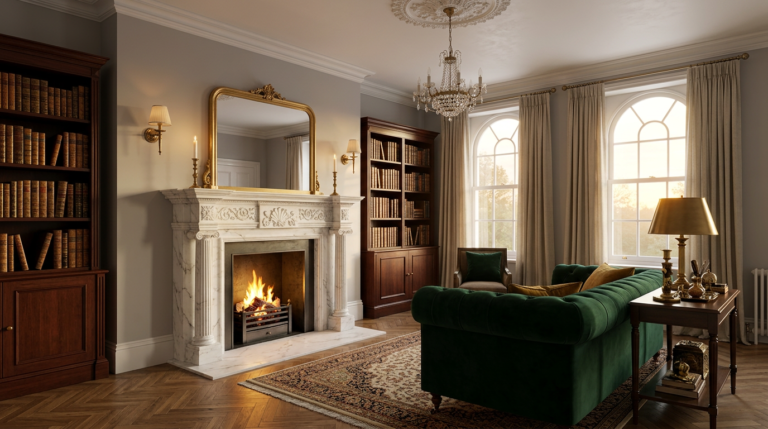

Set a clear overall budget before shopping, including must-haves and a contingency, then track every purchase to avoid creep. Start with a budget-friendly focal piece and build around it, upcycling existing furniture where you can. Layer textures and color with affordable accessories, keeping dominant hues to three and repeating accents for cohesion. Use layered lighting, affordable wall treatments, and budget finds from thrifts or online marketplaces. Reassess only items that affect function, and you’ll preserve style on a realistic budget—more tips await.
Key Takeaways
- Set a clear overall budget with must-haves, hidden costs, and a contingency to prevent creep.
- Start with a single bold focal piece and build around it using timeless, durable basics.
- Layer textures and colors with affordable accessories, limiting dominant tones to three for cohesion.
- Use layered lighting, warm bulbs, and mirrors to create depth and a luxe feel on a budget.
- Reuse, upcycle, and shop smart (thrifted finds, sales) while prioritizing durable, high-impact items.
Set Your Budget Compass for Every Room
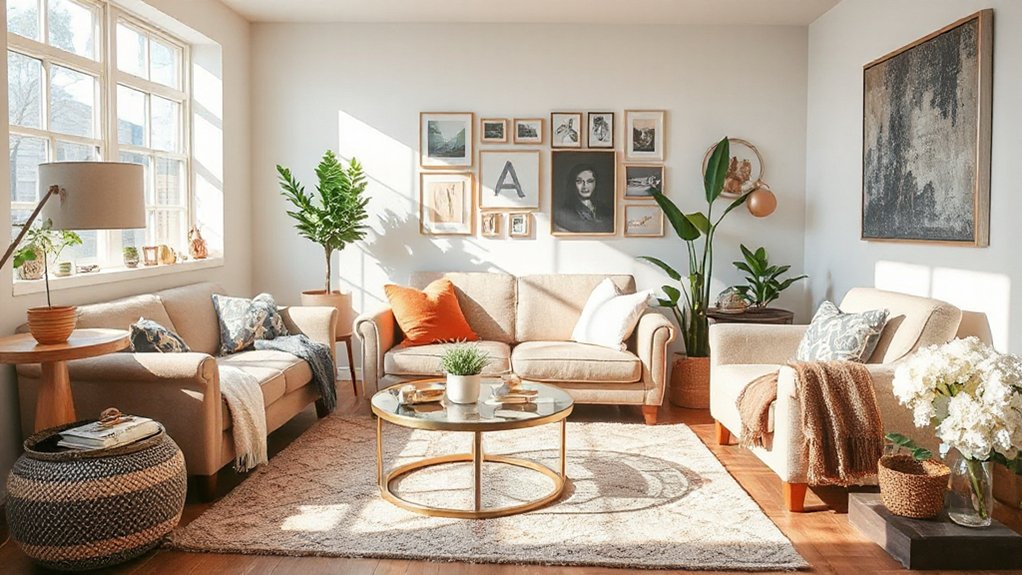
Set a clear budget before you shop, and treat it as your negotiation partner for every room. You’ll map each area’s essentials, then cap spend with a hard limit for decor, furniture, and upgrades.
Start with a realistic baseline: list must-haves, then assign dollar values that fit your overall limit. Track every purchase against the plan to avoid impulse buys and budget creep.
Anticipate hidden costs like delivery or taxes, and buffer a small contingency—don’t skip it.
Be aware of budget pitfalls that tempt you to overvalue style at the expense of function. Recognize decorating myths, such as “more is better” or “cheap equals poor quality,” and resist them with practical choices that balance cost and impact.
Stay disciplined, compare options, and revise as rooms evolve.
Choose a Budget-Friendly Focal Piece
A budget-friendly focal piece anchors the room without breaking the bank, so start with one statement item you love and can build the rest around. Your focal point sets the tone, so choose something bold yet versatile, like a striking rug, a sculptural lamp, or a gallery wall with cohesive frames.
Prioritize items with timeless silhouettes and durable finishes to maximize payoff. Balance scales by surrounding the focal piece with simpler furnishings in complementary colors.
Use lighting to enhance impact—spotlighting or layered lamps draw attention without adding clutter. Consider storage-friendly options that double as decor, such as an upholstered ottoman or a sleek console.
Refresh Furniture: Upcycle, Refurbish, Reimagine
If you want your budget-friendly focal piece to keep working for you, refresh your existing furniture instead of buying new. Upcycling, refurbishing, and reimagining let you control color, finish, and weight without inflating costs.
Start with sturdy foundations—sand, clean, and prime—then choose a direction: modern update, rustic revival, or vintage charm. Sanding reveals character; paint or stain choices redefine mood in a single afternoon. Replace hardware to transform drawers and doors with minimal effort.
Creative reuse means repurposing an unexpected item—convert a dresser into a media cabinet or crate into shelving. Document your process for consistency, and seal surfaces to protect against wear.
This approach yields durable, stylish results, emphasizing value, function, and a refreshed feel in your space.
Layer Textures for Depth on Any Budget

Textures are your secret weapon for depth without breaking the bank. You can layer tactically to add dimension without overhauling spaces. Focus on textural contrast and material layering to keep things cohesive and affordable.
- Mix fabrics and surfaces: pair a wool throw with a linen curtains or a faux fur pillow on a smooth upholstered chair.
- Vary scale and texture: combine matte ceramics with glossy metals, or rough jute with sleek glass accents.
- Build depth with layering: start with a base neutral, add a mid‑tone texture, finish with a subtle tactile accent like a woven rug.
Keep scenes balanced, avoid clutter, and let textures lead without shouting.
Add Color Pops With Affordable Accessories
Add color pops with affordable accessories by pairing budget-friendly accents with your existing decor. Mix bold hues in small pieces and let them repeat across lamps, pillows, and vases to create cohesive impact.
Use practical, concise choices that emphasize color without clutter.
Accessorize With Color
Color pops can transform a room without breaking the bank; start with affordable accessories in bold hues that reflect your style. You’ll leverage color psychology to choose pieces that affect mood and energy, then tie them into seasonal palettes for cohesion throughout the year.
Focus on small, repeatable accents that can be swapped as trends shift or lighting changes.
1) Swap throw pillows and a single accent rug to introduce a new hue without overhauling the space.
2) Add a bold lampshade or vase, coordinating with existing furniture for a unified look.
3) Layer wall art or a decorative tray in complementary tones to reinforce your color story.
Keep it balanced: limit to three dominant colors, and let neutrals ground the space.
Budget-Friendly Accents Repeat
To keep your space fresh without overspending, borrow cues from your color plan and repeat affordable accents. You’ll reinforce cohesion by echoing the same hues in small, affordable pieces across rooms. Choose budget-friendly decor that acts like a chorus: cushions, vases, or throws in a shared palette.
Mix textural variety with simple shapes to keep it dynamic without clutter. Look for vintage finds and affordable reproductions to add character without a high price tag.
Create focal points with a few bold items and repeat them in secondary spots to unify the look. Display collections as artistic displays, not junk clutter, and rotate pieces seasonally to maintain interest.
Repetition builds style, while restraint preserves budget and clarity.
Bold Hues, Small Pieces
Brighten a room quickly with bold hues from small, affordable accessories that punch above their price tag. You’ll add personality without overhauling your decor. Focus on bold hues in limited, deliberate ways, so they read as intentional accents rather than overstated statements.
Choose small pieces that layer texture and color—think cushions, vases, and trays—in vibrant tones to lift dull spaces. Pair these with neutrals to keep balance and avoid clutter.
With bold hues, small pieces create focal points and quick refreshes that feel upscale, affordable, and practical.
- Cushions in a saturated color or pattern
- Colored vases or bowls on a coffee table or shelf
- Statement trays or lamps that anchor a vignette
Accessorize in Stages to Stretch Your Budget
Start by staging your accessories in layers, so each piece earns its keep and you can see how they interact.
Use budget-friendly layering strategies to mix sizes, textures, and finishes without overwhelming the room. This approach keeps your style flexible and affordable as you refine the look over time.
Staging Your Accessories
Staging your accessories in stages helps you stretch a tight budget without sacrificing impact. You’ll optimize spaces by repeating a core color or texture and rotating items seasonally for fresh appeal. Focus on deliberate placement, not quantity, and let negative space do the work.
- Accessory arrangement: group pieces in odd numbers, vary heights, and anchor with a bold focal item to create visual flow.
- Decorative layering: layer textiles, metals, and prints for depth, then swap one element monthly to refresh the scene without buying more.
- Cohesion over chaos: maintain a unifying thread—color, material, or theme—and prune clutter to preserve clarity and purpose.
Budget-Friendly Layering Strategies
Layering your decor in stages is a smart way to maximize impact without overspending. Start with a foundation: a neutral base and a single statement piece.
Add layered textiles—throws, cushions, rugs—in complementary textures and tones to create depth without overwhelming the space. Think in layers that you can remove or swap seasonally, not overhaul yearly.
Practice color coordination by sticking to a cohesive palette; pick 2–3 core hues and vary their saturation across textiles and accessories.
Introduce height with baskets, candlesticks, or lamps to draw the eye upward and balance proportions.
Use scale as a unifier—smaller accents for intimate nooks, larger pieces for focal walls.
Finally, reassess every few weeks; small adjustments yield big, budget-friendly upgrades without clutter.
Affordable Wall Treatments That Read Luxe
If you want walls that look high-end without breaking the bank, start with affordable textures and finishes that read luxe. You’ll surprise yourself with how subtle shifts transform a room, especially when you couple affordable options with strategic accents like vintage textiles and statement rugs.
- Add textured wallpaper or fabric-backed panels in neutral tones to create depth without circus-level price tags.
- Choose high-contrast paint finishes (matte with a satin or eggshell sheen) to mimic premium plasters and planks.
- Layer textiles and trim—pillow-like wall treatments or fabric panels—to evoke luxury while staying budget-smart.
These choices deliver refined impact, leveraging vintage textiles and statement rugs elsewhere in the space to unify the look.
Lighting Tricks for a Warm, High-End Vibe

Layered lighting tricks let you build depth without clutter, starting with ambient, task, and accent layers to sculpt the room’s mood. Use warm bulbs and dimmers to create a soft, inviting glow that reads high-end without breaking the budget.
We’ll explore warm glow tactics and practical setups you can implement today to elevate any space.
Layered Lighting Tricks
To create a warm, high-end vibe, combine multiple light sources at different levels and intensities so each area feels inviting without glare. You’ll shape mood by layering brightness—from ambient to task to accent—without overlighting. Use smart lighting to adjust scenes with a tap, creating a cohesive, layered ambiance across rooms.
- Layer fixtures: install dimmable ceiling, wall sconces, and a table lamp to balance shadows and highlight architectural features.
- Vary color temperature: mix warm (2700K) and neutral tones to avoid flat lighting and enhance texture.
- Zone control: group lights by function, enabling dedicated setups for reading, relaxing, and entertaining.
This strategy delivers practical versatility, cost efficiency, and a polished, high-end feel.
Warm Glow Tactics
Want a room that feels warm and inviting from the moment you enter? Use warm bulbs and steady levels to create ambient lighting that simulates natural dusk. Swap harsh overheads for layered sources: a dimmable main light, a couple of table lamps, and a wall sconce for depth. Aim for even spread, avoiding glare and stark contrasts.
Choose bulbs in 2700–3000K for a cozy ambiance without yellow cast. Use lampshades and dimmers to soften brightness and control mood. Position lighting near seating areas and focal decor to draw the eye without shouting.
Add reflective surfaces—mirrors, metallic accents—to bounce light subtly. Keep cords tidy, opt for energy-efficient LEDs, and adjust throughout the day to preserve warmth and affordability.
Curate Artwork and Personal Touches That Elevate
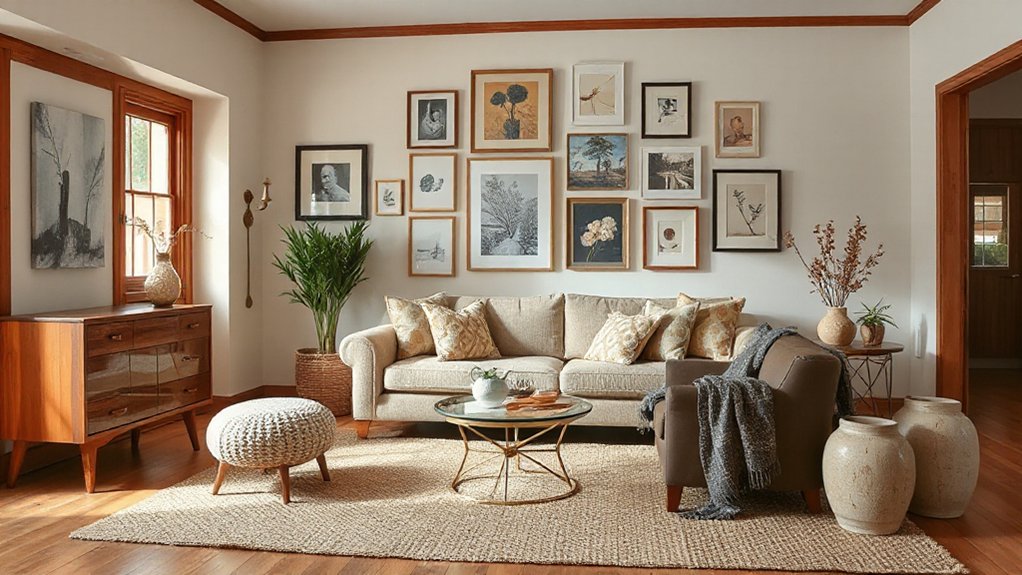
Curating artwork and personal touches is essential to elevate a budget-friendly home. You’ll maximize impact by selective display, thoughtful grouping, and consistent framing. Focus on cohesive themes, color accents, and personal stories that resonate, not clutter. This is Artistic curation in action: meaningful pieces over quantity, quality over flash, rhythm over randomness.
- Curate with intent: choose pieces that reflect you and unify rooms through color or mood.
- Frame strategically: matching frames or a unifying mat ties disparate works into one gallery feel.
- Rotate and refresh: swap in seasonal favorites to keep the space feeling alive without overspending.
Personal touches amplify character, while disciplined curation keeps rooms calm, polished, and intentional.
Where to Find Hidden Budget Gems for Decorating
Hidden budget gems are everywhere if you know where to look. You’ll maximize style by targeting places that routinely refresh inventory and reward quick decisions. Start with local thrift stores, estate sales, and charity shops—scan racks fast, assess condition, and picture polish with subtle touches like cleaning and lighting.
Don’t overlook flea markets and consignment shops, where you can negotiate and discover one-off pieces that add character. Online marketplaces can yield surprising Budget finds, especially when you filter for “local pickup” to save shipping.
Visit warehouse stores during restock days for discounts on displays, rugs, and lamps. Check end-of-season sales, discount outlets, and even neighboring neighborhoods for hidden gems—sometimes the best pieces aren’t in your first search.
Maintain a critical eye, and you’ll curate a cohesive look.
DIY Details That Add Real Value (Not Just Perception)
DIY details matter because they deliver real value, not just visual appeal. You’ll notice how small upgrades boost longevity, usability, and perception of quality without costing a fortune. Focus on tangible benefits: durability, cleaner maintenance, and smarter maintenance cycles.
When you choose details with purpose, you create spaces that perform as well as they look, delivering true value enhancement.
1) Upgrade hardware and finishes to endure daily use, reducing future replacements.
2) Prioritize layout-safe additions like adjustable lighting and hidden cord management for cleaner, more flexible rooms.
3) Opt for multi-purpose pieces and quality textiles that resist wear while elevating comfort and function.
Room-by-Room Budget Allocation Made Simple
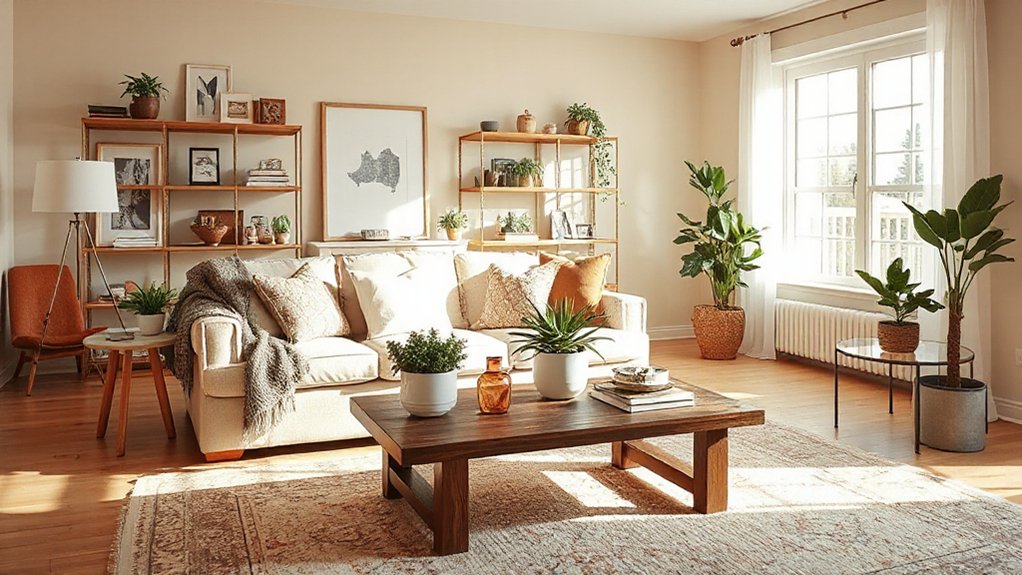
Start by mapping out the essential rooms first—kitchen, living, and bedrooms—then assign a clear ceiling for each, based on your overall target.
Next, allocate budgets by room using a simple ratio: essentials (60%), upgrades (25%), and accents (15%). Prioritize items with high impact—lighting, storage, and durable finishes—then adjust as you shop.
Color psychology guides mood shifts, so choose palettes that align with function: calm neutrals in bedrooms, energizing accents in the living room, and practical, wipeable surfaces in the kitchen.
Apply Feng shui principles: clear pathways, balanced furniture placement, and clutter control to maximize flow and perceived space.
Track actual spend against ceilings weekly, trimming non-essentials if you exceed targets.
Reassess quarterly to keep décor aligned with evolving needs and goals.
How to Create a Cohesive Look With Mixed Pieces
To create a cohesive look with mixed pieces, you should mix textures intentionally to add depth without clutter.
Balance proportions across items so no single piece dominates the room.
Then tie everything together with cohesive accessories.
Use a unifying palette or recurring finishes to bring cohesion across diverse pieces.
Mix Textures Intentionally
Texture is the backbone of a cohesive room, and mixing materials on purpose helps you achieve depth without clutter. You’ll leverage texture to keep spaces inviting while staying budget-smart, using deliberate contrasts to anchor your design.
- Match scale and finish: pair matte with subtle sheen, and vary fiber sizes for tactile layering.
- Create textural contrast: combine natural fibers (hemp, jute) with smooth surfaces (glass, metal) for visual interest.
- Layer strategically: place soft textiles under sturdy pieces to ground the room and guide the eye.
Balance Proportions Across Pieces
Mix mixed pieces into a balanced whole by sizing and proportioning them with intention. You’ll achieve proportional balance by pairing large anchors with smaller companions, so none overwhelms the room.
Start with a dominant element—sofa, rug, or cabinet—that sets scale, then add pieces that relate to it in height, width, and silhouette. Use consistent visual weight across groups: same finish, similar materials, or matching tones.
Group items in odd numbers for natural rhythm and avoid perfect symmetry, which can feel stale. Consider the negative space around each piece; breathing room enhances visual harmony.
If a piece seems off, swap its position or size, not its function. Prioritize comfort and function, then adjust scale until the composition feels unified and purposeful.
Proportional balance guides budget-conscious choices toward coherence.
Bring Cohesion With Accessories
Accessories tie a room together by repeating the theme, finishes, and colors you’ve already established. When you mix pieces, aim for deliberate harmony rather than perfect match. Use vintage vignettes as anchors, pairing them with contemporary basics to bridge styles.
Focus on accessory alignment: line up heights, margins, and groups so every cluster feels intentional, not random. Keep metal, wood, and textiles within a cohesive palette, and avoid competing patterns. Small, thoughtful contrasts create depth without chaos.
1) Group items by height and spacing to form balanced silhouettes.
2) Match metal tones across frames, lamps, and hardware for a unified glow.
3) Use a single unifying color accent—repeat it in pillows, art borders, and a single throw.
When to Invest: Strategic Splurges for Impact
Strategic splurges aren’t about impulse buys; they’re about allocating budget to pieces that uplift the room’s function and feel. You don’t need to max out every category; you need to pick high-impact items that wear well and last.
Prioritize areas where durability matters: seating, storage, and lighting, where form enhances daily use. When you invest, choose luxury fabrics for upholstery and cushions that endure wear and maintain tone.
Opt for timeless silhouettes over trend-driven shapes to extend lifespan. Consider smart investments in fixtures that improve mood and utility—well-made lighting, solid wood furniture, and quality hardware.
Balance splurges with budget-friendly accents to preserve cohesion. Reassess every season, replacing only what shifts the room’s performance, not its essence.
Frequently Asked Questions
How to Track the True Cost of Decorating Over Time?
You track the true cost by logging every purchase, receipts, and install dates, then update a running total. Use Cost tracking and Budget planning to compare estimates to reality, adjust goals, and forecast future decorating expenses accurately and consistently.
Which Materials Balance Budget With Durability Best?
Savage fridge-magnet theater aside, you’ll want affordable furniture and sustainable materials. You balance budget with durability by choosing solid wood composites and high-quality laminates, pairing recycled fabrics with sturdy frames, and prioritizing timeless designs you’ll actually use daily.
Can You Decorate Small Spaces Without Feeling Cramped?
Yes, you can. You’ll optimize space by smart furniture arrangement and lighting optimization, avoiding clutter. Use multi-functional pieces, keep sightlines clear, and choose mirrors to bounce light. You’ll feel roomier, organized, and comfortable in a small space.
How to Avoid Trendy Purchases That Quickly Date?
Take the long view and skip passing fads. You avoid trendy purchases by gravitating toward vintage finds and timeless accessories, because these stay relevant. You’ll curate durable, chic pieces that resist dated vibes and stretch your budget.
What Unseen Costs Should Be Planned For?
Hidden fees can sneak in, so plan for delivery, installation, and maintenance to avoid surprises. Track receipts, set a cushion for budget missteps, compare quotes, and review warranties—you’ll stay practical, authoritative, and efficient without blowing your limits.
Conclusion
You can decorate on a budget without dulling style, if you plan smart and stay hands-on. Start with a clear budget compass, pick a standout focal piece, and refresh what you already own. Layer textures, add affordable color pops, and weave DIY details that feel real, not forced. Allocate by room, keep pieces cohesive, and save for strategic splurges where it counts. Think of your home as a well-edited mosaic—every piece earned, not merely bought.
About the Author