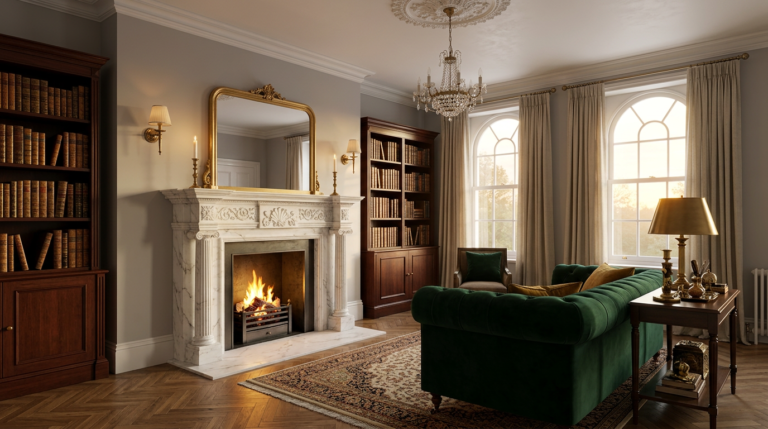

To choose the perfect area rug, start by matching function, size, and fiber to each room. For living spaces, prioritize durability and shade with layered textures; dining areas need stain resistance and room for chair movement; hallways benefit from low-pile wear resistance, while bedrooms reward plush comfort. Measure carefully, allowing 18 inches beyond seating and testing layout with tape. Consider color harmony, then layer neutrals with subtle patterns. If you want more, you’ll uncover deeper placement, care, and sourcing tips.
Key Takeaways
- Assess room function and traffic to determine appropriate pile height, durability, and underfoot feel for each space.
- Match rug size and shape to furniture layout, ensuring proper clearance and edge alignment with key seating lines.
- Develop a cohesive color palette by using one dominant hue with two supporting tones from textiles and finishes.
- Consider seasonal styling and layer rugs to add depth, using neutral foundations with patterned top rugs.
- Prioritize fiber choice and construction (e.g., wool, synthetic blends, dense weave) for durability, stain resistance, and ease of maintenance.
What Makes a Rug Perfect for Each Room

Choosing the right rug starts by evaluating each room’s function, traffic, and furniture layout. In this section, you’ll map room needs to rug features with precision.
For living spaces, prioritize durability and shade, then consider rug layers that add depth without overwhelming the seating.
In dining areas, opt for a stain-resistant pile and a size that accommodates chair movement when tucked.
Hallways demand compact, low-pile options that resist wear.
Bedrooms benefit from plush textures that invite stepping onto comforting fibers.
Cultural patterns can inform your palette, grounding a scheme without clashing with other decor.
Rug layering lets you mix textures for visual interest, while maintaining balance.
Your goal: a cohesive, purposeful foundation that enhances every room’s use.
Measure Twice: Sizing Area Rugs Accurately
To start, you’ll outline the rug’s footprint by measuring from wall to wall and noting door swings so you don’t overrun furniture.
Then determine space boundaries with clear margins, ensuring the rug sits where it defines pathways and focal points.
Finally, leave a margin for comfort so you have enough room to step, scoot, and move without feeling cramped.
Measuring Rug Footprint
Have you measured your space yet? Begin by mapping the footprint you plan to cover, not just the rug’s borders. Measure wall-to-wall distances, door swings, and any fixed furniture, noting clearances for traffic. Use a steel tape for accuracy, recording lengths to the nearest quarter inch.
When you draft your rug’s footprint, consider entrances and focal points, guaranteeing at least 18 inches of clearance in high-traffic zones and 12 inches around coffee tables. Visualize placement with masking tape on the floor to confirm balance and flow before purchasing.
Choose a rug that complements Vintage patterns without crowding the room, and ensure Eco friendly dyes align with your sustainability criteria. Precision now prevents size misfits later and preserves movement through the space.
Determine Space Boundaries
Determining space boundaries starts with a precise map of the room and traffic pathways, then translating that map into clear footprint lines for your rug. You’ll define anchored zones: seating, walkways, and access to doors or cabinets.
Measure from wall to wall, noting radiant floor vents, baseboards, and built-ins that alter usable space. Translate these measurements into rug dimensions that maintain at least 6–12 inches of clearance around furniture, or align with furniture legs for a cohesive look.
Prioritize symmetry where possible, and confirm door clearance before finalizing size. Consider room shape: rectangular rooms benefit from long runners, while irregular layouts may need custom-cut edges.
Choose patterns with Vintage patterns and Eco friendly dyes to enhance durability, colorfastness, and environmental responsibility.
Margin For Comfort
Margin for comfort starts with precise sizing so you don’t guess and end up with a rug that’s either overwhelmed by furniture or undersized for the space. You’ll establish a reliable margin for comfort by measuring clearance, foot traffic, and furniture footprint before shopping. This guarantees visual balance and functional safety.
Comfort considerations depend on both room scale and rug shape, so plan accordingly and avoid oversized patterns that feel busy. Use these steps to confirm fit:
1) Measure room length and width, then subtract 6–12 inches per side for doorways and clearance.
2) Align rug edge to major furniture groups to preserve rhythm and flow.
3) Account for traffic zones to prevent curling or wear.
This precise approach delivers a confident, proportionate result with lasting appeal.
Rug Shapes and Layouts for Floor Plans
When selecting rug shapes and layouts for a floor plan, start by identifying the traffic flow and anchor points in each room. Then choose shapes that complement furniture groupings and scale.
You’ll heighten cohesion by aligning rug edges with key furniture lines—sofa fronts, coffee tables, and entry points—while preserving clear pathways.
Opt for rectangular or square rugs to anchor seating zones and maintain proportional balance in rectangular rooms. Opt circle or oval shapes to soften corners and create intimate conversation areas in smaller layouts.
Integrate vintage patterns subtly against solid upholstery to avoid visual clutter, and use geometric shapes to define areas with modern cred.
Prioritize proportion, symmetry, and alignment to achieve a polished, purpose-driven floor plan.
Area Rug Materials: Fibers, Textures, and Durability

You’ll weigh fiber types and their feel, from plush to crisp, to match your room’s traffic and comfort needs.
Durability and maintenance guide your choice, so you’ll consider stain resistance, cleaning ease, and wear patterns for long-term performance.
Together, we’ll connect texture, fiber, and care to guarantee your rug stays beautiful and functional.
Fiber Types and Feel
Fiber types drive both feel and durability, so understanding the core options helps you pick a rug that performs as well as it looks. You’ll notice feel options range from plush to low-profile, influencing comfort and motion ease without taxing maintenance. Concrete fiber knowledge guides stain resistance, response to traffic, and sound absorption, aiding you in matching room function.
- Fiber types: wool, cotton, synthetic blends, and high-performance polymers, each pairing distinct softness with resilience.
- Feel options: plush depth, looped texture, and flat-weave nuances, determining tactile warmth and chair-scrape dynamics.
- Practical choice drivers: expected traffic, sun exposure, and cleaning ease, which shape long-term performance and upkeep.
Use these insights to align texture, durability, and style with your space’s needs.
Durability and Maintenance
Durability and maintenance hinge on choosing fibers and constructions that resist wear while simplifying care. You’ll prioritize density, pile height, and backing that minimize flattening, shedding, and wrinkling under traffic.
Opt for fibers with proven resilience—nylon for stain resistance, wool for springy support, and solution-dyed options for color uniformity. Consider textures that hide wear, such as low-to-medium pile or looped constructions, and avoid delicate, high-sheen fibers in high-traffic zones.
Regular maintenance matters: vacuum with a beater bar adjusted, rotate quarterly, address spills promptly, and use approved cleaners.
Color psychology informs placement decisions, guiding you to deeper tones for busy rooms and lighter tones for small spaces.
Eco-friendly fibers offer ecological benefits and comparable durability when properly cared for, aligning performance with responsibility.
How Pile Height Affects Comfort and Care
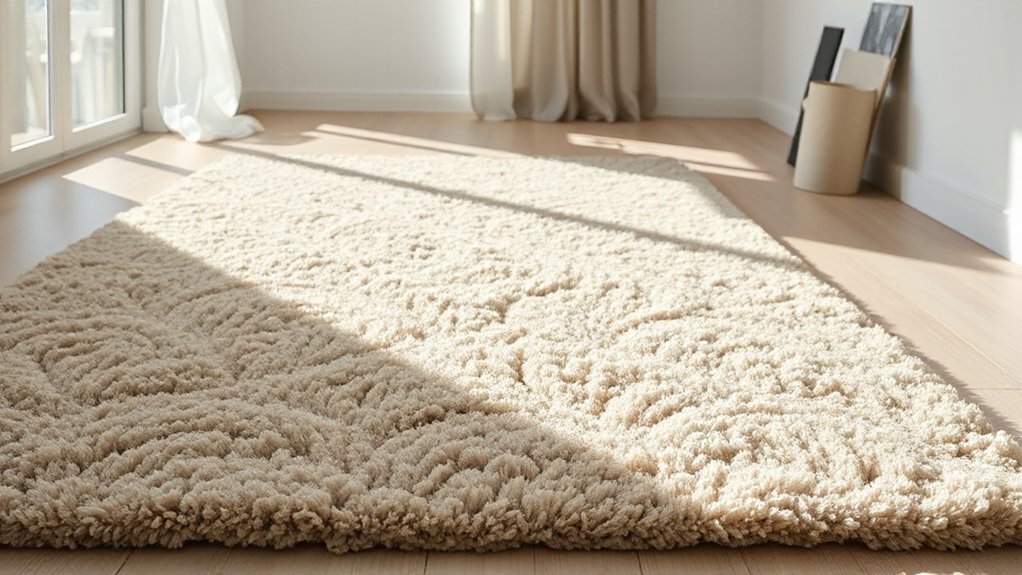
Pile height directly influences both comfort underfoot and how you’ll maintain your rug. Higher piles feel softer and boost comfort level, but they trap dust and require more frequent care. Shorter piles are easier to vacuum and show wear less quickly, preserving structure with less effort.
- Choose based on traffic: high-traffic rooms benefit from lower piles for durability and easy cleaning; bedrooms gain comfort with medium to high piles.
- Balance texture and maintenance: curly or plush textures add luxury but demand consistent deep cleaning to prevent debris buildup.
- Align with furniture layout: room size and seating influence pile choice to avoid crowding or flattening.
In all cases, recognize how pile height dictates cleaning cadence and how it translates to daily comfort and practicality.
Color and Pattern: Building a Cohesive Palette
Color and pattern work together to establish a cohesive room palette, so start by evaluating your existing furniture, textiles, and lighting. You’ll translate these elements into a rug that reinforces color harmony without overpowering focal pieces.
Begin with a controlled palette: choose one dominant hue and two supporting tones drawn from your textiles, then test swatches in natural and artificial light.
For pattern, aim for balance: pair a bold motif with subtler accents, or mix geometric with organic designs only if scales differ enough to avoid clash.
Consider rug color as a neutral anchor when adjacent finishes skew cool or warm.
Use repeatable motifs across pillows, artwork, or throws to unify the space, ensuring pattern mixing remains deliberate rather than decorative.
Anchoring a Seating Area With an Area Rug
A well-chosen area rug grounds your seating arrangement, defining the conversation area and guiding traffic flow through the room. To anchor a space, balance scale, placement, and texture while emphasizing Rug weaving and Fringe styles as design signals.
- Establish front-leg alignment: position the rug under the front legs of all seating, ensuring a cohesive anchor without crowding doorways or walkways.
- Match loom texture to furniture: select Rug weaving patterns that echo wood grain, leather, or upholstery. Then choose fringe styles that complement metal or ceramic accents.
- Define zones with contrast: use color or weave density to subtly delineate seating from adjacent areas, maintaining a unified palette.
This approach yields a grounded, high-precision seating area with purposeful detail.
Rug Placement in Open Plans and High-Traffic Zones

In open-plan layouts and high-traffic zones, rug placement must accommodate flow, sightlines, and functional zones without disrupting movement. You evaluate traffic patterns first, laying out paths that minimize stepping on thresholds or rug edges.
Then, anchor primary zones with appropriately sized rugs that define seating, dining, or work areas without occluding sightlines. Align rug edges with furniture groupings to create coherent zones, avoiding sharp, abrupt borders that fracture the room’s rhythm.
Choose low-pile or flatweave options for durability under constant use, and consider non-slip backing or pads. Rug weaving details influence texture underfoot and edge stability, so inspect weave tightness for longevity.
Eco-friendly fibers balance performance with sustainability, ensuring your open-plan thrives without sacrificing environmental responsibility.
Choosing Rugs for Busy Areas: Wear and Stain Resistance
You’ll want wear-resistant materials, such as high-density fibers and tight weaves, that stand up to foot traffic without showing wear.
Pair these with stain-resistant finishes and protective treatments to simplify cleanup after spills.
Pay attention to durable construction factors like secure backing, reinforced edges, and strong pile life to keep the rug looking fresh in busy areas.
Wear-Resistant Materials
Wear-resistance matters most in busy spaces because high-traffic areas expose rugs to constant foot traffic, abrasions, and accidental spills. You’ll want materials that resist wear without sacrificing style, so prioritize durable fibers and construction. Focus on performance over pretension, ensuring daily life won’t degrade your rug’s integrity or appearance.
1) Material selection: opt for tightly woven blends and high-twist fibers that resist crushing and fuzzing, with looped or short-pile textures that recover quickly after impacts.
2) Fiber options: Eco-friendly fibers deliver sustainability and durability, while woven patterns reduce visible wear; avoid delicate, high-pile choices in hallways.
3) Design compatibility: Antique designs can pair with busy rooms if colors are resilient and patterns hide minor wear, preserving look for years.
Emphasize practical testing and reputable construction standards.
Stain-Resistant Finishes
Stain-resistant finishes act as your first line of defense in busy spaces, pairing well with durable fibers to keep rugs looking fresh between cleanings. You’ll want finishes that resist common spills yet don’t alter texture or color, preserving both feel and appearance under foot traffic.
Fiber innovation matters here: engineered blends can harden the surface against liquid absorption while retaining softness. Look for finishes that endure routine vacuuming and light abrasion without flaking or yellowing.
Stain-proof technology should be compatible with the rug’s backing and dye system, avoiding migratory stains or uneven patches after cleaning. Prioritize testing results and warranty coverage, noting how the finish responds to coffee, juice, or pet messes in real-world cycles.
Combine these insights with your room’s traffic patterns to ensure lasting, low-maintenance appeal.
Durable Construction Factors
Durable construction is the foundation of reliable performance in busy spaces, where foot traffic, furniture movement, and cleaning cycles test a rug’s resilience. You’ll prioritize materials and weave patterns that resist wear while handling spills with minimal staining.
Focus on fiber choice, backing strength, and overall density to preserve shape and texture under daily use. Fiber innovation and smart construction together extend life, reduce shedding, and maintain color integrity over time.
For practical decisions, consider these factors:
1) Yarn density and pile height balance for durability and ease of cleaning
2) Tight weaves and reinforced backing to resist deformation under heavy furniture
3) Finishing processes that pair abrasion resistance with stain resistance without compromising fiber movement
Fiber innovation, Eco friendly dyes, and robust construction yield lasting performance in high-traffic rooms.
Bedroom Rug Basics: Under-Bed and Bedside Alignment
Under-bed and bedside rug alignment matters for both function and flow: a well-placed rug anchors the room, protects flooring, and keeps nightstands and beds visually balanced. You’ll align the rug so the under-bed portion extends beyond the frame of the bed by 6 to 12 inches, ensuring symmetry with bedside tables.
Maintain equal margins on both sides to preserve proportionality and ease of access to drawers and drawer handles. Choose a size that anchors at least the foot of the bed and the surrounding nightstands, with the front edge aligned flush or just short of the dresser.
Consider vintage patterns to add nuance without overpowering, and reference area rug history to guide color, scale, and texture choices. Precision here reinforces restful cohesion and durable wear.
Hallways and Runners: Length, Width, and Install Tips
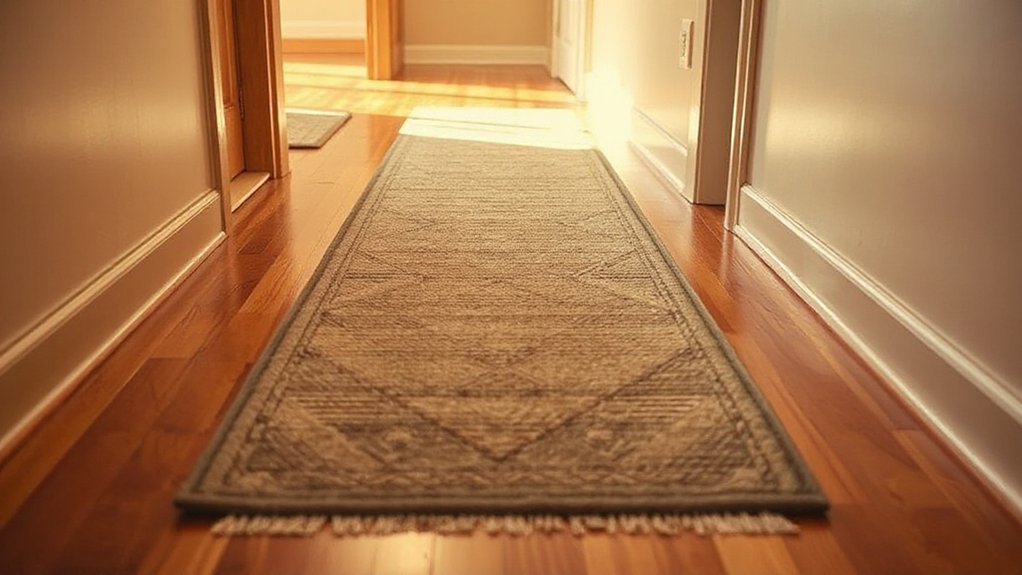
For hallways and runners, start with length: aim for the rug to extend beyond doorways or at least to the center of high-traffic zones to minimize seams.
Follow width guidelines that preserve clear clearance and prevent bunching, typically leaving 6 to 12 inches of floor visible on each side.
When installing, secure edges, choose a non-slip pad, and align the rug with architectural lines to guarantee a clean, durable commute through the space.
Length Considerations
When choosing the length for hallways and runners, start by measuring the total run and noting any doors, shifts, or obstacles that could interfere with placement. You’ll balance coverage with edge-to-edge cohesion, ensuring the rug supports traffic without crowding passages. Focus on proportion, not just length, to preserve color harmony and allow furniture to breathe.
Plan the runner’s ends to align with thresholds or banquettes, avoiding abrupt gaps. Consider scale relative to walls, ensuring the rug doesn’t overextend into door swing areas. Determine installation tolerance for under-door clearance and ripples.
- Measure door openings and passages, then subtract clearances.
- Preview placement with furniture silhouettes to test reach.
- Confirm color, texture, and pile height create texture contrast while maintaining flow.
Width Guidelines
Width is critical for hallways and runners: a precise balance between coverage and flow keeps traffic clear while highlighting your design. In this narrow corridor context, choose a width that leaves at least 6–12 inches of hard surface visible on each side to prevent crowding and tripping.
For hallways, 2–3 feet is typical; for runners, aim 24–36 inches depending on furniture width and clearance. Align width with door swing and threshold gaps to avoid obstruction.
Consider color psychology: lighter hues widen tight spaces, while darker tones anchor movement. Historical patterns add nuance, but maintain scale so motifs don’t overwhelm the length.
Prioritize durable, low-pile materials for easy cleaning and edge stability to prevent curling in high-traffic zones. Measure twice, install once with precise alignment.
Install Tips
Install length and layout with precision: measure from door to door or to the nearest obstruction, then cut the rug only after confirming wall-to-wall clearances and turning radii.
In hallways and with runners, precision matters for flow and safety, so plan where edges sit and how progressions occur.
Consider color psychology to guide tone—cool neutrals widen narrow spaces, while warm tones energize long passages.
Eco friendly options matter for longevity and indoor air quality, so select materials with low VOCs and sustainable backing.
To implement smoothly, follow these steps:
1) Align rug with doorways and walls, ensuring equal border on each side.
2) Leave a 1–2 inch exposure at thresholds to prevent snagging.
3) Secure with non-slip underlays for traffic-heavy hallways.
Rug Underlay and Padding: Why They Matter
Underlay and padding aren’t optional extras; they’re the foundation that determines a rug’s comfort, stability, and longevity. When you choose the right rug underlay, you minimize slipping and edge curl, protecting both flooring and the rug’s fibers.
A proper underlay also dampens sound and creates a cushioned feel, improving daily comfort. Padding importance becomes clear as you factor in foot traffic, room layout, and rug thickness; it prevents premature wear by distributing weight more evenly and reducing abrasive friction.
Different materials—felt, rubber, memory foam—offer distinct benefits for warmth, moisture resistance, and rigidity. For high-traffic areas, select dense padding with grip. In bedrooms, prioritize softness and insulation.
Align underlay and padding choices with rug size, pile, and room use for lasting performance.
Maintenance Tips to Keep Rugs Looking New
To keep rugs looking new, establish a routine that targets fibers, backing, and edges. You’ll maximize lifespan by proactive maintenance, selecting eco friendly options and respecting vintage styles where appropriate.
- Vacuum regularly with a gentle, low-suction setting to lift debris without fiber wear, and spot-clean spills immediately using a mild, pH-balanced cleaner.
- Rotate quarterly to promote even wear, and protect edges with rug corner protectors or non-slip pads that support backing integrity.
- Schedule professional cleanings annually for deep extraction and fiber refresh, prioritizing eco friendly options that minimize chemical impact while preserving color and texture.
Budgeting Smartly: Value, Not Just Price
Smart budgeting for rugs means looking beyond sticker price to assess long-term value. You should prioritize total cost of ownership, including durability, maintenance, and resale or replacement timelines.
Compare materials by performance: wool often offers resilience, while synthetic blends resist stains but may wear faster. Consider weave density and backing, which influence lifespan and stability on different floors.
Color psychology matters for mood and room perception, so invest in hues that complement lighting and furniture to maximize perceived value over time.
Eco-friendly fibers can reduce environmental impact and often avoid pricey finishes; they also tend to retain color and shape longer with proper care.
Avoid impulse buys; align choice with room function, traffic, and cleaning routines to optimize return on investment.
Pet-Friendly Rug Options That Endure Daily Life
When you choose a pet-friendly rug, start with pet-safe materials that resist odors and stains without heavy treatments.
Next, prioritize a tight weave and stain-resistant fibers to keep up with daily life from paws and spills to messes.
Finally, adopt easy-clean maintenance habits—regular spot checks, prompt blotting, and a simple cleaning routine to preserve look and performance.
Pet-Safe Material Choices
Pet-safe rug materials prioritize durability, stain resistance, and low off-gassing to withstand daily pet activity. You’ll choose fibers that resist crushing, promote easy cleaning, and stay safe for curious noses. Prioritize eco-friendly fibers and coatings that don’t release fumes after washing. You can also leverage artistic patterns that disguise minor wear while maintaining a polished look.
- Durable fibers and low-VOC backing: opt for materials proven to endure paws, claws, and daily traffic.
- Stain resistance and easy-clean surfaces: prioritize coatings and textures that wipe clean with minimal effort.
- Safe dyes and finishes: select color-fast options that avoid harsh chemicals and maintain color integrity.
Tip: look for patterns that blend with interiors while delivering practical longevity.
Stain-Resistant Weave Options
So, building on the pet-safe materials you favored, you’ll want weave options that resist stains while standing up to daily life with dogs, cats, or curious kids. Stain-resistant weaves combine synthetic fibers with tightly bound fibers to form dense surface textures that minimize pet accidents seeping in.
Look for solution-dyed or treated fibers, which offer consistent colorfastness and easier stain prevention, even after repeated cleanups. Consider low-pile constructions and looped patterns that reduce snagging and trap less debris, while preserving easy spot cleaning.
A textured surface can disguise minor soiling without masking wear. When selecting, verify that the rug’s backing minimizes slippage and supports spill cleanup without warping.
Prioritize warranties that cover abrasion and colorfastness for lasting pet-friendly performance.
Easy-Clean Maintenance Tips
To keep pet-friendly rugs looking fresh between cleanups, focus on maintenance habits that align with the weave and backing you chose. With durable materials, you’ll minimize odor transfer and fiber breakage while preserving color integrity.
Regular vacuuming at least twice weekly prevents grit from grinding fibers. Spot treatment should use pH-balanced cleaners to protect eco-friendly dyes and vintage patterns from fading. Rotate rugs seasonally to ensure even wear and yarn resilience.
- Vacuum routine and gentle agitation
- Prompt spot care with pH-balanced solutions
- Gentle cleaning cycles that respect backing and weave
This approach sustains performance for high-traffic spaces, preserving texture and clarity. Prioritize rugs featuring eco-friendly dyes and vintage patterns to maintain a timeless, resilient look.
Seasonal Styling: Swapping Rugs for a Fresh Vibe
Seasonal styling starts with swapping in rugs that align with the season’s mood and practical needs. You’ll optimize texture, color, and footprint to suit light levels and traffic, then select a core piece that anchors the room.
For warm seasons, opt for lighter wools or cotton blends with airy patterns to maintain airflow and ease vacuuming. In cooler months, switch to denser pile, deeper tones, and moisture-resistant fibers for comfort and durability.
Implement seasonal swaps by coordinating with established color schemes and furniture finishes, ensuring contrast or harmony as desired. Use rug layering to add depth without overmatching: place a neutral foundational rug, then introduce a patterned or textured top rug for focal interest.
This approach preserves flow while invigorating the vibe.
DIY Placement Tricks to Transform a Room
Even small shifts in rug placement can redefine a room’s flow and focal points. You’ll maximize impact by aligning edges with doorways or furniture lines, and by testing scale with mock tape to preview traffic paths. Focus on rug weaving and decorative borders to anchor zones, creating crisp connections between areas. Then refine with precise adjustments to achieve balanced negative space and consistent grounding.
- Measure room and furniture footprints, place the rug so the dominant furniture fronts align with its inner edges.
- Center seating on the rug, allowing at least 6–12 inches of border beyond each piece to emphasize borders without crowding.
- Adjust texture and color cues with adjacent textiles, ensuring rug weaving details echo accent fabrics for cohesive contrast.
Troubleshooting Common Rug Issues
When a rug underperforms, quick, targeted fixes save time and money. Start by diagnosing traffic patterns and alignment, then address superficial issues with minimal disruption.
If colors clash, apply color psychology insights: adjust nearby textiles or wall tones to harmonize without replacing the rug.
For shedding or stiffness, follow a structured routine: vacuum with a gentle attachment, rotate weekly, and use a quality rug pad to reduce wear and movement.
If edges curl or seams gap, resecure with double-sided tape or professional-grade rug tape, ensuring clean lines and safety.
For comfort or acoustics, consider rug layering beneath high-traffic zones rather than oversized replacements.
Maintain performance through periodic inspections, and document changes to track effectiveness over time.
Where to Buy: Reputable Sources and What to Check
To guarantee you get a rug that performs as promised, start by identifying reputable sources and checking key details before you buy. Focus on seller credibility, material disclosures, and warranty terms, then verify Rug weaving and dye techniques claimed by the listing. This assures colorfastness, texture integrity, and consistent pile height.
- Source assessment: confirm business longevity, transparent return policies, and third-party reviews.
- Material and construction clarity: request fiber type, backing, knot density, and dye method, noting any specialty weaving claims.
- Finish and care guidance: obtain washing, rotation, and stain treatment recommendations, plus maintenance expectations.
Rely on authoritative suppliers who display detailed fabric and production notes, and compare dye techniques for fade resistance and environmental responsibility.
Quick-Start Checklist: From Measurement to Styling Success
Before you plunge in, gather your room’s dimensions, door clearances, and the overall layout to establish a solid starting point for rug size and placement. This Quick-Start checklist guides you from measurement to styling success with precision.
Confirm traffic patterns and anchor points for furniture to prevent tripping or crowding. Choose a rug size that accommodates at least the front legs of sofas or a clear dining-area outline; avoid partial coverage that looks unfinished.
Consider Rug symbolism and how it aligns with room mood—bold patterns for focal energy, muted tones for calm.
Weigh Cultural influences: handcrafted textures and regional motifs can elevate authenticity, but ensure scale and repeat harmonize with existing décor.
Finish with a protective underlay and consistent pacing across rooms for cohesive styling outcomes.
Frequently Asked Questions
How Do I Choose Rug Thickness for High-Traffic Areas?
For high-traffic areas, choose a rug with dense pile and durable material. Prioritize rug material like nylon or wool blends, and focus on Thickness considerations; opt around 1/2 to 3/4 inch for resilience and ease of cleaning.
Can a Rug Disrupt HVAC Airflow or Underfloor Heating?
Like a quiet damper on a breeze, a rug can disrupt airflow. You’ll avoid airflow obstruction and heating interference by choosing breathable materials, proper sizing, and rugPad; guarantee clearance for vents and underfloor heating, maintaining system efficiency.
How Often Should I Rotate a Rug to Prevent Wear Patterns?
You should rotate your rug every 6–12 months to prevent wear patterns. This keeps fibers even, improves longevity, and preserves color. Focus on Rug placement for foot traffic, then adjust color coordination to maintain cohesive room balance.
Are Latex-Free Grip Pads Effective on Slippery Floors?
Just under 60% of slick-floor slips happen on smooth surfaces; latex-free grip pads can help. You’ll want latex alternatives, grip pad safety documented, and you’ll test for floor compatibility before using on slippery floors.
What’s the Best Way to Clean Delicate Fibers Without Damage?
To clean delicate fibers without damage, you should act gently, blot spills promptly, and avoid rubbing. Use cold water, mild detergent, and a soft brush; fiber cleaning requires patience, and delicate fibers respond best to professional spot treatments when needed.
Conclusion
As you finalize your rug choice, the room will reveal its true voice. Imagine the edge of color catching a sliver of morning light, a texture you can feel with bare feet, and the perfect length that anchors every furniture piece without crowding it. You’ve measured precisely, weighed materials, and plotted layouts. Now, trust your instinct as the moment the profile and pile align to transform a space from good to unforgettable—quietly, confidently, and with style. The reveal awaits.
About the Author