

Avoid starting without a realistic plan. Map your space, note light, drainage, and structures, and define primary uses—relaxation, dining, growing. Plan for mature plant spread and include 20–30% extra space for pathways and maintenance access. Don’t ignore microclimates; match sun, shade, and soil to each species. Favor maintenance-tolerant plants and design clear, wide pathways. Reassess flow as plants mature and iterate accordingly; the smarter you design now, the fewer fixes later. You’ll discover how to optimize this approach as you continue.
Key Takeaways
- Start with a realistic plan that maps light, dimensions, uses, and maintenance needs to avoid later rework and overcrowding.
- Assess site microclimate, sun paths, soil, drainage, and water management to match plant choices and irrigation accordingly.
- Choose plants suited to your upkeep capacity and site conditions, prioritizing low-maintenance options and year-round interest.
- Plan for mature plant size and spacing to prevent crowding, airflow issues, and repeated pruning challenges.
- Design efficient pathways and access routes (36–48 inches wide) with durable, slip-resistant materials to support long-term maintenance.
Start With a Realistic Plan for Your Space
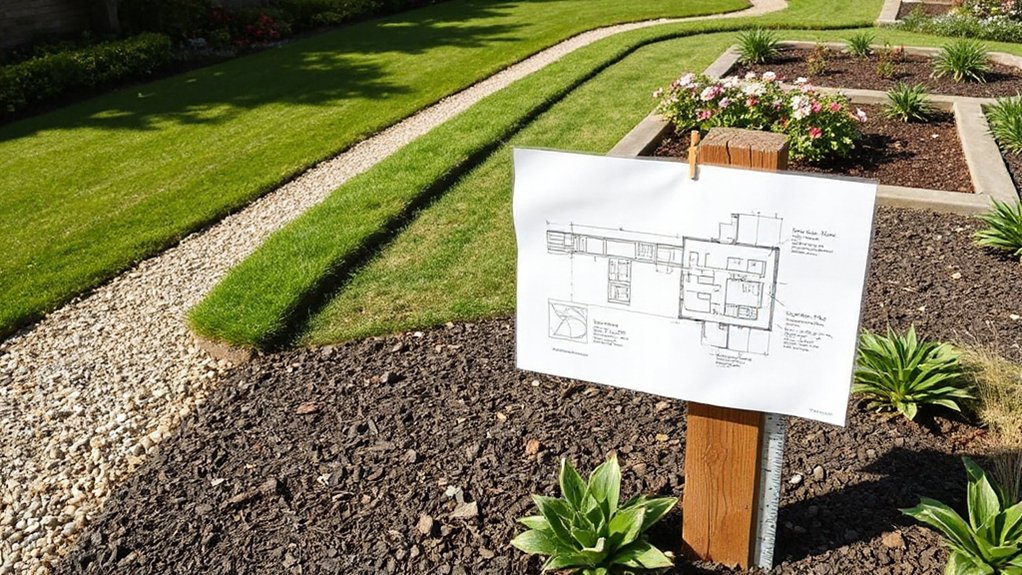
Starting with a realistic plan for your space sets the foundation for successful garden design. Approach your area with precision: map dimensions, light exposure, and existing structures. Define primary uses first—relaxation, dining, and growing—then allocate zones accordingly. Measure pathways to guarantee flow; envision sightlines from key vantage points. Choose durable, scalable elements, like a Plant container for seasonal color and a compact, adaptable Garden furniture setup that invites use without overcrowding. Prioritize maintenance realities: access for watering, pruning, and movement. Document soil type, drainage, and sun hours to guide plant choices and container placement. Schedule a phased implementation to avoid overextension, adjusting as you learn. Finalize a simple maintenance calendar to keep the design coherent and functional over time.
Know Your Microclimate Before Planting
To design with confidence, map your microclimate first and anchor your choices to real site data. Understand the basics of Microclimate Mapping and how slight shifts in sun, wind, and moisture affect plant performance. Use a Site Conditions Assessment to ground your selections in actual conditions rather than assumptions.
Microclimate Mapping Basics
Understanding your microclimate is essential before planting; mapping it upfront helps you choose the right plants, placement, and protection strategies. In microclimate mapping basics, you’ll identify influences like sun exposure, wind pockets, and heat retention, then translate them into actionable design choices. Start with simple experiments: observe sun tracks from spring to late summer, note shade patterns, and record prevailing breezes. Mark microclimate zones on a site plan, then cross-check with seasonal temperature shifts and moisture differences. Use these insights to select climate specific plants suited to each zone, reducing waste and failure. Accurate mapping prevents overgeneralized plant lists and guides protective measures, such as windbreaks or mulching. Mastery of mapping elevates garden resilience and yields reliable, low-maintenance results.
Site Conditions Assessment
A solid site conditions assessment builds directly on your microclimate map by turning observations into actionable choices. You’ll translate light, wind, drainage, and soil texture into a practical planting plan, prioritizing resilience and long-term performance. By identifying microhabitats, you prevent wasted effort and misplaced specimens, while refining your watering strategy and maintenance schedule. Focus areas include soil erosion risk, drainage pathways, and existing vegetation pressures, which guide root-zone protection and irrigation zoning. Integrate pest management considerations early to minimize future interventions and stock better-performing cultivars. Use these steps to benchmark progress and adjust as conditions shift:
- Map sun, wind, slope, and moisture patterns to inform bed layout.
- Assess soil texture, compaction, and erosion risk; choose amendments accordingly.
- Plan insect and disease prevention within a diversified plant palette.
Prioritize Sun, Shade, and Soil Conditions
Understanding sun orientation, shade patterns, and soil conditions is essential before you plant, since these factors determine which species will thrive where. Recognize how sunlight shifts with seasons and elevation, and match that with soil moisture and drainage to avoid weak spots. By aligning sun, shade, and soil synergy, you set a solid foundation for resilient, low-maintenance design.
Sun Orientation Basics
Sun orientation is the foundation of a thriving garden: by prioritizing sun, shade, and soil conditions, you’ll match plant needs to daily light patterns and seasonal shifts. You assess sources of energy, then place high-demand sun lovers where they’ll thrive and reserve shade for tender varieties. By understanding sun exposure and shade patterns, you optimize growth windows and minimize stress.
- Map daily sun paths across your site and note peak exposure hours.
- Group plants by their sun requirements, from full sun to partial shade.
- Use movable shade options to adapt to seasonal changes without relocating beds.
Soil and Shade Synergy
Soil and shade aren’t separate variables; they interact to determine how much moisture, warmth, and nutrient availability plants actually receive. You’ll optimize design by matching species to microclimates, not by generalizing. First, assess sun hours, then map shade pockets from trees, structures, and neighboring plots. In full sun, prioritize soil enrichment to maintain steady moisture and prevent nutrient leaching; in prolonged shade, expect slower growth and adjust expectations accordingly. You’ll improve resilience by selecting shade-adapted varieties and amending with compost, mulch, and biochar where appropriate. Pair plantings so taller specimens provide filtered light for understory species, creating balanced energy use. This approach reduces stress, supports vigorous root systems, and fosters consistent performance across seasons.
Choose Plants That Match Your Maintenance Tolerance
Choosing plants that fit your maintenance tolerance is essential for a garden you’ll actually enjoy tending. You’ll want clear guidance on selecting specimens whose demands align with your available time and energy, ensuring steady results without frustration. Plant compatibility and maintenance level must drive decisions from the start.
- Assess your weekly time budget, then match species whose care tasks fit that window.
- Prioritize low-maintenance options for busy seasons, and reserve high-investment choices for rare, rewarding moments.
- Favor plants with compatible growing conditions (sun, soil, moisture) to minimize interventions and maximize success.
This approach yields a cohesive design with predictable upkeep, avoiding surprises. By prioritizing compatibility and maintenance level, you create a resilient, enjoyable landscape.
Avoid Overcrowding: Give Your Plants Room to Grow
To keep your beds healthy, space plants properly so they have room to grow and reach their full size. Plan for mature spread now, not just the young plant’s height, to avoid crowding and competition for light. By allowing adequate growth room, you’ll support steady development and easier maintenance.
Space Plants Properly
Overcrowding is a common garden mistake that stunts growth and invites disease. You’ll space plants to maximize air flow, light, and root room, preventing competition and improving vigor. Start with thoughtful Plant placement and clear Spacing strategies that match each species’ mature size.
- Measure mature spread and set final gaps accordingly.
- Group by light and water needs, avoiding proximity that creates microclimates.
- Reserve space for growth spurts and maintenance access.
Strategy benefits are tangible: fewer pests, stronger stems, and easier pruning. Apply consistent spacing to beds, containers, and borders, adjusting for soil type and sun exposure. Revisit plant arrangement seasonally, swapping out crowded selections. Your garden design gains structure and resilience when you honor space, not potential, growth.
Allow Adequate Growth Room
Adequate growth room is the guarantee that your plants reach their full potential. You create it by planning proper plant spacing, ensuring each specimen has access to light, air, and nutrients without competition. Avoid crowding; overcrowding invites disease and stunted development. Assess mature size and corridor gaps, not just current height, when placing plants. Consider vertical space as well as ground footprint, leaving pathways for maintenance. Growth room isn’t wasted space—it’s an investment in vigor, resilience, and longevity. Monitor airflow to prevent humidity buildup and fungal issues; opening gaps between rows enhances pollinator access and harvest quality. Before you plant, map a layout that accommodates future growth without reworking beds. Your garden thrives when spacing aligns with each plant’s growth room needs. Plant spacing determines lasting crucial and ease of care.
Plan For Mature Spread
A careful plan for mature spread prevents crowding and guarantees each plant has room to reach its full potential. When you design borders and beds, consider mature spread as a core rule, not a wish. You’ll foster healthier plant growth by leaving space for roots, canopies, and airflow, reducing disease risk and competition. Anticipate how each species expands over time and adjust spacing accordingly.
- Map mature spread for every plant, then add 20–30% as a safety buffer.
- Use staggered placements or vertical elements to maximize light access and airflow.
- Reserve pathways to prevent root disturbance and maintain even growth.
This approach supports deliberate plant growth, minimizes overcrowding, and sustains long-term garden vigor, ensuring robust mature spread across your landscape.
Build Practical Irrigation and Drainage Systems

To build practical irrigation and drainage systems, start with a clear plan that matches your site conditions, water sources, and plant needs. You’ll map soil types, slope, and microclimates, then specify zones for irrigation, drainage outflows, and storage. Prioritize efficiency: choose rainwater harvesting where possible, and integrate drip irrigation to minimize waste and deliver moisture directly to roots. Size mains, laterals, and emitters based on crop demand and evaporative loss, and include a pressure regulator and filtration. Install grading that prevents water pooling and accelerates drainage away from foundations or beds. Use smart controls or timers to align irrigation with weather and soil moisture, reducing runoff. Review maintenance needs, ensuring clean filters, functional backflow devices, and easy access for seasonal adjustments.
Design for Seasonal Interest Throughout the Year
Designing for seasonal interest means planning so your garden looks compelling in every month, not just peak bloom. To achieve continuous appeal, you’ll blend seasonal color with steady structure and deliberate texture. Prioritize plant diversity to reduce gaps and extend interest through stems, foliage, and fruit. Consider how shade, sun, and wind shape color show throughout the year, and select companions that support year-round form.
- Choose a core framework of evergreen structure plus dynamic seasonal accents.
- Mix flowering perennials, shrubs, and grasses to deliver texture, color, and interest across seasons.
- Plan a focal point that remains engaging in winter through bark, berries, or architectural form.
With intentional design, you’ll keep spaces lively, inviting, and cohesive year-round.
Plan Paths, Access, and Work Areas for Real Life
Your garden’s paths should guide, not nudge, your daily rhythm. You design for real life, so plan clear routes between入口—work zones, seating, and water features—without zigzagging. Prioritize straight runs for primary circulation, then add gentle curves to invite exploration without slowing chores. Garden pathways must be wide enough for carts, kneelers, and seasonal debris; aim for at least 36 inches where possible, 48 inches in busy zones. Establish fixed Access points that minimize trampling: bring wheelbarrows to a single shed door, place compost, and position tool stations along main routes. Material choices matter: consider slip resistance, maintenance needs, and drainage. Mark passages between rough ground and paved surfaces to reduce trip hazards, and keep sightlines unobstructed for safe navigation. Regularly reassess flow as plants mature. Access points and pathways structure everyday tasks.
Balance Beauty With Low-Muss Maintenance Features

When you balance beauty with low-maintenance features, you create a garden that remains attractive without demanding constant care. To achieve this, pick durable plants and smart structures that reduce effort while keeping visual impact high. Focus on design choices that sustain year-round interest and minimize inputs. Use vertical gardening to maximize growth with limited ground space, and install wildlife attractants to promote ecological value without extra maintenance.
- Choose drought-tolerant specimens and evergreen structure for year-round appeal.
- Integrate modular planters and trellises for vertical gardening that’s easy to access and tidy.
- Add automated irrigation, mulch strategically, and group low-water perennials for consistent performance.
These steps deliver beauty with practicality, supporting a efficient, resilient landscape.
Prepare for Mulch and Groundcovers to Moderate Sun and Water
Mulch and groundcovers can stabilize moisture and tame sun exposure, so start by selecting materials that suit the site’s light and water profile. You’ll refine your approach with deliberate Mulch selection, focusing on depth, texture, and erosion control to prevent moisture spikes and heat stress. Pair this with purposeful Groundcover placement, choosing low-growing options that interlock and minimize bare soil. Avoid monocultures; mix organic and inorganic mulches where appropriate to balance release rates and decomposition. Map sun patterns and water runoff to locate mulch rings around trees and shrubs, reducing soil crusting and evaporation. Guarantee groundcovers fill gaps without crowding desired plants, preserving airflow and root access. Monitor performance after installation, adjusting thickness and coverage as needed to maintain stability.
Test Your Design, Then Iterate and Adapt Over Time
Once you’ve installed your mulch and groundcovers, put the design to the test and watch how it performs under real conditions. You’ll learn what works, what fades, and where adjustments are needed. test your design, then iterate to refine plant choices, spacing, and irrigation. Each season, assess performance against goals and data, not impressions alone. Adapt steadily so the scheme stays resilient and cohesive.
- Identify underperforming elements and replace or adjust.
- Track irrigation efficiency, soil moisture, and microclimate shifts.
- Revisit color, texture, and seasonal interest to maintain intent.
This approach keeps your garden productive, beautiful, and sustainable over time, turning initial impressions into a living, evolving landscape.
Frequently Asked Questions
How Can I Budget for a Garden Redesign?
To budget for a garden redesign, start with a cost estimation of materials and labor, then allocate a realistic budget across zones, prioritizing essential elements, contingencies, and future upgrades, so you maintain control and maximize value.
What Permissions or Permits Might I Need?
You’ll want to gracefully navigate local regulations and permit applications, as some projects require approvals. You typically need a permit application, fees, and possible inspections; make sure you consult your municipal office to confirm specific permit requirements for your garden redesign.
How Do I Involve Kids in Maintenance Planning?
You involve kids by assigning age-appropriate tasks, letting them co-create the plan, and holding regular family meetings. Use creative activities like designing stations, rotating roles, and celebrating milestones to sustain family involvement and strengthen ownership.
Which Tools Are Essential for Beginners?
Essential tools for beginners include a sturdy trowel, pruners, and a level; you’ll manage garden layout and plant selection confidently, as if miracles happen daily. You’ll keep notes, measure, and trim precisely, avoiding common mistakes.
How Often Should I Revise My Garden Plan?
Revise your garden plan annually as seasons shift, you should. Reassess plant spacing and soil preparation, adjusting for growth, drainage, and sun. You’ll refine accordingly, ensuring resilient design with efficient spacing and robust soil preparation for lasting yields.
Conclusion
You’ve got a solid framework, so trust the plan and start small. As you test, refine, and adapt, your garden will reveal what really works in your space. Think of your design as a living map—flexible, evolving, and capable of guiding every choice you make. When you hit snags, revisit sun, soil, and maintenance needs, not just aesthetics, and let practical tweaks lead to enduring beauty. Your garden thrives where intention meets reality.
About the Author


