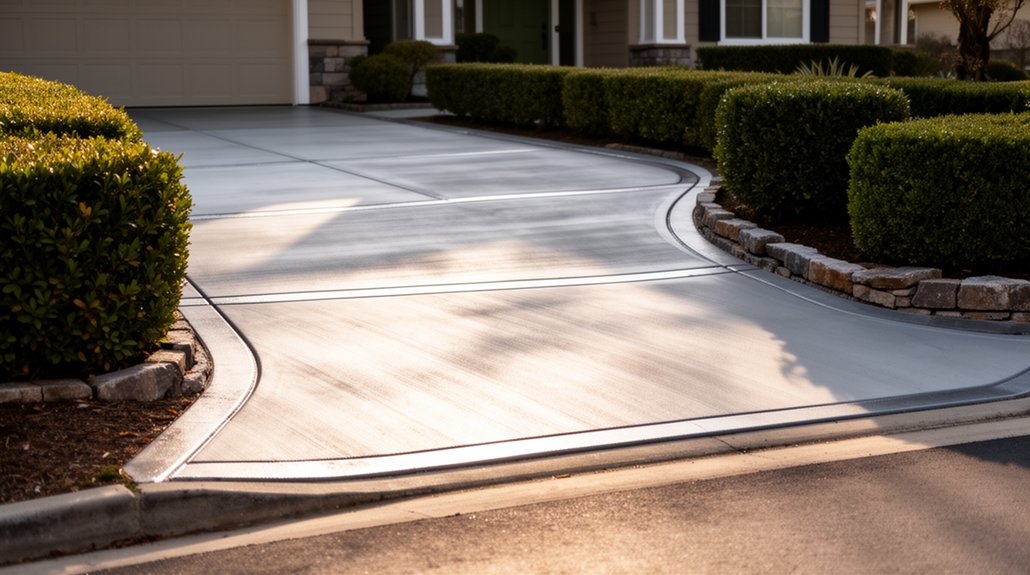
A driveway extension can add parking by evaluating peak demand, bottlenecks, and maneuvering space, then sizing bays to fit typical arrival patterns while complying with local codes. Choose a complementary style that matches your home and allows future expansion, and select durable materials like concrete pavers or permeable surfaces to manage drainage and maintenance. Plan permits, grading, and utilities upfront, then incorporate lighting and landscaping for curb appeal. If you want deeper guidance, you’ll uncover practical steps and tradeoffs ahead.
Key Takeaways
- Assess peak demand and bottlenecks to determine optimal extension size and shape for added parking without obstructing walkways.
- Explore space-saving layouts like side-yard extensions or reconfiguring bays with permeable pavers for drainage.
- Choose durable, low-maintenance materials (concrete pavers or permeable asphalt blends) to ensure longevity with minimal upkeep.
- Plan permitting, grading, and drainage early; align utilities and include slope to prevent water pooling.
- Integrate lighting and landscaping to improve safety and curb appeal while enabling future expansion if needed.
Decide If You Need a Driveway Extension
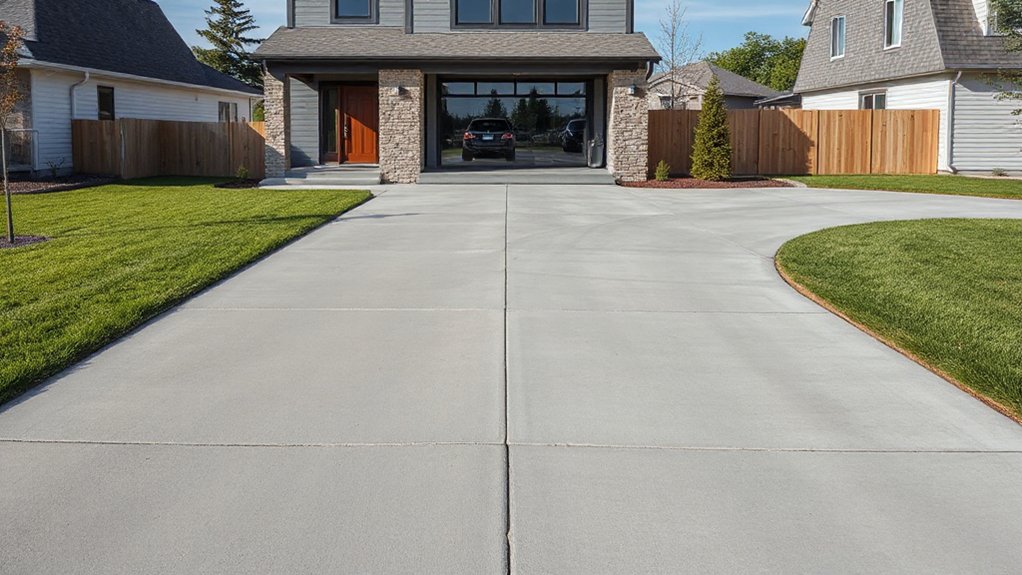
Assess whether a driveway extension is truly needed by evaluating current usage and future needs. You’ll quantify peak parking demand, analyze drive-through clearance, and map typical arrival patterns. Consider existing bottlenecks, maneuvering space, and potential obstruction risks that affect daily efficiency. If you regularly entertain guests or accommodate multiple vehicles, extension feasibility rises. Weigh construction costs, long‑term value, and local code requirements before committing. Explore landscaping options that may optimize space without full extension, such as reconfiguring existing bays or adding pervious pavers to reduce runoff. Plan for future growth, seasonal variations, and potential resale appeal. Integrate driveway lighting to improve safety and navigation at night, ensuring consistent illumination along the extended path. Align decision with site geometry, drainage, and maintenance commitments. Avoid needless upgrades; prioritize measurable need and return.
Choose a Style That Fits Your Home and Budget
Choosing a driveway style that matches your home and budget starts with aligning curb appeal with functional needs. You’ll evaluate scale, geometry, and drainage to guarantee the design supports traffic flow without crowding sidewalks. Opt for a profile that complements your house’s architecture—ranch, colonial, or modern—while staying within budget, considering both installation and long‑term maintenance. Assess paving options that minimize upkeep yet deliver a cohesive look, and plan shifts to landscaping options so the driveway feels integrated rather than tacked on. Consider lighting enhancements to improve safety and curb appeal after dark, choosing fixtures that emphasize lines and materials. Finally, confirm the selected style can adapt to future changes, such as expanding parking or adding a turnaround, without costly retrofits.
Pick Durable Materials for Your Extension
Durability should drive your material selection, not just cost or aesthetics. When you pick materials for a driveway extension, prioritize long-term performance over short-term savings. Concrete pavers offer uniform load distribution and cracking resistance, but require proper bedding and edge restraints. Macadam or asphalt blends deliver fast installation and solid resilience under vehicle weight, yet may need more frequent resurfacing in extreme climates. Consider permeable options to reduce standing water and support drainage. Landscaping options should integrate with your sightlines and grading, ensuring runoff doesn’t undermine the foundation. Choose surfaces with low maintenance demands and proven UV stability to minimize color fading and surface wear. Drainage solutions must channel water away from foundations and joints, preventing erosion and freeze–thaw damage.
Plan, Permit, and Start the Build: A Step-by-Step Guide
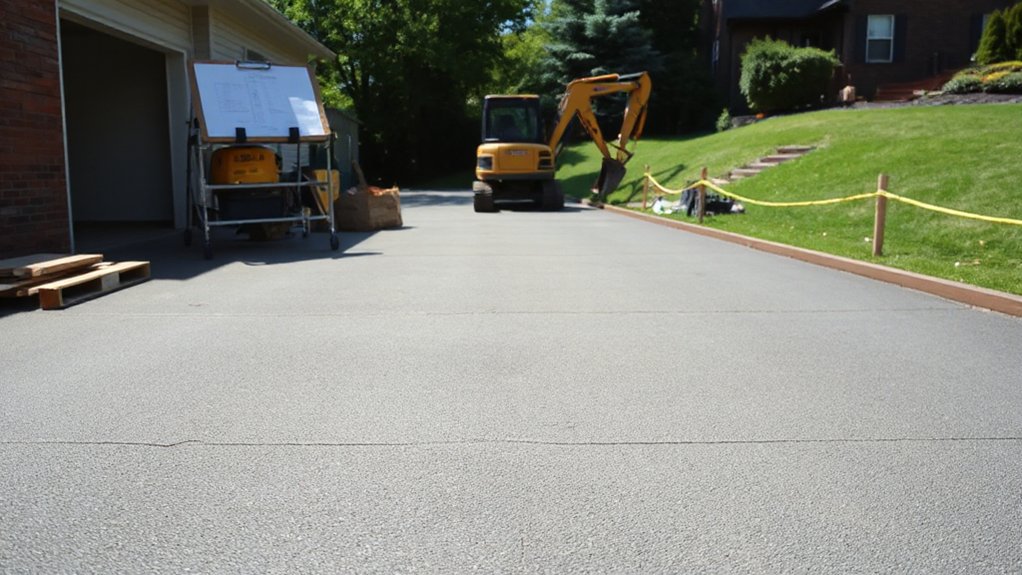
Before you begin, secure the permits, coordinate design details, and set a realistic timeline; doing so keeps the project compliant and on track. You’ll translate your plan into actionable steps, align utilities, and choose durable paving with proper slopes for drainage. Secure grading, subbase, and compaction specs before laying material, and define inspection checkpoints to avoid rework. Integrate Landscaping options and Lighting solutions into the layout to optimize curb appeal and safety.
- Clarify scope and milestones to maintain momentum and accountability
- Schedule inspections, utility checks, and weather-safe sequencing
- Prioritize drainage, edging, and integration with surrounding surfaces for a seamless finish
Maintain Your Driveway Extension for Long-Lasting Curb Appeal
Maintaining your driveway extension is essential to preserve its aesthetics and performance over time; a proactive approach prevents minor issues from escalating into costly repairs. You should implement a routine inspection schedule, focusing on edge integrity, joint seals, and surface uniformity to catch cracks and settling early. Regular cleaning removes debris that accelerates deterioration and mold growth, while resealing every few years protects aggregates and binder. Monitor drainage around the extension to prevent standing water, which undermines base stability and promotes potholes. Integrate landscaping options that complement hardscape without compromising drainage or access. When needed, address settlement with calibrated tamping or underlayment adjustments. For long-lasting appeal, coordinate with drainage solutions to maintain slope, grading, and impermeable barriers, ensuring curb appeal remains intact.
Frequently Asked Questions
How Much Will a Driveway Extension Cost on Average?
Cost estimation varies by scope, but you’ll likely pay $8,000–$15,000 for a standard residential extension. You’ll compare material choices, drainage, and permits, and you’ll want professional assessments to guarantee accurate estimates and durable results.
How Long Does Installation Take From Start to Finish?
Typically, installation takes 1–2 weeks, depending on site prep and weather. You’ll review material options and permit requirements early, coordinate inspections, and anticipate curing times; you’ll finalize design choices promptly to avoid delays.
Will an Extension Affect Property Taxes or Insurance?
Installing an extension can affect Property value and Insurance premiums. You’ll likely see value increases shaping appraisal totals, while insurers may adjust premiums based on risk, material costs, and coverage limits. Consult your insurer for precise impact on your policy.
Can a Driveway Extension Be Installed on Sloped Terrain?
A driveway extension can be installed on sloped terrain, but you must address slope considerations and drainage solutions first. You’ll need proper grading, retaining measures, and permeable surfacing to manage runoff and prevent erosion and pooling.
Do I Need Professional Design or Can DIY Work?
You should hire pros for complex slopes, but DIY can work if you prioritize safety. Around 68% of DIY projects fail due to safety, design flexibility matters; make sure DIY safety basics, permits, drainage, and proper compaction before proceeding.
Conclusion
You’ve weighed needs, style, and budget, and now you’re ready to extend with purpose. Choose materials and layout that maximize space without compromising drainage or access, then secure permits and a disciplined schedule. Monitor subgrades, compaction, and curing to prevent cracks and settling. Maintain the surface with timely sealing and edge care. In the drive for more parking, remember: slow and steady wins the race, but plan ahead and you’ll park with confidence tomorrow.
About the Author


