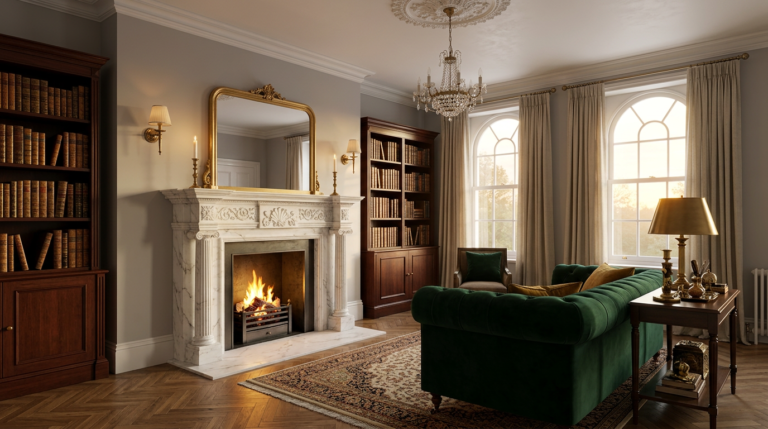
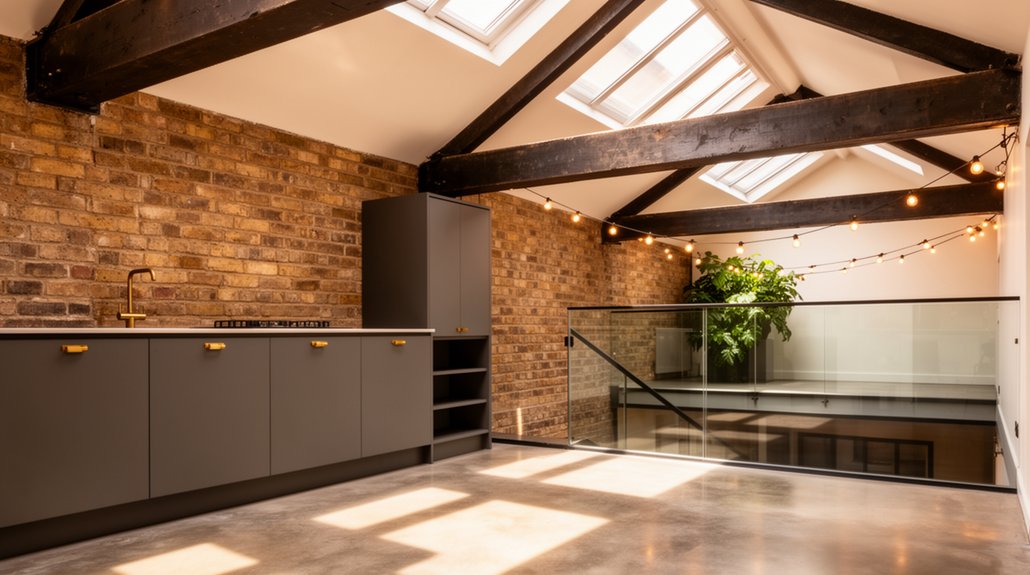
To upgrade a London loft effectively, focus on ROI-driven core systems first—plumbing, electrical, insulation, and soundproofing—then improve daylight with slim-profile, large windows and light interiors that reflect glow. Preserve brick-and-beam charm while adding smart storage, built-ins, and modular, space-saving furniture. Prioritize energy efficiency and plan permits, lease terms, and budget in advance. Track costs and milestones quarterly, adjusting as needed. If you keep going, you’ll uncover practical steps that maximize value and comfort.
Key Takeaways
- Start with planning and permits: confirm lease, HOA, local permits, and approvals early to prevent delays and ensure compliance.
- Prioritize core system upgrades: focus on plumbing, electrical, insulation, and soundproofing for lasting value and comfort.
- Enhance light and space: install slim-framed windows, light interiors, skylights, and strategic storage to maximize natural light.
- Invest in energy efficiency and tech: add smart thermostats, energy monitoring, efficient glazing, and durable finishes for long-term ROI.
- Plan for budgeting and project management: create a staged budget with 10–15% contingency, track variances, and review progress quarterly.
Prioritize ROI Upgrades for a London Loft

To upgrade a London loft effectively, focus on renovations that deliver the highest return on investment. You’ll maximize value by targeting core systems first: plumbing, electrical, insulation, and soundproofing. Prioritize enduring materials and unobtrusive upgrades that appeal to buyers or tenants. Choose mid- to high-range finishes that feel premium without overreaching the market, ensuring a clean, cohesive look. Plan layouts that boost usable space and natural flow, avoiding wasted square footage. Luxury finishes should appear thoughtfully in key zones like kitchens and bathrooms, signaling quality without excess. Pair aesthetics with function through High tech integrations that improve daily living—smart thermostats, secure access, energy monitoring, and integrated lighting. Maintain scale sensitivity to preserve authenticity, and document upgrades for impressive resale or rental prospects.
Maximize Daylight and Warmth While Preserving Brick-And-Beam Charm
Maximize daylight by choosing large, slim-framed windows and light-colored interiors that bounce natural light without sacrificing brick details. Preserve brick integrity by avoiding cover-ups; repair and seal any cracks to maintain warmth and character. Use layered warmth—warm neutrals, strategically placed mirrors, and energy-efficient glazing to keep interiors bright and snug.
Maximize Natural Light
Natural light is your main upgrade, so start by opening the space with tall, slim windows and strategically placed glazing that lets in daylight from multiple directions. You’ll frame views without sacrificing brick-and-beam charm, so choose frameless or minimal-mullion designs that keep lines clean. Use light, neutral tones for walls and ceiling to bounce brightness while preserving warmth. Prioritize interior decor that enhances daylight: mirrors in key positions, reflective surfaces, and fabrics that don’t absorb too much light. Plan furniture placement to avoid blocking windows; low-profile pieces create open sightlines and airiness. Add skylights or roof lanterns where feasible to draw midday sun deeper into the loft. Finally, employ adjustable blinds or sheer shades to modulate glare without dulling atmosphere.
Preserve Brick Integrity
Brick integrity is key to maintaining character while you boost daylight and warmth. To preserve Brick preservation and structural integrity, treat brick walls as load-bearing and repair cracks promptly. Use breathable mortar and lime-based repairs to avoid trapping moisture. When adding windows or skylights, work with a structural engineer to protect bearing elements and avoid overloading lintels. Clean brick surfaces gently and seal only where necessary to maintain moisture balance. Insulate with interior, non-invasive methods to keep breezes out without compromising brick size and texture.
- Inspect mortar joints yearly and repoint with compatible lime mortar
- Install energy-efficient glazing without altering brick arches
- Use breathable sealants sparingly, favoring evaporation
- Document all repairs for future structural integrity assessments
Smart Storage Solutions to Free Space and Boost Resale Value
Smart storage is your first upgrade: think clever loft storage, hidden space maximizers, and furniture that serves double duty. You’ll free floor area without sacrificing style, making every inch count for future buyers. This approach directly boosts resale value while keeping your London loft neat, practical, and resale-ready.
Clever Loft Storage
Maximizing loft storage starts with smart planning that frees usable space without compromising headroom or aesthetics. You’ll optimize every square inch by choosing vertical solutions, high-quality fixtures, and multi-purpose components. Focus on Loft insulation to maintain comfort while reducing energy waste, and use custom shelving to create tailored nooks for clothing, boxes, and gear. Implement zoned storage to keep rarely used items out of sight yet accessible, and install fold-away desks or beds to preserve floor space.
- Install custom shelving that scales with ceiling height
- Use pull-out bins and under-eave organizers
- Integrate hidden storage behind wardrobes and partitions
- Choose modular, stackable units with durable finishes
Hidden Space Maximizers
Hidden space is your most valuable asset in a loft, and smart storage turns every nook into usable area without shrinking headroom. You’ll maximize floor area by using floor-to-ceiling shelving, under-stair drawers, and modular totes that tuck neatly behind doors. Opt for built-in benches with lift lids to conceal seasonal stuff, freeing precious surface space. Create creative niches in alcoves for slim cabinets, open cubbies, and magnetic strips for tools, keys, or spices. Choose uniform hardware and recessed lighting to keep lines clean and visual clutter minimal. Prioritize multi-purpose furniture: bed frames with drawers, coffee tables with hidden compartments, and fold-away desks. Regularly purge and redefine zones to sustain tidy, flexible zones that boost everyday usability and resale appeal.
Resale-Boosting Design
To boost resale value, focus on storage designs that look seamless and feel spacious. You’ll create a clean flow by choosing built‑in solutions that hide clutter and maximize every inch. Prioritize versatile furniture, pull‑out systems, and under‑stair storage to keep rooms open. Pair luxury finishes with modern appliances to convey premium quality without crowding space. Guarantee finishes match the loft’s palette for a cohesive look that appeals to buyers seeking low‑maintenance living. Use concealed hardware and drawer slides that glide smoothly, boosting perceived value. Opt for bright, neutral tones and reflective surfaces to amplify light. Finally, integrate smart storage that’s easy to maintain, so the space stays pristine long after move‑in.
- Built‑in wardrobes with soft‑close doors
- Hidden beverage/coffee stations
- Under‑stair drawers and workspaces
- Integrated mechanical storage in kitchens
Energy-Saving Tweaks for Historic London Flats
Historic London flats respond best to targeted, low-disruption tweaks. You’ll gain efficiency without upsetting period features. Begin with sealing leaks around windows and doors, then upgrade to high-performance insulation material choices in accessible cavities. Use breathable, compatible materials to protect historic fabric while reducing heat loss. Prioritize loft hatch and pipe voids, ensuring airtight seals and draft-proofing. Install a programmable thermostat to regulate heating without waste, and opt for radiator reflectors to redirect heat into rooms. When you consider renewables, solar panel installation can be feasible on southerly roofs where permitted, but assess structure and planning constraints first. Pair this with smart blinds or secondary glazing for supplementary gains. Keep notes of measurements and skip over heavy renovations that compromise aesthetics or fabric care.
Planning Basics, Leasehold Quirks, and Permits in Practice

Planning basics, leasehold quirks, and permits aren’t optional add-ons—they’re the foundation you must address before any upgrade. You’ll map approvals, understand constraints, and avoid delays by clarifying who owns what and what needs consent. Leasehold complexities often surface in design choices, access rights, and alteration notices, so review your lease and constitution early. Permit requirements vary by council and building, so confirm with the authority and your managing agent before you draft plans. Know your rights and responsibilities, document changes, and stay compliant to prevent penalties or future disputes.
- Confirm consent triggers and notification timelines
- Check building regulations and HOA requirements
- Identify mandatory permits and application steps
- Align contractor work with lease restrictions and access rules
Smart Budgeting and Sourcing for a London Loft Renovation
Smart budgeting and sourcing set the foundation for a London loft renovation you can actually complete. You’ll start with budget planning that reflects your exact needs, then map every cost against a realistic timeline. Define non-negotiables (structural fixes, electrical, ventilation) and treat cosmetic upgrades as flexible, staged investments. Prioritize energy efficiency to cut long-term bills and comfort costs. When it comes to sourcing strategies, compare suppliers, request multiple quotes, and negotiate bulk discounts for materials. Tap local trades for competitive rates and faster turnaround, but verify licenses and past work. Create a simple tracking sheet for approvals, receipts, and variation orders to avoid scope creep. Maintain a contingency of 10–15% for surprises. Revisit the plan quarterly to stay on track and maximize ROI.
Frequently Asked Questions
How Long Does a Typical Loft Renovation Approval Take in London?
Typically, you’ll wait 8–20 weeks for a planning or permitted development decision in London, depending on scope. You’ll streamline approvals by clarifying design aesthetics and material selection, presenting concise plans, and coordinating with your design team early.
What Are Common Hidden Costs in a London Loft Project?
Hidden costs typically creep in from permits, scaffolding, and plan revisions; plan for overruns. You’ll want to budget for Loft insulation upgrades and Lighting fixtures upgrades, guarantee energy codes, and factor in access and storage during construction.
Can Loft Upgrades Affect Listed Building or Conservation Rules?
Upgrading can trigger Listed building and conservation rules, so you must consult planners before work. It’s like steering through a maze; you’ll need permissions, detailed assessments, and strict adherence to conservation rules to avoid penalties.
Which Trades Yield the Best ROI for Loft Renovations?
The trades delivering the best ROI are electricians and loft insulation specialists. Prioritize improving interior lighting and loft insulation; these reduce energy costs most. You’ll see faster payback by targeted insulation upgrades and efficient, well-placed lighting upgrades.
How Do HOA or Management Company Rules Impact Planning?
Brace yourself: HOA restrictions and management approval practically gatekeep your plan, shaping every step. You must secure HOA restrictions clearance, obtain Management approval, and align timelines, budgets, and design choices with their rules to avoid costly setbacks.
Conclusion
Thinking through a loft renovation in London? Prioritize ROI upgrades, daylight, and warmth while preserving brick-and-beam charm. Add smart storage to free space, and tune energy use without compromising character. Navigate planning basics, leasehold quirks, and permits with practical ease, always budgeting smartly and sourcing efficiently. By balancing modern comforts with historic integrity, you’ll boost resale value and everyday livability. Ready to transform your loft into a brighter, cozier, more valuable home? What’s your first upgrade priority?
About the Author