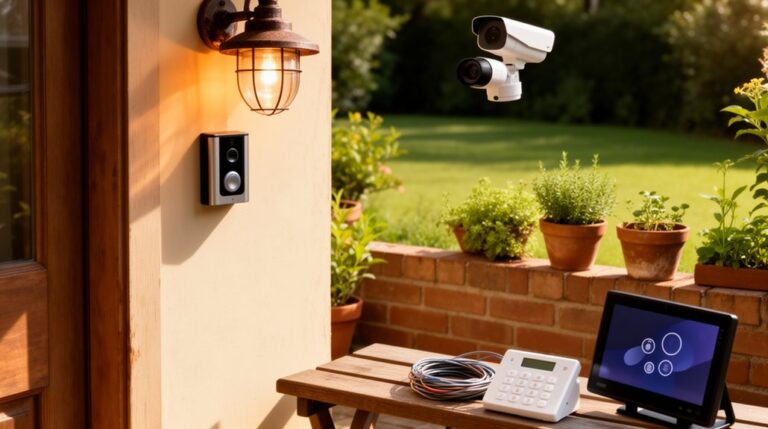

A £100 smart home upgrade can streamline daily tasks, boost energy savings, and keep things simple. Start with reliable, interoperable basics—smart speaker or hub, smart lighting, and a couple of energy monitors or sensors that fit your rooms. Choose devices with Matter, Zigbee, or Wi‑Fi compatibility, and avoid recurring fees where possible. Prioritize durability and easy updates, track every purchase, and keep receipts. If you keep going, you’ll gain access to practical steps to expand affordably.
Key Takeaways
- Prioritize a single reliable hub or smart speaker with broad compatibility to anchor the setup and avoid extra fees.
- Choose energy-efficient smart lighting and basic motion sensors to boost automation without exceeding £100.
- Focus on devices supporting Matter, Zigbee, or Wi‑Fi for easy interoperation and future-proofing.
- Avoid ongoing subscriptions; prefer one-time purchases with clear app control and local routines.
- Keep receipts, firmware updates, and security settings in check to maintain long-term reliability and privacy.
Why a £100 Smart Home Upgrade Is Worth It for Busy Households
A £100 upgrade can transform a busy household by simplifying routine tasks and cutting daily friction. With smart tech, you reclaim time you’d otherwise waste on repetitive chores. You’ll automate lighting, climate, and reminders, so you’re less likely to miss appointments or run late. This isn’t about splurges; it’s about practical efficiency. Be mindful of smart home myths that promise perfection; real gains come from reliable routines, not gimmicks. Focus on dependable, affordable devices that deliver consistent results. Consider compatibility, simplicity, and basic security to protect routines. Device durability matters: choose products with solid build quality and straightforward updates. By prioritizing critical functions—scheduling, grouping scenes, and voice control—you’ll notice smoother mornings and calmer evenings, making a £100 upgrade feel like a strategic, long-term investment.
How to Set a £100 Smart Home Budget That Actually Sticks
Set clear limits on what you’ll spend and for how long, so your £100 buys real value. Prioritize core devices that save time or cut costs, not every shiny gadget. Track every pound you spend back to a purpose, and review weekly to stay on target.
Set Clear Limits
To keep your £100 budget from slipping, start by naming specific limits for each category—devices, apps, and accessories—and stick to them. Set a hard cap for devices, like one main gadget plus one optional add-on, and resist impulse buys that promise “the perfect fit.” Allocate a separate ceiling for apps and subscriptions, favoring free or one-time purchases over recurring fees. For accessories, budget only essential extras that directly improve function or reliability. Track every purchase in a simple ledger to prevent overspend, and pause before checkout if the total nudges beyond your limit. Be wary of Smart home myths that promise easy gains; prioritize device durability and long‑term value over low upfront cost. This discipline keeps your budget focused and effective.
Prioritize Core Devices
Start by listing your core devices—those that deliver the most value with the least complexity—and allocate the bulk of your £100 budget to them. Prioritize devices that address daily needs with minimal setup, like a reliable smart speaker, a simple hub, or a basic smart lighting starter. Choose products with strong reviews for reliability and broad compatibility to reduce future headaches. Don’t chase every feature; focus on core functionality you’ll actually use. Be mindful of Smart home myths that push you toward overbuying gadgets you won’t leverage. Consider Device durability; opt for brands known for solid build quality and long‑term firmware support. Set a cap per device and resist impulse add-ons, ensuring you preserve budget for future upgrades without breaking your plan.
Track Spending Regularly
Tracking spending consistently is the backbone of a £100 smart home that lasts. To keep your budget honest, log every purchase, estimate future costs, and review weekly. You’ll see patterns, spot waste, and stay aligned with Device compatibility and Data privacy goals. Use a simple tracker or notes app, and categorize by device type, service, and ongoing fees. Limit impulse buys by pausing for 24 hours on nonessential items.
- Track costs against your £100 limit and adjust instantly
- Note model compatibility, app requirements, and data/privacy settings
- Review weekly to forecast future spends and trim excess
Sticking to these steps helps you avoid creeping costs while preserving functionality and security.
Choose the Easiest Smart Assistants Today
Choosing the easiest smart assistants today comes down to compatibility, setup speed, and everyday reliability. You want a system that plays friendly with your existing devices, links accounts in minutes, and responds quickly without fuss. Prioritize assistants with well‑documented ecosystems and broad device support, which minimizes hiccups and app juggling. Avoid brands that lock you into pricey hubs or require specialized kits. Look for straightforward setup flows, clear on‑device prompts, and reliable mobile app experiences. Remember Smart home myths about “instant genius” aren’t real—ease comes from strong app design and predictable routines. Use budget hacks like starter kits or essential‑feature bundles to test water resistance and voice control before expanding. In practice, pick one that feels intuitive, then scale thoughtfully for steady, cost‑efficient upgrades.
Smart Lighting That Saves Money and Sets the Mood
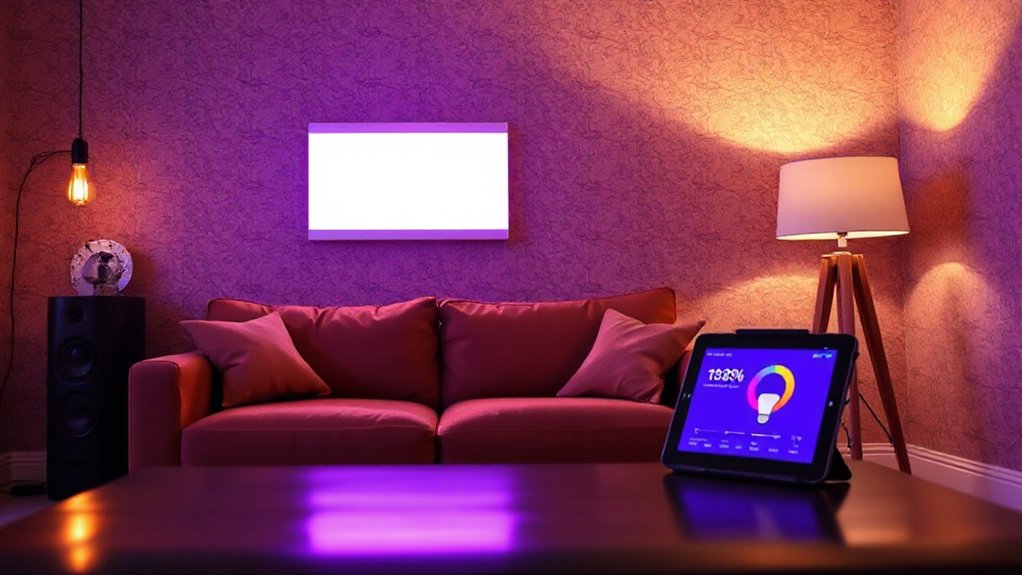
Smart bulbs save energy with efficiency-focused features like dimming, scheduling, and occupancy sensing. You can shape the mood with scene-based lighting while keeping costs down, leveraging budget-friendly options and smart hubs. We’ll explore how Smart Bulb Efficiency, Mood Lighting Scenarios, and Budget-Friendly Features come together to save money and enhance atmosphere.
Smart Bulb Efficiency
Are you getting the most out of your lighting? Smart bulb efficiency means choosing LEDs with high energy efficiency and reliable performance. You’ll save money over time by cutting standby drain and programming schedules for off-hours. Pair bulbs with dimming and smart controls to tailor brightness without wasting power. Focus on platforms that integrate energy monitoring and easy scheduling to maximize every watt.
- Prioritize bulbs with low wattage and high lumens per watt
- Use timers, scenes, and auto-off to reduce idle usage
- Check for energy certifications and compatible hub support
Mood Lighting Scenarios
Mood lighting isn’t just about aesthetics—it’s about saving money while shaping the vibe you want. You can craft effective scenes with simple controls and affordable bulbs. Use color temperature to tailor each room’s mood: cooler light for tasks, warmer tones for relaxation, and neutral for daily routines. Create presets that switch automatically at sunset or when you’re winding down, reducing unnecessary illumination. Dimmer-enabled fixtures let you balance brightness against energy use, avoiding wasted watts without sacrificing ambiance. Group lights by function—reading, dining, lounging—and assign scenes that reduce overall power draw during idle times. Pair smart bulbs with timers or motion sensors to prevent lights from staying on. With thoughtful color temperature choices, you enhance mood while trimming costs through-efficient mood enhancement.
Budget-Friendly Features
Budget-friendly lighting features let you save money without sacrificing ambiance. You’ll optimize power use with smart bulbs and timers, pairing mood with efficiency. Focus on white temperature control, dimming, and scenes that reduce wakeful use while keeping spaces inviting. When you choose devices, consider how Smart home aesthetics and device aesthetics align with your decor, ensuring nothing feels out of place. Use schedules to match daily routines, and enable occupancy sensors to avoid waste. Group lighting by room for targeted savings and easy mood shifts. Keep firmware updated for security, performance, and longevity.
- Schedule-friendly dimming and color presets that suit rooms
- Motion-triggered lighting that complements daily habits
- Minimalistic, cohesive designs that blend with existing decor
Energy Monitors That Actually Pay for Themselves
Energy monitors that actually pay for themselves track your home’s energy use in real time and spotlight the biggest power drains. You’ll quickly see where savings matter, from HVAC cycles to lighting patterns. Choose models with clear dashboards and real-time feedback; they should visualize peak hours and compare against past days. Prioritize energy efficiency insights that translate into action—like adjusting thermostats or scheduling high-draw appliances for off-peak times. Check device compatibility with your home system and the brands you already use, ensuring easy data sharing and automations. Look for easy setup, reliable data, and clear cost estimates to justify your purchase. With the right monitor, you’ll reduce waste, lower bills, and gain practical, ongoing control over energy use.
Smart Plugs and Hubs: Building Blocks on a Budget
Smart plugs and hubs offer a simple, cost-effective way to extend the energy-monitoring gains you’ve just outlined. You’ll gain central control without breaking the bank, but expect some Smart home myths to pop up—ignore hype and verify compatibility. Start with a reliable hub that supports your devices and routines, then add plug-in modules for lamps, heaters, or fans to curb idle draw. Be mindful of Connectivity challenges: weak Wi‑Fi, channel interference, and device limits can derail automations. Plan layouts around a single robust network and keep firmware current.
- Prioritize a single ecosystem for smoother routines
- Check hub range and device compatibility before buying
- Prefer energy-sensing plugs with clear usage data and updates
Smart Security on a Shoestring: Budget Cameras and Sensors

Smart security on a budget starts with smart choices: pick budget cameras that still cover key entry points, and place sensors where they’ll reliably alert you without gaps. I’ll help you compare value options, time the setup for ideal coverage, and upgrade only where it makes a real difference. Let’s map budget camera picks, ideal sensor placements, and practical value upgrades you can implement this week.
Budget Camera Choices
Looking for reliable home surveillance without breaking the bank? You’ll find solid budget camera options that balance price with practicality. Choose models that prioritize core features like stable night vision, decent image resolution, and easy setup, then place them strategically for maximal coverage. Focus on cameras with clear wider angles and reliable motion alerts, not fancy extras you won’t use. Plan your camera placement first, then worry about bells and whistles later.
- Budget-friendly indoor and outdoor options with 1080p image quality
- Wi‑Fi or wired setups that fit small spaces and easy mounting
- Apps that offer simple live view, motion zones, and scheduling
Sensor Placement Tips
Positioning sensors correctly is your first line of defense when you’re budgeting for a secure home. To maximize value, map coverage before you mount. Prioritize doorways and main hallways, where motion is most likely to occur, and place cameras at a height that minimizes tampering while still capturing faces. For sensors, avoid blind spots by staggering positions and cross-checking angles with a quick test run. Use low-cost mounting options that let you adjust without damage, so you can refine placement after initial use. Consider lighting: position cameras to avoid glare, and sensors to discriminate between pets and people. Schedule sensor calibration after installation, then recheck weekly. Apply placement strategies that focus on critical access points and routine paths for reliable, affordable security.
Value Security Upgrades
Why pay more for security when smart, budget-friendly upgrades can cover the basics? You can tighten protection with value cameras and sensors that prioritize clear footage, reliable motion alerts, and simple setup. Choose models that support encryption, local storage, and firmware updates to minimize Security risks while staying affordable. Be mindful of Privacy concerns: disable unnecessary features, use strong credentials, and review data permissions before pairing devices. For a compact system, mix a door/window sensor kit with a budget HD camera for entry points, plus a smart plug to automate lights as a deterrent.
- Prioritize devices with local storage options and automatic updates
- Place cameras at entry points and hidden corners for best coverage
- Regularly review app permissions and firmware releases
Build Practical Voice Control Routines You’Ll Actually Use
Fine-tune your voice routines so you actually use them. Start simple: map core tasks to single commands and avoid long scripts. Use a Smart speaker as your hub, not a scattered set of helpers, to reduce friction. Begin with Voice calibration: train it to distinguish your voice at typical volumes and in background noise. Validate responses by testing in the rooms you’ll command most, then adjust wake words or phrases to feel natural. Create routines that combine multiple devices into one command, like “Good morning” turning on lights, changing the thermostat, and reading weather. Avoid overloading with novelties; prioritize reliability over complexity. Review regularly, prune unused phrases, and keep firmware updated. With deliberate setup, budget tools deliver real, day-to-day convenience.
Privacy and Setup Tips for Affordable Smart Devices
Smart setups save money—and your privacy, too, when you start with controls you can trust. When you buy affordable devices, read privacy policies before pairing, and enable essential protections like two‑factor authentication. Check the manufacturer’s device warranties so you know what’s covered if a low-cost unit fails. Keep firmware updated, and opt out of unnecessary data sharing where possible. Limit cloud dependences by using local control apps when available.
- Review privacy policies before setup and disable unnecessary data sharing
- Enable automatic firmware updates and strong unique passwords
- Verify device warranties and keep proof of purchase for future support
Compatibility Checks: Will Devices Play Nice Together?
You’ve got affordable devices, but their real value shines when they work together. Start with a quick compatibility check before you buy more. Confirm that hubs, assistants, and sensors use the same ecosystem or support cross-compatibility standards. Look for explicit compatibility statements and supported protocols, not assumptions. Do a simple test: pair core devices first, then add a peripheral to verify stability and response times. Prioritize devices that support common standards (Matter, Zigbee, or Wi‑Fi) to simplify future updates. Document each device’s setup steps and any required apps or bridges. If something fails, evaluate firmware updates or alternative integrations rather than forcing a fit. This is about device integration and compatibility testing—streamlining, not guessing.
Where to Shop for Value: Deals, Bundles, and Open-Box
When you’re shopping for value, target deals, bundles, and open-box options that guarantee performance without blowing your budget. You’ll find better long-term value by prioritizing device durability and transparent warranty terms over flashy packaging. Beware Smart home myths that hype discounts without reliability. Open-box items can save money, but verify battery life, firmware, and return windows. Compare bundles to single purchases for obvious savings and simplify compatibility checks.
- Look for certified refurbished or manufacturer-reconditioned gear with full warranty
- Compare bundle pricing vs. individual components to ensure true savings
- Check return policies and restocking fees before you buy
In practice, stay skeptical of trendy features you won’t use; durability and trusted support matter most to steady performance.
Real-World Setups: 1-2-3 Budget Upgrades You Can Copy
Start small with a proven upgrade plan you can actually implement: pick a core smart-home hub, add a room-specific sensor pack, and layer in voice or mobile control for quick tweaks. Real-world setups show you can scale without overspending. For a living room, a single hub plus motion and ambient-light sensors creates a responsive scene—lights dim, music fades, and the thermostat nudges slightly for comfort. In a bedroom, a temperature and door sensor package with a simple routine keeps nights consistent and energy use sensible. Kitchen setups benefit from motion-activated lighting and a leak sensor near the sink. Throughout, prioritize Smart home aesthetics and a clear user experience: intuitive controls, reliable automation, predictable outcomes, and minimal fiddling.
How to Future-Proof Your £100 Upgrade Plan
A £100 upgrade plan should be built to last, not just work today. To future-proof, pick modular, widely supported devices and avoid niche ecosystems that lock you in. Favor devices with regular firmware updates, labeled security features, and compatibility with common hubs. Consider power-saving options and easy remote management so you don’t outgrow the setup.
- Prioritize interoperability over brand loyalty, and test with a baseline hub that supports standards you’ll rely on.
- Schedule regular tech troubleshooting reviews, document receipts, and update timelines to minimize downtime.
- Build a simple, scalable roadmap that accounts for smarter sensors, voice control, and energy monitoring without overspending.
Smart home myths can tempt shortcuts; stay pragmatic and verify each feature before purchase.
Frequently Asked Questions
What Makes a £100 Upgrade Feel Truly Smart?
You’ll feel a £100 upgrade is truly smart when voice recognition responds instantly and routines run automatically, boosting energy savings. You streamline tasks, control devices hands-free, and see practical, measurable benefits in daily energy use and convenience.
Can Budget Devices Truly Integrate With Existing Ecosystems?
Did you know 70% of budget devices still support major ecosystems? Yes, budget devices can integrate with existing setups. You’ll get voice control and broad device compatibility if you pick compatible hubs and standards.
Which Small Upgrades Deliver the Biggest Daily Convenience?
Prioritize voice control devices that automate routines—smart plugs, bulbs, and a smart speaker. They deliver daily convenience by turning lights on/off, and you’ll notice energy savings as you fine-tune schedules and reduce idle power.
How Reliable Are Budget Smart Devices Over Time?
Budget devices aren’t notoriously fragile if you pick reputable brands, and smart device durability matters. You’ll experience solid budget tech longevity when you avoid junk, update firmware, and secure power, networks, and mounting for reliable daily use.
Do Budget Options Compromise on Data Privacy?
Yes, budget options can compromise data privacy. You should check data security features, update firmware regularly, and review privacy settings. Be aware of privacy concerns, device microphone/camera access, data sharing policies, and opt out where possible.
Conclusion
You’ve got the tools to upgrade smart‑home life on a tight budget, so start small and scale smart. Focus on one easy win, like smart lighting or a simple energy monitor, then expand as you save. Stay compatible, hunt bundles, and keep an eye on price drops. It’s like laying a strong foundation for a house you’ll build on for years. With steady steps, your £100 becomes real, practical, lasting smart home value.
About the Author