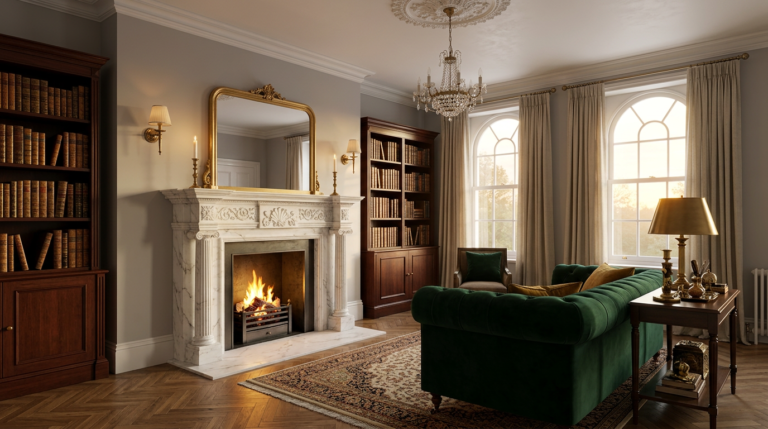

Elevate your space with affordable luxe by prioritizing thoughtful detailing over flash. Build a cohesive palette, mix textures, and Layer lighting with dimmers and varied sources to avoid flatness. Choose a few statement pieces—bold sofas, sculptural lamps, or refined hardware—that anchor the room, then balance them with neutral grounds. Opt for premium materials that age gracefully and curate accents with intention. Keep scale, rhythm, and cohesion in check, and you’ll create timeless luxury on a budget—plus you’ll discover more how-to tips ahead.
Key Takeaways
- Prioritize thoughtful detailing and cohesive finishes over flashy price tags to achieve a high-end look.
- Use a unifying color palette, layered lighting, and balanced negative space to create cohesive, upscale rooms.
- Invest in statement pieces and premium materials that age gracefully, then mix in affordable, well-chosen accents.
- Layer textures and lighting (overhead, floor, table lamps) with dimmers to add warmth and depth.
- Curate art and accessories with restrained, deliberate placement to maintain polish and avoid visual noise.
What Makes Affordable Luxe Decor Look High-End

High-end looks on a budget hinge on thoughtful detailing, not flashy price tags. You translate value into perception by mastering texture, proportion, and finish.
Focus on luxury branding cues: visible craftsmanship, consistent hardware, and curated accents that signal quality. You’ll notice that high end materials elevate spaces without shouting wealth; opt for dense woods, natural stone, and durable textiles that age gracefully.
Keep surfaces cohesive in tone and sheen, avoiding mixed metals that fragment the scene. Subtle lighting, aligned frames, and tailored upholstery matter more than ostentation.
Prioritize well-fitting, durable pieces over trends, then let restraint do the heavy lifting. When you combine restrained palette, precise proportions, and intentional details, the space reads refined, not disposable.
Build Your Luxe Look: Core Principles Before You Shop
Start by defining your Luxe Foundation—the nonnegotiables that anchor every room, from color palette to materials.
Then, prioritize design principles—balance, scale, light, and texture—so every piece supports the look you want.
Finally, plan before purchases: map a cohesive vision, set a budget, and list exact needs to avoid impulse buys.
Define Luxe Foundation
Define Luxe Foundation means identifying the nonnegotiables that underpin a refined look before you shop. You establish how you want rooms to feel, then align choices with that standard.
Start with clarity: decide which elements express quality and permanence, and resist fads that dilute value. Prioritize materials, finishes, and construction that endure, not merely look appealing.
Use a disciplined approach to scale, proportion, and rhythm so every piece earns its place.
Emphasize how luxury branding signals intent without shouting; it’s about cohesion, consistency, and deliberate curation.
Seek premium materials that age well and retain character, then balance them with available options to avoid overinvestment.
Your Luxe Foundation becomes a practical filter, guiding purchases toward restraint, refinement, and a timeless, cohesive aesthetic.
Prioritize Design Principles
To build your Luxe Look, prioritize design principles that translate into lasting impact. Start with cohesion: pick a unifying color palette, then repeat it across furniture, textiles, and art.
Embrace balance by pairing bold statements with calm, negative space to prevent clutter. Ground your space with scale and proportion—the right-sized sofa, rug, and lighting anchor the room without competing with each other.
Introduce texture to add depth: mix matte and glossy finishes, tactile fabrics, and subtle metallics. Incorporate artistic florals as deliberate accents rather than focal points, so they feel curated, not busy.
Weave Vintage accents thoughtfully to evoke timeless appeal without aging the look. Ultimately, guarantee every element supports comfort and function, so style endures beyond trends.
Plan Before Purchases
Before you shop, map out a plan that aligns with your Luxe Look. Start by defining your room’s function, color palette, and focal piece, then set a budget and a timeline.
Prioritize a few high-impact items—lighting, textiles, and a main furniture anchor—while reserving room for add-ons later. This approach keeps you focused, avoiding impulse buys.
Seek budget-friendly furniture that delivers style without sacrificing comfort, and measure floor plans to ensure scale and flow remain intact.
Compare materials, finishes, and warranties to maximize longevity.
Consider Sustainable decor options, such as recycled metals, FSC-certified wood, and low-VOC finishes, to create a cohesive, responsible look.
Finally, curate a shortlist from trusted sources, and revisit it after 72 hours to confirm your choices.
Invest in a Few Statement Pieces That Do the Heavy Lifting
You don’t need to overhaul every room to elevate your space—start with a few bold pieces that anchor your look and do the heavy lifting. Choose statement pieces that instantly command attention and set the tone for the entire room. A standout sofa, a striking light fixture, or a sculptural centerpiece can redefine scale and mood without a full refresh.
Prioritize quality over quantity; one or two focal decor items can outperform a cluttered collection. Balance them with clean lines, neutral backdrops, and intentional negative space to prevent overwhelm.
Use these pieces to guide your color, texture, and symmetry decisions, ensuring cohesion. Invest in durability and timeless appeal so your focal decor pays dividends year after year.
Statement pieces anchor, elevate, and endure.
Curate Color Palettes That Read Luxe on a Budget

Curating color palettes that feel luxe on a budget starts with a restrained base and strategic accents. You choose a neutral foundation—soft whites, warm beiges, or matte charcoal—and let color come through thoughtfully chosen pieces. Keep the base calm so you can layer depth without overwhelm.
Then apply color coordination to guide every decision, from wall hues to furniture finishes, ensuring harmony rather than clash. Use Palette pairing to pair bold accents with muted backgrounds, reinforcing cohesion with repeatable tones across rooms.
Limit the palette to 3–4 hues, plus texture-driven neutrals, to preserve a high-end feel. Introduce metallic finishes or glass in small quantities to add sheen without shouting. Revisit lighting white balance to preserve the luxe impression as the palette evolves.
Elevate Rooms With Textures, Fabrics, and Surfaces
Textures, fabrics, and surfaces are your fastest route to warmth and depth, so choose tactile elements that invite touch and create visual interest. In living spaces, layer textures deliberately to define zones without clutter.
Start with a neutral base and add contrast with textured throws and plush fabrics to soften edges and ground furniture. Mix materials—cotton, linen, velvet, jute—to introduce subtle shifts in light and pattern, then balance with sleek surfaces like glass or ceramic accents.
Keep scale intentional: large textiles anchor oversized seating; smaller textures punctuate shelves and tables. Maintain cohesion by repeating a color story across fabrics and finishes.
Prioritize quality over quantity; invest in a few standout pieces that age gracefully and elevate the room’s perceived value.
Lighting Tricks for a Polished Ambiance
Layer your lamps by size and scale to create depth without clutter. Use dimmers to adjust brightness on demand.
Lean into warm tones for a welcoming glow. These simple tweaks set a polished ambiance while keeping decor affordable.
Layer Lamp Dimensions
Layering lamp dimensions is a quick path to a polished ambience. When you pick lamps of varying heights, you create visual interest and balance across surfaces.
Start with the dominant piece, then add a secondary lamp to echo its shade or base material.
Pay attention to lamp dimensions relative to furniture: the top of each shade should sit roughly at eye level when you’re seated.
Aim for a cohesive lighting fixture scale across lamps on consoles, end tables, and floor stands.
Favor consistent finishes to unify the group without duplicating shapes.
Avoid crowding surfaces; allow space for silhouettes to breathe.
This approach delivers intentional contrast, steadiness, and a refined look without clutter.
Dimmer Light Tricks
Dimmer lighting instantly sharpens a room’s mood while keeping it comfortable. You’ll leverage dimmer switches to tailor intensity from bright task light to soft, atmospheric glow without swapping fixtures.
Pair this with layered sources—overhead, floor, and table lamps—to avoid flat illumination. Set a default around 40–60% for most evenings; boost to 80% for reading, then drop near candle-light levels for unwinding.
Choose LEDs with a high color-rendering index to preserve true tones as you dim. Create contrast by highlighting artwork or architectural features at lower levels, while keeping work zones well lit.
Label presets on smart systems for quick shifts. Remember: mood lighting isn’t about darkness—it’s about control, balance, and a cohesive, high-end feel.
Warm Tone Ambiance
Warm tones instantly cozy a space, turning lighting into an inviting texture rather than a mere function. You’ll achieve a polished ambiance by selecting warm bulbs (2700–3000K) and coordinating with your existing decor. Aim for color harmony across fixtures, lampshades, and walls so shadows soften without harsh contrast.
Use dimmers to modulate brightness, shifting from task-ready to intimate settings with ease. Layer light sources—overhead, ambient, and accent—to avoid flat lighting and enhance depth. Choose lamps with warm finishes and natural textures to reinforce the mood setting you want.
Consider bulbs with a slight amber glow for living rooms and bedrooms, cooler backdrops for kitchens. Keep consistency in color temperature and avoid mixing too many intensities. Subtle accents refine the look without clutter.
Art and Accessories: Curate a Clutter-Free Gallery

A well-curated gallery begins with a clear vision: select a cohesive color palette, balance scale, and limit the number of pieces to avoid visual noise.
You’ll create focal points by grouping related items and leaving generous negative space around each piece. Choose Framed artwork as anchors and place decorative vases nearby to echo color and texture without crowding.
Mix formats—a single large frame with a few smaller prints—to build rhythm while preserving calm. Hang at eye level and maintain consistent framing styles to unify the collection.
Prioritize quality over quantity; rotate pieces seasonally to keep the gallery fresh without wall clutter. Maintain intentional spacing, avoid overmatching, and let each piece breathe.
Your uncluttered display signals refined taste and thoughtful curation.
Smart Swaps and DIY Details That Elevate the Space
Smart swaps and DIY details can elevate your space without breaking the bank, because small, deliberate updates add up. You’ll maximize impact with targeted changes you control.
Start with eco-friendly materials for textiles, paints, and finishes to reduce cost and waste while signaling quality.
Swap out generic hardware for vintage accents—drawer pulls, lamps, and frames—that instantly lift the room’s character without a full overhaul.
Refinish existing furniture with low-cost methods like gel stains or waxes to transform surfaces, preserving structure while adding depth.
Update lighting with energy-efficient bulbs and layered sources to create warmth and sophistication.
Craft simple art displays using affordable mats and frames, rotating pieces seasonally.
Maintain cohesion by repeating color, texture, and metal tones across pieces.
Mix Eras and Styles for Magazine-Worthy Cohesion
Mixing eras and styles creates a magazine-worthy cohesion by giving your space texture and character while staying cohesive. You’ll balance vintage with modern, letting each piece contribute purpose without shouting.
Focus on a dominant neutral palette to anchor eclectic mixing, then layer with deliberate accents that echo across items. Choose a few statement classics and pair them with contemporary silhouettes for contrast that feels intentional.
1) Anchor with a shared color or material across eras to unify the look.
2) Highlight vintage accents through placement and lighting to elevate impact.
3) Curate a tight selection of pieces per room to avoid clutter and maintain polish.
Frequently Asked Questions
How Can I Test Quality Without Overspending?
Yes—test quality by tactilely inspecting materials, checking seams, and comparing weight, finish, and color consistency; rely on luxury material comparisons and cost effective design tips to judge value without overspending.
Which Fabrics Resist Wear but Feel Luxe?
You feel the luxury fabric’s weight and hand; it resists wear through durable textiles, staying smooth and rich. You’ll choose upholstery in boucle or velvet, and trust performance, warmth, and elevated texture to elevate spaces consistently.
How Do I Avoid Theme-Y Decor Pitfalls?
Yes, focus on restraint and consistency. You avoid theme-y pitfalls by Color coordination across rooms and Pattern balancing within spaces, selecting a core palette, mixing subtle patterns, and letting quality textures ground the look rather than obvious motifs.
What Budget-Friendly Upgrades Yield Big Impact?
Upgrade with bold statement pieces and cohesive color palettes; you’ll see big impact without breaking the bank. Choose timeless finishes, mix textures, and curate details that tie rooms together for a polished, high-end look you can afford.
Can I Mix Metals Safely and Stylishly?
Yes, you can mix metals safely and stylishly. Start with cohesive tones, then chase contrast through metal pairing. Use decorative accents in varying finishes, balance warm and cool hues, and let a single statement piece anchor the look.
Conclusion
You don’t need a showroom budget to land luxe. Focus on a few statement pieces, curated color, and tactile textures that whisper “high-end” rather than shout it. Think cohesive flow, not perfection, and let smart swaps do the heavy lifting. When you mix eras and keep clutter at bay, your space reads polished and intentional. Like a well-tailored jacket, the right touches pull the whole room together with quiet confidence.
About the Author