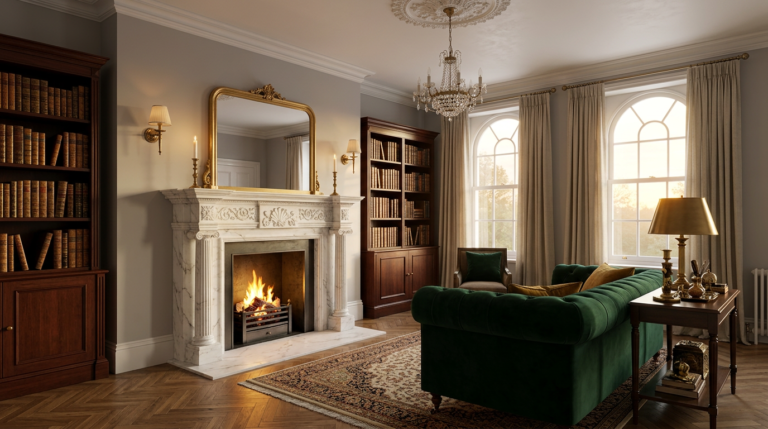

Adopt minimalist modern living by prioritizing function over excess, using clean lines and restrained, durable materials. Start with a calming neutral palette—cool or warm neutrals with sparing, low-saturation accents—and layer materials to add warmth without clutter. Choose versatile, modular furniture that can reconfigure as needs change, and hide storage within built-ins to maintain calm circulation. Layer lighting with ambient, task, and natural light, and establish routines to sustain order. If you keep exploring, you’ll uncover deeper principles and practical steps.
Key Takeaways
- Embrace function over excess by selecting versatile, durable pieces with clean lines and hidden storage to maintain calm, uncluttered spaces.
- Use a restrained color palette of cool or warm neutrals with limited accent tones for cohesive, breathable interiors.
- Layer lighting (ambient, task, and accent) with dimmable controls and ample natural light to enhance mood and usability.
- Create visual depth through texture and material layering (wood, stone, textiles) with minimal patterns and cohesive finishes.
- Plan storage and routines (built-ins, labeled components, regular refreshes) to sustain order and adapt to changing needs.
Define Minimalist Principles for Modern Living

Minimalism in modern living prioritizes function over excess, defining spaces by clean lines, purposeful objects, and open circulation. You establish a framework where forms deliver utility, not distraction. Minimalist principles center on restraint, versatility, and clarity, guiding material selection, spatial layout, and hierarchy. You evaluate objects by necessity, durability, and contribution to flow, discarding superfluous elements without compromising function. Modern aesthetics rely on subdued palettes, tactile honesty, and precise joints, ensuring consistent proportions and perceptions of order. You enforce consistent alignment, scale, and negative space to enhance legibility of spaces. You integrate hidden storage, essential tech, and touchpoints that reinforce calm. You communicate intent through minimal ornament, deliberate contrasts, and clean surfaces, achieving clarity without sacrificing warmth. This approach yields cohesive spaces that feel purposeful and enduring.
Build a Calming Color Palette for Minimalist Interiors
A calming minimalist palette starts with neutral foundations—grays, beiges, and whites—planted against restrained accent hues to modulate mood without visual noise. You should leverage color psychology to optimize perceived harmony and space, aligning saturation and value with room function and light exposure. Begin with paint selection that favors low-reflectance finishes in main walls to reduce glare, while selecting higher-saturation accents sparingly for focal points. Favor cool neutrals for modern depth or warm neutrals for cozier air, ensuring tonal consistency across adjoining surfaces. Use white or near-white ceilings to enhance perceived height. Test samples under actual daylight to confirm stability, avoiding abrupt shifts that disrupt flow. Document each choice, noting how hues interact with furnishings and fabrics to sustain a calm, cohesive environment.
Choose Versatile Furniture That Lasts and Adapts
You’ll start with versatile furniture basics that perform across spaces. Choose durable, timeless materials that resist wear and stay relevant as trends shift. Emphasize adaptable layout solutions that reconfigure easily to meet changing needs.
Versatile Furniture Basics
Versatile furniture forms the backbone of adaptable interiors: choose pieces that perform across rooms and over time, then pair them with finishes and configurations that accommodate shifting needs. You’ll prioritize multifunctional furniture that minimizes clutter while expanding capability, and you’ll assess each piece for both primary use and secondary roles. Favor modular design that lets you reconfigure layouts without new purchases, enabling quick adaptation to tasks, guests, or spaces. Focus on clean lines, durable joints, and interchangeable components—sufficient for frequent rearrangement and storage efficiency. Confirm scale matches room proportions, and select neutral finishes that resist trend drift. Prioritize clear labeling for interchangeable parts and easy maintenance routines. This approach supports iterative changes, reduces redecorating cycles, and sustains a minimalist, organized living environment.
Durable, Timeless Materials
Durable, timeless materials form the backbone of adaptable furniture, ensuring longevity and performance across uses and years. You select pieces built for multi‑function roles, resisting wear while retaining form. Prioritize mechanical stability: joinery, fasteners, and clear-grain surfaces reduce creep and fatigue under daily cycles. Opt for classic material options known for resilience, such as solid wood with appropriate finishes, high‑density composites, and metal alloys engineered for repeated loading. Consider finishes that resist staining, scratching, and aging without rapid color shift. Sustainable craftsmanship informs all stages—from sourcing to assembly—minimizing waste and emissions while maximizing service life. Favor modular hardware and interchangeable components that facilitate reconfiguration over time. Your goal is enduring utility, minimal maintenance, and sustained aesthetic cohesion across evolving interiors.
Adaptable Layout Solutions
Adaptable layouts rely on furniture that can reconfigure without sacrificing performance. You select pieces that transform to fit shifting needs, preserving function and form. Start with modular systems that snap together for flexible room configurations, enabling easy zoning changes without full redecorating. Prioritize multi purpose furniture that transitions from work surface to dining area or from storage to seating, reducing clutter while expanding capability. Use compact, stackable units or foldaway elements to maintain sightlines and maintain balance with minimalist aesthetics. Guarantee hardware and articulation are robust, with smooth operation under repeated use. Favor neutral finishes and durable fabrics that endure rearrangement and seasonal styling. Plan for future needs by testing load, accessibility, and alignment across configurations to sustain long term adaptability.
Add Texture Without Visual Chaos

Texture is essential, but it can overwhelm a room if overused; the goal is to layer tactile elements that read as cohesive rather than chaotic. You build texture through deliberate material choices, avoiding excessive pattern proliferation. Start with a restrained base and introduce Textural contrast through one or two complementary materials per zone, such as smooth stone paired with woven fabric or matte wood with a glossy tile accent. Prioritize proportional contrasts rather than quantity, aiming for a refined visual rhythm. Use finishes that reflect light at varying angles to reduce flatness without increasing glare. Limit textiles to a cohesive palette, then add a single statement piece to anchor the space. Maintain Visual complexity through subtle shadows, depth, and tactility, not busy motifs or competing patterns.
Maximize Storage While Keeping Clean Lines
To maximize storage without compromising clean lines, design built-in solutions that disappear into the architecture with precise dimensions and minimal hardware. You create zones where function meets form, using recessed cabinets, monolithic shelving, and flush doors. Prioritize hidden storage to maintain uninterrupted surfaces; conceal drawers within cabinet faces and blend hardware into negative space. Employ multi purpose furniture to reduce clutter without sacrificing accessibility, such as ottomans with hollow interiors, bed frames with integrated drawers, and coffee tables that conceal charging hubs. Specify uniform materials, edge treatments, and color palettes to reinforce cohesion. Measure circulation paths first, then tailor assemblies to exact room geometry, avoiding gaps that betray the minimalist language. Test prototypes for smooth operation, ensuring durable hinges, soft-close mechanisms, and consistent alignments.
Light Your Space for Calm and Function
Lighting isnay essential to calm and function in a space; you should plan layers of light that support tasks, mood, and safety. You guide placement, intensity, and control to create a balanced environment that minimizes glare and shadows while maximizing clarity. Prioritize ambient lighting to establish a calm base, supplement with task lighting for work zones, and use accent lighting to shape perception without overstimulation. Seek natural illumination where possible, aligning windows and openings to daylight rhythms. Choose dimmable fixtures and tunable color options to adapt to time of day and activity. Finally, guarantee circuits and switches are straightforward for quick adjustments to maintain focus and comfort.
- Use ambient lighting as the foundation for calm spaces
- Combine task lighting with adjustable brightness
- Leverage natural illumination for daily rhythm
- Implement dimmable controls for flexibility
- Position lighting to reduce glare and shadows
Layer Materials and Finishes for Warmth

Layering materials and finishes creates warmth by combining tactile, visual, and acoustic properties in a controlled sequence. You select core substrates and integrate layered elements to balance texture, color, and sound absorption. Prioritize Layer materials that respond to touch and light: wood, natural stone, cork, and textiles with a low sheen. Pair these with finishes that enhance warmth without heaviness: matte oils, honed surfaces, subtle waxes, and low-contrast lacquers. Consider rhythm and scale: large panels softened by smaller, tactile accents. Acoustic performance arises from strategically placed textiles and porous surfaces. Maintain material consistency across zones to avoid visual fragmentation. Guarantee finishes protect substrates while revealing depth; test in lighting conditions to confirm warmth remains consistent throughout the day. This approach yields cohesive, inviting minimalist interiors.
Practical Steps to Start a Minimalist Refresh at Home
Start by decluttering your space to reveal clean lines and functional zones. Then adopt a simple color palette—neutral bases with restrained accents—to set a cohesive, minimalist foundation. This approach supports focused edits: identify essentials first, then add only what truly enhances daily use.
Declutter First Steps
Decluttering isn’t about overnight perfection; it’s about creating a practical path to a calmer, more functional space. You’ll approach this with a methodical mindset, targeting high‑impact areas first and establishing repeatable systems. Focus on defining zones, setting limits, and documenting decisions to support consistent effort. This is where organizational routines and clutter management converge to produce durable results.
- Audit traffic zones and reduce unused items that impede flow
- Tag and categorize belongings by function, not sentiment
- Set weekly 15‑minute refreshes to maintain momentum
- Create a single source of truth for storage locations
- Evaluate purchases against a strict minimalist checklist
This approach yields measurable gains in efficiency and serenity, forming the foundation for a lasting minimalist refresh.
Embrace Simple Color Palette
A simple color palette anchors a minimalist refresh by establishing a calm, cohesive backdrop you can build on with confidence. Start with a dominant neutral—warm gray, taupe, or off-white—that grounds furniture and architectural details. Limit accent colors to two or three restrained tones to maintain harmony. Color coordination hinges on consistent undertones across walls, trim, and textiles, ensuring seamless progressions between spaces. When selecting paint, favor low-VOC formulas for improved air quality and longevity. Apply paint techniques that emphasize texture rather than saturation: matte sheens for walls, satin or eggshell on cabinetry, and strategic glazes for depth on architectural features. Reserve bolds for focal points, such as a single chair or artwork, to avoid visual clutter. This disciplined approach supports a timeless, adaptable environment.
Frequently Asked Questions
How Can I Start Minimalist Living With a Small Budget?
Yes, start by prioritizing essentials and sourcing budget friendly decor from thrifted finds or sales, then implement minimalist storage solutions like modular bins and wall-mounted shelves, keeping surfaces clear. You’ll reduce clutter, maximize space, and stay budget-conscious.
What Common Decorating Mistakes Break a Calm Minimalist Space?
Calm, controlled spaces crumble with clutter; curb carelessness and conquer clutter reduction by curating essentials. You’ll maintain a neutral palette, prevent visual noise, and preserve proportion, scale, and balance—building a precise, practical, powerful minimalist environment.
How Do I Maintain Minimalism With Kids or Pets?
You maintain minimalism with kids and pets by implementing organized systems, prioritizing hidden storage, and choosing durable, pet-friendly materials. Use kids’ toy organization strategies and opt for pet friendly furniture to reduce visual clutter and preserve calm spaces.
Which Plants Suit Low-Light Minimalist Interiors Best?
One stat: 70% of low-light interiors sustain indoor greenery better with proper airflow. You choose low-light plants like ZZ, pothos, and sansevieria to thrive in dim spaces; you’ll keep indoor greenery thriving in controlled, low-light conditions.
Can I Borrow Color From Nature Without Clutter?
Yes, you can borrow color from nature while staying uncluttered. Use nature inspired palettes with muted greens and earth tones, applied to walls, textiles, and accents; maintain clutter free aesthetics by selective placement and purposeful, functional items.
Conclusion
In a breath, you, the Captain, chart a minimalist voyage through cluttered seas. Each decision—color, texture, storage, light—is a steady compass, guiding you toward a harbor of calm. Allegorically, your home becomes a lighthouse: simple beams cut through fog, revealing what truly matters. When you resist the tide of excess, you preserve depth over noise, function over flourish. Stay the course: intentional choices anchor you, making space for clarity, purpose, and lasting serenity.
About the Author