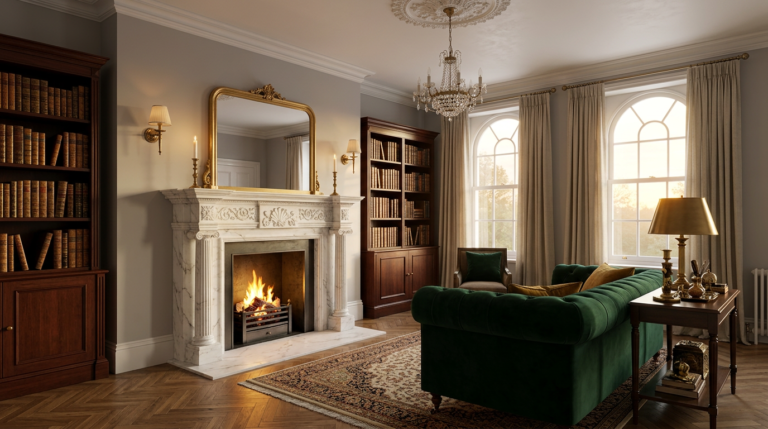

Top interior design trends homeowners are searching for this year center on calm, warm neutrals, and tactile textures that invite touch. You’ll favor soft palettes, soft architectural lines, and layered materials—linen, wool, clay plaster, and boucle—for warmth and depth. Multifunctional layouts and space-saving furniture help you maximize small spaces, while biophilic touches boost wellbeing. Durable, low-maintenance finishes keep homes practical for active living. If you want a plan that blends minimalism with personal warmth, you’ll find more insights ahead.
Key Takeaways
- Calming, restorative spaces with soft architectural lines and balanced layouts that prioritize flow, natural light, and warm neutrals.
- Texture-rich layering using linen, wool, clay plaster, and boucle to add tactile depth without overwhelming the palette.
- Durable, pet-friendly finishes and materials (engineered stone, high-performance laminates, wide-plank hardwoods) for longevity and easy maintenance.
- Biophilic design and space optimization that maximize small spaces with multifunctional furniture and natural elements.
- Sustainable choices with low-VOC materials, recycled content, and locally sourced options to reduce environmental impact.
Foundational Design Moods for 2026: How to Choose Your Home Calm

Foundational design moods for 2026 center on creating spaces that feel intentional, balanced, and restorative. You’ll prioritize calm energy by selecting forms, materials, and finishes that reduce visual noise and support ease of use.
Choose layouts that promote flow, with clear sightlines and purposeful zoning so every activity has a defined, tranquil place. Core palettes lean toward subdued tones, soft textures, and warm neutrals that don’t overwhelm yet invite lingering.
Incorporate natural light and breathable fabrics to reinforce serenity, while controlled contrast keeps depth without distraction. Furniture should be streamlined and ergonomic, enabling comfortable, undistracted living.
You’ll cultivate tranquil spaces through restraint: strategic accents, purposeful calm, and a mindful rhythm that sustains focus, rest, and well‑being throughout daily life.
Warm Neutrals That Do More Than Sit Pretty
You’ll elevate warmth in your spaces with tones that read rich without overpowering, creating a canvas that breathes. Layer textures in neutral shades to add depth and tactile interest, so the room feels inviting up close and cohesive from afar.
Pair soft contrasts across surfaces and fabrics to keep the palette lively yet calm, ensuring warmth serves function as well as mood.
Warm Tone Elevation
Warm tone elevation uses warm neutrals that do more than sit pretty by grounding spaces with depth while adding versatility across lighting and finishes. You’ll leverage color psychology to shape emotional ambiance, guiding mood from calm to energized with careful shade choices.
- Choose warm neutrals as the core, then layer with accent tones that echo your lighting’s warmth.
- Pair matte and satin finishes to create subtle contrast that reads refined, not loud.
- Test under different daylight scenarios to maintain consistency in mood and depth.
This approach keeps spaces cohesive yet dynamic, enabling seamless progression between rooms. You gain flexibility for statement furniture, art, and textiles without abandoning coherence. The result: a timeless, emotionally resonant environment that adapts with you as lighting and usage evolve.
Textured Neutral Layers
Textured neutral layers build on warm neutrals by adding tactile depth that doesn’t overwhelm. You enhance rooms with layered materials—linen, wool, clay plaster, and boucle—that read as cohesive, not busy.
Focus on a restrained palette where soft beige, warm gray, and ivory anchor the scheme, then introduce contrast through texture rather than color. Texture should feel deliberate: a midtone surface on upholstery, a woven rug, and a matte ceramic vase can create rhythm without shouting.
This approach hinges on tactile surface design that invites touch and signals quality. Pair textures with clean lines and ample negative space to avoid visual fatigue. Use scale variation thoughtfully, ensuring every element supports the overall warmth and calm you want to convey.
textured neutral layers, tactile surface design.
Soft Contrast Palettes
Soft contrast palettes elevate warm neutrals by introducing gentle tension that keeps rooms feeling alive yet serene. You’ll leverage subtle off-whites, taupe, and clay with restrained contrast to achieve color harmony across surfaces, textiles, and accents. The aim is palette balance: enough distinction to energize, not jar. Use these principles to guide your selections and placement.
- Prioritize contrast at key focal points (artwork, upholstery) while maintaining cohesive undertones.
- Mix warm neutrals with cool whites sparingly, ensuring the shift feels intentional and calm.
- Layer textures and finishes to reinforce depth without overwhelming the eye.
This approach yields rooms that feel curated, welcoming, and timeless, avoiding gimmicks while delivering refined warmth.
Texture as a Feature: Tactile Surfaces You’ll Want to Touch
Texture isn’t just about looks; it’s about how a space feels in use. When you design with texture, you create subtle cues that guide behavior and comfort. Prioritize Textured surfaces in key zones—entryways, seating backs, and work surfaces—to invite touch and enhance perceived quality.
Choose Tactile materials that balance durability with warmth, such as brushed woods, woven fabrics, and stone with a matte finish. Layer contrasts in scale: a chunky rug against a sleek bench, or soft upholstery paired with a ridged wall treatment.
Remember texture isn’t decoration alone; it alters acoustics, warmth, and grip, shaping daily routines. Keep palettes restrained to let surface interest drive the narrative, and measure touch satisfaction via foot traffic, linger time, and user feedback.
Multifunctional Furniture for Small Spaces

Multifunctional furniture is essential in small spaces, where every square inch counts and flexibility directly controls daily living. You’ll maximize every area by choosing pieces that serve dual purposes without clutter. Prioritize clever storage, scalable seating, and transformable surfaces to maintain flow and function.
- Select storage beds and ottomans with hidden compartments to reclaim floor space.
- Use wall-mounted desks and foldable tables that tuck away when not in use.
- Opt for nesting or modular seating that reconfigures for entertaining or daily tasks.
Space saving solutions hinge on exposed lines and light tones, keeping rooms feeling airy. Compact furniture should balance utility with restraint to preserve visual calm while boosting versatility and practicality.
Nature Inside: Biophilic Design for Wellbeing
Nature inside isn’t a trend; it’s a design discipline that leverages natural elements to boost mood, focus, and resilience. You’ll harness biophilic principles to create environments that feel calmer and more restorative.
Prioritize placement and scale to maintain balance, ensuring greenery and materials don’t overpower spaces. Indoor gardens act as living focal points, improving air quality and offering tangible wellbeing benefits, while diverse textures mimic nature’s complexity without clutter.
Seek direct natural light to maximize visibility, reduce stress, and regulate circadian rhythms; align windows, openings, and reflective surfaces to diffuse brightness without glare.
Select materials with tactile warmth—wood, stone, woven fibers—that echo the outdoors. Integrate plant life into routines, not just décor, so maintenance remains practical and sustainable.
Color Pops: Bold Accents Without Overwhelm
Color pops can energize a room without overpowering it when you deploy them strategically. You’ll notice how vivid contrasts elevate mood without shouting for attention. Use accents that tie back to your base palette so the look stays cohesive and refined.
- Choose a focal spot: a single chair, wall, or throw in a vivid hue, then repeat it subtly elsewhere.
- Layer with accent lighting: backlit shelves, slim sconces, or a pendant that highlights the color without glare.
- Balance with neutrals: ground the bold shade in natural textures and matte finishes to avoid overwhelm.
These moves keep style deliberate, not loud, ensuring confident, design-forward spaces.
Sustainable Materials You’ll Actually Love Living With
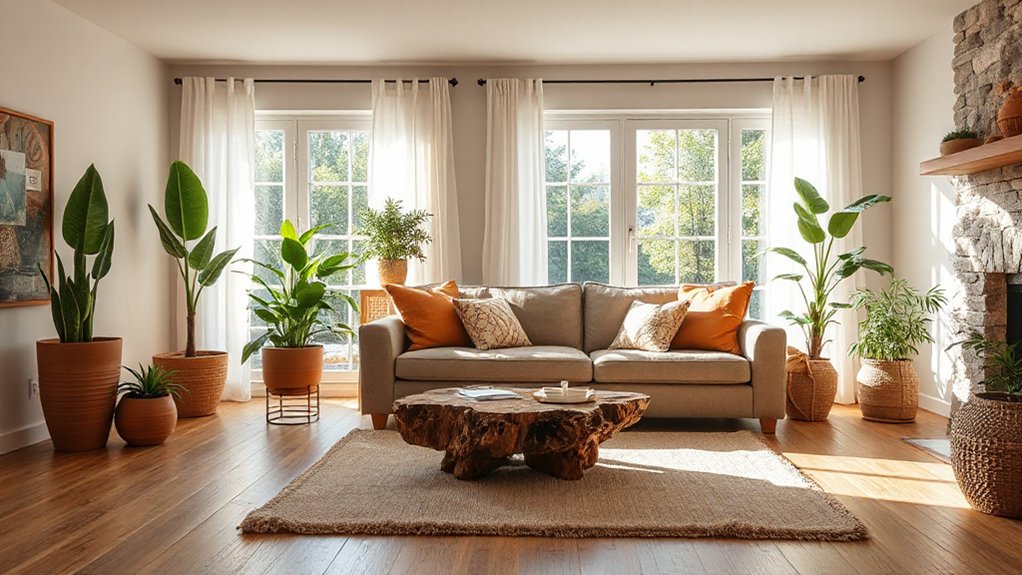
Sustainable materials you’ll actually love living with start with real-world durability and low-maintenance appeal. You’ll choose materials that perform under daily use, resist wear, and simplify upkeep without sacrificing aesthetics.
Recycled plastics prove surprisingly versatile for countertops, tiles, and hardware, delivering modern finishes with a smaller environmental footprint. Look for low-VOC formulations and stable colorways that resist fading and staining.
Cork flooring offers warmth underfoot, easy maintenance, and excellent acoustic benefits, making it a practical everyday choice.
Prioritize treads on high-traffic zones and sealed surfaces to extend life and ease cleaning. In all selections, assess lifecycle impact, locally sourced options, and end-of-life recyclability.
The result is a design that respects resources while delivering lasting style and comfort.
Soft Architectural Lines for Relaxed Spaces
Soft edges shape calmer spaces, guiding you toward rooms that feel welcoming rather than rigid. You’ll notice curved shapes and fluid layouts create gentle, cohesive flows that reduce visual noise.
Embrace soft architectural lines to achieve calm interiors and more versatile, relaxed environments.
Soft Edges, Calm Interiors
Soft edges define a calmer home by prioritizing gentle progressions over sharp delineations. You’ll notice spaces feel more breathable when lines soften, gradual shifts become intuitive, and clutter recedes.
To implement, focus on texture, tone, and proportion. Your aim is quiet sophistication, not spectacle.
- Embrace cozy textures: boucle, brushed wool, and nubby linens add warmth without visual noise.
- Use muted palettes: soft beiges, dove grays, and warm whites harmonize large surfaces.
- Favor softened geometry: rounded corners, inset cabinetry, and curved seating guide flow without abrupt joints.
This approach yields rooms that breathe, invite lingering, and support calm routines. The result is refined, functional, and consistently soothing.
Curved Shapes, Fluid Rooms
Curved shapes and fluid room layouts create a sense of motion that unifies spaces without shouting for attention. You’ll notice how fluid forms soften progressions between zones, guiding movement with intention rather than abrupt separations.
This approach leverages curved architecture to produce intimate, human-centered environments, where seating and built-ins follow organic lines that invite lingering. In practice, prioritize seamless connections: open plans with rounded corners, curved cabinetry, and rounded corners on fixtures to reduce visual fatigue.
Materials should reinforce calm energy—soft textures, matte finishes, and warm neutrals. Lighting plays a vital role; choose diffuse sources that echo the room’s contours.
Curved shapes empower flexible layouts, enabling adaptable uses as needs evolve. Embrace fluid forms to craft spaces that feel cohesive, timeless, and quietly sophisticated.
Work-From-Home Ready Layouts That Spark Productivity
To boost productivity at home, design your space with purpose-built zones: a dedicated work desk, ample natural light, and quiet boundaries that minimize distractions. You’ll create a flow that keeps tasks separate from relaxation, enhancing focus and momentum.
For a work-from-home setup that truly works, prioritize ergonomic choices and clear tech pathways.
1) Remote collaboration-ready zones: a dedicated camera-ready area with minimal clutter and easy screen sharing access.
2) Ergonomic workspace: adjustable chair, proper monitor height, and cable management to reduce strain.
3) Defined boundaries: soft sound dampening, task lighting, and a color palette that signals “focus” during work sessions.
This approach delivers consistent performance, faster decisions, and sustained productivity without burnout.
Lighting as a Design Hero: Layers, Warmth, and Mood
Ever wondered how light can transform a space from functional to emotionally resonant? You achieve that by treating lighting as a design layer, not a fixture afterthought. Start with ambient glow to establish the room’s baseline atmosphere, then deploy task lighting where you need clarity and focus.
Use dimmable sources to shift mood lighting without changing fixtures, matching intensity to activities and times of day. Layered lighting adds depth, highlighting architecture, textures, and color.
Consider warm color temperatures for inviting spaces and cooler tones for work zones, balancing energy and calm. Design avoids glare by separating light sources from reflective surfaces.
Finally, integrate controls—smart or manual—for quick, precise adjustments that keep spaces versatile, welcoming, and expertly calibrated.
Wellness Protocols at Home: Air Quality, Light, and Quiet

You’ll prioritize air quality and quiet lighting as core wellness pillars in your home. Start with an air-quality plan that includes filtration, ventilation, and low-emission materials.
While pairing it with a quiet lighting strategy that reduces glare and supports circadian health. This concise framework sets the stage for practical steps you can take to optimize daily comfort and focus.
Air Quality Optimization
Air quality indoors directly affects health, comfort, and focus, so you should prioritize a practical wellness protocol that blends filtration, ventilation, and source control. You can optimize spaces through targeted strategies that reduce pollutants and improve air freshness.
- Install air purification options with high-efficiency filters and consider portable units for rooms lacking centralized solutions.
- Upgrade ventilation systems to ensure consistent outdoor air exchange while balancing humidity and temperature.
- Reduce pollutant sources by selecting low-emission materials, minimizing dust generations, and adopting smart occupancy-aware operating schedules.
Maintain regular maintenance with filter changes and system checks. Track indoor air metrics and adjust settings seasonally.
A proactive approach safeguards occupant well-being and preserves design integrity, aligning wellness goals with efficient, quiet operation.
Quiet Lighting Strategy
A quiet lighting strategy prioritizes low-noise fixtures, smart controls, and color-accurate illumination to support focus and mood without distraction. You’ll align ambient glow with task lighting to reduce glare and create a cohesive atmosphere across rooms.
Opt for dimmable LEDs and sound-absorbing fixtures that minimize buzz and humming while preserving color fidelity. Implement light layering: background illumination for safety, accent accents to highlight architecture, and task light at desks or kitchens for precision work.
Controls should be intuitive, with presets for work, relaxation, and sleep, and guarantee consistent color temperature to avoid visual fatigue. Consider daylight integration through smart blinds to modulate intensity.
This approach sustains concentration, enhances wellbeing, and communicates a deliberate, premium aesthetic.
Biophilic Patterns: Plant-Forward Prints and Motifs
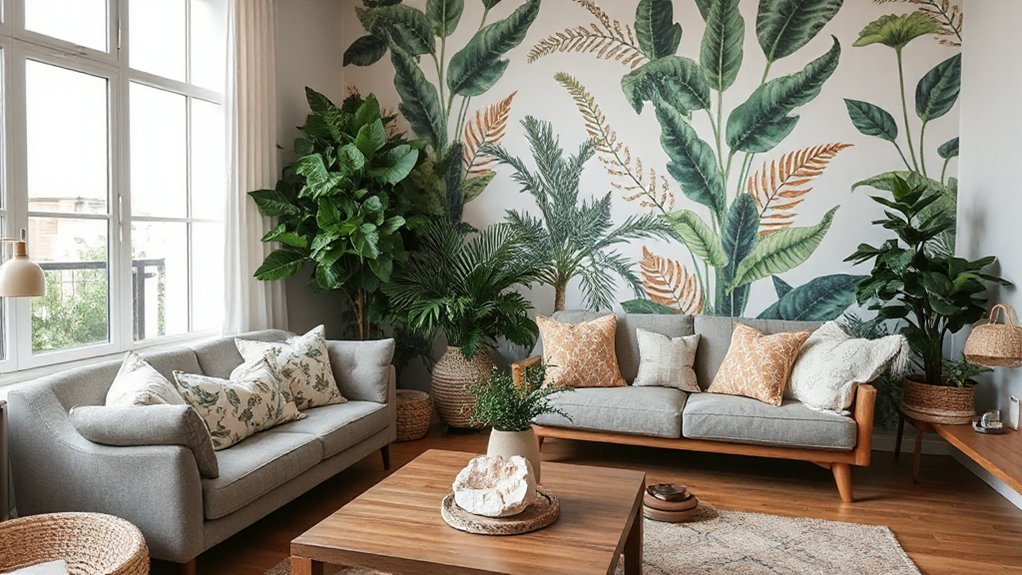
Biophilic patterns bring nature indoors with plant-forward prints and motifs that feel fresh, grounded, and timeless. You’ll notice how these designs fuse calm textures with botanical shapes, creating spaces that breathe while remaining refined.
To embrace this trend, focus on scale, contrast, and repetition, dialing in foliage silhouettes that complement your room’s architecture. Indoor gardens and plant prints work together to elevate mood, improve perceived air quality, and add visual interest without clutter.
Use curated motifs rather than overwhelming patterns for longevity and versatility.
- Choose a dominant botanical print and pair it with solid accents
- Mix large-scale leaves with subtle, second-skin textures
- Integrate live greenery in focal corners and shelves
Durable Finishes for Active Homes
Durable materials matter when active households demand resilience without sacrificing style. Choose pet-friendly finishes that resist scratches and stains, so daily life stays effortless.
With everyday wear in mind, select textures and tones that hide use while preserving a polished, timeless look.
Durable Materials Matter
Choosing durable materials for active homes isn’t just smart—it’s essential. In this subtopic, you’ll focus on resilience without sacrificing style, ensuring finishes withstand daily wear while retaining appeal. Prioritize performance over trendiness, and you’ll reduce upkeep and replacement costs.
- Eco friendly textiles: select blends that resist stains, fading, and pilling while supporting sustainable sourcing.
- Recycled metals: opt for durable hardware and accents that endure moisture and fingerprints with minimal maintenance.
- Surface finishes: choose scratch- and heat-resistant options for counters, floors, and cabinetry to extend life.
Couple durability with a clean aesthetic, and your spaces stay timeless. Invest in quality cores, not only cosmetic looks, to achieve long-term value and fewer remodels.
Pet-Friendly Finishes
Pet-friendly finishes don’t just survive daily antics; they thrive through practical design choices. You’ll prioritize durable surfaces that resist scratches, stains, and moisture, without sacrificing style. Choose high-performance materials like engineered stone, ceramic tiles, and low-maintenance laminates that mimic natural looks while offering easy cleanup.
For textiles, opt for tight-weave fabrics, performance blends, and stain-resistant coatings to support active households. Consider color scale and finishes that hide wear, rather than spotlighting it, so spaces feel cohesive over time.
Integrate pet safe materials and animal friendly decor through architectural details, such as rounded edges, seamless shifts, and concealed seams. Finally, pair practical resilience with responsible sourcing, ensuring finishes support both longevity and safety for all household members.
Everyday Wear Tolerance
Even in busy households, you can expect finishes that withstand daily wear without looking worn. Everyday wear tolerance matters when selecting surfaces that stay pristine amid family life and casual comfort. Prioritize durable materials and easy maintenance to keep spaces looking sharp year after year.
Here are key choices to contemplate:
- Solid-surface countertops and high-performance laminates for practical, seamless upkeep.
- Wide-plank hardwoods with durable finishes or porcelain-wood look tiles that hide scratches.
- Protective coatings on furniture and soft textiles that resist stains while preserving comfort.
Focus on finish resilience, color stability, and cleanability to sustain an elevated look. With the right selections, you’ll enjoy lasting appeal and effortless upkeep in daily routines.
Curated Minimalism: Clutter-Free, Warm, and Personal
Curated minimalism centers on a clutter-free base that still feels warm and personal. You cultivate space with purpose, selecting only elements that earn their place. The result is calm, functional rooms that breathe, not bare shells.
Prioritize quality over quantity, then let deliberate contrasts—soft textiles against crisp surfaces—add warmth without noise. Personal touches should feel curated, not scattered; choose a few meaningful objects, photos, or heirlooms that tell your story without shouting.
Use artful displays to create focal points: group items by scale, color, or texture, and keep where you look first visually calm. Finish with lighting that feels intimate yet efficient—warm hues, layered sources, and dimmers.
This approach preserves character while maintaining simplicity, ensuring spaces remain usable, welcoming, and unmistakably yours.
Small-Scale Art and Personal Galleries
Small-scale art and personal galleries should feel intentional, not crowd-filled. You can curate a focused display that elevates a room without overwhelming it, using gallery walls and precise art placement as anchors. Focus on scale, rhythm, and balance to maximize impact.
- Assess wall real estate: choose a single wall or a compact cluster that reads as a coherent zone rather than a collage.
- Prioritize art placement: align centerpieces at eye level, stagger frames for movement, and mix media to add texture without clutter.
- Use a cohesive frame strategy: select a unified frame family or finish to unify disparate pieces and maintain air around each work.
Keep the look tight, purposeful, and gallery-like, with intentional spacing and thoughtful lighting.
How to Start Your Year-Ready Design Plan
Starting the year with a clear, actionable design plan sets your home up for steady, purposeful updates. Begin with a concise audit: note rooms that need function, lighting, and storage improvements, then prioritize fixes that yield the highest impact.
Establish a practical budget and schedule, mapping costs to each project so you avoid backsliding into ad hoc purchases. Budget planning should tie to outcomes, not impulses; reserve a contingency for surprises.
Define your color psychology approach early—choose palettes that support mood, flow, and usability, then apply consistently across spaces to reinforce coherence.
Create a minimalist roadmap: three to five core initiatives, with measurable milestones and deadlines.
Finally, review quarterly, adapting priorities as needs evolve and trends shift, while preserving your established design intent.
Frequently Asked Questions
What Defines a Timeless Interior Trend for 2026?
A timeless interior trend for 2026 hinges on balance, proportion, and enduring materials. You define it by Vintage Revival paired with Classic Elegance, layering textures, and avoiding fleeting fads to create spaces that age gracefully and feel you.
How to Balance Bold Accents With Calm Spaces?
You balance bold accents with calm spaces by using restrained color contrasts and strategic layering. Create an accent walls focal point, then soften surrounding areas with neutral textures, allowing color contrasts to energize without overwhelming the room.
Which Textures Elevate Small-Space Living Without Clutter?
You elevate small spaces by selecting luxury finishes and textured wallcoverings that keep surfaces tactile yet uncluttered, using restrained neutrals. Choose fabrics and wallpapers with subtle patterns to add depth without visually crowding rooms.
What Sustainable Materials Are Kid- and Pet-Friendly?
You’ll choose eco friendly finishes and non toxic fabrics, ensuring kid- and pet-friendly durability. Coincidence: a spill reveals resilience you can trust, from stain-resistant surfaces to soft, safe textiles. I guide you with tested, expert, concise recommendations.
How to Start a Year-Ready, Minimal yet Personal Redesign?
Start with a clear vision: define your personal color palettes and choose statement lighting to anchor spaces; declutter essentials, select versatile furnishings, and map a month-by-month plan for a minimal, yet deeply personal redesign you’ll actually maintain.
Conclusion
As you step into 2026, let calm be your palette and intention your blueprint. Picture your home as a well-tuned instrument: warm neutrals hum, textures tempt, and multifunctional pieces flex with your days. Bring nature inside to steady your pulse, while durable finishes withstand life’s choreography. Curate with care, a personal gallery that tells your story without shouting. Start small, plan boldly, and let clutter-free spaces become your quiet strength—where design and wellbeing harmonize into everyday, practiced magic.
About the Author