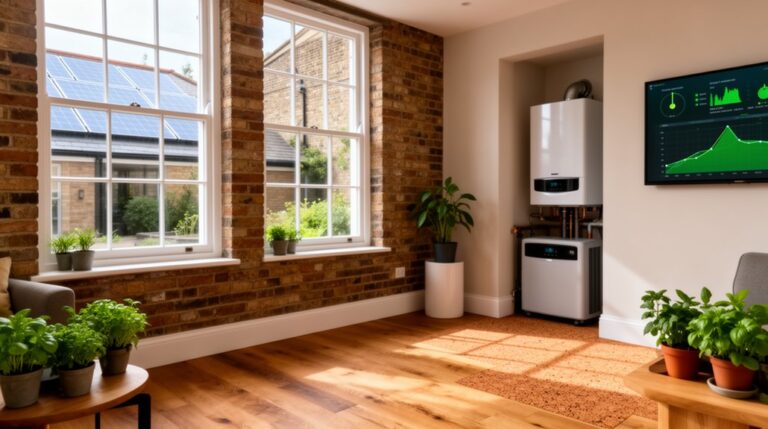

The rise of Build-to-Rent means big institutions own and manage entire rental neighborhoods for long-term leases, delivering standardized, high-quality homes with predictable rents and professional upkeep. You benefit from scale, tighter operating controls, and transparent, data-informed service, plus durable amenities and robust maintenance that local landlords often can’t match. This approach also speeds development, reduces defects, and prioritizes energy efficiency and resilience, reshaping neighborhood quality and resident experience. Curious about how these shifts affect your area and costs? Stay tuned.
Key Takeaways
- Build-to-Rent (BTR) parcels scale housing supply, letting big institutions deploy standardized, professional management at lower per-unit costs than traditional landlords.
- Institutional capital accelerates development, enabling faster delivery, uniform quality, and long-term lease stability that competes with local rental inventories.
- Enhanced amenities, durable design, and proactive maintenance improve resident experience, reducing turnover and enabling predictable cash flows.
- Centralized asset management, data analytics, and economies of scale give institutions pricing power and tighter control over operating expenses.
- Collaboration with lenders and regulators, plus emphasis on sustainability and community integration, helps institutions secure favorable terms and local legitimacy.
What Is Build-to-Rent? A Quick, Practical Explainer

Build-to-rent, at its core, is a housing model where large-scale developers own and manage rental communities rather than selling units individually. You’ll see clusters of single-property developments focused on long-term leasing rather than turnover. Units arrive with standardized design, predictable maintenance, and professional management aimed at consistent quality and service. The approach leverages scale to optimize operations, from procurement to upkeep, delivering steady rents and defined resident experiences. In urban planning terms, BTR integrates with mixed-use districts, aligning housing supply with transit, amenities, and employment hubs. Its social impact centers on reliability, affordability tiers, and managed neighborhoods that reduce vacancy risk and blight. You assess risk, performance metrics, and governance structures to ensure transparent, accountable, and efficient tenancy management.
Why BTR Matters in Today’s Housing Market
BTR’s institutional scale reshapes housing by releasing capital and coordinating development, which directly affects how accessible and affordable rents can be. You’ll notice changes in tenant experience when ownership incentives align with predictable, modern management and maintenance standards. This dynamic matters because it frames who benefits, how quickly units turn over, and how housing stability evolves in today’s market.
Institutional Scale Shaping Housing
Institutional-scale housing shapes today’s market by bringing capital, velocity, and standardized operations to rental development, which in turn drives consistency in quality, long-term stewardship, and predictable rents. You’ll see accelerated project timelines, rigorous risk management, and uniform construction standards that reduce defects and maintenance surprises over time. This scale enables professionalized asset management, data-driven performance metrics, and clearer supply signals for residents and communities. You benefit from improved consistency in amenity offerings and service reliability as operators leverage centralized platforms. Yet you should consider the need for meaningful community engagement to align developments with local needs. Environmental sustainability remains essential, guiding energy-efficient design, low-emission construction, and long-term resilience in a climate-conscious housing strategy.
Access And Affordability Dynamics
Access and affordability dynamics drive why Build-to-Rent matters in today’s housing market: scale and professional management can lower costs per unit, shorten leasing timelines, and stabilize rents through long-term stewardship. You’ll experience tighter control over operating expenses, enabling more predictable monthly costs for residents. By pooling demand, BTR lowers per-unit maintenance and acquisition fees, helping housing stay affordable without sacrificing quality. Community engagement shapes pricing decisions, ensuring amenities align with local needs and reducing vacancy risk. Environmental sustainability reduces long-run utility costs, which can translate to steadier rents and improved occupancy. You leverage standardized processes to expedite approvals and minimize vacancy gaps, preserving affordability even amid market volatility. The result is transparent, value-led housing where residents see consistent, reliable stewardship.
Tenant Experience Implications
Tenant experience is the heart of why Build-to-Rent matters today. In BTR, your daily life hinges on consistent service, responsive maintenance, and predictable costs. You’ll notice how property management prioritizes reliability: online portals, clear communication, and transparent rules that reduce friction. Community engagement matters because a connected tenant base sustains quality amenities and timely events, reinforcing neighborhood identity without sacrificing privacy. Institutions should design spaces that support social interaction while safeguarding tenant privacy, balancing shared facilities with quiet zones. Predictable operations—routine inspections, secure access, and fair renewal practices—minimize surprises and foster trust. When you feel heard and protected, retention improves, turnover drops, and the market’s stability strengthens for both residents and investors.
The Economics of BTR: Financing, Risk, and Long Horizons
You’ll assess how financing structures shape risk and returns over the life of a BTR portfolio. We’ll compare debt, equity, and blended models, focusing on long-term cash-flow implications and resilience to market cycles. Expect a practical framework for evaluating financing choices against a multi-decade horizon.
Financing Structures and Risks
Financing structures for Build-To-Rent (BTR) must balance long horizons with capital discipline, wrapping equity, debt, and incentives into a resilient capital stack. You’ll align sponsor skin in the game with lenders’ need for certainty, typically layering equity, construction debt, and stabilized financing. Financing innovations include modular debt facilities, forward-rate hedges, and credit enhancements that compress costs and extend tenors without sacrificing covenants. Risk mitigation centers on diversification of borrower exposure, robust pre-leasing commitments, and disciplined contingency planning for cost overruns. You should stress-test scenarios across rent cycles, regulatory shifts, and supply responses to keep liquidity resilient. Operationally, codify decision gates, transparent reporting, and clear triggers for refinancing to sustain performance through interest-rate volatility and market cycles.
Long-Term Cash Flow Outlook
Long-Term Cash Flow Outlook requires visibility into how rents, occupancy, and operating costs evolve over the life of a Build-To-Rent asset. You’ll manage predictable revenue against variable costs, reserve requirements, and macro shocks, preserving yield across cycles. Site-level factors like community engagement and environmental sustainability influence occupancy and rent power, shaping long-horizon projections. Plan for scenarios that stress-test rent growth, turnover rates, and capex cycles to protect cash flow.
4-point priorities:
1) Align rents with demand signals and mortgage covenants.
2) Build occupancy resilience through demand diversity and amenities.
3) Fund ongoing maintenance and sustainability upgrades to reduce surprises.
4) Monitor regulatory changes and efficiency gains to sustain margins.
How Institutions Enter the Rental Market
Institutions enter the rental market by combining scale, capital access, and operational expertise to acquire and manage large portfolios of rental homes. You leverage buying power to accelerate entry, then deploy centralized asset management, data analytics, and professional property services to drive performance. You’ll interface with lenders, regulators, and local governments to secure favorable terms and maintain compliance. Market regulation shapes how you price, lease, and report; you adapt quickly to policy changes while preserving profitability and tenant protections. You emphasize professional leasing, maintenance, and risk controls to sustain occupancy and asset value. Community integration matters: you engage neighbors, support local services, and reflect community needs in operations. Your approach emphasizes transparency, efficiency, and measurable returns without sacrificing resident satisfaction.
Design and Amenities: What Long-Horizon Investors Demand

Long-horizon investors prioritize amenities that endure—quality fitness spaces, robust digital infrastructure, and flexible common areas that scale with tenant needs. You should design for retention by crafting layouts and finishes that minimize turnover and maximize durability. In practice, that means prioritizing tenant-centric design decisions today that secure long-term occupancy and predictable cash flows.
Long-Horizon Amenities Demand
For long-horizon investors, the demand for amenities hinges on durable functionality, scalable design, and reliability over time. You’ll prioritize features that endure, with predictable upkeep and modular adaptability. In this frame, long-term value comes from community integration and accessible green spaces that sustain appeal across cycles.
- Durable common areas that scale with occupancy
- Flexible layouts enabling phased upgrades
- Low-maintenance materials and predictable maintenance costs
- Cohesive outdoor spaces that promote well-being and social cohesion
You measure success by uptime, occupancy stability, and consistent resident satisfaction. These choices reduce risk, support retention, and strengthen asset resilience. The objective is predictable efficiency, not novelty. By aligning amenities with durable needs, you create a property profile that performs under pressure and remains relevant as tenant expectations evolve.
Design That Retains Tenants
Design that retains tenants centers on durable, adaptable spaces that keep pace with changing needs. You’ll design for longevity, with flexible layouts, robust finishes, and scalable systems that minimize disruption during adjustments. Prioritize common areas that foster routine, privacy, and predictable maintenance cycles, enabling residents to stay longer. Seamless digital interfaces and intuitive wayfinding reduce friction and extend tenancy lifespans. Integrate amenities that evolve with demand—gas or induction cooking zones, adjustable workspaces, and multi-use rooms that convert for events or study. Emphasize community engagement to build social cohesion without encroaching on personal space. Pursue cultural integration—spaces and programs that reflect resident backgrounds and values—so a project feels owned by its tenants. This combination yields retention, stability, and predictable cash flows.
Maintenance Standards in BTR Communities
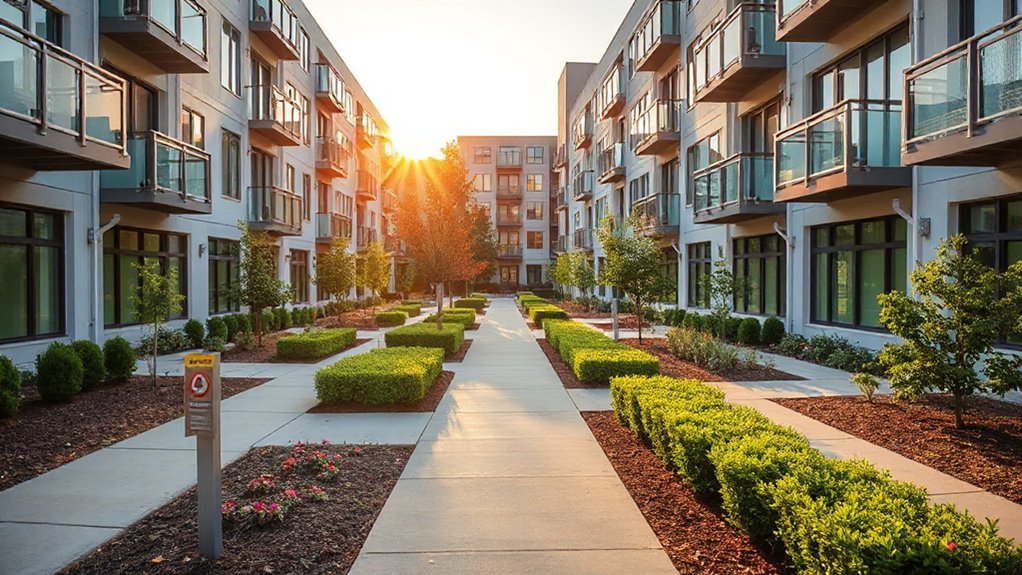
Maintenance standards in Build-To-Rent (BTR) communities set the baseline for reliability, safety, and resident satisfaction. You’ll see upkeep tied to occupancy stability, cost control, and long-term value preservation. To maintain trust, operators implement rigorous, transparent protocols that you can verify.
- Regular inspections and prompt repair timelines to minimize disruption
- Standardized response times aligned with severity and scope
- Proactive preventive maintenance informed by data, not guesswork
- Clear communication that reinforces accountability and reduces friction
These practices strengthen community engagement and demonstrate sustainability practices by prioritizing durable materials, energy efficiency, and waste reduction. You gain predictability, fewer emergencies, and a sense that your living environment is consistently well managed. In short, disciplined maintenance elevates resident experience and asset performance.
The Role of Municipalities: Planning Policy and Approval
Municipal planning policies shape where Build-To-Rent communities can grow, how they’re designed, and when they receive approvals. You’ll navigate municipal zoning rules that determine site size, height limits, density, and mix of uses, ensuring projects align with broader growth strategies. Approvals hinge on timely processing, clear criteria, and predictable decision paths, so you know what to expect at each stage. Public consultations let communities voice concerns and shape conditions, but they also require sponsors to respond with tangible design adjustments. As a developer or investor, you must align BTR proposals with infrastructure capacity, parking, and service commitments to minimize delays. The role of municipalities is to balance housing supply, neighborhood fit, and fiscal impact, delivering transparent, enforceable planning outcomes.
Affordability and Equity: Who Benefits, Who Pays
How will Build-To-Rent balance costs and benefits for renters, investors, and the broader community? You’ll weigh affordability against long‑term equity, ensuring housing stays accessible while funding quality, maintenance, and services. The approach must be transparent, measurable, and accountable to all residents.
1) You benefit from predictable rents tied to fair market norms, with protections against sudden spikes.
2) You accept potential trade‑offs in service levels if capital costs rise, requiring clear performance standards.
3) You gain exposure to inclusive communities through deliberate site design and outreach supporting cultural diversity.
4) You share responsibility for community integration, ensuring access to local amenities and social cohesion.
Balancing these factors sustains equity, while delivering stable housing and accountable investment.
Preserving Neighborhood Character at Scale
Preserving neighborhood character at scale requires deliberate design and governance that respect legacy patterns while accommodating growth. You must align new Build-To-Rent (BTR) developments with existing streetscapes, setbacks, and public spaces, avoiding generic replication that erases place. Implement mixed-use blocks, human-scale facades, and sensitive massing to maintain spatial rhythm. Leverage enforceable design guidelines, regular audits, and incentives that reward compatibility with surrounding textures. Prioritize Community integration so residents influence street-level activity, programming, and open-space use, reducing isolation between blocks. Uphold Cultural preservation by integrating locally provenance materials, art, and storytelling into project briefs. Engage long-standing neighborhood groups early, making participation meaningful and transparent. When done well, scale becomes an amplifier for cohesion, not a threat to the character that anchors communities.
Tenant Experience in BTR: Leasing, Retention, and Service
Tenant experience in BTR hinges on streamlined leasing, proactive retention, and responsive on-site service. You shape this by aligning process, people, and tech to deliver reliable, measurable outcomes for tenants and owners alike. Focus on efficiency, clarity, and speed to reduce friction and boost tenant satisfaction.
- Streamlined leasing: digital applications, instant approvals, transparent timelines.
- Proactive retention: personalized renewals, realistic pricing, anticipatory maintenance.
- Responsive on-site service: 24/7 support, rapid issue resolution, visible on-site teams.
- Continuous improvement: feedback loops, data-driven leasing innovations, visible changes.
Competition With Local Landlords: Strategies and Outcomes
Competition with local landlords hinges on clear value differentiation, rapid decision-making, and predictable outcomes for tenants. You win by aligning product, service, and price with resident priorities, not just rental cost. Institutional players accelerate decision cycles, leverage scale, and standardize operations, yet they must remain responsive to local nuance. Community engagement becomes a tangible advantage: proactive neighborhood partnerships, resident councils, and transparent communication channels build trust and reduce turnover. Tenant diversity should inform design, amenities, and pricing bands, ensuring offerings meet varied needs and incomes without visible bias. Outcomes hinge on uptime of service, swift issue resolution, and consistent lease terms. When you demonstrate reliability, flexibility, and genuine community investment, you outperform fragmented landlords while maintaining predictable financial performance.
Case Studies: Notable BTR Projects and Takeaways
Case studies of notable BTR projects illuminate how differing strategies hard-wire resident value into design, operations, and economics. You’ll see how developers balance unit mix, amenities, and service layers to drive retention, yield, and community payoff. Across cases, innovations in delivery timelines, leasing models, and partnership structures reshape risk and capital efficiency. You’ll note that successful projects fuse community integration with scalable economics, delivering steady occupancy and predictable cash flows through tailored experiences and neighborhood alignment.
- You observe how Innovative financing lowers capital hurdles while protecting long‑term returns.
- You witness how Community integration spurs loyalty through local partnerships and placemaking.
- You recognize adaptive design that scales with demand without sacrificing comfort.
- You appreciate transparent operations, data-driven adjustments, and measured risk.
Frequently Asked Questions
How Do BTR Projects Affect Local Property Taxes and Public Services?
Build-to-Rent projects can raise property taxes and strain public services unless you guarantee equitable funding, transparency, and community input. You should evaluate long-term impacts on Local infrastructure and prioritize Community integration to balance fiscal costs and benefits.
What Regulatory Hurdles Most Commonly Delay BTR Developments?
Zoning restrictions cause construction delays, certainly. You’ll face permitting backlogs, environmental reviews, and appeals that stall starts, schedule shifts, and sleepless timelines, so you must synchronize approvals, preapprove funds, and streamline compliance to speed Build-To-Rent projects.
Do BTR Leases Include Caps on Rent Escalators?
Yes, BTR leases often cap rent escalators, but it varies by market and sponsor. You’ll see rent control and explicit lease escalation limits, with adjustments tied to CPI or negotiated caps to stabilize long-term affordability.
How Is Tenant Privacy Protected in Large BTR Communities?
Your privacy is protected by explicit privacy policies and robust security measures; you’re protected through controlled access, data minimization, regular audits, and prompt breach response, ensuring confidentiality of your information and safe, private community interactions.
Can BTR Portfolios Be Sustainably Retrofitted for Energy Efficiency?
Bright, bold benefiting: can BTR portfolios be sustainably retrofitted for energy efficiency? Yes. You implement energy retrofitting, embrace sustainability practices, optimize insulation, seals, and HVAC; you measure, monitor, adjust, and maintain systemic saving, resource-saving, long-term resilience.
Conclusion
You’ll see big institutions move in, bringing scale and capital, while local landlords rely on nuance and nimbleness. Juxtapose predictability with character—long horizons meet short-term turnover. The result isn’t necessarily a clash, but a calibration: steady, well-designed homes against intimate neighborhoods. For renters, options widen and service tightens; for communities, questions of preservation and voice grow louder. In this convergence, practical resilience wins: transparent terms, reliable maintenance, and housing that endures.
About the Author