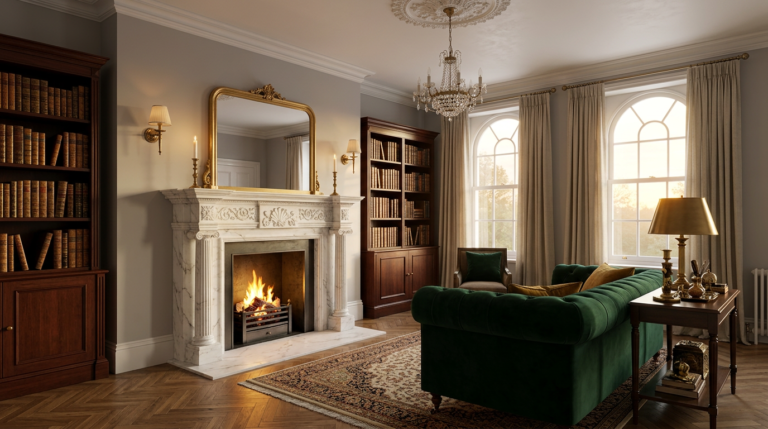

The rebirth of the 80s blends tactile textures, bold chrome, and maximalist color with modern sustainability, giving spaces that feel nostalgic yet contemporary. You’ll notice a backlash against minimalism, favoring plush textiles, vibrant patterns, and vintage anchors that add personality. Retro materials—textured surfaces, high-gloss resins, and textured textiles—pair with recycled content and low-emission binders for eco-friendly impact. Chrome accents shine against neutral backdrops, balanced by matte textures, while layered lighting and statement pieces command attention. More awaits below.
Key Takeaways
- The 80s revival emphasizes tactile textures, bold color, and vintage memorabilia to create expressive, layered spaces beyond minimalism.
- Modern 80s materials use textured surfaces, high-gloss resins, and engineered laminates for durable, impactful finishes.
- Chrome adds a crisp, reflective edge when balanced with neutrals and tempered by matte textures and soft fabrics.
- Maximalist design combines two to three anchor hues with bold patterns, balancing rhythm with neutral backing.
- Lighting and furniture act as art—oversized, sculptural pieces with tight sightlines create focal points and cohesive drama.
What Sparked the 80S Interior Design Revival?

The 80s interior design resurgence was triggered by a backlash against minimalism and a yearning for tactile, expressive spaces. You notice the shift when you observe how rooms embrace texture, color, and personality, moving away from spare lines toward curated, tactile details. Vintage memorabilia reemerges as focal anchors, grounding contemporary layouts in nostalgic authenticity while signaling confident personal taste. Bold geometric prints punctuate walls and textiles, delivering visual rhythm that replaces austerity with dynamic energy. You’ll see chrome and lacquered surfaces catching light, yet balanced by plush seating and layered textiles that invite touch. The revival blends maximalist exuberance with disciplined arrangement, ensuring each element communicates purpose. In this context, audience and space converge into a cohesive, intentionally immersive environment.
Retro Materials Shaping Today’s Look
Retro materials today draw on the tactile appeal and reflective finishes that defined the 80s revival, but with modern engineering and sustainability in mind. You’ll notice how textured surfaces, high-gloss resins, and engineered laminates balance durability with visual impact. Vintage textiles add depth through tactile patterning and subtle sheen, translating retro warmth into contemporary interiors without heaviness. Neon accents punctuate architectural elements, guiding sightlines and highlighting architectural details rather than dominating the palette. Surfaces are designed for longevity, with recycled content and low-emission binders ensuring responsible choices. You’ll also see micro-embossed leathers and engineered metals that mimic classic chic while maintaining performance. Material choices align with maximalist textures, yet remain controlled enough for cohesive design narratives. This approach elevates retro without sacrificing modern practicality.
Chrome Finishes and How to Mix With Neutrals
Chrome finishes bring a crisp, reflective edge to retro-inspired spaces, and when they’re paired with neutrals, they read as polished rather than flashy. You’ll balance their sheen with matte textures and soft fabrics to prevent glare. Start with a neutral base—cream, taupe, or dove gray—and place chrome on key features: lighting, hardware, and furniture frames. Let vintage decor elements, like a chrome-legged lounge chair or a time-worn desk with metallic accents, anchor the look without shouting. Introduce metallic accents through accessories in subdued tones—antique brass, brushed nickel, or onyx-black fixtures—to create depth. Keep scale intentional: one dominant chrome piece, then smaller accents. This restraint respects timeless elegance while honoring the 80s’ chrome-infused spirit.
Mastering Maximalist Layering: Color, Pattern, Texture

Maximalist layering thrives when you balance color, pattern, and texture with deliberate restraint. You curate a focused palette—two or three anchor hues—then let bold accents follow. Begin with a dominant backdrop: a solid field or subtle, matte surface that anchors the room. Introduce Vintage florals in carefully scaled sections, using them as poetry rather than wallpapered walls. Pair these with geometric patterns in textiles or rugs to create rhythm without chaos. Texture adds depth: mix velvet, lacquer, and woven matte finishes to avoid flatness. Chalky neutrals temper saturated elements, preserving clarity. Update with metallic trims and a few saturated accents to emphasize depth, not overwhelm. Remember: restraint amplifies impact, transforming maximalist intent into cohesive, sophisticated space.
Lighting and Furniture That Demand Attention
Lighting and furniture that demand attention anchor the room’s rhythm, guiding the eye with purpose and precision. You choose pieces that serve as focal anchors, then balance them with complementary textures and finishes. Vintage neon signs inject kinetic color and retro glow, becoming kinetic sculpture-like punctuation that elevates wall space without overpowering architecture. Pair them with statement sculptures—bold, geometric forms or chrome-plated abstractions—that crystallize your era’s maximalist ethos. Select lighting that performs as art: oversized chandeliers, sculptural floor lamps, or backlit panels that sculpt negative space. Materials should resonate—lacquered surfaces, glass, mirror, and brushed metal—so reflections amplify the room’s energy. Maintain tight sightlines, allowing each piece to breathe, and ensure calibration between scale and proportion for a cohesive, high-impact composition.
Practical Steps to a Modern 80S Maximalist Space
Practical steps to a Modern 80s Maximalist Space begin with a clear plan: map your program, not just the décor. You’ll define zones, prioritize function, and align textures with light. Begin with a cohesive palette that anchors bold accents without chaos: saturated neutrals, chrome highlights, and jewel tones. Then curate a concise core collection: vintage accessories to ground the era, durable seating, and tactile surfaces that read both polished and lived-in. Establish a focal point—statement art or a dramatic wall pattern—that guides placement and scale. Mix period pieces with contemporary silhouettes to preserve flow. Layer lighting strategically: task, ambient, and accent to sculpt forms. Finally, document rules for repetition and rhythm, ensuring consistency across textiles, hardware, and trims while preserving fearless expression.
Frequently Asked Questions
How Do You Incorporate 80s-Inspired Tech Aesthetics Today?
You can incorporate 80s-inspired tech aesthetics by leaning into vaporwave aesthetics and neon color palettes, pairing retro shapes with modern materials, and using subtle chrome accents; you’ll craft a polished, authoritative look that feels both nostalgic and contemporary.
Which 80S Materials Resist Modern Wear and Tear?
Shields up, you resist wear with durable vintage textiles and hard-wearing metals; these 80s materials endure. You’ll favor vintage textiles and neon accents, choosing reinforced weaves and chrome textures that stay vibrant, resisting abrasion and patina longer.
Can Small Rooms Work With Maximalist 80S Styling?
Yes, small rooms can work with maximalist 80s styling if you balance color clashes and furniture scale thoughtfully, using compact, statement pieces, strategic lighting, and mirrored accents to expand depth without overwhelming walls.
What Budget-Friendly Chrome Finishes Look Authentic?
“Beauty is in the details.” You can get budget friendly finishes that look authentic chrome by choosing brushed or polished options, matching hardware, and using sleek fixtures with consistent reflections to elevate small spaces.
How Do You Balance Nostalgia With Timeless Design Principles?
You balance nostalgia with timeless design by anchoring spaces in clean lines and timeless neutrals, while layering vintage color palettes and retro accessory choices for curated bursts of personality that remain versatile, cohesive, and enduring.
Conclusion
This revival isn’t a novelty; it’s a deliberate return to bold visual confidence. You’ll blend retro materials with chrome accents, then anchor them against neutrals to avoid overwhelm. Masterful layering—color, pattern, texture—creates depth, while lighting and statement furniture demand attention without shouting. Start with a curated palette, add glossy surfaces, and weave in tactile textiles. Embrace the era’s exuberance, but edit ruthlessly. Think of your space as a disco ball—reflective, intentional, and irresistibly mesmerizing.
About the Author