

Upgrade your garden for outdoor living in 2025 by zoning spaces for dining, play, and relaxation to create clear flow. Choose durable, all-weather materials, weatherproof fabrics, and low-maintenance finishes. Add comfort with ergonomic seating and adaptable shade, plus a smart irrigation plan that saves water. Budget smart with modular pieces and prioritizing high-use areas. Decide what to DIY versus hire, and lock in a seasonal maintenance calendar. Ready to learn more? You’ll uncover practical steps and tips next.
Key Takeaways
- Map your outdoor spaces into Zone Design for dining, play, and relaxation to improve flow and usage in 2025.
- Prioritize durable, low-maintenance materials with weatherproof finishes and hidden fasteners for longevity.
- Integrate year-round comfort with adjustable seating, shade solutions, and weatherproof textiles.
- Implement smart irrigation and water-efficient landscaping to reduce waste and simplify maintenance.
- Add safety, accessibility, and child/pet-friendly features, plus curated edible and pollinator-friendly plantings for versatility.
Define Your 2025 Outdoor Goals: Function, Comfort, and Style

Start by clarifying what you want your outdoor space to do. You’ll define clear goals across function, comfort, and style to guide every decision. Function first: decide how you’ll use the area—dining, lounging, or entertaining—and prioritize durable layouts, weatherproof seating, and easy maintenance. Comfort follows: choose shade options, seating ergonomics, and an unobtrusive lighting plan that stays usable after dark. Style ties it together with a cohesive look—consider Outdoor decor themes, color palettes, and texture variety so everything feels intentional. Plan your plant selection to support your goals without overwhelming spaces. Set a practical budget, a realistic timeline, and measurable milestones. With priorities set, you’ll move confidently into layout, planting, and accessibility. Your 2025 garden becomes purposeful, inviting, and resilient.
Map Your Space: Zone by Use (Dining, Play, Relax)
Start by mapping out three zones—Dining, Play, and Relax—to set clear paths and flow. Place the dining area where indoors-outdoor access, sun, and shade align, then connect the play zone with visible sightlines and safe surfaces. Finish with a Relax nook that buffers noise and offers a comfortable, accessible retreat.
Dining Zone Layout
To design a dining zone that works, map your space by use and place: dining, play, and relaxation areas should flow together with clear sightlines and accessible access to the house. You’ll optimize layout by aligning the dining area with entry paths and shade, creating a natural shift from indoor to outdoor. Choose a durable dining set sized for your space, and position it to face focal viewpoints rather than clutter. Integrate Garden art as subtle anchors and define the zone with low, permeable borders to preserve sightlines. Consider wildlife habitats nearby—native plants attract pollinators and birds, enhancing ambiance without distraction. Make certain lighting supports after-dusk meals, and provide flexible seating options for gatherings, making sure easy service and weather protection.
Play Area Flow
Design a clean flow for the play area by zoning for movement, sightlines, and safety: position play mats or soft ground under active zones, keep access to the house clear, and weave in sightlines to easier supervision from multiple angles. You’ll map a simple circuit that guides kids between a swing, a sandbox, and a climbing wall without crossing dining or lounging paths. Prioritize durable, low-maintenance materials and shade in hot sun. Use boundaries like low fencing or ground-level borders to define the play zone while preserving openness for airflow. Align storage with entrances so toys return to a central spot after use, reaffirming the play area flow for efficient outdoor activity.
- Zone progressions for smooth movement
- Clear sightlines for supervision
- Durable, safe surfacing under play elements
- Accessible toy storage near main doors
- Defined, attractive edge treatments
Relaxation Nook Planning
Relaxation Nook Planning: carve out a dedicated retreat that feels separate yet connected to the rest of your outdoor living space. Start with a focal point—a comfortable seating arrangement, a low table, and soft lighting—to define the nook without enclosing it. Map the zone by use: place quiet seating near wind-protected corners, add a gentle water feature for ambient sound, and guarantee easy access from the house. Prioritize soil health by amending beds with compost and selecting drought-tolerant, low-maintenance plants that thrive in your microclimate. Incorporate garden art as a visual anchor—sculptures, terraced planters, or a preferred sculpture—to guide the eye and enhance calm. Use durable, weather-resistant textiles and store cushions during rain to maintain longevity. Plan lighting for safety and atmosphere after dusk.
Choose a Durable Materials Palette for All-Weather Use
Choosing a durable materials palette is essential for all-weather living. You’ll pick surfaces and components that survive sun, rain, and temperature swings without frequent replacement. Prioritize material durability and weather resilience to minimize upkeep and maximize enjoyment across seasons. Seek consistent color and texture across zones to reduce maintenance beading and staining. Favor non-porous or sealed options for rain runoff and easy cleaning. Consider metal, concrete, composite decking, and dense hardwoods with proper finishes. Pair with grouts and sealants that resist cracking. Confirm fasteners are corrosion-resistant and hidden where possible to avoid rust marks. Plan for drainage, slip resistance, and UV stability to keep spaces safe and inviting.
- Material durability and weather resilience
- Non-porous, sealed finishes
- Corrosion-resistant fasteners
- Slip-resistant textures
- Integrated drainage and UV protection
Prioritize Comfort: Seating, Shades, and Weather Protection
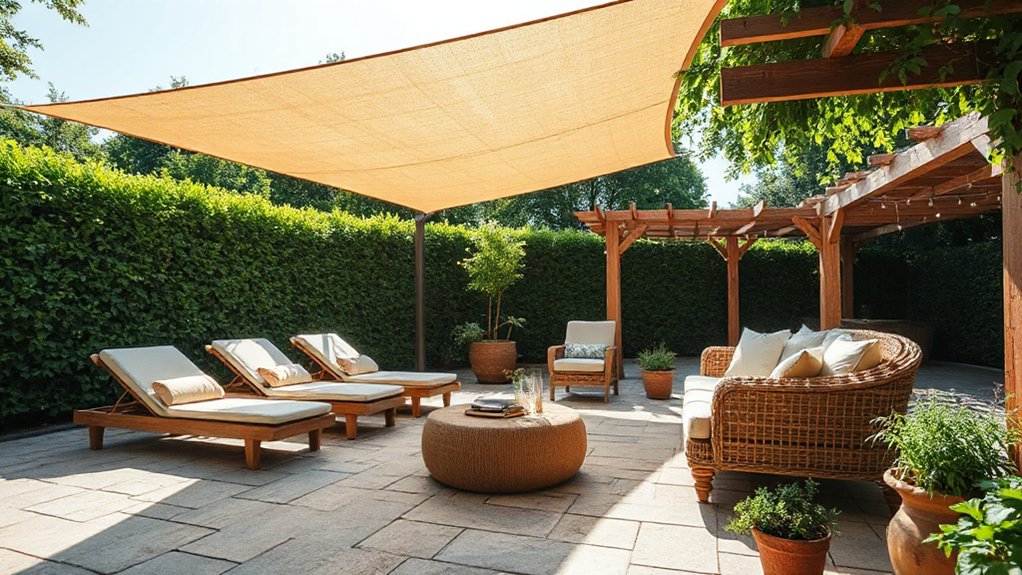
To maximize outdoor comfort, prioritize seating that supports long stays and easy shifts between chats, meals, and sun breaks. Choose Outdoor furniture that combines ergonomic support with adjustable angles and breathable cushions for all-season use. Mix seating types—loungers, compact chairs, and corner benches—to host conversations and meals without crowding. Shade solutions should offer movable and built-in options, such as cantilever umbrellas, pergola cover, and retractable sails, so you can track sun and wind throughout the day. Weather protection matters: select water-repellent fabrics and UV-resistant finishes, plus removable cushions for damp conditions. Plan for easy cleaning and quick replacement. Guarantee harmonious alignment with your space, so comfort supports your routines as you gather, relax, and entertain.
Install Smart Irrigation for Water-Efficient Lawns and Beds
Smart irrigation helps you lower water use while keeping lawns and beds lush. Start by defining clear goals for efficiency and scheduling, then choose controllers, sensors, and drip or sprinkler layouts that match your landscape. We’ll discuss how to optimize for water savings, plant needs, and easy maintenance as you upgrade.
Smart Irrigation Goals
Smart irrigation systems save water and keep lawns and beds vibrant. You set clear goals to maximize efficiency, not just automate. Start by defining zones, schedules, and weather integration that align with your plant needs and local climate. Use smart technology to monitor soil moisture and evapotranspiration, reducing guesswork and waste. Target water conservation by prioritizing irrigation during most suitable times and adjusting for rainfall. Track results with simple metrics: weekly usage, soil moisture trends, and plant health cues. Regularly review firmware and sprinkler maps to prevent runoff and overwatering. Keep a record of adjustments to refine plans seasonally. Your goal is dependable, hands-free irrigation that preserves resources without compromising curb appeal.
- Define zones and priorities
- Leverage weather data and soil sensors
- Maximize timing for efficiency
- Monitor usage and plant response
- Review and adjust seasonally
Water-Efficient Lawn Beds
Water-efficient lawn beds start with a smart irrigation plan that prioritizes only what your plants need. You’ll map zones, assess sun exposure, and choose efficient emitters to minimize runoff. Implement soil moisture monitoring and weather-based controls so watering aligns with real conditions, not guesses. Pair sprinkler heads with appropriate spacing to prevent overwatering and runoff, then test for uniform coverage across beds and lawn edges. Select drought resistant plants that tolerate reduced irrigation, and group species with similar water needs to simplify maintenance. Use mulch to cut evaporation and improve soil structure, and adjust schedules seasonally. Emphasize water conservation by auditing your system regularly, repairing leaks promptly, and upgrading to efficient controllers as needed. This approach keeps lawns vibrant while using substantially less water.
Plan a Year-Round Fire Feature for Ambience and Warmth
A year-round fire feature adds warmth and ambiance while extending outdoor use, so start with a practical plan that fits your space, climate, and budget. You’ll choose a reliable option, then size and fuel accordingly, ensuring safety clearances and ventilation. Prioritize a setup you can use in all seasons, with weatherproof controls and easy maintenance. Consider combining a fire pit or outdoor heater with seating that directs flow, and include lighting for dusk gatherings. Keep costs predictable by selecting modular components you can upgrade later.
- Choose between a fire pit or outdoor heater based on space and fuel preferences
- Verify safety clearances, wind exposure, and drainage
- Invest in heat-efficient seating and a weatherproof enclosure
- Use a simple, durable ignition and controls system
- Plan for seasonal protection and maintenance
Edible Landscaping: Easy, Low-Muss, Pollinator-Friendly Plants
Edible landscaping blends beauty with practicality by choosing plants that are easy to grow, require little maintenance, and attract pollinators. You’ll prioritize perennials and herbs that reliably produce with minimal care, letting you harvest throughout the season without constant upkeep. Opt for low-maintenance options like herbs (oregano, thyme, chives), compact vegetables (leaf lettuce, spinach), and drought-tolerant edibles (strawberries, alpine berries). Include nectar-rich flowering companions to boost pollinator friendly habitat and extend harvest windows. Plant in mixed borders or raised beds for accessibility and soil control. Use mulch to reduce weeds and conserve moisture, and group plants by sun exposure to maximize yields. Choose disease-resistant varieties to minimize sprays, and rotate crops yearly to maintain soil health. This approach delivers beauty, utility, and sustainability.
Lighting for Safety, Mood, and Extended Use After Dark

Good lighting isn’t just about visibility; it also shapes safety, mood, and how you use outdoor spaces after dark. You’ll install layered lighting that guides paths, highlights focal plants, and enhances porch areas without glare. Choose warm LEDs for garden aesthetics and subtle ambiance, and use dimmers to shift mood as needed. Reliable, weatherproof fixtures keep you safe and extend outdoor use. Control systems, even simple timers, reduce energy waste while keeping spaces ready for evening gatherings.
- Layered lighting near entry points and pathways
- Warm, low-contrast garden accents for aesthetics
- Dimmed porch and seating area lighting
- Weatherproof fixtures with rated safety
- Simple timers or smart controls for consistency
Create a Weather-Resistant Entertainment Zone
Set up a weatherproof entertainment zone that stays comfortable year-round by choosing durable, outdoor-rated furniture, a sheltered seating cluster, and a quick-dry flooring option. You’ll create a versatile hub that resists rain, sun, and wind, so gatherings happen on any day. Prioritize Weatherproof furniture with reinforced frames and UV-tested finishes; rotate cushions to extend life and maintain color. Add a sheltered seating cluster under a pergola or awning to shield conversation areas from sudden showers. Opt for quick-dry flooring like porous pavers or composite decking to dry fast and prevent puddles. Layer in Outdoor textiles—weatherproof throws and cushions—to boost warmth without soaking through. Invest in discreet, all-weather tech storage and a charging dock to keep devices ready while you entertain.
Flexible Outdoor Storage to Cut Clutter and Boost Readiness
Smart, weather-resistant storage is the backbone of a ready outdoor space. To keep your setup functional, choose flexible units that adapt to seasons and gatherings. Prioritize outdoor storage that seals out moisture, resists UV fade, and fits your footprint without crowding paths. Use modular options—you can reconfigure for toys, cushions, tools, and grill accessories. Labeling and smart baskets speed装unloading, reducing clutter and saving time during setup. Quick-access pockets keep essentials within reach, so you’re not hunting in drawers. Invest in weatherproof covers, removable liners, and stackable bins to maximize capacity without overwhelming the area. Regularly purge unused items to maintain a tidy, ready space.
- Modular storage systems for easy reconfiguration
- Weatherproof bins with clear labeling
- Sealed components to prevent moisture damage
- Stackable trays for compact clutter reduction
- Quick-access organizers for tools and accessories
Design for Pets and Kids: Safety, Accessibility, and Fun
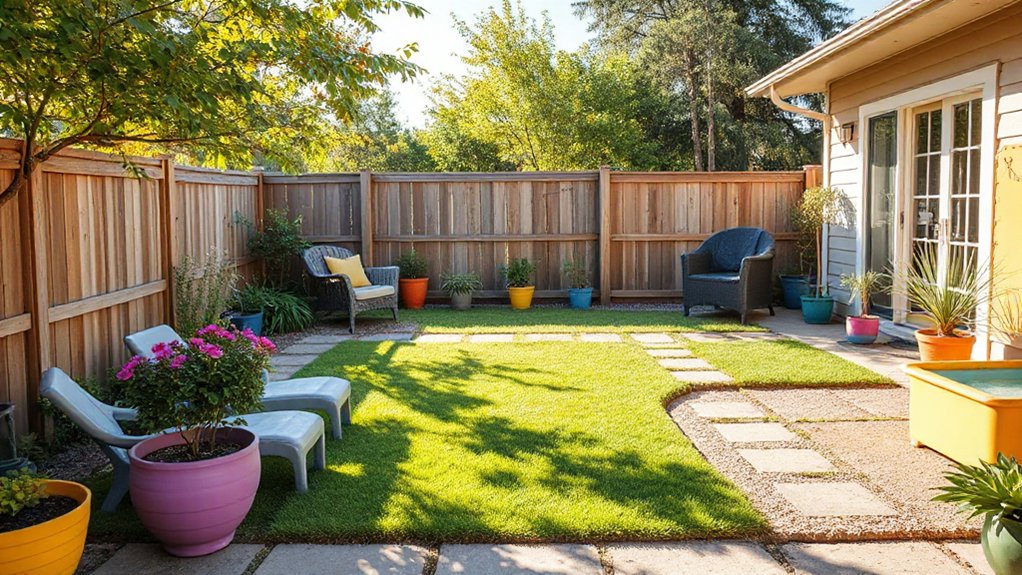
Create safe play zones, smooth and accessible pathways, and kid-pet interaction spots that encourage exploration without sacrificing safety. Prioritize clearly defined boundaries, non-slip surfaces, and low-maintenance materials so kids and pets can roam confidently. We’ll explore practical layouts and durability tips to balance fun with everyday practicality.
Safe Play Zones
A safe play zone blends pet-friendly features with kid-friendly access, guaranteeing toys, boundaries, and surfaces protect little ones while keeping pets engaged. You design clear sightlines, durable turf, and soft-edged borders so play stays calm and contained. Prioritize playground safety with non-slip surfaces and shade, plus visible storage for toys to reduce tripping. Choose fencing options that deter escapes but allow airflow and supervision. Separate zones for digging-aware pets and sneaker-free ledges help minimize accidents. Use lightweight, movable boundary markers for quick reconfiguration. Confirm gates latch securely and are reach-friendly for all caregivers, including little hands. Regularly inspect loose seams, hardware, and edging to maintain safety and accessibility.
- Clearly defined kid and pet areas
- Safe, non-slip surfacing
- Quick-release boundary markers
- Secure, accessible gates
- Routine safety checks
Accessible Pathways Design
When designing Accessible Pathways for pets and kids, prioritize clear routes that blend safety with mobility. You should map main circulation first, then add gentle slopes, non-slip surfaces, and sturdy edging to prevent slips. Choose accessible pathways with a minimum width of 36 inches to accommodate strollers and small wheelchairs, and consider wider sections at key turns. Use consistent materials, avoiding loose gravel or uneven pavers that trap wheels. Lighting matters: install low-glare fixtures to extend usable hours and reduce trip hazards. Integrate garden art as focal points rather than obstacles, ensuring artworks don’t obstruct flow. Keep seamless between zones, and place gates or automatic latches where pets or small kids may wander. Prioritize maintenance, and document simple repairs to sustain durable, inclusive outdoor living.
Kid-Pet Interaction Fun
Kid-pet interaction should be playful yet safe, blending engaging zones with clear boundaries so kids and pets can explore without collisions. You’ll design access points that separate high-energy runs from calm corners, preventing conflicts while encouraging interactive play. Prioritize pet safety with non-slip surfaces, chew-safe toys, and shaded refuges. Use kid-friendly fixtures at low heights, and teach gentle handling to protect both parties. Create scent-rich, natural textures to stimulate curiosity without overexcitation. Schedule supervision during peak play to reinforce rules and reduce risk. Plan easy-cleanup areas for messes and dedicated water stations to keep everyone hydrated.
- Separate play zones with visual cues
- Durable, pet-safe materials throughout
- Low-accessible storage for toys and treats
- Clear signposting for entrances and exits
- Supervision prompts and safety routines
Budget Smart: Practical Tactics That Save Without Sacrificing Quality
To get real value without overspending, start with a clear plan and smart priorities: identify the outdoor spaces you’ll use most, set a firm budget, and pick durable basics that pay off over time. Budget smart tactics focus on practical choices over flashy trends. Do budget planning before you shop: list must-haves, estimate each item’s life span, and prioritize weather-tested materials. Use cost comparison to pick high-value options—check retailers, local yards, and repurposed pieces that fit your scheme. Invest in modular pieces you can expand, rather than single-purpose items. Favor timeless designs and good warranties to reduce future replacements. Maintain a simple maintenance routine to protect value, and track expenses to stay aligned with your plan. This disciplined approach preserves quality without overspending.
DIY vs. Pro Help: When to Tackle and When to Hire
For many upgrades, you can handle straightforward tasks yourself, but some projects justify hiring pros to guarantee safety, durability, and a polished look. Knowing when to DIY or call in Professional assistance helps you avoid costly mistakes and delays.
- Start with simple tasks you understand, then escalate only if needed
- Test electrical and plumbing work with a licensed pro for safety
- Build hardscapes, like patios or retaining walls, with professional design input
- Install complex irrigation or drainage systems for reliability
- Seek expert guidance on permits, codes, and warranties
DIY projects save money and teach you skills, but pros protect structure, longevity, and aesthetics. When in doubt, assess risk, scope, and deadlines, and choose the option that best preserves your garden’s value.
Seasonal Maintenance Calendar for 2025

Think about your year ahead with a Seasonal Plant Care plan that aligns monthly tasks to your climate and goals. We’ll map out Monthly Garden Tasks alongside key seasonal care—pruning, feeding, mulching, and planting windows—so you stay ahead, not reactive. Start by noting what changes each month and which plants require routine attention to keep your outdoor living space thriving in 2025.
Seasonal Plant Care
Seasonal Plant Care sets your year on a steady rhythm: understand what to do each month so your garden stays healthy and productive. You’ll synchronize tasks, prevent stress, and maximize bloom and yield with minimal effort. Focus on Seasonal pruning at the right times to shape plants and improve airflow, and align Fertilizer timing with growth spurts and nutrient needs. Stay proactive, not reactive, by checking weather cues and plant signals.
- Track monthly care notes to avoid overlaps
- Prune selectively, removing dead or crowded growth
- Time feeding to new growth periods for best uptake
- Prioritize mulch and moisture management during heat
- Adjust light and ventilation for container plants
Monthly Garden Tasks
Monthly Garden Tasks keeps you on track year-round by laying out a practical, month-by-month maintenance plan for 2025. You’ll begin with winter prep: sharpen tools, test soil, and schedule composting cycles. In early spring, set goals, prune weak growth, and divide perennials to boost vigor, while inspecting irrigation lines. Spring weeks focus on soil health improvements, seed starting, and mulch placement to suppress weeds and conserve moisture. Summer tasks emphasize consistent watering, pest monitoring, and timely fertilization to sustain energy. Fall moves include leaf season collection, soil amendments, and gear cleanup to reduce disease pressure. Integrate garden art strategically to shape focal points and pathways, enhancing enjoyment without crowding beds. This calendar keeps you efficient, reduces guesswork, and supports a thriving, low-maintenance landscape.
Quick-Sway Design Shortcuts to Boost Curb Appeal
Start with a bold focal point—an eye-catching plant bed, a striking doorway color, or a sculptural feature—and design the rest of your front yard to draw the eye toward it. You’ll apply quick sway design shortcuts to create instant impact with minimal effort, focusing on balance, contrast, and scale to boost curb appeal tips. Keep lines clean, textures varied, and lighting strategic so the eye moves naturally toward the centerpiece. This approach minimizes clutter while maximizing visual weight where it matters most.
- Use a single, bold doorway color for instant contrast
- Frame the focal point with low, recurring plant repeats
- Align paths to funnel attention toward the feature
- Introduce contrast textures (smooth vs. rough)
- Add uplighting for evening impact
Frequently Asked Questions
How Can I Set a Realistic 2025 Outdoor Budget?
Set a 2025 outdoor budget by listing essentials first, then add options. Include garden lighting and outdoor furniture costs, plus installation. Allocate 50% for hardscape/garden basics, 25% for lighting and furniture, 25% contingency. Track monthly and adjust.
Which Plants Need the Least Maintenance Year-Round?
What plants require the least maintenance year-round? You’ll choose low maintenance greenery like Succulents, Lantana, Boxwood, and Ornamentals, plus drought-tolerant grasses. Plant care stays simple, watering smartly, and you’ll enjoy effortless outdoor spaces, right?
What Are Quick Fixes to Boost Curb Appeal?
Upgrade your curb appeal fast with simple tweaks: install garden lighting along paths and focal points, add a weatherproof outdoor furniture set for instant charm, prune sight-lines, mulch beds, and stash clutter to reveal a polished, inviting front yard.
How Do I Select Durable, All-Weather Materials?
Durable, all-weather materials last you years, like sturdy foundations. Choose weather resistant features, check warranty, and texture; prioritize metal, sealed wood, and dense composites. You feel confident as material longevity guides your outdoor sanctuary, weathering winds and sun alike.
When Is DIY Safer Than Hiring a Pro for Outdoor Projects?
DIY is safer when tasks are small, clearly defined, and within your skill set; for complex electrical work or structural changes, hire a pro. Plan garden lighting and patio furniture installations carefully to avoid hazards and guarantee compliance.
Conclusion
You’ve set clear 2025 outdoor goals and mapped zones, so you’ll design with purpose, not guesswork. Prioritize durable materials, all-weather comfort, and smart irrigation, then budget wisely. Decide what you can DIY and where pros are worth it, keeping seasonal maintenance on a tight schedule. Think of your yard as a living room you inhabit year-round—every choice anchors comfort, function, and curb appeal, turning outside time into a true home extension. Your garden, your better living space.
About the Author


