
Restoring a Grade II listed manor starts with a preservation-first mindset: map your project to statutory constraints, protect key fabric like masonry joints, timber framing, and decorative plaster, and document every decision. Plan reversible interventions, use authentic materials, and hire craftsmen skilled in traditional joinery and lime plaster. Secure permissions with detailed heritage statements, maintain transparent budgets, and implement phased work with quality checks. If you keep following these principles, you’ll uncover deeper steps and safeguards along the way.
Key Takeaways
- Understand Grade II listing and project scope; map work to statutory constraints, protecting key features like masonry, timber, plaster.
- Prioritize preservation with reversible interventions and thorough documentation of decisions and existing fabric.
- Plan sensitive modernization that preserves sightlines, joinery, and textures while integrating discreet, future-proof systems.
- Hire skilled craftsmen with proven experience in traditional techniques (lime plaster, lime mortar, timber joinery) and clear project plans.
- Establish authentic-material budgeting, ongoing maintenance plans, and contingencies to sustain durability and heritage value.
How Grade II Listing Shapes Your Restoration

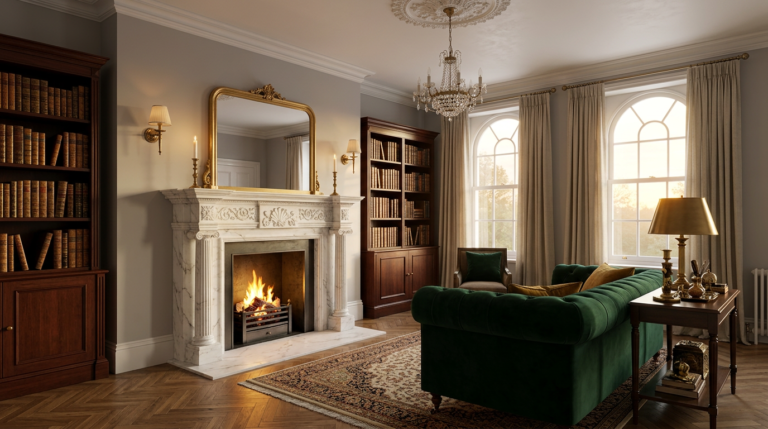
Understanding a Grade II listing is your first step to a successful restoration. You respect the designation’s intent, then map project scope to statutory constraints, not personal preference. You assess the building’s key features—masonry joints, timber framing, decorative plaster—and determine which elements are protected and which can adapt. You prioritize interventions that preserve historic fabric, using reversible methods where possible, and document every decision for future stewardship. You lean into Modern design choices only when they harmonize with the listing, avoiding stylistic extremes that could undermine authenticity. You plan interior lighting to highlight features without causing damage, selecting fixtures and materials that meet conservation standards. You communicate transparently with regulators, contractors, and specialists to keep the restoration precise and compliant.
Budgeting for Authentic Materials in a Listed Manor
A Grade II listing shapes not just what you can do, but what it costs to do it right; budgeting authentic materials becomes a guardrail that preserves value while honoring history. You’ll align procurement with provenance, prioritizing traditional trades and verifiable sources. Begin with a material hierarchy: essential authentic elements first, then compatible upgrades, all documented for future stewardship. When evaluating options, weigh durability, compatibility, and maintenance cycles alongside initial price. Track costs via a disciplined budget management process, assigning contingencies for seasonal delays and scarce artisan availability. For Modern renovation, specify exact material grades, regional clay tiles, lime-based mortars, and timber with appropriate certifications. Keep footprint assessments precise, avoiding substitutes that erode historic integrity. Regularly review variance reports to prevent scope creep and protect long-term restoration goals.
Permissions and Heritage Consents for Grade II Listings
You’ll navigate Planning Authority Approvals and align every change with Conservation Principles and Permissions from the outset. Start with a precise assessment of what constitutes a change to a Grade II listed feature, and map that to the required permissions. This approach keeps your restoration compliant, documented, and faithful to the manor’s heritage significance.
Planning Authority Approvals
How do you secure the necessary approvals for a Grade II listed manor? You begin by identifying the planning authority responsible for the parish, district, or county, and confirming the listed status on the national register. Prepare a rigorous planning context that explains your project’s objectives, timelines, and the significance of architectural preservation. You’ll submit a detailed application package, including measured drawings, a heritage statement, and a schedule of works, with clear justifications for any alterations. Expect pre-application advice and potential consultations with conservation officers. Be ready to demonstrate how proposals respect fabric, materials, and historic character while enabling careful Modern adaptations. Timely responses, precise documentation, and respectful engagement with the authority are essential to secure permissions without compromising quality.
Conservation Principles and Permissions
Conservation principles sit at the core of securing permissions for Grade II listings, guiding decisions about fabric, integrity, and hierarchy of significance. You’ll navigate statutory duties with precision, balancing modern needs against historic value. A disciplined approach prevents overreach, ensuring actions respect character and authenticity. Rely on documented evidence to justify changes, and align proposals with curatorial intent rather than cosmetic expediency.
- Assess significance through rigorous fabric analysis and historic context.
- Prioritize minimally invasive interventions, preserving original components.
- Prepare comprehensive Heritage Statements supported by clear rationale.
- Integrate modern materials only when compatible with long-term conservation goals and reversibility.
Digital documentation becomes your ongoing reference, enabling transparent approvals and future maintenance planning. Maintain professional dialogue with heritage officers, contractors, and specialists to safeguard the manor’s enduring integrity.
Surveying the Original Fabric: What to Inspect
You’ll start with an assessment of Original Fabric Integrity, identifying concealed defects and areas of prior repair that could affect stability. Next, run a Material Condition Survey to gauge timber, masonry, plaster, and joins, noting moisture, movement, and crusting that signal deterioration. Finally, evaluate Historical Features to determine authenticity, condition, and the potential need for conservation methods that respect the manor’s period character.
Original Fabric Integrity
Original Fabric Integrity: Surveying the Original Fabric is your first factual check—systematically document each material, element, and assembly to establish a baseline of condition and authenticity. You’ll identify current finishes, joinery, and constructive methods, noting deviations from original performance. Preservation-minded inspection guards against overreliance on repairs while guiding authentic restoration.
- Systematically map wooden structural members, plaster, masonry, and decorative schemes to verify authenticity and compatibility.
- Assess historic coatings and finishes for concealment of previous alterations or deterioration.
- Record repairs, replacements, and missing elements, prioritising reversible interventions and minimal invasion.
- Evaluate how modern renovations can integrate landscape features without compromising original fabric integrity and sensibilities.
This approach keeps Landmark requirements in view, ensuring landscape integration aligns with authentic interiors and exteriors.
Material Condition Survey
Material Condition Survey requires a precise, itemized appraisal of every element that makes up the fabric of the manor. You’ll document timber framing, masonry joints, roof timbers, and plaster surfaces, noting wear, decay, and prior repairs. Assess moisture pathways, salt efflorescence, and insect activity, then map remedial priorities against structural significance. Pay particular attention to tie-ins between old fabric and any modern interventions, ensuring compatibility and non-intrusive integration. Evaluate load-bearing elements, corrosion risk in metalwork, and the integrity of decorative plaster, cornices, and ornamental timberwork. Consider material provenance, revealing when components were added or replaced. When you encounter salvaged pieces or architectural salvage opportunities, record their condition and suitability for reuse. This survey guides preservation decisions, balancing authenticity with practicality within regulatory constraints.
Historical Feature Evaluation
Even as you survey the original fabric, focus on the key features that define historic character: structural skeletons, decorative plasterwork, timber framing, and finishes that reveal construction phases. Your evaluation should be methodical, documenting faults with dates, materials, and workmanship to preserve architectural heritage and decorative details.
- Inspect timber joints for joinery style, worm, and decay, recording species and treatments.
- Examine plasterwork for tool marks, lime mortar, and historic repairs, noting binder failures.
- Assess plaster ceilings and cornices for water damage, cracks, and re-configuration attempts.
- Map concealed structures, such as hidden timbers or brick bonds, to understand build sequence and restoration needs.
Approach with precision, cross-reference archival records, and prioritize reversible interventions.
Plan Sensitive Alterations That Modernize Without Dimming History
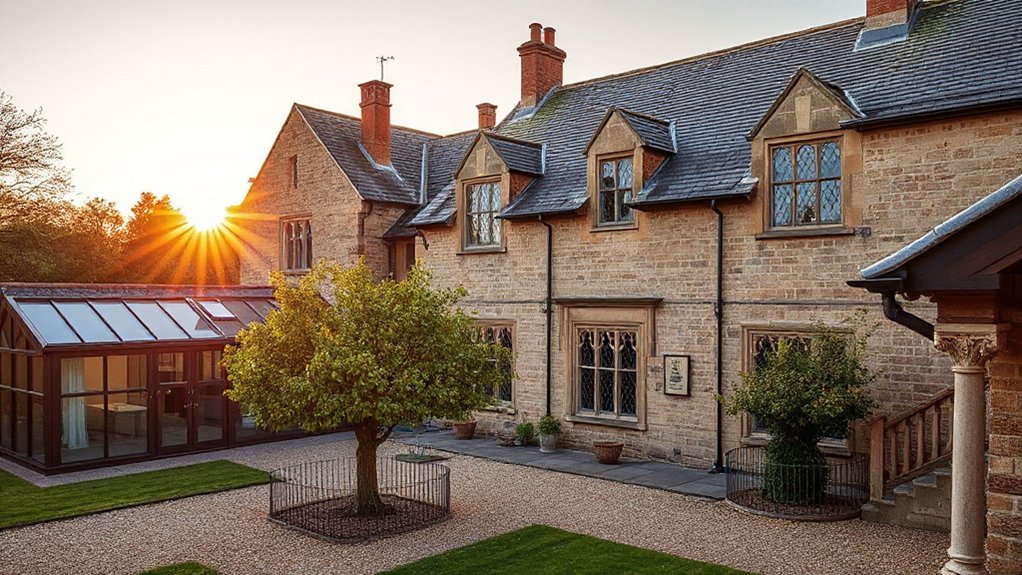
Plan sensitive alterations that modernize without dimming history by first establishing clear design principles that honor the manor’s character. You’ll map how to integrate modern technology discreetly, ensuring systems serve daily life without dominating spaces or erasing lineage. Start with preserves: preserve original sightlines, joinery, and plaster textures as anchors for any update. When introducing upgrades, choose low-profile equipment, recessed wiring, and modular layouts that can evolve with needs. Prioritize material harmony—wood tones, stone palettes, and period-appropriate color schemes—while allowing contemporary comfort. In interior design decisions, favor proportional scaling and logical flow that respect historic room functions. Document changes for future researchers, and justify each alteration against your established principles. The result: improved livability that preserves essence, not its memory.
Hire Craftsmen Skilled in Traditional Techniques
Securing craftsmen who master traditional techniques is essential to preserving the manor’s integrity while addressing modern needs. You’ll value artisans who translate historic methods into resilient, teachable practice, ensuring authentic results. Look for partners who document processes, verify materials, and align with conservation best practices. The right team respects constraints without compromising craft, delivering work that ages gracefully and remains faithful to period detail. Below, a concise approach guides selection:
- Assess proven experience with Grade II listed properties and documented project outcomes.
- Prioritize familiarity with traditional joinery, lime plaster, and lime mortar.
- Confirm licensing, insurance, and a transparent materials ledger.
- Require a detailed program, milestones, and contingency planning that honors conservation timelines.
Choose collaborators who blend artisan craftsmanship with rigorous, preservation-minded discipline, ensuring enduring integrity.
Maintenance and Sustainability for a Listed Manor
How will you sustain a Grade II-listed manor without compromising its character? You’ll approach maintenance as a controlled, long-term plan, marrying sensitivity with practical stewardship. Inspect timberwork, masonry, and roof lines annually, documenting wear and any subtle shifts in structure. Use historically appropriate materials for repairs, sourcing compatible lime mortars and wood treatments that breathe, avoid trapping moisture. Implement a preventative schedule: repointing, gutter clearance, and paint analysis to preserve patina while protecting surfaces. Prioritize energy efficiency without altering silhouette—opt for discreet improvements like insulating lofts and plumbing upgrades within existing fabric, and seal drafts around traditional doors and sash windows. Landscaping design should harmonize with the site, reducing heat loss and guiding rainwater. Regularly review systems to balance comfort, cost, and conservation goals.
Avoid Restoration Pitfalls and Quick Fixes

Avoiding restoration pitfalls and quick fixes means you must resist the urge to patch problems that signal deeper issues. When you encounter a flaw, evaluate its cause, not just its symptom, and plan a sustainable solution anchored in traditional craft and modern performance. Prioritize thorough assessment, documented decisions, and expert consultation to prevent cascading damage. Avoid cheap fixes that undermine structure, materials, or historical integrity.
- Conduct a scope with measurable criteria to guide modern renovation decisions.
- Reserve budget for genuine repairs, not temporary substitutions, to protect budget management.
- Verify material compatibility and workmanship to maintain listing compliance.
- Schedule phased work with quality checks to reduce rework and preserve timelines.
This disciplined approach safeguards longevity, accuracy, and value.
Frequently Asked Questions
How Do I Identify Authentic Period Materials On-Site?
You verify Authentic materials on site by inspecting traditional joinery, plaster, lime mortar, and timber—matching aged patina, tool marks, and fiber content. For On site identification, document provenance, craftsmanship, and installation methods before any alteration or removal.
What Are Common Myths About Listed Building Tax Relief?
You’ll find that many myths about listed building tax relief overstate ease; heritage preservation isn’t automatic, and eligibility hinges on approved work, proper documentation, and demonstrable restoration challenges that prove your commitment to preserving historic fabric.
Can Modern Utilities Be Concealed in a Grade II Home?
Yes, you can conceal modern utilities in a Grade II home, but plan carefully: prioritise discreet interior lighting integration and plumbing upgrades that respect historic fabric, route cables and pipes thoughtfully, and document changes for preservation review and future maintenance.
What Soft Costs Surprise Most Restoration Budgets?
Understatedly, you’ll be surprised by soft costs. You’ll encounter permits, surveys, and contingencies more than you expect; plan accordingly. Interior lighting and garden landscaping often spike budgets, so align bids, specs, and timelines with preservation standards.
How Is Forced Erosion of Features Legally Mitigated?
You mitigate forced erosion of features by consulting planners, conducting impact assessments, and adhering to Landscaping restrictions and Conservation area regulations, ensuring sympathetic materials, documented approvals, and ongoing maintenance to protect fabric while preserving historic character.
Conclusion
You learn that restoration isn’t luck—it’s granted by careful coincidence: stumbling on a surviving sash both confirms your plan and guides it, as if the manor itself nudges you toward authentic details. When you balance authentic materials with practical needs, you protect history while serving today’s family. Trust trained craftsmen, document every step, and respect legal oversight. The more you anticipate constraints, the more you reveal original character without erasing it, turning chance into lasting stewardship.
About the Author