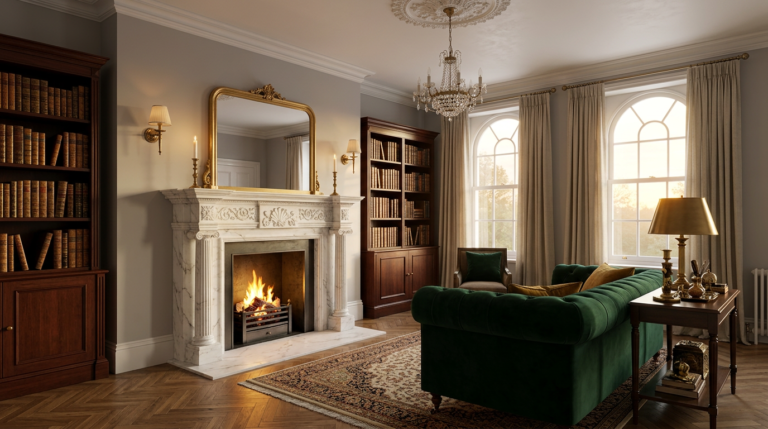

Define your entryway mood first. Assess flow, storage needs, and natural light, then sketch a focal point and map accents to keep updates minimal. Choose a cohesive color palette—1 dominant hue with 2 supporting tones—and test swatches in natural light. Prioritize slim storage, wall rails, and a mirror to maximize space. Layer lighting with warm temps (2700–3000K) and dimmers. Maintain clutter-free surfaces and rotate a single centerpiece. You’ll uncover more practical steps as you continue.
Key Takeaways
- Define the mood and create a focal point, then choose a cohesive color palette and organize essentials for a calm, inviting entryway.
- Optimize layout with slim, vertical storage and wall-mounted elements to maximize small hallway space.
- Layer lighting with ambient, task, and decorative fixtures, using warm tones and dimmable options.
- Use decorative accessories and seasonal accents within a restrained palette to keep surfaces clutter-free.
- Maintain cohesion by hiding cords, grouping accessories by texture and color, and refreshing periodically for continuity.
Define Your Entryway Mood in 3 Quick Steps

Define your entryway mood in three quick steps by clarifying the vibe you want from the moment you step inside. You’ll establish a clear framework for entryway ambiance and mood setting that guides every choice. Step one: assess function. Decide how much traffic, storage, and natural light you’ll accommodate, then note the dominant mood—calm, welcoming, or energized. Step two: sketch a focal point. Choose a piece, a mirror, or lighting that anchors the space and reinforces the mood you want. Step three: map accents. Select materials, textures, and colors that support consistency without clutter. Keep scale practical and updates minimal. This approach yields a cohesive entryway ambiance, guarantees purposeful mood setting, and prevents misalignment with future decor decisions. Your doorway becomes intentional, organized, and inviting.
Choose a Cohesive Color Palette for the Hall
Choosing a cohesive color palette for the hall starts with what you already defined about the mood and function. You’ll translate that into a shared scheme that guides every surface and accessory. Begin with a dominant hue that reflects your vibe—calm, energizing, or sophisticated—and choose 1–2 supporting tones for balance. Use Color coordination principles: contrast for legibility, harmony for flow, and accent colors to highlight architecture or artwork. Limit your palette to three to five colors to maintain unity without dulling interest. Consider undertones in floors, cabinetry, and textiles, and guarantee lighting enhances, not distorts, the colors. For Palette selection, test large swatches in natural light before committing, and document your decisions to keep consistency across entry, hallway, and adjoining rooms.
Maximize Small Nooks With Smart Layouts
Smart layouts turn small nooks into functional zones with minimal clutter. Think multi-purpose furniture, vertical storage, and clear traffic flow to maximize impact without crowding the space. You’ll create a practical, polished look that feels larger and more intentional.
Smart Layouts for Nooks
Maximizing small nooks starts with smart layouts that fit your space and daily routines. You’ll map traffic flow first, keeping doorways clear and sightlines open to reduce clutter. Choose a compact console or wall-mounted shelf to hold essentials without crowding the area. Position seating and storage to invite convenience, not hesitation. Use vertical space for hidden storage, and opt for furniture with slim profiles to preserve breathing room. For ambiance, integrate creative lighting that highlights architectural details and adds task-ready brightness without overpowering the scene. Add decorative accents in curated, cohesive groups to avoid visual noise. Maintain consistency with color and texture so each element reinforces the overall calm. With these moves, your nook feels intentional, usable, and polished every day.
Small Space, Big Impact
Want to make every inch count in tight hallways and entryways? You can transform small spaces with smart layouts that prioritize function without sacrificing style. Start with compact furniture that tucks against walls, like slim consoles or narrow storage benches, to free floor area for movement. Use vertical storage to maximize capacity, such as wall-mounted hooks, slim shelves, and a tall mirror to create perceived depth. Choose a cohesive color palette and minimal hardware to reduce visual clutter, achieving aesthetic balance. Employ multi-purpose pieces—a bench with hidden bins, a chic coat rack that doubles as art. Lighting should be bright and layered, blending task and ambient sources. Focus on proportion, flow, and deliberate accents to achieve space optimization.
Light It Right: Lighting Ideas That Warms the Space
Lighting sets the mood in hallways and entryways, so start with a plan that blends function and warmth. Begin with ambient lighting to create a steady, welcoming glow that doesn’t overwhelm you as you enter. Then layer decorative fixtures at key sightlines—near mirrors, artwork, and architectural nooks—to add character without clutter. Choose dimmable options so you can adjust brightness for morning prep or evening arrivals. Favor warm color temperatures (around 2700–3000K) to avoid clinical vibes and to enhance natural textures. Use wall sconces for lateral illumination, supplemented by a discreet floor or table lamp where surface space allows. Guarantee cords stay hidden, and keep pathways clear. With purposeful lighting, your hallway becomes a practical, polished first impression.
Storage Hacks That Don’t Clutter the Doorway

To keep a doorway functional without feeling crowded, prioritize slim, high-impact storage that ticks two boxes: accessibility and restraint. You’ll lean on hidden storage that sits flush with walls, under benches, or inside ottomans, so everyday essentials stay out of sight yet within reach. Choose modular, shallow units you can mount at varying heights to preserve floor space and maintain clear sightlines. Use trays, baskets, and labeled jars to categorize daily items, reducing rummaging time and clutter buildup. Install wall rails or peg systems for occasional items you need nearby but off the surface. Regularly audit what you truly use, rotating out items you don’t, reinforcing clutter control without sacrificing function or style.
Create a Gallery Wall Your Visitors Notice
A gallery wall sets the tone—choose a style that complements your hallway and reflects your tastes. Consider gallery wall styles that feel cohesive, then test arranging layouts to find a flow that guides visitors naturally, not crowded or chaotic. I’ll help you compare layouts and grouping ideas so your wall makes a confident, yet inviting focal point.
Gallery Wall Styles
Gallery walls should feel intentional and cohesive, guiding visitors through your space with rhythm and flow. You’ll choose a style that suits your hall’s architecture and your personality, then apply consistent rules to every piece. Start with clear framing techniques and intentional spacing, then balance colors and textures for harmony. Your artwork selection should reflect a cohesive story, not random pieces.
- Minimalist grids for a crisp, modern look
- Salon-style clusters for a cozy, curated vibe
- Mixed-media displays to add tactile interest
- Symmetrical arrangements for formality and order
- Asymmetrical layouts to create dynamic movement
Keep safety and wall integrity in mind, and preview height and scale before hanging. This approach guarantees a polished, visitor-focused gallery wall.
Arranging Gallery Layouts
Want to guide attention smoothly through your space? Arranging gallery layouts starts with a clear plan. Begin by outlining a central axis and layering outward, so visitors’ eyes move naturally from foyer to wall groups. Choose a cohesive theme, then mix sizes and orientations to add rhythm without chaos. Themed wall art helps anchor the display and tell a story at a glance. Prioritize Symmetrical arrangements for formal hallways, placing two or more pieces at equal heights and distances to create balance. If you prefer a casual feel, offset the grid slightly, then vary frame styles sparingly to maintain cohesion. Use setback distances that align with baseboards or crown molding to reinforce order. Review sightlines from doorways, adjusting spacing until the flow feels effortless and intentional.
Set up a Functional Console With Style
To set up a functional console with style, start with a clean, sturdy surface and organize essentials within easy reach. You’ll balance function and form by choosing a compact unit that fits your space, then layer textures and a cohesive color palette. Prioritize daily-use items and decorative accents that reflect your entryway accessories mentality, so everything feels intentional and calm. Keep cords hidden, and use a tray or tray-like insert to corral small items. Place lighting for ambiance and practicality, plus a mirror to enhance space.
- Choose a slim console with storage
- Add a tray for keys and mail
- Layer a small lamp and a decorative bowl
- Incorporate a mirror to enlarge the space
- Use cohesive entryway accessories accents
Seasonal Refreshes on a Budget, Weekend Edition
Seasonal refreshes don’t have to break the bank. You can swap in small, high-impact changes that transform your hallway without overspending. Start with seasonal accents—a pair of ceramic pumpkins in autumn, a mint-green vase for spring, or a metallic candle in winter—to signal the change without a full overhaul. Keep surfaces clutter-free; rotate a single centerpiece each weekend, so you stay refreshed without a mess. Choose budget friendly accessories that feel cohesive: neutral bases, mixed textures, and a pop of color that complements your existing palette. Focus on lighting: a warm bulb, a plug-in lantern, or a string of soft LEDs adds atmosphere instantly. Plan quick tweaks, track costs, and enjoy renewed curb appeal without stress.
Frequently Asked Questions
How Can I Add Scent Without Overwhelming the Space?
You can keep it subtle by scent layering in small doses and using essential oil diffusers on timers. Start with light notes, avoid overpowering blends, and regulate with low-output settings to maintain a polished, inviting hallway atmosphere.
What Budget-Friendly Materials Make a Hall Feel Taller?
Like a rising tide, your hallway feels taller with budget-friendly tricks. You boost ceiling height perception by bright wall color and strategic lighting; choose white or pale neutrals, and reflectors. You’ll use budget-friendly materials to transform spaces.
How Do I Hide Wires and Outlets Discreetly?
To hide wires discreetly, opt for concealed wiring routes and low-profile solutions, then install outlet covers that blend with your wall color. Use cable management clips, and tuck cords behind furniture for a polished, secure, clutter-free look.
Which Rugs Resist Traffic and Wear in Hallways?
For hallways, you want loop pile or dense low-pile—durability tested and built to resist wear. Look for nylon or polypropylene and perform material comparisons; prioritize carpets with high fade resistance, thick density, and proven durability testing.
Can Plants Thrive in Low-Light Entryways?
Yes, you can. In low-light entryways, choose indoor plant care routines carefully and opt for low light plant options like pothos, zz plants, and sansevieria. Maintain consistent watering, avoid overwatering, and rotate plants for even growth.
Conclusion
Your entryway is the queue that welcomes the day. Treat it as a doorway to your habits: a calm palette, clever lighting, and just-enough storage pin the space into your routine. Think of color as a compass, guiding guests with quiet confidence; texture as a handshake that says “you belong.” A gallery of small statements becomes a chorus, not a cluttered note. When you refresh seasonally, you let the hallway breathe—a symbolic hinge between outside and inside, always ready for the next step.
About the Author