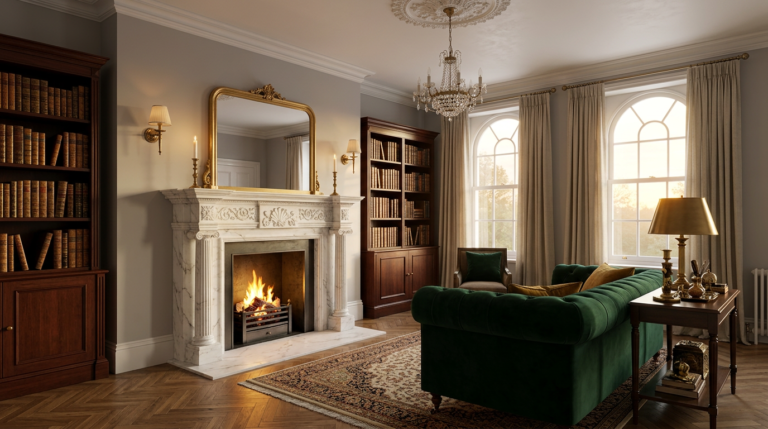
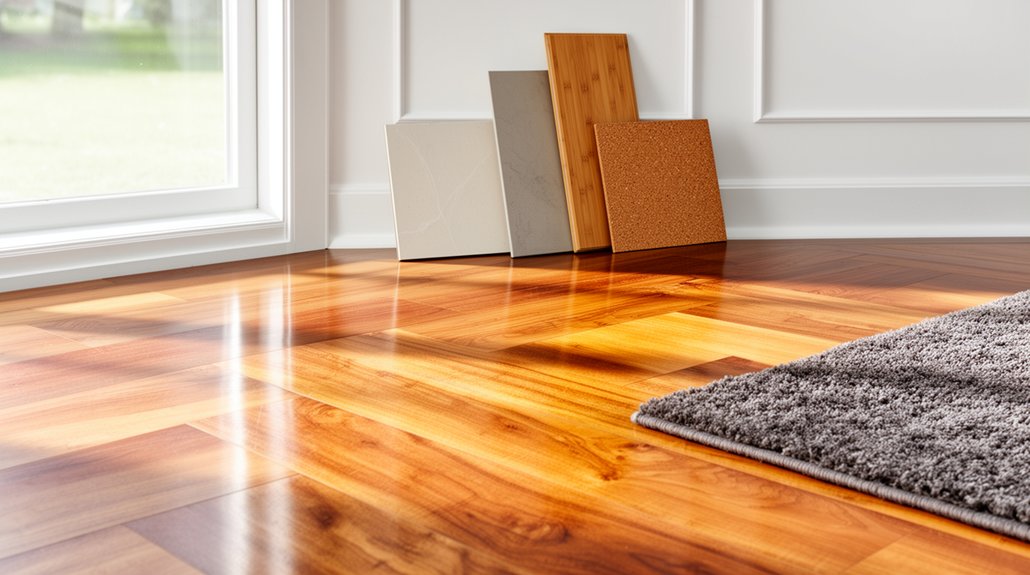
To choose the right flooring, start by aligning your design intent with material performance and space use. Assess room function, traffic, moisture, and underfoot comfort to pick durable yet comfortable options, then match texture, color, and scale to cabinetry, textiles, and lighting. Consider installation practicality, subfloor conditions, and compatibility with radiant heat. Evaluate lifecycle costs, VOCs, and maintenance needs, including sealing and refinishing. This framework helps you decide confidently—and you’ll uncover more steps once you continue.
Key Takeaways
- Align flooring choice with room function, traffic, and moisture exposure to balance durability and comfort.
- Consider color, pattern, and texture to support the overall design palette and room mood.
- Factor subfloor conditions, installation method, and radiant heating compatibility for long-term performance.
- Evaluate environmental impact, VOC emissions, durability, and lifecycle costs for responsible options.
- Plan for acoustics, underlayment, and transitions to ensure cohesive space and easy maintenance.
What Flooring Styles Fit Your Design

Choosing the right flooring begins with aligning style with function. You assess design intent, traffic, and maintenance to narrow options that perform under real use. In this section, you match aesthetic with structure, considering color, pattern, and scale to support your overall concept. Flooring styles fit your design when they complement cabinetry, textiles, and lighting, while resisting wear in high-traffic zones. Prioritize proportionality: large planks read as expansive in open spaces; herringbone and classic patterns add formality where appropriate. Consider durability ratings, installation methods, and warranty terms as part of your decision. Stay current with flooring trends and eco friendly options to balance timeless appeal with responsible choices that align with your project’s lifecycle. Your selection should be practical, coherent, and visually intentional.
How to Match Room Function and Traffic
To align function with wear patterns, assess each room’s activity level and traffic flow, then translate that into flooring choices. You’ll prioritize surface durability where kids, pets, or high foot traffic frequent, and reserve softer, tactile surfaces for low-traffic spaces. Consider zone-specific performance: entryways and kitchens benefit from scratch resistance and moisture tolerance, while living rooms can balance comfort with moderate resilience. Use grading codes or wear ratings to compare materials, and align finishes with cleaning practicality to maintain appearance over time. Vintage patterns can visually disguise light wear in busy areas, whereas solid colors emphasize cleanliness and consistency. Eco-friendly options offer lower lifecycle impact, supporting sustainability without compromising function. Select cohesive transitions and maintainers to preserve function across adjacent zones.
Choosing Flooring for Durability and Wear
Durability and wear resistance should drive your flooring selection, with attention to how a space is used and cleaned. You balance surface hardness, stain resistance, and dimensional stability to minimize maintenance over time. Prioritize high-traffic zones with materials rated for abrasion and moisture exposure, and match subfloor conditions to reduce gaps that trap dirt. Consider lifecycle costs, not just upfront price, and select finishes that resist scratching and fading. Eco friendly options can align durability with sustainability, but verify finish chemistry and recycling pathways. Anticipate installation challenges, including acclimation, subfloor leveling, and seam integrity, which influence long-term performance. Document warranted performance under relevant use cases, and plan shifts between areas to prevent rapid wear. Choose a solution that meets functional demands while enabling predictable maintenance.
Comfort Underfoot: Warmth, Softness, and Acoustics

After weighing durability and wear, you’ll often notice that comfort underfoot becomes a defining factor for long-term satisfaction. You’ll evaluate how warmth, softness, and acoustics affect daily use, foot comfort, and room feel. Choose substrates and topicals that minimize fatigue and echo, while preserving support and stability. Proper underlayment can add cushion without sacrificing density, enhancing thermal performance and sound insulation.
- Improved foot comfort through responsive underlays
- Enhanced sound insulation for quieter rooms
- Measurable warmth and stability underfoot
In practice, select flooring systems that balance compressive strength with a gentle give, and pair with underlayment tuned for your space. Prioritize materials with proven spring, resilience, and low acoustic transmission to ensure lasting comfort.
Maintenance Expectations: Cleaning, Sealing, and Refinishing
Maintenance expectations guide how long flooring will perform as designed. You’ll follow defined routines to preserve appearance, structural integrity, and finish. Cleaning techniques should be selected to match material type, with minimal abrasive action and appropriate pH. Daily upkeep includes dusting, sweeping, or vacuuming with non-damaging attachments. Spills deserve immediate attention using recommended cleaners to avoid staining or chemical damage. For high-traffic areas, implement a periodic deep-clean schedule aligned with manufacturer guidelines. Sealing procedures are material-specific and influence wear resistance, moisture intrusion, and cleanability; apply only in the approved environment and at the specified intervals. Do not bypass cure times or recoat windows, as premature sealing undermines durability. Scheduled refinishing may be required to restore gloss and protective layers, extending service life and reducing replacement frequency.
Budget Ranges and Value by Material
You’ll compare material cost ranges, so you can forecast upfront expenses and fit your budget. Consider longevity and value to weigh longer-term savings against initial spend, not just sticker price. Weigh installation and ongoing maintenance costs to see total cost of ownership across options.
Material Cost Range
What is the typical price range you should expect for flooring materials, and how does value vary by type? You’ll see a broad spread: entry options around 2–5 per square foot; mid-range materials typically 5–10; premium products exceed 10, with installation affecting total cost. This range reflects cost comparison and material versatility, guiding you toward a budget that matches performance needs without overinvesting. For functional design, quantify upfront, then prioritize durability, wear rating, and finish quality to maximize value over time. Consider lifecycle costs, including maintenance. Your goal is a precise balance between upfront price and long-term performance.
- Predictable pricing aids decision-making.
- Durable materials reduce replacement frequency.
- Versatile options align with evolving spaces.
Longevity and Value
Longevity directly informs value: materials with strong durability and low maintenance costs deliver lower lifecycle expenses even if upfront prices are higher. You evaluate floorings by expected lifespan, wear resistance, and the cost of routine upkeep, not just purchase price. Higher initial investments can pay off through fewer replacement cycles and reduced service needs, improving total cost of ownership. Consider density, finish durability, and finish reapplication frequency when estimating long-term value. Eco friendly options often balance durability with reduced environmental impact, supporting longer service life and easier end-of-life disposal. Trend forecasting helps you anticipate material performance under shifting loads, climates, and design cycles, enabling smarter budgeting. Align material choice with your project’s time horizon, maintenance capacity, and environmental goals for best value.
Installation and Maintenance Cost
When budgeting for flooring, installation and ongoing maintenance costs can outweigh the upfront price once you factor lifespan and service needs. You’ll compare material pricing, labor, and long-term durability to determine true value. Use clear pricing strategies to forecast total cost over your floor’s life, including installation, finishes, and potential repairs. Consider relative maintenance demands, supplier availability, and warranty terms to avoid hidden expenses. Contractor selection matters: choose licensed professionals with transparent quotes, documented timelines, and proven track records.
- Transparent bids that detail material, labor, and contingencies
- Timely project management and minimal disruption
- Clear post-installation support and maintenance guidance
Hard vs. Soft Surfaces: Choosing by Use Case

Hard surfaces handle heavy everyday foot traffic with durability, but they can feel harsh under prolonged use. Soft surfaces absorb impact and reduce noise, yet may require more maintenance and show wear faster. Assess your use case to balance traffic, comfort, and acoustic needs, then choose a flooring type that aligns with those priorities.
Everyday Foot Traffic
Where will your flooring choices stand up to daily use? You assess everyday foot traffic by patterns, not just volume, to predict performance. Hard surfaces often resist wear at high-traffic corridors, while soft surfaces show comfort but may show indentations with seasonally variable load. Consider how seasonal wear affects surface finish, trajectory, and compacting under repeated steps. Choose materials with appropriate abrasion ratings and maintenance requirements to minimize long-term cost and disruption. Match substrate stability to anticipated use to prevent subsidence or squeaks. Practical durability hinges on surface texture, backing, and edge integrity, which influence long-term care and replacement cycles.
- Foot traffic patterns dictate where resilience matters most
- Seasonal wear informs finishes, resealing, and padding choices
- Maintenance plans preserve appearance and function over time
Noise and Comfort Balancing
Hard-wearing floors aren’t always the best choice; the goal is to balance noise reduction with occupant comfort by selecting surface type to fit the use case. In high-traffic areas, hard surfaces produce proscribed durability but transmit footfall; pair them with underlay or resilient layers to dampen impact. For quieter rooms, soft surfaces like carpet or cork absorb sound and improve perceived warmth, yet require maintenance plans. Consider boundary conditions: children, pets, and rolling carts dictate performance layers and seam placements. Opt for Eco friendly options when possible, including recycled content or sustainably sourced materials, to minimize environmental impact without sacrificing acoustics. Use aesthetic accents sparingly to define zones yet avoid visual clutter. Document testing metrics and align with client comfort targets and usage patterns.
Aesthetic Impact: Color, Pattern, and Texture

Color, pattern, and texture define the space as soon as you enter, guiding mood, perception of scale, and lighting response. In this subtopic, you evaluate an aesthetic trio that governs how rooms feel and read from a distance. Color psychology informs mood choices, while texture variation adds tactile depth and visual interest. You’ll balance pattern scale with room dimensions to prevent overstimulation or gloom. Use restrained palettes for smaller spaces and bolder accents where you want emphasis. Consider light exposure, material sheen, and finish consistency to maintain coherence.
- Align color psychology with room function to support intended experiences
- Vary texture to create depth without cluttering the visual field
- Calibrate pattern complexity to scale and lighting conditions
Subfloor Compatibility and Installation Realities
Subfloor compatibility governs whether a flooring product will perform as intended, endure the full service life, and maintain warranty coverage. You must evaluate substrate conditions before selecting material, since misalignment leads to distortion, squeaks, and premature failure. Subfloor compatibility hinges on flatness, moisture, and mass, demanding precise tolerances per manufacturer specs. Installation realities include substrate remediation, leveling, and acclimation, which affect adhesive choice, fastener patterns, and underlayment needs. You’ll verify moisture content with proper testing and account for seasonal fluctuations that alter board stability. Structural joints, seam alignment, and edge clearance influence expansion gaps and finish integrity. Documented compatibility checks prevent warranty voids and post-install corrections. If subfloor variability exists, you may require leveling compounds, moisture barriers, or alternative products. Plan for access, ventilation, and curing times to ensure durable performance.
Environmental Impact and Indoor Air Quality
Indoor air quality and the environmental footprint of flooring materials are inseparable from subfloor considerations. You should prioritize materials with low emissions, durable performance, and verifiable eco labels to protect indoor environments and long-term sustainability. Selecting eco friendly materials reduces volatile organic compounds (VOCs) and minimizes lifecycle waste, improving indoor air quality and occupant well-being. Assess supplier transparency, durability, and recyclability to balance aesthetics with responsibility.
- Low-emission options that meet rigorous standards
- Recyclable or reusable components minimizing landfill impact
- Verified eco labels guiding durable, breathable flooring choices
Noise, Acoustics, and How to Minimize Footfall

You’ll balance noise control with wear patterns by reviewing Footfall Management Basics and selecting flooring that discourages excess footfall without sacrificing safety. Consider Acoustic Material Impacts to predict how underfoot layers affect sound transmission and comfort in your space. Explore Quiet-Traction Flooring Solutions to achieve reliable grip, reduce impact noise, and support long-term performance.
Footfall Management Basics
Footfall management blends acoustics with practical flooring choices to control impact noise, vibration, and sound transmission. You optimize environments by balancing hard surfaces with resilient layers, choosing materials that handle foot traffic while preserving clarity of spaces. Prioritize flooring durability to withstand daily use without sacrificing acoustic performance, and tailor underlays to dampen impact without muffling important conversations or alarms. You should assess noise criteria, maintenance needs, and installation practicality to minimize disruption during routine activity.
- Achieve measurable reductions in impact and ambient noise without compromising usability
- Match durability with expected foot traffic to extend lifespan and performance
- Select underlays and progressions that maintain flow, safety, and sound control
This approach yields predictable behavior, easier renovations, and a comfortable, compliant, long-lasting interior.
Acoustic Material Impacts
What acoustic materials matter most for minimizing footfall noise, and how do their properties translate to real-world performance? You evaluate materials by sound absorption efficiency, density, and backing structure, since these determine how energy converts to heat or is transmitted. Soft, porous absorbers reduce high-frequency reflections, while resilient underlays add damping without compromising stability. In practice, expect higher sound absorption coefficients at mid to high frequencies to curb hallway chatter and step impact reverberation. Noise reduction hinges on mass, layering, and integrity of seals, which limit flanking paths and airborne leakage. You quantify performance with standard tests and field measurements, translating results into design decisions. Select assemblies that balance impact diffusion, durability, and cost to achieve predictable, repeatable room acoustics.
Quiet-Traction Flooring Solutions
Quiet-traction flooring blends slip resistance with controlled vibration to curb footfall noise without compromising safety or visual appeal. You’ll evaluate acoustics by pairing treaded surfaces with responsive underlays, selecting options that damp direct impact and limit airborne sound transmission. Soundproofing options should balance grip, durability, and legibility of design, while underlayment choices influence heel impact, walking cadence, and room quiet. Insulating materials in the substrate reduce vibration transfer, enhancing room-to-room calm and occupant comfort. Consider density, resilience, and thickness to sustain traffic loads without compromising acoustic performance.
- Prioritize underlays that combine vibration damping with slip resistance
- Match surface texture to traffic patterns and safety requirements
- Verify compatibility with subfloor materials and fixtures to maintain acoustical integrity
Flooring and Underfloor Radiant Heating Compatibility
Underfloor radiant heating can be paired with a variety of flooring materials, but compatibility hinges on thermal conductivity, installation method, and surface finish. You evaluate radiant compatibility by measuring heat transfer efficiency between the radiant system and the finish layer, considering material conductivity and thickness. Higher-conductivity materials typically enable faster response and more uniform warmth, while low-conductivity products may trap heat and reduce comfort. Installation method matters: bonded systems transfer heat more efficiently than loose overlays, and added underlayment can impede performance if not specified for radiant use. Surface finish must tolerate temperature fluctuations without excessive expansion or degradation. For reliable heating integration, confirm manufacturer ratings align with your system’s design temperature, flooring type, and expected load. Radiant compatibility hinges on precise specification and professional verification.
Installation Timelines: Pros, DIY, and Coordination
Coordinating installation timelines requires clear planning from start to finish, balancing project scope, material lead times, and trade sequencing. You assess every phase for disruption, align contractor availability, and define milestones to keep metrics sharp. installation timelines hinge on accurate lead times, skilled labor, and contingency buffers, with project scheduling as the backbone of success. You’ll reduce delays by pre-approving submittals, coordinating deliveries, and sequencing trades to prevent idle days. If you DIY, you must budget tools, materials, and time realistically, or you’ll extend the timeline and risk quality. For coordination, maintain weekly updates, flag risks early, and document changes for future projects.
- Clear milestones reduce anxiety and boost confidence
- Realistic buffers prevent cascading delays
- Proactive communication fuels smooth handoffs
Keeping Resale Value in Mind: Timeless Choices
Choose timeless material options that balance performance with broad appeal, ensuring your floors resist trends while serving buyers’ expectations. Pair neutral color schemes with durable finishes that hide wear and simplify maintenance, boosting perceived value over time. By prioritizing these elements, you set a stable foundation for resale without sacrificing today’s functionality.
Timeless Material Options
Timeless flooring options prioritize durability, classic aesthetics, and strong resale value, so focus on materials with proven longevity. You’ll weigh long-term performance, maintenance, and compatibility with your design ethos, balancing proven tracks with subtle innovation. Embrace substrates that resist wear, moisture, and fading while preserving surface beauty. Vintage charm and material innovation can coexist when you select time-tested options that accept updates through finishes or accessories.
- Hardwood with durable finishes that age gracefully
- Porcelain or ceramic tile offering resilience and low maintenance
- Luxury vinyl planks that mimic natural textures with improved wear layers
This approach keeps resale value intact while allowing refined, timeless interiors that adapt to evolving trends without sacrificing durability or clarity of purpose.
Neutral Color Schemes
Neutral color schemes offer a versatile foundation that preserves resale value while remaining adaptable to evolving tastes. You select neutrals to minimize perceived obsolescence and simplify future updates. Use a restrained palette of whites, beiges, grays, and taupes to maximize light reflectance and perceived space, reducing cramped impressions. Color psychology informs your choices: cooler tones convey calm, warmer tones add coziness, and midtones balance energy with focus. Pair neutrals with durable, consistent undertones to maintain cohesion as furnishings change. Material sustainability matters: choose flooring with low environmental impact and long service life to extend resale relevance. Consider a neutral base that accommodates accent shifts via textiles and wall hues rather than permanent installations. Maintain color stability through uniform finishes and standardized radiations, ensuring resale alignment without compromising design intent.
Durable Finish Choices
Durable finishes protect your investment by resisting wear, scuffs, and stains while retaining resale appeal over time. You’re selecting coatings that combine longevity with low maintenance, ensuring your space remains appealing without frequent updates. Prioritize finishes that resist abrasion, offer even wear, and maintain color integrity under UV exposure. Eco friendly options align sustainability with performance, reducing volatile compounds while preserving surface hardness. Artistic patterns can be embedded or revealed through wear, preserving a timeless look. For practical guidance, consider preferring semi-gloss or satin sheens for balance between durability and cleanability. Avoid high-gloss finishes that show scratches easily and MDF- or concrete-based substrates without proper sealing.
- Reduced maintenance, longer life, steady resale value
- Eco friendly options, lower emissions, durable performance
- Artistic patterns, enduring aesthetics, timeless appeal
Room-By-Room Flooring Recommendations
When selecting flooring for each room, consider traffic patterns, moisture exposure, and visual goals to choose the most suitable material. In high-traffic spaces, opt for durable surfaces like engineered wood, porcelain, or Luxury Vinyl Tile (LVT) that resist wear while maintaining comfort. Kitchens benefit from water-resistant options with easy maintenance, such as LVT or ceramic tile, paired with integrated anti-slip textures. Bathrooms require moisture-tolerant materials and seamless connections to minimize leaks. For living areas, balance warmth and acoustics using wood alternatives or cork blends. Bedrooms deserve softer underfoot with carpets or textiles that reduce noise. Creative patterns and material innovations drive distinct character without compromising performance. Align choices with budget, installation complexity, and future-proofing to sustain value over time.
Surface Treatments and Protective Finishes
Protective finishes shield flooring from wear and moisture while preserving appearance. This overview covers why finishes matter, plus common surface treatment types and their performance impacts. You’ll evaluate durability, maintenance needs, and compatibility with your chosen flooring material to choose the right protective approach.
Protective Finishes Overview
What counts as a protective finish and how it performs are central to selecting flooring that endures. In this overview, you’ll examine how protective coatings contribute to surface resilience, abrasion resistance, and ease of maintenance. Finish durability hinges on resin chemistry, cure schedules, and compatibility with the substrate, so you can forecast long-term behavior under traffic, spills, and cleaning. You’ll compare waterborne versus solvent-based systems, noting environmental impact and odor considerations. Proper selection minimizes color change and wear through routine use.
- Protects against surface wear while preserving tonal integrity
- Balances ease of cleaning with film hardness and flexibility
- Ensures predictable reapplication cycles and maintenance costs
Surface Treatment Types
Surface treatment types encompass a range of techniques and coatings designed to modify a floor’s surface properties, including wear resistance, slip resistance, and ease of maintenance. You select treatments to balance durability, aesthetics, and maintenance needs, mindful of traffic patterns and environmental exposure. Surface texture influences traction, cleanability, and perceived quality, so choose textures that align with use and safety standards. Finish gloss communicates style yet also affects visibility of scratches and cleaning cycles; higher gloss reveals wear sooner, while matte or satin options conceal imperfections but may require more frequent upkeep. Techniques include sealants, varnishes, polyurethanes, acrylics, and penetrating finishes, each with cure times, fumes, and maintenance implications. Assess substrate compatibility, VOC emissions, and long-term costs to achieve the intended look, performance, and lifecycle.
Sample Testing: Color, Texture, and Grip
Sample testing for flooring involves evaluating color, texture, and grip under real-world conditions to guarantee consistency with design intent and performance requirements. You’ll conduct color testing to confirm hue, undertone, and finish consistency across samples, minimizing batch variation. Texture testing verifies surface feel, friction, and wear resistance, ensuring comfort and safety in daily use. Grip evaluation combines tread, slip resistance, and contamination scenarios to reflect actual traffic. Meticulous documentation ensures traceability from sample to installation, supporting warranty and maintenance planning.
- Secure color accuracy across lighting conditions
- Confirm tactile texture meets comfort and safety targets
- Validate grip under wet and dry scenarios for real-world performance
Smart Shopping: Avoiding Common Flooring Mistakes
When shopping for flooring, apply the same rigor you used in sample testing to prevent costly missteps. Begin with a clear brief: define traffic, moisture, and maintenance needs, then map them to product specs. Verify core materials, warranty terms, and lifecycle costs, not just upfront price. Prioritize accurate measurements, including room irregularities, crossings, and subfloor compatibility, to avoid installation delays. Compare color and texture under lighting conditions similar to your space, and demand consistent finishes across batches. Beware overpromising claims; request independent performance data and third‑party certifications. Favor Eco friendly options when sustainability matters, and assess installation complexity to prevent hidden labor costs. Consider patterns that support space perception; Artistic patterns can elevate design without compromising durability. Finalize selections only after confirming supplier lead times, returns, and service coverage.
Final Decision Checklist: a Practical Step-By-Step Framework
To finalize your flooring decision, follow this practical, step-by-step framework that translates your brief into concrete actions and measurable outcomes. Assess color psychology implications for mood, contrast, and room scale, then map materials to performance specs and lifecycle impacts. Compare eco friendly materials for durability, maintenance, and embodied energy, documenting each option’s pros and cons. Align budget, timeline, and warranty with the design brief, recording criteria and scoring. Narrow choices to two or three candidates, run a small mockup, and solicit stakeholder feedback. Confirm finalize color, texture, and installation method before signing off.
- Confidence in mood alignment through color psychology, verified by mockups
- Clear material lifecycle, sustainability metrics, and maintenance plan with eco friendly materials
- Definitive cost, time, and warranty documentation for procurement and installation
Frequently Asked Questions
How Do Light Levels Affect Color Perception on Floors?
Light levels alter color perception: brighter light boosts color accuracy, while low illumination dulls it, shifting tones. Lighting effects can exaggerate warmth or coolness. You’ll notice true hues under daylight; avoid mixed sources for consistent color accuracy.
Can Flooring Influence Room Acoustics Beyond Carpets?
Yes, flooring can influence room acoustics beyond carpets. You’ll improve outcomes by using soundproofing materials and strategic acoustic paneling, integrating them with your flooring design to manage reflections, reduce transmission, and enhance intelligibility in occupied spaces.
What About VOCS From Adhesives During Installation?
Yes, VOC emissions from adhesives exist; prioritize proper adhesive safety. You’ll reduce exposure by selecting low-VOC products, ensuring good ventilation, and following manufacturer guidance to minimize emissions during installation.
Are There Hypoallergenic Flooring Options Beyond Wood or Tile?
Yes, you can choose hypoallergenic options beyond wood or tile, focusing on allergy-friendly materials with low emissions and non-toxic finishes. Consider LVT or vinyl with certified low-VOC adhesives, bamboo composites, cork, or ceramic alternatives for durable, irritant-free floors.
How Does Floor Height Impact Door Clearance and Transitions?
Floor height affects door clearance and shifts; align thresholds with final floor heights. Consider floor height considerations early and plan door clearance adjustments, ensuring seamless swing paths, sprung hinges, and gaps that prevent binding while maintaining accessibility.
Conclusion
Choosing the right flooring ties design to daily life. Consider style, function, and foot traffic, then test samples for color, texture, and grip. Weigh durability, comfort, and maintenance, and map warranties and refinishing needs. Use the step-by-step checklist to compare options objectively. Think of your floor as a backbone, supporting every room like a spine—steadily, invisibly, and reliably, through wear and changing tastes. Decide confidently, then install with precision.
About the Author