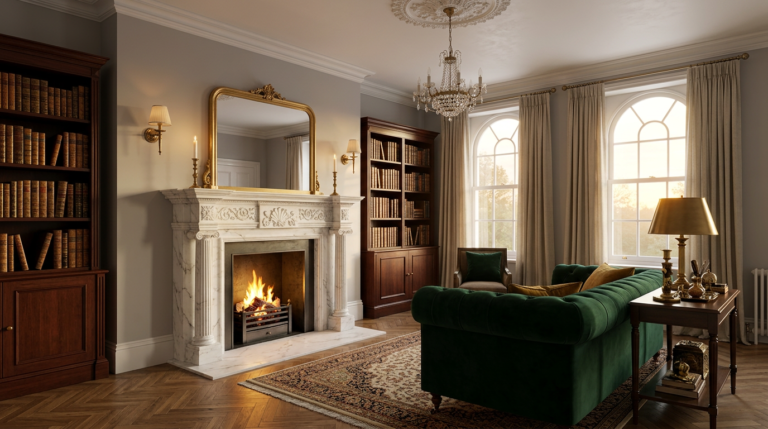

In Coventry, preserve the 1930s character while upgrading for modern living by prioritizing authentic features—facades, plaster, timber details, and stair geometry—then plan a realistic budget with must-haves first and contingencies for costs. Restore plaster and woodwork with targeted fixes, refinish rather than replace, and use period-appropriate but economical finishes. Update kitchens and bathrooms with vintage silhouettes, slim-profile windows, and discreet, energy‑efficient fixtures. With smart phasing and durable materials, you’ll boost value and comfort—and you’ll see what comes next.
Key Takeaways
- Prioritize authentic period features (façade, staircases, cornices) while upgrading for livability and energy efficiency within Coventry’s regulatory context.
- Create a phased budget that separates must-have period elements from flexible updates, with contingencies for rising costs.
- Target economical restoration: repair plaster, refinish woodwork, and use period-appropriate yet cost-conscious materials.
- Update kitchen/baths with original cabinet restoration, discreet hardware, energy-efficient fixtures, and period-accurate finishes.
- Integrate discreet modern systems (plumbing, electrical, ventilation) and smart layouts to maintain character and improve safety.
Define the Coventry 1930s Character You’ll Preserve

Breathing life into a Coventry 1930s home means locking in its defining features—timber-framed silhouettes, brick or plaster-exterior cues, and generous, functional layouts—while planning modern updates. You’ll identify character anchors to preserve: the rhythm of bay windows, mullioned glazing, and the sense of crafted proportion. Prioritize Historical architecture markers that define the façade and interior circulation, then map where to accommodate Modern amenities with minimal disruption. Document ceiling heights, cornices, and staircase geometry as non-negotiables, and decide where flexible spaces can adapt without erasing lineage. Your approach should balance authenticity with livability, resisting trends that overwrite pattern and texture. Preserve material honesty—timber, brick, plaster—while integrating discreet, contemporary conveniences that respect scale and proportion. Focus on clarity, restraint, and purposeful choices.
How to Set a Realistic Budget for Coventry Period Features
Set a realistic budget by mapping out what Coventry period features truly matter to your home’s character and what you can reasonably source at current market prices. Prioritize authentic materials and labor needs, and build in a contingency for costs that always rise with demand. Track line items for Coventry-specific features so you can adjust early, not after plans are set.
Realistic Budgeting Practices
When budgeting for Coventry period features, start by mapping your must-haves against your total budget and timeline, then identify where costs can flex. You’ll protect quality by prioritizing essential elements and forecasting contingencies. Use design fundamentals to choose durable materials, realistic installation windows, and phased work to avoid overlaps. Align expectations with historical lighting and antique fixtures by sourcing reputable suppliers and framing reserves for rebuilds or refinishing. Track spending in real time, adjusting scope before commitments bite into reserves. Maintain clarity with milestones, so you see progressive value rather than surprises.
- Prioritize essentials and set a firm contingency
- Phase work to manage cash flow
- Vet suppliers for reliability and warranties
- Reserve for restoration of historical lighting and antique fixtures
Coventry Period Features Costs
Ever wonder how to price Coventry period features without blowing the budget? You’ll start by itemizing essentials versus embellishments, then assign realistic unit costs for each item, including labor. Prioritize authentic period details that enhance value, not just appearance. Estimate lead times, containment, and delivery fees to prevent hidden overruns. When considering Modern extensions, compare retrofit compatibility, structural needs, and insulation gains against upfront costs to determine long-term payback. For Smart technology, select discreet integrations that respect period aesthetics while elevating usability, and forecast ongoing maintenance. Build a contingency reserve—typically 10–15%—to absorb price volatility. Finally, create a phased plan with measurable milestones, so you can adjust scope without derailing the whole project. This disciplined approach keeps Coventry period features financially sustainable.
Restore Plaster and Woodwork on a Budget
You can restore plaster and woodwork on a budget by prioritizing small, high-impact tasks that preserve character while avoiding costly replacements. Start with targeted repairs, like stabilizing loose plaster and sealing cracks, to prevent further damage. Match original profiles on cornices and trims using careful chiseling or reversible fills, so you retain authentic rhythm without full re-plaster. Refinish woodwork with economical, period-appropriate stains or paints, preserving grain while modernizing finish durability. Clean and consolidate joints, replacing damaged zones with sympathetic patchwork rather than full panels. Plan furniture arrangement and Lighting fixtures to minimize new work on visible surfaces, maximizing impact from what you already have.
- Targeted plaster stabilization
- Reversible fills and profile matching
- economical wood finishes
- strategic layout and lighting emphasis
Kitchen Updates That Respect the Era and Save Money
You can preserve the 1930s vibe by restoring timeless cabinets with durable finishes and clean hardware that echoes the era. Pair that with a budget-friendly backsplash idea, like simple ceramic or glass tiles in neutral tones, to maintain period accuracy without overspending. This approach keeps the kitchen cohesive, practical, and financially sensible while signaling the era’s design fundamentals.
Restore Timeless Cabinets
Restore Timeless Cabinets: Start by evaluating what makes the kitchen feel period-authentic—cupboard shapes, panel details, and hardware—then prioritize preserving original features. You’ll apply practical refinements that honor the era while saving money, focusing on finishes, minor tweaks, and layout. When updating, balance Furniture arrangements and Color palettes to maintain cohesion with the rest of the home. Preserve doors, frames, and mouldings, and restore where needed rather than replacing. Use solid, period-appropriate finishes and discreet hardware to reduce visual clutter. Emphasize simple upgrades that preserve character, like repainting with authentic tones and sealing surfaces for durability. This approach keeps the kitchen functional, elegant, and true to its 1930s roots without costly full replacements.
- Assess period elements and prioritize preservation
- Refresh finishes with authentic colors and durable sealants
- Upgrade hardware and lighting subtly
- Optimize layout to support classic furniture arrangements
Budget-Friendly Backsplash Ideas
Moving from preserving period cabinets to the backsplash, you’ll gain fresh impact without breaking the bank by choosing materials and layouts that honor the era. Start with tile patterns that echo 1930s geometry—chevrons, subway mosaics, or small rectangles arranged in a checkerboard. These choices read as period-appropriate without shouting retro. When selecting backsplash materials, prioritize durability and ease of maintenance: ceramic, glass, or ceramic-coated metal provide longevity at smart costs. Keep grout light and neutral to preserve visual calm and heighten perceived space. Use standard 4×8 or 3×6 sheets for fast install and fewer cuts, reducing labor time. Consider a single, focused band above the range to anchor the design while keeping overall kitchen uncluttered. Balance pattern with solid field tiles for timeless balance.
Budget-Friendly Bathroom Refreshes With Period Charm
A budget-friendly bathroom refresh for a 1930s Coventry home centers on preserving period details while prioritizing practicality. You’ll blend historical preservation with modern conveniences, ensuring functional updates don’t erase character. Focus on fixtures, finishes, and storage that echo the era’s silhouette while delivering today’s comfort.
- Restore a vintage vanity with a porcelain sink and soft-close drawers
- Refinish a metal framed mirror and install unobtrusive, warm LED lighting
- Use period-inspired tiles in a small, repeatable pattern for cohesion
- Add discreet, water-efficient fixtures and a simple, lever-style faucet
Tighten grout, seal enamel, and choose muted tones to maintain authenticity. This approach yields a refreshed space that feels true to the house, yet meets contemporary needs.
Insulation and Draft-Proofing for a Cozier Coventry Home

Insulation and draft-proofing a Coventry home starts with airtight envelopes and targeted upgrades that respect the era’s architecture. You’ll identify leakage points—chimney gaps, door seams, and window frames—and seal them with mineral wool, weatherstripping, or slimline flaps that blend with vintage reveals. Prioritize retrofits that preserve plaster lath and plaster walls; use cavity-fill where accessible without compromising structure. Install continuous insulation behind old plaster or behind linings to minimize thermal bridges, pairing with controlled ventilation to avoid moisture buildup. For comfort, choose modern appliances and smart technology that operate efficiently within limited thermal capacity, reducing runtime without sacrificing convenience. Keep designs simple: achieve steady heat with well-placed radiators, insulated floors, and quiet, unobtrusive seals that respect the home’s character.
Cost-Conscious Flooring and Window Upgrades That Add Value
If you’re upgrading flooring and windows on a budget, prioritize options that deliver visible value without overhauling the character of a 1930s Coventry home. You’ll want materials that balance durability with authenticity, keeping the period feel intact. Choose affordable plank or tile patterns that echo vintage textures, and pair with windows that improve insulation without sacrificing charm. Focus on how layout, color palette, and light interact to maximize perceived space and warmth. Use furniture arrangement to showcase new floors and frame the view. Guarantee trims and sills match the era’s proportion to avoid a dated mismatch. Aim for clean lines, subtle contrast, and energy efficiency in tandem.
- Durable flooring options that mimic period wood
- Energy-efficient, slim-profile window upgrades
- Coordinated trim to reinforce period character
- Strategic lighting to enhance color and space
DIY Projects With Big Impact in a Coventry 1930S Home
Big-impact DIY projects in a Coventry 1930s home start with smart, targeted fixes that respect the era while opening modern livability. You’ll access value by focusing on era-accurate details that don’t overwhelm fixtures or layout. Prioritize paint, hardware, and lighting to transform rooms without major remodels. For style, blend Vintage decor with clean lines and restrained color palettes to preserve character while feeling fresh. Update storage with built-ins that echo period proportions, avoiding trendy silhouettes that clash with plaster walls. When you install new devices, choose compact, energy-efficient choices that complement paneling and moldings. Integrate Modern appliances through concealed connections and seamless cabinetry gaps, keeping sightlines clean. Cap it with durable finishes and purposeful textures for lasting impact.
Safety, Plumbing, and Electrical Upgrades for Longevity

Safety, plumbing, and electrical upgrades are essential for a long-lived Coventry 1930s home, and they should prioritize reliability, code compliance, and minimal disruption to historic features. You’ll strengthen longevity by modernizing systems while honoring structure, using smart layout decisions, and prioritizing durable, sustainable materials. Focus on accessible panels, sealed connections, and moisture control to protect historic architecture from deterioration. Plan upgrades with future ease in mind, ensuring components are serviceable and expandable. Choose components that reduce energy use and preserve architectural integrity. Document changes for insurance and resale, and coordinate with heritage guidelines to avoid reversibility issues.
- Prioritize accessibility and code-compliant electrical panels
- Use durable, sustainable materials for plumbing and enclosures
- Implement moisture management around historic architecture
- Schedule phased work to minimize disruption and preserve features
Frequently Asked Questions
How Can I Protect Original Fixtures During Renovations?
You protect original fixtures by wrapping and sealing them, using painter’s tape and drop cloths, then listing Furniture preservation and Paint safeguarding steps. You minimize dust, cover surfaces, and schedule gentle removals, preserving character during practical renovation and design fundamentals.
What Grants or Incentives Exist for Period Homes?
If you fear a loss of charm, remember grants exist: historic preservation incentives and renovation grants can cover part of repairs. You’ll access funds, navigate criteria, and preserve character while upgrading systems within practical, design-minded budgets.
Which Tradespeople Should I Hire for Coventry-Specific Work?
Hire specialists familiar with Coventry’s regulations: a licensed electrician, a plasterer, a carpenter, and a damp-proofing expert. They’ll install modern lighting, integrate a smart home system, and respect period details for a cohesive, code-compliant renovation.
How Do I Maintain Historic Plaster Without Damage?
To maintain historic plaster without damage, you’ll use gentle preservation techniques, keep moisture controlled, and patch only with compatible materials. Historic plaster stability depends on slow drying, and you’ll monitor cracks to prevent widening.
Are There Quiet, Cost-Effective Insulation Options?
Insulation materials quiets, yet the walls breathe. You can combine dense-pack cellulose with resilient channels for soundproofing techniques, keeping costs low while preserving plaster integrity and comfort. You’ll notice improved warmth and fewer disturbances, without large renovations.
Conclusion
You’ve mapped a practical path to preserve Coventry’s 1930s charm without breaking the bank. Start with core priorities: plaster and woodwork, efficient insulation, and period-appropriate updates. For example, a homeowner saved on costs by restoring original plaster and sourcing reclaimed timber for a kitchen, instead of full rebuilds. Prioritize drafts, lighting, and layout tweaks that boost comfort and value. Stay disciplined with a phased plan, measure twice, and keep era details at the heart of every budget choice.
About the Author