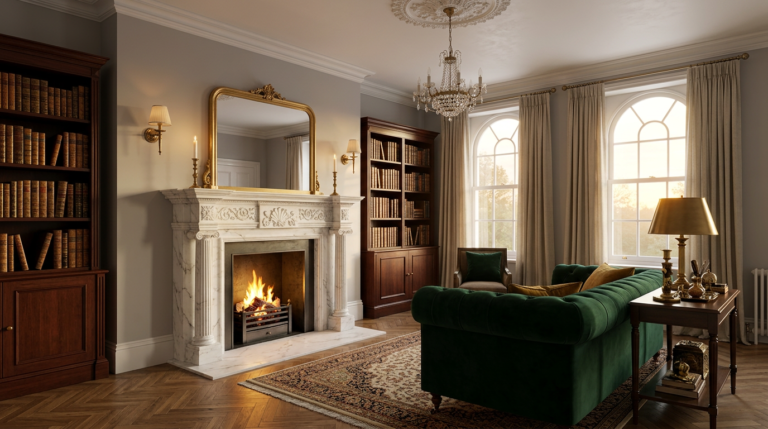

To decorate a living room on a budget, start with a budget-first plan and track every expense. Layer textiles from thrifted finds or DIY projects to add warmth and texture without breaking the bank. Use layered lighting—ambient, task, and accent—and adjustable lamps to create mood on demand. Arrange furniture for flow and space, keeping walkways clear and focal points strong. Mix finishes and contrast textures to add depth, then cap it with cohesive colors; more tips await if you keep exploring.
Key Takeaways
- Set a clear budget first, identify nonnegotiables, compare options, and track expenses to prevent overspending.
- Use layered lighting and balanced furniture placement to grow perceived space without crowding.
- Choose a unifying color palette with contrasting textures and finishes for depth and harmony.
- Incorporate thrifted textiles, slipcovers, and DIY fabric projects to refresh surfaces affordably.
- Highlight a single focal point and layer scale to create visual interest while maintaining budget-friendly choices.
Define a Budget-First Strategy for Your Living Room
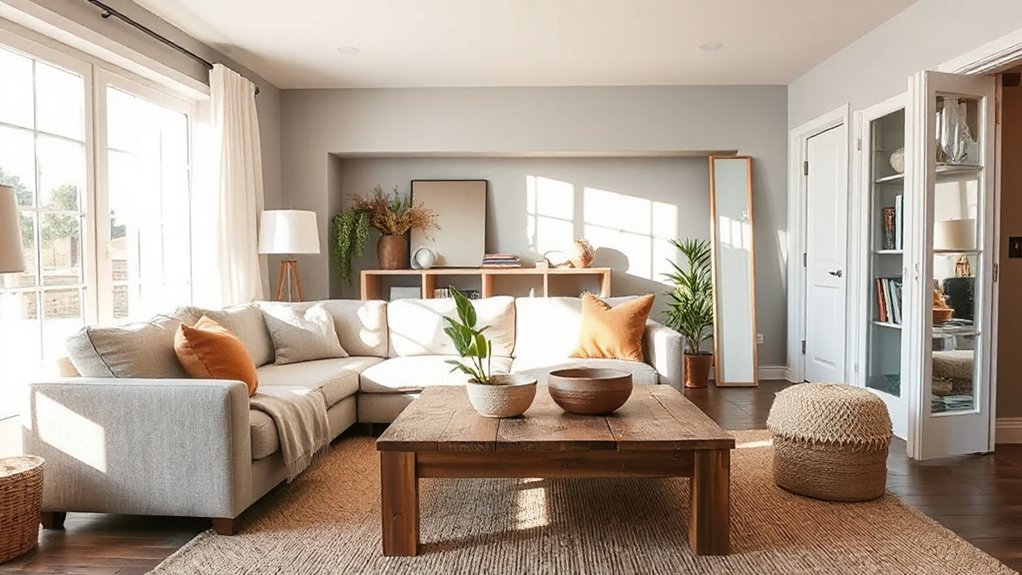
To start, set a clear budget—then design your living room around it. You’ll begin with Budget planning, mapping every facet from primary furniture to accessories. Define nonnegotiables, like a sofa you’ll actually use daily, and set flexible limits for ancillary items. This approach keeps you focused and prevents impulse buys. Next, compare costs before committing—perform cost comparison across retailers, materials, and finishings to identify the best value. Prioritize items with durable construction and timeless appeal, so you don’t replace essentials soon. Track all expenses in a simple spreadsheet to stay on target. If a piece spikes beyond your cap, seek alternatives or negotiate. A budget-first strategy guarantees decisions, reduces regret, and ensures your living room feels cohesive and functional.
Layer Textiles on a Budget: Thrifted, DIY, and DIY-Accessible Fabrics
Layering textiles on a budget means smart sourcing and smart DIY, not expensive shortcuts. You can refresh rooms with thrifted textiles and DIY fabric projects that read polished, not patched. Start with foundational pieces, then layer texture through throws, pillows, and curtains you customize yourself.
1) Scout thrift stores and online marketplaces for neutral basics that blend with your palette.
2) Pick durable fabrics (canvas, denim, twill) and reimagine them with dye, dyeable trims, or simple stitching.
3) Create slipcovers or simple panels to transform existing furniture without costly upgrades.
4) Mix patterns carefully, keeping a shared color system to maintain cohesion.
These approaches save money while offering flexibility. Thrifted textiles give character; DIY fabric projects tailor texture, weight, and color to your space.
Build a Big Impact With Layered Lighting on a Budget
Layered lighting is your best budget multipurpose tool: it adds depth, mood, and function without a single expensive fixture. You shape the room’s atmosphere by combining three layers: ambient, task, and accent. Start with a warm overhead or floor lamp to establish ambient ambiance, then add task lighting at reading nooks or work areas for clarity. Use adjustable lamps or dimmers to switch vibes from bright daytime to cozy evenings. Highlight focal points—a gallery wall, fireplace, or sculpture—with a directional spotlight or wall wash. Keep cords concealed and choose light fixtures with versatile finishes to blend into your decor. Prioritize scale and placement so every corner supports comfort, usability, and visual interest without clutter.
Layout and Flow: Small Moves That Make the Room Feel Bigger

Start with space-saving furniture layouts that keep walkways clear and seating clustered for easy conversation. Pay attention to traffic flow by aligning pathways and avoiding obstructions, so movement feels natural and open. Use visual depth techniques like layered textures and mirrors to add dimension without crowding the room.
Space-Saving Furniture Layout
To maximize space and flow, start with a clear focal point and arrange furniture around it so traffic has a free path. You’ll boost room feel with deliberate scale and placement, prioritizing open sightlines and easy movement. Use modular furniture to customize layouts as your needs change, and rely on multifunctional pieces to save floor space.
- Place a modular sofa with built‑in storage against a wall to reduce clutter.
- Choose a coffee table that folds or nests when extra surface isn’t needed.
- Use wall-mounted shelving instead of bulky cabinets for vertical storage.
- Opt for compact, leg‑based furniture to enhance airiness and visual openness.
Traffic Flow Optimization
Traffic flow isn’t just about moving from one piece of furniture to another; it’s about creating clear, natural paths that feel effortless. You optimize space by anchoring traffic patterns with a simple rule: keep walkways at least 36 inches wide and avoid crossing foot traffic with seating. Focus on furniture placement that guides the eye and movement, not blocks it. Use parallel lines, aligned edges, and open gaps to frame conversation areas while preserving circulation. Place low-profile pieces against walls to maximize center space, and cluster seating to encourage views toward focal points without creating bottlenecks. Swap oversized items for dual-purpose pieces when possible. Reassess after routine activities to refine pathways, ensuring you preserve openness while sustaining functional, inviting zones.
Visual Depth Techniques
Visual depth tricks lean on simple moves that stretch space without adding square footage. You’ll create wider perception by guiding sight lines, layering elements, and using proportional scales that don’t crowd the room. Think perspective illusions and shadow play to add dimension without bulk.
- Align furniture in coherent sightlines to extend the feel of the room.
- Use lighter shades on walls and ceiling to bounce light and blur boundaries.
- Mirror or glass surfaces subtly reflect depth, not clutter.
- Vary furniture heights and rug sizes to create cascading layers that read expansive.
Luxe-Finish Tricks on a Budget: Paint, Hardware, and Surfaces
You can upgrade with simple, high-impact finishes—think paint sheen choices, strategic hardware upgrades, and surface textures that read luxe without the cost. Start by selecting durable, easy-to-clean paints and metallic accents that complement your color palette. We’ll cover practical tweaks for trim, cabinetry hardware, and subtle surface treatments to elevate every touchpoint.
Paint Finish Tricks
Ready to elevate your walls without breaking the bank: you can nail luxe finishes with smart paint choices, hardware swaps, and surface tweaks.
1) Choose a satin or eggshell base to mask imperfections while reflecting light, then glaze edges for depth without full refinish.
2) Create faux texture by layering a flat base with a subtle glaze, or emulate plaster using a specialty finish on accent walls.
3) Use a wall mural or large-scale pattern on one focal wall to add drama without costly artwork.
4) Pair textured wallpaper with a complementary solid to balance depth and keep the room cohesive.
This approach keeps surfaces cohesive, affordable, and visually rich, avoiding clutter while elevating style.
Hardware and Surfaces Tips
If you’re aiming for a luxe look on a budget, focus on hardware updates and surface treatments that deliver high impact without a big price tag. Start with decorative hardware: swap pulls, knobs, and faucets for finished metals or antique brass to transform cabinetry and sinks in minutes. Choose cohesive finishes to unify rooms without new furniture. Next, explore surface refinishing: sand lightly, prime, and recoat shelves, tabletops, and doors to revive worn surfaces. A matte or satin finish reads high end and hides flaws better than gloss. Layer with a clear topcoat for durability. Consider budget-friendly refinishing kits for durable results. Don’t neglect edge detailing—sharpen edges or contrast light surfaces with darker trim. Small changes, big impression: refined hardware and smart surface refinishing elevate the space efficiently.
Accessorizing With Color and Contrast: Curate Like a Designer
Color and contrast are your most affordable tools for elevating a room, so start by choosing a unifying color palette and using it to guide accessorizing choices. When you balance colors, you create color harmony and prevent chaos; use contrast balance to keep depth without overwhelm. Focus on a few key accents, then repeat them across textiles, art, and decor to forge cohesion.
- Pick 2–3 core hues and extend them through pillows, throws, and lamps
- Mix matte and glossy finishes for visual interest without glare
- Layer scale, placing large pieces opposite small accents
- Use a single bold piece as a focal point to anchor the palette
Frequently Asked Questions
How Can I Allocate a Weekly Decorating Budget Efficiently?
You should budget weekly by setting a cap and tracking every purchase. Prioritize essentials, then use budget planning to allocate small, repeatable amounts. Use shopping strategies like price alerts and seasonal sales to maximize value and consistency.
What Are Quick, Affordable Sources for Statement Pieces?
Did you know 70% of budget-conscious homes rely on thrift shopping for impact? You can grab quick, affordable statement pieces via DIY accents and thrift shopping, transforming spaces fast, practically, and affordably without breaking your budget.
Which Color Schemes Maximize Small Living Rooms on a Budget?
Color schemes with high color contrast, plus strategic accent walls, maximize small living rooms on a budget. You should use bold accents against light neutrals, keeping walls airy while adding depth with one focal color for contrast.
How Can I Test Furniture Comfort Before Buying on a Budget?
To test furniture comfort on a budget, sit, lie, and move around before buying, checking fabric durability and ergonomic design; try reclining, compare cushions, and confirm you feel supported, not hunched, while you switch positions.
What Maintenance Tips Extend Budget-Friendly Decor Longevity?
Like a trusted anchor, you protect your space. For maintenance tips, you’ll schedule DIY projects and seasonal updates, clean regularly, address wear promptly, and use affordable refurbishments to extend decor longevity on a budget.
Conclusion
You don’t need a big budget to make a big impression. Start with a clear limit, then layer texture, lighting, and color to stretch it. A thrifted mirror can double a room’s light; a DIY curtain panel changes the mood for pennies. Data tip: lighting up to 3 layers can make a space feel 20% larger. Think of your room like a story: every thoughtful detail adds momentum toward a cohesive finish. Your best guide is practical, deliberate choices.
About the Author